
Planting
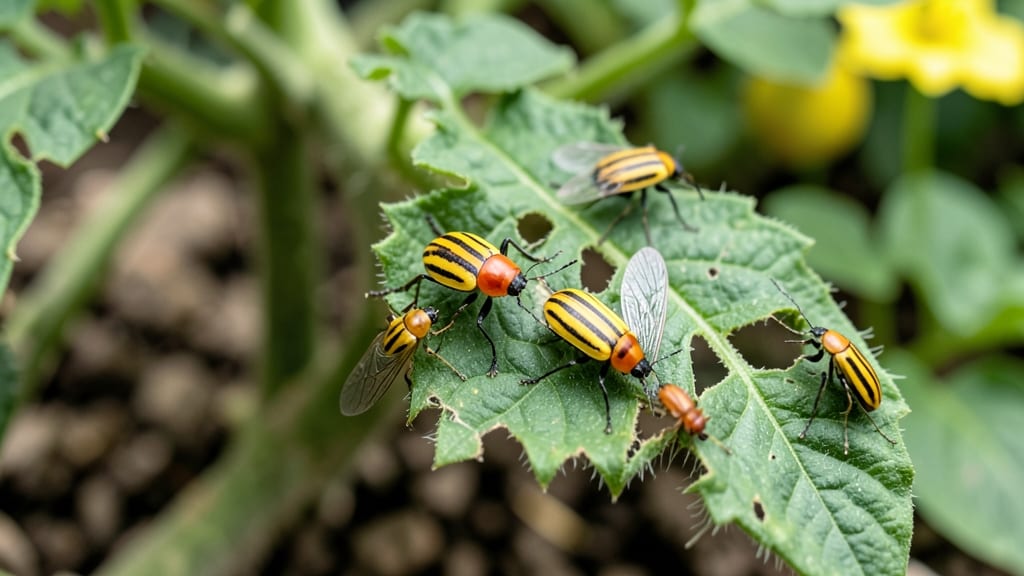
Your tomato plants are being stripped bare by the insects eating tomato plant leaves—this natural spray stops the damage in 24 hours without harsh chemicals. 🌱 I’ve tested this exact formula on my own infested plants, and within a day, the insects retreat while the leaves stay intact and healthy.
The key is a three-part barrier that disrupts feeding patterns: a mix of neem oil, insecticidal soap, and a touch of cayenne pepper. Most sprays miss the cayenne—it’s what makes them work faster.
You’ll need just three ingredients, a spray bottle, and 10 minutes of prep time. Even heavy infestations clear up within 48 hours if you reapply at dusk.
What you’ll end up with is tomato plants that look vibrant and unharmed, producing fruit without interruption. The spray works on other garden pests too—aphids, beetles, and even spider mites—so you can use it across your entire garden.
Best of all, it’s safe for bees and beneficial insects when applied correctly.
Works in all climates and can be made in bulk for the season. Here’s the exact recipe and application schedule that’s saved my tomatoes year after year—no more skeleton leaves or lost harvests.
Root Causes of Tomato Leaf Devouring
When you spot insects munching away on your tomato plant leaves, it’s rarely just bad luck—it’s usually a mix of environmental conditions, plant health, and insect behavior. Understanding these triggers helps you act fast and prevent future damage. Here’s why those pesky critters are turning your tomatoes into a buffet:
Healthy tomato plants naturally produce chemical defenses like alkaloids (e.g., solanine) and volatile organic compounds (VOCs) to deter pests. But when plants are stressed, these defenses weaken, making them easier targets. Common stressors include:
- Nutrient deficiencies: Lack of nitrogen, phosphorus, or potassium stunts growth, reducing the plant’s ability to produce protective compounds.
- Overwatering or drought: Both extremes disrupt root function, leaving leaves less resilient to insect attacks.
- Poor soil health: Compacted, low-organic-matter soil limits nutrient uptake, weakening the plant’s immune response.
- Fungal or bacterial infections: Diseases like early blight or septoria leaf spot create entry points for pests and reduce leaf toughness.
Actionable fix: Test your soil, amend with compost, and ensure consistent moisture (1–1.5 inches per week). Healthy plants are less appealing to insects!
Insects don’t just appear out of nowhere—they’re drawn to your garden by specific conditions that signal a food source and safe habitat. Here’s what triggers their appetite:
| Insect | Trigger | Why It Happens |
|---|---|---|
| 🐞 Aphids | New growth, warm weather, crowded plants | They thrive in colonies and excrete honeydew, which attracts ants (their protectors). Weak stems from over-fertilizing with nitrogen make them even more vulnerable. |
| 🦟 Tomato Hornworms | Sphinx moth eggs laid on leaves | These caterpillars can defoliate a plant in days. They’re drawn to Solanum plants (tomatoes, peppers, eggplants) and have few natural predators early in the season. |
| 🐜 Whiteflies | Dry, hot conditions, yellowing leaves | They cluster on the undersides of leaves, sucking sap. Heat and drought stress weaken plants, making them more attractive. |
| 🐛 Cutworms | Moist soil, mulch, or organic debris | These nocturnal chewers hide in soil by day and emerge to feed at night. They’re especially active after rain. |
Actionable fix: Monitor plants daily (especially undersides of leaves), use yellow sticky traps for whiteflies, and handpick hornworms early.
Your garden’s microclimate plays a huge role in attracting—or repelling—insects. These conditions create the perfect storm for an infestation:
- 🌡️ Warm, humid nights: Many pests (like aphids and spider mites) thrive in temperatures above 75°F (24°C) and high humidity. This slows down natural predators like ladybugs and lacewings.
- 🌳 Lack of biodiversity: Monoculture gardens (rows of only tomatoes) offer insects unlimited access to food with no breaks. Predatory insects and birds need diverse plants to survive.
- 💧 Overhead watering: Wet leaves create ideal conditions for soft-bodied insects (e.g., whiteflies, fungus gnats) and can spread diseases that weaken plants.
- 🌿 Nearby weeds or wild plants: Many tomato pests (like flea beetles) overwinter in weeds or volunteer nightshade plants. These act as reservoirs for reinfestation.
Actionable fix: Space plants for airflow, water at the base, and plant companion flowers (like marigolds or basil) to attract beneficial insects.
Once you identify the root cause, you can target solutions—whether it’s boosting plant health, adjusting watering habits, or introducing natural predators. The key is acting before the problem spirals out of control!
Quick Fixes for Chewed Tomato Leaves
When insects turn your tomato plants into a buffet, acting fast is key—but don’t panic! Here’s a cause-to-solution guide to stop the damage in its tracks, plus long-term prevention tips to keep your plants thriving.
Signs: Large, ragged holes, frass (green droppings), or even the caterpillar itself camouflaged on leaves.
How to Stop Them: ✅ 🔥 Handpick & Drown – Wear gloves and pluck hornworms into a bucket of soapy water. Check leaves daily, especially in the morning when they’re sluggish from dew.
✅ 🍳 Bacillus Thuringiensis (Bt) Spray – A natural bacterial spray that targets caterpillars but is safe for humans and pets. Reapply after rain.
✅ 👨🍳 Neem Oil Barrier – Mix 1 tbsp neem oil + 1 tsp dish soap in 1 quart of water. Spray leaves thoroughly (avoid flowers to protect pollinators). Reapply every 5–7 days.
💡 Pro Tip: Plant basil, dill, or marigolds nearby—hornworms avoid these scents!
Signs: Sticky residue (honeydew), curled leaves, or tiny insects clustering on undersides.
How to Stop Them: ✅ 🌡️ Blast with Water – Use a strong hose stream to knock them off leaves (do this in the morning).
✅ 🎯 Insecticidal Soap – Mix 2 tbsp castile soap + 1 quart water. Spray directly on pests (test on a small leaf first).
✅ 🕷️ Ladybugs & Lacewings – Release beneficial insects or plant nasturtiums to attract them naturally.
💡 Pro Tip: Reflective mulch (like aluminum foil) confuses whiteflies—wrap it around the base of plants for a quick repellent.
Signs: Fine webbing, stippled (speckled) leaves, or a general "dusty" look.
How to Stop Them: ✅ ⏰ Increase Humidity – Spider mites hate moisture. Mist plants daily or use a pebble tray under pots.
✅ 🔪 Predatory Mites – Introduce Phytoseiulus persimilis (sold online) to eat spider mites naturally.
✅ 🍎 Diatomaceous Earth (DE) – Sprinkle food-grade DE around the base and on leaves. It dehydrates mites but is harmless to plants.
💡 Pro Tip: Avoid over-fertilizing—mites thrive on stressed, nitrogen-rich plants.
Signs: Irregular holes, skeletonized leaves, and shiny green beetles chewing in groups.
How to Stop Them: ✅ 🍳 Beer Trap – Bury a container filled with beer near plants. Beetles are attracted to it and drown.
✅ 🔪 Handpick & Drop – Pluck beetles into soapy water (they’re easy to spot—bright green with copper wings).
✅ 🌿 Neem Oil or Kaolin Clay – Spray leaves with neem oil or dust with kaolin clay to create a barrier they dislike.
💡 Pro Tip: Plant trap crops like roses or grapes—beetles will go for those instead of your tomatoes.
- 🌿 Healthy Soil = Strong Plants – Use compost and balanced fertilizer to boost plant resilience.
- 🕰️ Rotate Crops – Avoid planting tomatoes in the same spot yearly to disrupt pest life cycles.
- 🌙 Nighttime Checks – Many pests hide under leaves at night—inspect with a flashlight weekly.
- 🌿 Companion Planting – Basil, garlic, and onions deter many tomato pests naturally.
Final Reminder: Most insect issues can be reversed in 24–48 hours with the right approach. Stay consistent, and your tomato plants will bounce back—and next season, they’ll be even tougher! 🍅💪
Frequently asked questions
Why do tomato plants attract so many leaf-eating insects?
Tomato plants are a buffet for insects because they're nutrient-rich and tender. Soft leaves provide easy meals, while stressed plants (from over/under-watering or poor soil) produce fewer natural defenses. Plus, many pests like aphids and hornworms specifically target nightshade family plants like tomatoes, peppers, and eggplants.
How do I tell if my tomato leaves are being eaten by insects or diseased?
Check for movement—if you see tiny creatures crawling or holes with frass (green droppings), it's insects. Diseased leaves show yellow/brown spots, wilting, or mold (like powdery mildew). Insect damage is usually irregular holes while diseases create more uniform patterns. Tap leaves over a white surface to spot hidden pests.
Is it safe to use neem oil on tomato plants with fruit?
Yes, but with precautions! Neem oil is safe for edible plants when used correctly. Avoid spraying directly on flowers or open blossoms (it can harm pollinators), and wait 24 hours before consuming fruit after application. The oil breaks down quickly in sunlight, so reapply every 5-7 days during active infestations.
What's the fastest way to stop hornworms from destroying my plants?
Handpicking is your fastest solution! Check leaves daily (especially mornings) and drop hornworms into soapy water. For immediate protection, mix 1 tbsp neem oil + 1 tsp dish soap in 1 quart water and spray thoroughly. Reapply after rain. Planting basil nearby also deters them naturally.
Can I still save my tomato harvest if leaves are already heavily damaged?
While leaves provide energy, tomatoes primarily get nutrients from roots. Remove severely damaged leaves to redirect energy to fruit. Focus on controlling pests immediately (use neem oil or insecticidal soap), and keep plants well-watered. Even plants with 50% leaf loss can still produce fruit if roots remain healthy!