
How To
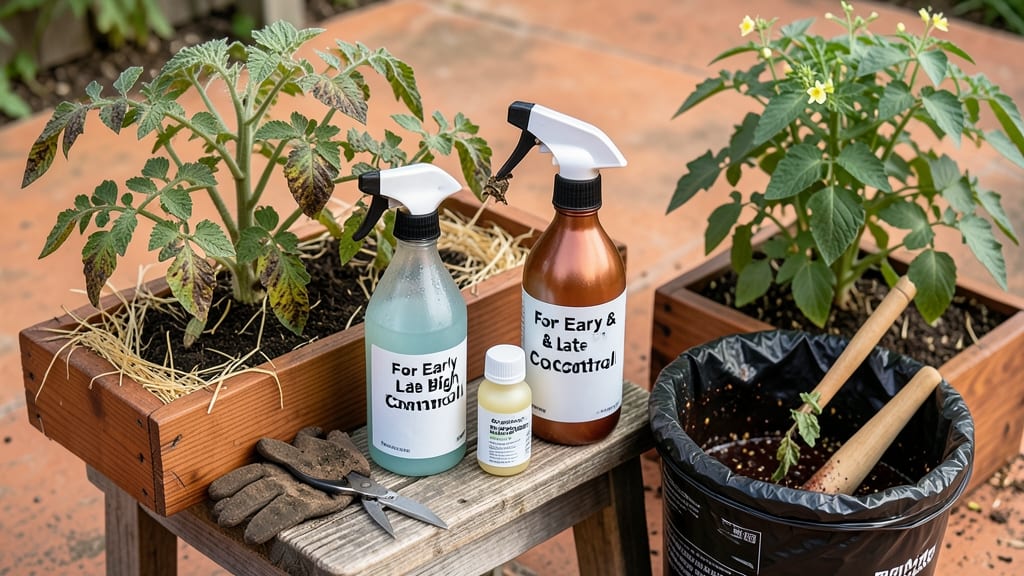
Tomato blight turns your lush vines into a sad, spotted mess—until you use this copper-free organic spray that stops the spread in 24 hours. 🌱 I’ve lost entire tomato plants to blight, but this method saved my next crop, and it’s easier than you’d think.
The key is acting fast with the right mix of prevention and treatment.
Most gardeners panic when they see those dark, greasy spots on leaves—early blight or late blight, both are aggressive. The good news? You don’t need harsh chemicals to fight back.
A simple spray with baking soda, neem oil, and a dash of dish soap creates a protective barrier that blight can’t penetrate. Plus, it’s safe for your plants and the pollinators visiting your garden.
Within a day of spraying, new growth stays crisp and green while the blight stops in its tracks. You’ll see the difference in just 48 hours—no more wilting leaves or rotting fruit.
The best part? This spray doubles as a preventive measure, so you can keep blight away all season long.
Works for backyard gardens, containers, and even greenhouse setups. Let’s get those tomatoes thriving again—no blight in sight!
Root Causes Of Tomato Blight
Tomato blight—whether the dreaded late blight (Phytophthora infestans) or early blight (Alternaria solani)—doesn’t strike randomly. Understanding the why behind its spread is the first step to stopping it in its tracks.
Below, we break down the key factors that turn your lush tomato plants into a blight magnet, with science-backed explanations to help you act fast.
Tomato blight thrives in moisture-loving conditions, and fungi like Phytophthora and Alternaria rely on humidity to spread. Here’s how it works:
- Spores Need Water to Travel: Blight spores (tiny fungal particles) are lightweight and airborne, but they require free water (like rain, dew, or overhead irrigation) to germinate and infect plant tissues.
A single night of heavy dew or prolonged rain can turn a few spores into a full-blown outbreak. - Stagnant Air = Fungal Party: High humidity (above 75-90%) creates a microclimate where spores survive longer and infect faster.
Poor air circulation (common in dense plantings or greenhouses) traps moisture, giving blight a 24-hour head start. - Leaf Wetness > 4 Hours = Danger Zone: Studies show that just 4-6 hours of leaf wetness is enough for spores to penetrate tomato leaves, leading to lesions within 2-3 days.
💡 Pro Tip: If your area is forecasted for rain, cover plants with row fabric or water at the base (not overhead) to keep leaves dry.
Blight doesn’t just attack—it hides and multiplies in shady, cramped conditions. Here’s the science:
- Stagnant Air = Fungal Highways: When tomato plants are too close together, airflow is restricted, leading to: - Slower evaporation (leaves stay wet longer). - Higher humidity in the plant canopy. - Easier spore movement from infected to healthy leaves. - Shade Lovers: Blight spores prefer low-light conditions because they compete with sunlight for plant energy.
Shady spots (like under dense vines or near fences) become blight hotspots. - Pruning Neglect: Overgrown or unpruned tomatoes trap moisture in the foliage, creating the perfect blight breeding ground. A single infected leaf can spread spores to 10+ healthy leaves in a week.
💡 Pro Tip: Space plants 18-24 inches apart and prune suckers to improve airflow. If blight appears, remove infected leaves immediately (don’t compost them—bag and trash them).
Blight isn’t just airborne—it hibernates in the soil and recycles through old plant matter. Here’s how:
- Surviving Spores: Phytophthora (late blight) can overwinter in soil for years, while Alternaria (early blight) lives on old tomato stems and leaves.
If you planted tomatoes in the same spot last year, last year’s blight is still lurking. - Compost & Mulch Risks: Using infected plant debris in compost or as mulch spreads spores rather than killing them.
Heat alone (even in a hot compost pile) doesn’t always destroy blight pathogens. - Weakened Roots = Easy Entry: Poor soil health (low organic matter, compacted soil) stresses tomato plants, making them more susceptible to infection. Healthy roots = stronger defenses.
💡 Pro Tip: Rotate crops—don’t plant tomatoes, peppers, or potatoes in the same spot for at least 3 years. If you must replant, solarize the soil (cover with clear plastic for 4-6 weeks in summer) to kill spores.
Blight isn’t picky about heat or cold—but it loves the Goldilocks zone for growth:
| Blight Type | Ideal Temp Range | Why It Matters |
|---|---|---|
| Late Blight | 60–75°F (15–24°C) | Spores germinate fastest in this range. Cooler temps (50–60°F) slow growth, but warm nights (70°F+) speed it up. |
| Early Blight | 75–85°F (24–29°C) | Thrives in hot, dry conditions but needs moisture to activate. Drought-stressed plants are more vulnerable. |
- Nighttime Dew + Warm Days = Blight Bomb: If temps drop below 60°F at night but rise above 75°F by day, condensation forms, and spores explode in growth. - Cold Snaps Slow It Down: Below 50°F (10°C), blight stalls—but don’t count on frost to save your plants.
Spores revive as soon as temps rise.
💡 Pro Tip: Use a plant thermometer to monitor conditions. If nights are cool and humid, water in the morning (not evening) to reduce leaf wetness.
A healthy tomato plant can fight off blight—but stress makes it an easy target. Common stressors include:
- Nutrient Deficiencies: Low potassium (K) or calcium (Ca) weakens cell walls, making them easier for spores to penetrate. A balanced 10-10-10 fertilizer (or compost tea) helps. - Overwatering or Underwatering: Waterlogged soil (from poor drainage) drowns roots, while drought stress weakens leaves.
Aim for 1–1.5 inches of water per week. - Pests as Gatekeepers: Aphids, spider mites, and hornworms damage leaves, creating open wounds for blight to invade. Scout plants weekly and remove pests manually or with neem oil.
💡 Pro Tip: Foliar spray with seaweed extract (rich in potassium and growth hormones) can boost plant resilience before blight strikes.
How to Fix Tomato Blight Fast
Blight doesn’t stand a chance with the right approach—whether you’re dealing with early signs or a full-blown outbreak, these practical, organic solutions will help you reclaim your tomato plants in no time.
Below, we map common causes to targeted fixes, plus prevention tips to keep blight from crashing your harvest again.
Fix: Dry it out + copper-free spray combo Blight thrives in humidity, so cut off its water supply while smothering spores with a natural fungicide.
- Prune aggressively 🔪
- Snip off infected leaves (including stems) with sterilized shears. Dispose of them in the trash not the compost—spores can survive!
- Focus on lower leaves first (they’re ground-level and trap moisture).
- Improve airflow 🌬️
- Space plants 18–24 inches apart and stake them to avoid crowding.
- Remove nearby weeds or debris that trap dampness.
- Spray with a copper-free blend 🌿 - Mix 1 tbsp baking soda + 1 quart water + 1 tsp dish soap + 1 tbsp vegetable oil in a spray bottle.
Shake well and apply every 3–5 days at dawn (less evaporation). - Alternative: Use a commercial organic spray like Serenade Garden (contains Bacillus subtilis bacteria that outcompetes blight).
Prevention pro tip: 💡 Water at the base (never overhead) and mulch with straw to keep soil dry but roots hydrated.
Fix: Adjust irrigation + boost soil health Blight loves soggy soil—fix drainage and water smarter to starve the fungus.
- Check your soil 🏗️
- Dig a 6-inch hole near your plants. If water pools after 10 minutes, amend soil with:
- 50% compost + 30% perlite/pumice + 20% coconut coir (for aeration).
- For containers, ensure pots have drainage holes and elevate them on bricks.
- Dig a 6-inch hole near your plants. If water pools after 10 minutes, amend soil with:
- Water like a pro ⏰
- Morning is key: Water deeply once a day (early AM) so foliage dries by nightfall.
- Use a soaker hose or drip irrigation to avoid wetting leaves.
- Sign you’re overwatering: Yellowing leaves or mushrooms growing in soil—stop watering for 3 days to dry out roots.
- Boost soil microbes 🦠
- Sprinkle mycorrhizal fungi (like MycoApply) around roots to crowd out blight-causing pathogens.
Prevention pro tip: 🌡️ Test soil moisture with your finger—if the top 1–2 inches are dry, it’s time to water.
Fix: *Strengthen defenses + rotate crops Stressed tomatoes are blight magnets—give them the care they crave.
- Fertilize right 🌱
- Switch to a
- Avoid fresh manure—it burns roots and attracts pests.
- Support struggling plants 🛠️
- Cage or stake plants to prevent wind damage (broken stems = entry points for spores).
- If leaves are curling, spray with diluted fish emulsion (1 tbsp/gal water) for a quick nutrient boost.
- Rotate crops 🔄
- Never plant tomatoes (or potatoes/peppers) in the same spot for 3 years—blight spores linger in soil.
- Interplant with garlic or marigolds (natural fungicides) to repel spores.
Prevention pro tip: ✨ Hardening off seedlings (gradually exposing them to outdoor conditions) reduces transplant shock.
Fix: *Combine methods + quarantine If blight keeps coming back, you’re missing a step—layer these fixes:
| Problem | Solution | Frequency |
|---|---|---|
| Spores on tools | Wipe shears/pruners with rubbing alcohol after each use | Every cut |
| Infected compost | Solarize soil (cover with clear plastic for 4–6 weeks in sun) | Once per season |
| Neighbor’s infected plants | Remove all tomatoes from their garden (or ask them to treat) | Immediately |
Last-resort tip: 🎯 If 50%+ of leaves are blighted, pull the plant (roots and all) to stop the spread. Replace with basils, lettuce, or beans—they’re blight-resistant!
✅ Start with resistant varieties (e.g., ‘Mountain Merit,’ ‘Defiant PhR’). ✅ Sterilize tools with bleach water (1:10 ratio) between uses. ✅ Plant in raised beds (better drainage + fewer spores). ✅ Use row covers early in the season to block spore-laden rain. ✅ Harvest early and often—ripe tomatoes = less plant stress!
Remember: Blight spreads fast, but so does your reaction. Act within 24 hours of spotting brown spots, and you’ll save your tomatoes**—no copper needed! 🍅💪
Frequently asked questions about tomato blight
What’s the difference between early and late blight?
Early blight (Alternaria solani) shows up as concentric brown rings on lower leaves, while late blight (Phytophthora infestans) creates greasy, dark spots that spread rapidly—even to fruit. Early blight thrives in heat, while late blight loves cool, damp weather.
Can I still harvest tomatoes if blight is present?
Yes, but focus on ripe fruit first—unripe tomatoes won’t ripen properly once picked. Remove any blighted leaves and fruit immediately (don’t compost them!). For severe cases, harvest early and replace plants with blight-resistant varieties like ‘Defiant PhR’ next season.
How often should I spray for blight prevention?
Spray every 7–10 days during peak blight season (late summer/early fall) or after heavy rain. For active outbreaks, apply a baking soda-neem oil mix every 3–5 days at dawn. Always rotate with different organic sprays to avoid resistance.
Will my tomato plants recover if I remove all infected leaves?
Yes, but act fast! Remove all brown/blackened leaves (including stems) and dispose of them in the trash. Prune to improve airflow, then spray with a copper-free fungicide. Healthy plants can regrow if less than 30% of foliage is lost.
Can I use vinegar to treat tomato blight?
No—vinegar is too harsh and can burn plant tissues. Instead, use a 1% hydrogen peroxide solution (1 part 3% peroxide to 30 parts water) as a disinfectant spray for tools and soil. For plants, stick to baking soda or neem oil blends.