
How To
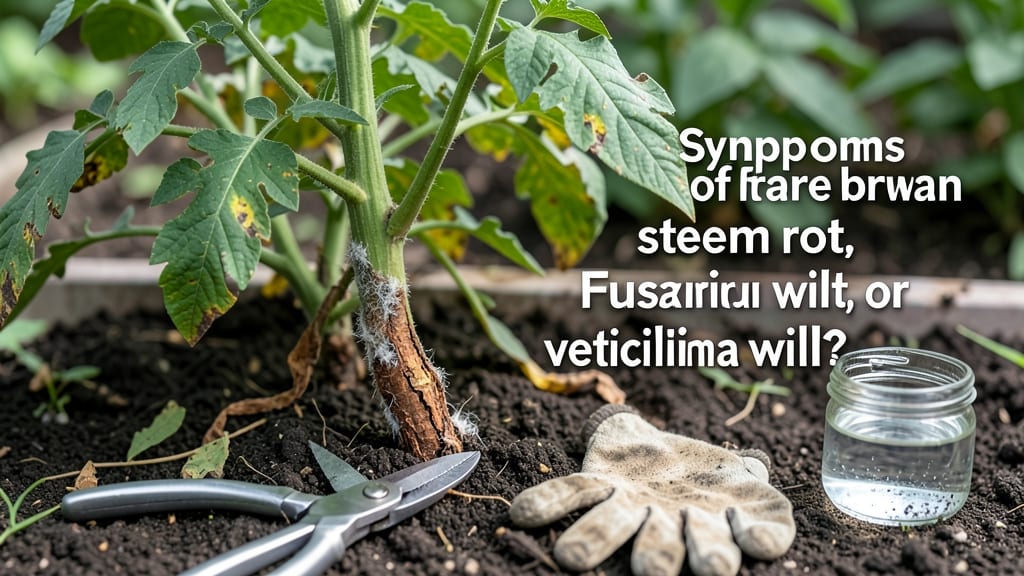
Brown tomato stems can turn your thriving plants into sad, droopy shadows in days—but there’s a quick fix that works in minutes. ✂️ I’ve seen this happen after heavy rain, poor airflow, or even just one too many waterings, and the good news is you can often save your plants before the damage spreads.
The culprit is usually fungus (like early blight or verticillium wilt) or overwatering, which smothers roots and invites rot. You’ll spot brown, crispy stems near the soil or blackened spots on leaves—both signs your tomatoes are crying for help.
The key is acting fast: prune affected stems below the brown, improve airflow, and adjust your watering routine.
Within 24 hours, you’ll see new green growth if the roots are still healthy. I’ve revived plants that looked dead just by cutting back the brown parts and letting them dry out. The secret? Less water, more space—tomatoes hate soggy feet and crowded leaves.
For stubborn cases, a copper fungicide spray (or even baking soda mix) can stop the spread. Prevention is easier: water at the base in the morning, space plants 18-24 inches apart, and mulch to keep soil dry. Your tomatoes will bounce back—promise.
Root Causes Of Stem Discoloration
Understanding why your tomato stems turn brown is the first step toward restoring your plants to vibrant health. These changes are usually signals from your plants that something isn’t quite right—whether it’s environmental stress, disease, or poor care practices.
Let’s break down the most common culprits and why they trigger this distress signal.
Tomatoes thrive in warmth, but too much direct sunlight—especially during scorching afternoons—can cause sun scald. When stems and leaves absorb excessive heat, their cells start to break down, leading to brown, crispy patches.
This is most common in varieties with thin or hairless stems, like some heirloom or cherry tomatoes.
Why it happens:
- Ultraviolet (UV) radiation damages cell membranes, causing oxidation and browning.
- High temperatures (above 90°F/32°C) disrupt photosynthesis, weakening the plant’s ability to transport nutrients.
- Poor water retention in hot, dry conditions leads to dehydration stress, which manifests as brown, brittle stems.
Actionable fix: Provide afternoon shade with shade cloth (30-50%) or mulch heavily to retain soil moisture.
Brown stems can signal both overwatering and underwatering, but the mechanisms differ. Let’s untangle the confusion:
Underwatering
- Symptoms: Stems feel dry and brittle; leaves wilt and brown at the edges before curling inward.
- Why it happens:
- Water deficit triggers abscisic acid (ABA) production, a stress hormone that causes stomata (leaf pores) to close.
This disrupts nutrient flow to stems, leading to cellular dehydration and browning. - Root damage from prolonged dryness reduces water uptake, causing stems to weaken and darken.
Overwatering
- Symptoms: Stems appear mushy or discolored (brown/yellow); soil smells sour or moldy.
- Why it happens:
- Oxygen deprivation in soggy soil forces roots to suffocate, cutting off water and nutrient transport.
Without oxygen, cells in the stem can’t respire properly, leading to necrosis (cell death). - Fungal infections (like Phytophthora) thrive in waterlogged conditions, clogging xylem vessels and blocking water movement, which turns stems brown.
Actionable fix:
- Underwatering: Water deeply 1-2 times per week (check soil 2 inches down—it should be moist but not soggy).
- Overwatering: Improve drainage with raised beds or containers; avoid watering until the top inch of soil is dry.
Pathogens are a sneaky cause of brown stems, often masquerading as environmental issues. Here’s how to spot them:
Fusarium Or Verticillium Wilt
- Symptoms: Stems develop brown streaks when cut open; wilting spreads from the bottom up, even with adequate water.
- Why it happens:
- Fungal spores in contaminated soil infect roots, blocking xylem vessels (the plant’s "straws" for water transport).
The fungus secretes toxins that kill vascular tissue, turning stems brown and brittle. - Stress weakens defenses: Poor soil health, compacted roots, or temperature fluctuations make tomatoes more susceptible.
Bacterial Spot Or Speck
- Symptoms: Tiny brown spots on stems/leaves that ooze yellowish bacteria when wet; stems may crack or rot.
- Why it happens:
- Bacteria (Xanthomonas or Pseudomonas) enter through wounds (e.g., pruning cuts) or rain splashes.
They multiply in warm, humid conditions, clogging stomata and causing cell death.
Actionable fix:
- Prevention: Rotate crops; sterilize tools with 70% alcohol; remove infected plants immediately.
- Treatment: Apply copper fungicide (for bacterial issues) or hydrogen peroxide spray (1 tbsp per gallon of water) to stems.
Tomatoes are heavy feeders, and imbalances in soil nutrients can lead to stem discoloration. Two key culprits:
Potassium Deficiency
- Symptoms: Brown, necrotic spots on stem edges; weak growth despite green leaves.
- Why it happens:
- Potassium (K) regulates water balance and cell structure.
Without it, stems lose integrity, leading to browning and splitting. - Overuse of nitrogen (e.g., too much manure) can "lock out" potassium, making it unavailable.
Salt Or Chemical Burn
- Symptoms: Stems appear scorched with brown, crispy patches; yellowing between veins.
- Why it happens:
- Excess salts (from tap water, fertilizers, or poor soil) disrupt osmosis, causing cells to dehydrate.
- Herbicide drift or over-fertilization with synthetic mixes can chemically burn stems.
Actionable fix:
- Test soil (pH 6.0-6.8 is ideal for tomatoes).
- Amend soil with compost or a balanced fertilizer (10-10-10 or 5-5-5).
- Flush soil with rainwater if using tap water (high in chlorine/sodium).
Sometimes, the culprit is tiny but mighty:
Sap-Sucking Pests
- Aphids, spider mites, or whiteflies pierce stems to feed, injecting toxins that cause browning and stunting.
- Why it happens: Their saliva disrupts plant hormones, leading to deformed growth and necrotic tissue.
Mechanical Stress
- Over-pruning, rough handling, or hail damage can bruise stems, exposing them to pathogens or dehydration.
Actionable fix:
- Spray pests with neem oil or insecticidal soap.
- Support plants with cages or stakes to prevent wind/rain damage.
Quick Fixes for Wilted Tomatoes
When your tomato plants show signs of brown stems, acting fast is key to saving your harvest. Below are targeted solutions for the most common causes—each with a step-by-step fix and prevention tips to keep your plants thriving.
Signs: Stems appear mushy, yellowing leaves, or soil feels soggy.
How to Fix It: 🔥 Stop Watering Immediately – Let the soil dry out for 1-2 days to prevent root rot. 🍳 Improve Drainage – Mix in compost or perlite to loosen heavy soil, or repot in well-draining containers. 👨🍳 Prune Damaged Leaves – Snip off yellow or brown leaves with clean pruners to redirect energy. 🥘 Adjust Watering Habits – Water deeply but infrequently (1-2 times per week), early in the morning.
Prevention Tips: ✨ Use raised beds if your garden soil drains poorly. 🌡️ Check soil moisture before watering—stick your finger 1-2 inches deep. 🎯 Mulch around plants to retain moisture without over-saturating roots.
Signs: Stems turn brown and crispy, especially in hot afternoons.
How to Fix It: 🔥 Provide Shade Cloth – Use lightweight shade fabric (30-50%) during peak sun (11 AM–3 PM). 🍳 Water Deeply in Heatwaves – Soak roots in the early morning to cool the soil. 👨🍳 Harvest Ripe Tomatoes Early – Pick fully ripe fruits to reduce stress on the plant. 🥘 Avoid Fertilizing in Extreme Heat – Wait until temps drop below 85°F (29°C).
Prevention Tips: ✨ Plant in partial shade if your climate has intense afternoon sun. 💡 Choose heat-tolerant varieties like ‘Solar Fire’ or ‘Heatmaster’ tomatoes. 🌡️ Reflect sunlight away with white mulch or light-colored containers.
Signs: Stems have chewed spots, webbing, or black/brown spots (fungal blight).
How to Fix It: 🔥 Spray with Neem Oil – Mix 1 tbsp neem oil + 1 tsp mild soap in 1 quart water; spray stems and undersides of leaves. 🍳 Introduce Beneficial Insects – Ladybugs or lacewings eat aphids naturally. 👨🍳 Remove Infested Leaves – Toss damaged foliage in the trash (not compost). 🥘 Apply Copper Fungicide – For blight, spray stems with a 1% copper solution weekly.
Prevention Tips: 🌱 Rotate crops to avoid soil-borne pests. 🎯 Inspect plants weekly for early signs of infestation. 💪 Strengthen plants with balanced fertilizer (10-10-10) to boost resilience.
Signs: Brown, leathery patches on stems/fruit ends (often confused with wilting).
How to Fix It: 🔥 Apply Calcium Spray – Use a mix of 1 tbsp calcium chloride + 1 gallon water, or switch to Epsom salt (1 tbsp/gallon). 🍳 Side-Dress with Crushed Eggshells – Grind eggshells into powder and sprinkle around the base. 👨🍳 Ensure Consistent Moisture – Fluctuating water levels worsen calcium uptake. 🥘 Use a Balanced Fertilizer – Avoid high-nitrogen feeds; opt for 5-10-10.
Prevention Tips: 💡 Test soil pH (aim for 6.0–6.8) for better calcium absorption. 🌡️ Mulch heavily to maintain even moisture. 🎯 Avoid over-fertilizing—too much salt harms roots.
Signs: Stems wilt suddenly after moving plants or pruning.
How to Fix It: 🔥 Water Thoroughly After Transplanting – Soak roots to reduce stress. 🍳 Use Root Stimulator – Dip roots in a mycorrhizal fungi solution before replanting. 👨🍳 Avoid Pruning for 2 Weeks – Let the plant recover before trimming. 🥘 Shade Newly Planted Tomatoes – Use a temporary shade cloth for 3–5 days.
Prevention Tips: ✨ Hardening off seedlings gradually before transplanting. 💡 Plant at the same depth as the original container. 🌱 Choose the right time—transplant in cool, cloudy weather.
Pro Tip: 🔥 For all fixes, monitor progress daily. If stems remain brown after 3–5 days, the plant may be beyond saving—focus on preventing it in future crops!
Frequently asked questions
Why do my tomato stems turn brown at the base first?
This is often a sign of root rot or fungal infection like verticillium wilt. The base is closest to the soil where moisture lingers, creating perfect conditions for pathogens. Check for mushy stems or dark streaks when you cut open the stem—these confirm the issue. Act fast by improving drainage and removing infected plants.
Can I save a tomato plant if the stems are already brown and crispy?
It depends! If the roots are still white and firm, you can prune all brown stems below the damage and give the plant better care (like less water and more airflow). However, if the stems are hollow or the plant won’t perk up after 24 hours, it’s likely too late—focus on saving nearby healthy plants instead.
Is brown on tomato stems always a disease?
Not always! Brown stems can also mean nutrient deficiency (like potassium) or physical damage from hail or rough handling. Check the rest of the plant: yellowing leaves with brown edges suggest potassium issues, while crispy stems in hot weather point to sun scald. Test your soil or adjust care before assuming disease.
How often should I prune brown stems to prevent spread?
Prune immediately when you spot brown stems—don’t wait! Use clean, sharp scissors to cut just below the damage (about ¼ inch clear of brown). For fungal issues, sterilize your tools with rubbing alcohol between cuts. Repeat every 3-5 days until new growth appears, and always improve airflow around plants.
Will copper spray work on brown stems caused by overwatering?
No—copper spray is for fungal/bacterial infections, not water-related issues. If overwatering caused the brown stems, your first step is to stop watering and improve drainage. Once the soil dries out, the stems may recover. For fungal problems (like early blight), copper spray can help—but only after you’ve fixed the moisture issue.