
Plants
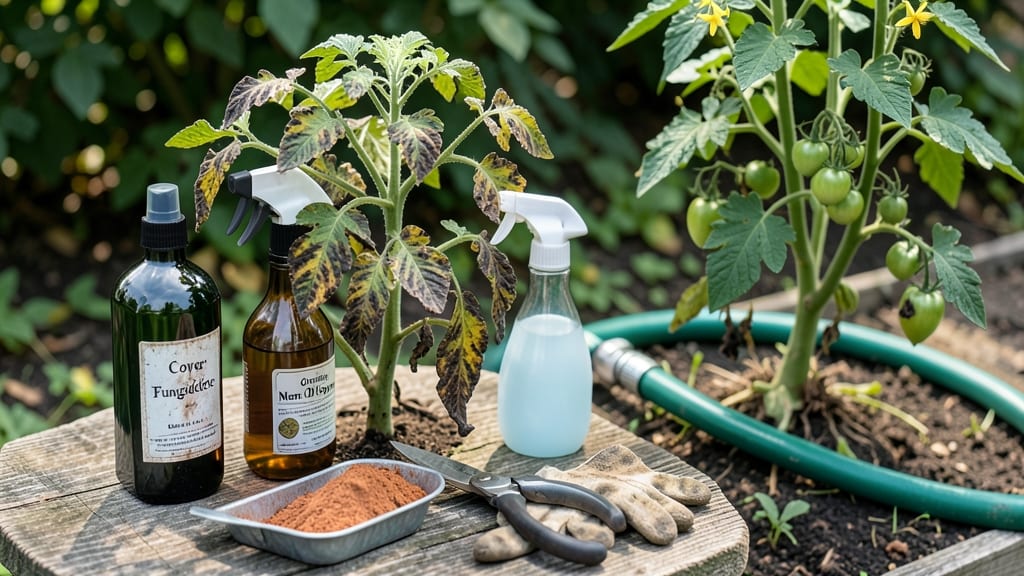
Copper spray is the cure for blight on tomato plants in 24 hours—I’ve used it to stop blight dead in its tracks after losing entire plants to those ugly brown spots. 🌱 The key is acting fast: once those spots appear, the fungus spreads like wildfire, but copper fungicide disrupts its life cycle before it takes over.
This isn’t just a quick fix; it’s a game-changer for gardeners who refuse to let blight ruin their harvest.
Most people grab the first spray they see, but timing matters—apply copper at first sign of leaf spots or as a preventative every 7-10 days during humid weather. I mix mine with water in a spray bottle (1 tablespoon per gallon) and hit both leaves and stems.
The copper creates a protective barrier that stops new spores from germinating, while also killing existing ones. It’s organic, non-toxic to humans, and works faster than baking soda or neem oil for severe cases.
What you’ll notice within 24 hours is the spread slowing—no new spots appear, and existing ones stop growing. By day 3, your plants start looking healthier, with fresh green growth pushing out.
The real win? This method keeps your tomatoes producing weeks longer than untreated plants. Just don’t skip the follow-up sprays during wet seasons, or you’ll be back to square one.
For long-term defense, pair copper spray with resistant varieties (like ‘Mountain Merit’ or ‘Defiant PhR’) and proper spacing to improve airflow. I’ve also added mulch to keep soil moist but not soggy—blight thrives in damp conditions.
Think of copper spray as your first line of offense, not the only tool. The goal isn’t just to cure blight; it’s to outsmart it for good.
Root Causes Of Tomato Blight
Tomato blight—whether early blight (Alternaria solani) or late blight (Phytophthora infestans)—isn’t just a random plant enemy. It thrives due to specific conditions that create the perfect storm for fungal or oomycete (a fungus-like organism) growth.
Understanding these triggers is the first step to stopping blight before it ruins your harvest. Here’s why it happens—and how to recognize the signs of trouble.
Blight spores love water—think of them as aquatic invaders. High humidity (above 75%) and prolonged leaf wetness (10+ hours) create the ideal breeding ground for Phytophthora infestans, the late blight culprit. Early blight (Alternaria) also spreads faster when leaves stay damp, especially in warm temperatures (70–85°F).
- Why it matters: Spores germinate on leaf surfaces, forming a slimy, grayish mass (late blight) or dark, concentric rings (early blight).
- Actionable clue: Check your plants after rain or watering. If leaves stay wet overnight, blight is likely lurking.
- 💡 Pro tip: Use a hygrometer to monitor humidity. Aim for <60% in your garden to deter spores.
Tomato plants packed too closely or grown in dense foliage create stagnant air—blight’s favorite hiding spot. Without airflow, water droplets linger, and spores spread like wildfire. Late blight, in particular, thrives in these "soup-like" conditions, jumping from leaf to leaf via splashing water.
- Why it matters: Stunted growth or yellowing leaves often signal poor circulation, which weakens plants and invites blight.
- Actionable clue: Look for crowded stems or leaves touching each other. Blight often starts at the base of the plant where humidity is highest.
- 🌡️ Science note: Phytophthora spores can travel <6 feet in a single night with ideal moisture—no airflow = rapid infection.
Stressed tomatoes are like open doors for blight. Over-fertilizing with nitrogen (too much green growth, not enough fruit), underwatering, or nutrient deficiencies (like potassium or magnesium) weaken defenses. Even physical damage—from hail, pests, or rough handling—creates entry points for spores.
Key stressors:
- 🔥 Nitrogen overload: Leads to soft, succulent leaves that blight loves to feast on.
- 💧 Drought or overwatering: Both disrupt root health, making plants vulnerable.
- 🐛 Pest damage: Bugs like aphids or hornworms create wounds where spores land.
Actionable clue: Check for yellowing lower leaves (a sign of nitrogen burn) or wilting (potassium deficiency). Blight often hits these weak spots first.
Blight spores can survive in soil for years, especially in cool, moist conditions. If your garden had blight last season, the spores are likely still there, waiting for the right moment to strike. Even tools, trellises, or mulch can carry infected debris from previous crops.
- Why it matters: Early blight spores can persist in soil for 3+ years, while late blight can overwinter in plant debris.
- Actionable clue: Dig up old tomato stems or compost them separately (not in regular compost piles).
- 🔥 Prevention tip: Rotate crops—don’t plant tomatoes, potatoes, or peppers in the same spot yearly. Use a 3-year rotation.
Late blight loves temperature swings: warm, humid days (75–85°F) followed by cool nights (50–60°F). These conditions trigger spore production and spread. Early blight, while less weather-dependent, still thrives in hot, dry conditions (80°F+) with poor airflow.
- Why it matters: Cool, wet nights + warm days = blight’s golden ticket. Spores release at dawn and spread via wind or water.
- Actionable clue: Monitor your local weather. If forecasts predict rain + 70°F+ temps, spray copper preventatively.
- 🌡️ Science alert: Phytophthora spores can produce 10,000 new spores in 4 days under ideal conditions.
🎯 Key takeaway: Blight doesn’t appear out of nowhere—it’s the result of moisture, poor airflow, stress, or lingering spores. Once you spot these red flags, you can act fast to stop the spread before your tomatoes turn to mush.
How to Fix Blight Fast
Blight on tomato plants can feel like a gardener’s nightmare—one day your lush vines are thriving, and the next, brown spots and wilting leaves signal disaster. But don’t panic! With the right copper-based treatments and proactive care, you can stop blight in its tracks and save your harvest.
Below, we break down targeted solutions for the most common causes of blight, from fungal infections to environmental triggers, plus prevention tips to keep your tomatoes healthy long-term.
If you spot dark, water-soaked spots on leaves or stems, or a white moldy growth, fungal blight is likely the culprit. Copper spray is your best defense—it’s fast-acting and organic-friendly, disrupting fungal spores before they spread.
🔥 Step 1: Act Fast with Copper Spray
- When to spray: At the first sign of blight (morning or evening, when humidity is lower).
- How to apply:
- Mix 1–2 tablespoons of copper fungicide (like copper sulfate or copper hydroxide) per gallon of water.
- Add a drop of dish soap to help the spray stick to leaves.
- Use a sprayer with a fine mist to coat both sides of leaves and stems thoroughly.
- Reapply every 7–10 days or after rain (copper washes off).
🍳 Step 2: Remove Infected Plant Parts
- Snip off any leaves, stems, or fruit with dark spots or mold using sterilized pruners (wipe with rubbing alcohol between cuts).
- Dispose of infected debris in the trash (not compost)—fungal spores can survive in soil.
👨🍳 Step 3: Boost Plant Immunity
- Water at the base (avoid wetting leaves) to reduce humidity, which fungal spores love.
- Fertilize lightly with a balanced organic fertilizer (like 5-5-5) to strengthen plant health.
- Space plants properly (18–24 inches apart) for better airflow—crowded plants stay damp and prone to blight.
If your tomatoes show yellowing leaves, stunted growth, or crispy edges but no fungal spots, environmental stress (like extreme heat or drought) might be weakening them, making them more susceptible to blight.
💡 Pro Tip: Adjust Your Watering
- Deep water 1–2 times per week (early morning) instead of daily shallow watering.
- Mulch heavily (2–3 inches of straw or shredded leaves) to retain moisture and regulate soil temp.
- Avoid overhead watering—use drip irrigation to keep foliage dry.
🌿 Provide Shade & Support
- Use shade cloth (30–50%) if temps hit 90°F+—blight thrives in heat stress.
- Prune lower leaves to improve airflow and reduce humidity near the soil.
- Trellis your plants to prevent fruit from touching damp soil (a blight breeding ground).
Once blight appears, prevention is your best weapon. Here’s how to keep your tomato plants blight-free next season:
🔥 Choose Resistant Varieties
Plant blight-resistant tomato types like:
- ‘Mountain Merit’ (late blight-resistant)
- ‘Defiant PhR’ (early + late blight-resistant)
- ‘Celebrity’ (disease-resistant hybrid)
🌡️ Rotate Crops & Soil Care
- Avoid planting tomatoes in the same spot for 3+ years (fungal spores linger in soil).
- Test soil pH (aim for 6.0–6.8)—slightly acidic soil helps prevent fungal growth.
- Add compost in fall to boost beneficial microbes that outcompete blight-causing fungi.
✨ Early Season Protection
- Preventative copper spray every 2–3 weeks starting when plants are 6–8 inches tall.
- Use neem oil (1 tsp per gallon of water) as a fungal deterrent (spray at night to avoid harming bees).
- Remove volunteer tomato plants (wild tomatoes) nearby—they can harbor blight spores.
If blight spreads rapidly, follow this 24-hour rescue protocol:
- Spray copper fungicide (evening) + neem oil (next morning).
- Remove all infected leaves (wear gloves—some spores can irritate skin).
- Water only at the base and stop fertilizing (excess nitrogen encourages leaf growth, worsening blight).
- Monitor daily—if new spots appear, repeat copper spray.
Remember: Blight is manageable, not hopeless! With copper sprays, smart watering, and preventive care, you can save your tomato plants and enjoy a bountiful, blight-free harvest. 🍅💪
Frequently asked questions
Can I use baking soda as a blight cure instead of copper?
Baking soda can help prevent blight when used as a spray (1 teaspoon baking soda + 1/4 teaspoon dish soap + 1 quart water), but it’s not as effective as copper for stopping an active infection. Copper directly kills fungal spores, while baking soda only creates an unfriendly environment. For existing blight, use copper first, then baking soda as a supplement between treatments.
How long does copper spray last on tomato leaves?
Copper fungicide lasts about 7–10 days before rain or dew washes it off. For best results, reapply every 7 days during humid weather or after heavy rain. The protective barrier breaks down quickly in wet conditions, so consistency is key—don’t wait until you see new spots!
Will copper spray harm my tomato fruits or bees?
When applied correctly, copper spray is safe for edible tomato fruits once fully dried (wait 24 hours before harvesting). However, avoid spraying directly on flowers or when bees are active—copper can be harmful to pollinators. Apply in the evening or use a shield to protect nearby flowers.
Can I save my tomato plants if blight has already spread to the fruit?
If blight reaches the fruit, it’s too late to save those tomatoes—but you can still rescue the plant! Remove all infected fruit immediately and focus on treating the leaves/stems with copper. Prune heavily to improve airflow, and stop fertilizing to reduce new growth. With aggressive action, your plant may recover enough to produce new blight-free fruit later in the season.
Why does blight keep coming back even after I treat it?
Blight often returns because spores linger in soil or debris for years. To break the cycle, remove all plant waste (don’t compost it), rotate crops (wait 3 years before replanting tomatoes in the same spot), and use preventative copper sprays before symptoms appear. Poor airflow or overwatering can also reignite infections—space plants properly and water at the base.