
How To
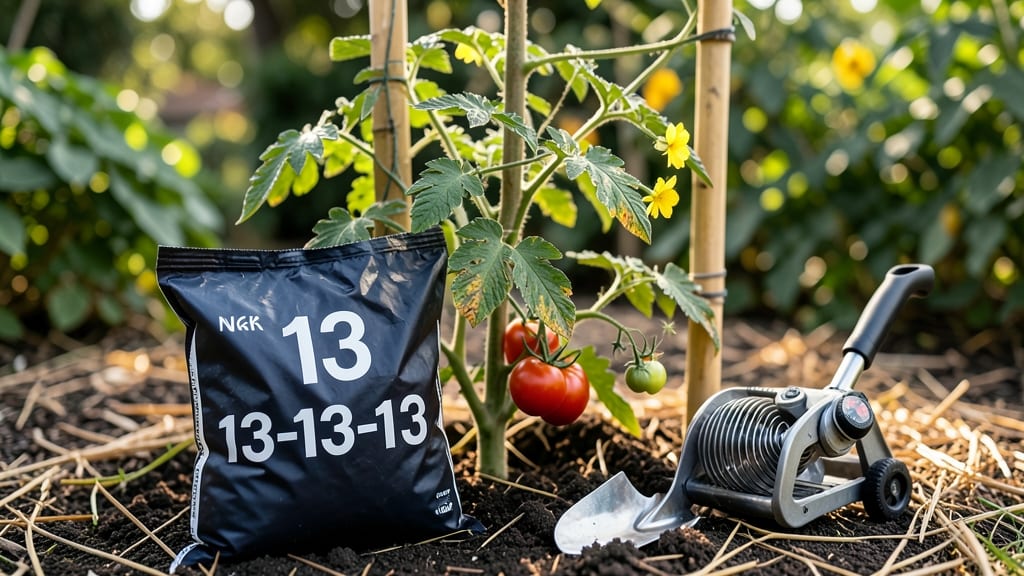
To feed your tomato plants with 13-13-13 fertilizer the right way, you’ll want about 1 tablespoon per plant during active growth—too much can burn roots, while too little stunts those 🍅 yields you’re dreaming of.
Picture this: You’ve just planted your seedlings in Zone 6a, and now you’re staring at a bag of 13-13-13, wondering if a teaspoon or a handful is the move. The truth? Overdoing it can turn your lush greenery into crispy leaves faster than you can say "blossom end rot."
Here’s the game-changer: timing matters just as much as the amount. I’ll break down exactly when to feed—whether your tomatoes are sprouting, flowering, or bursting with fruit—so you avoid common mistakes and keep your plants thriving.
By the end, you’ll know not just how much to use, but when and how to apply it for maximum yields without stressing your plants. Let’s get those tomatoes growing like they’re in a greenhouse!


13-13-13 Fertilizer dosage for tomato plants by growth stage
Tomatoes are heavy feeders, but applying 13-13-13 fertilizer incorrectly can stunt growth or burn roots. The key is adjusting your dosage based on your plant’s growth stage.
Seedlings need gentle nutrition, while flowering and fruiting plants demand more. I’ll break down the exact grams per plant and dilution ratios to keep your tomatoes thriving without stress.
First, understand that 13-13-13 provides equal parts nitrogen (N), phosphorus (P), and potassium (K). While balanced, tomatoes need more potassium during fruiting to prevent blossom-end rot. The trick is timing—too much early on promotes leafy growth at the expense of fruit, while too little later stalls production.
Let’s dive into the stage-specific schedule that works for both containers and in-ground plants.
Pro Tip: Always water your plants deeply before and after applying fertilizer to prevent root burn. For granular fertilizer, spread it evenly around the drip line (not touching the stem) and lightly scratch it into the top inch of soil. Liquid fertilizers should be mixed with water and applied to the soil, not the leaves.
For container-grown tomatoes, reduce granular doses by 30% since roots have less soil volume. For example, a 5-gallon pot would use 1 gram (¼ tsp) of 13-13-13 during the flowering stage instead of 1.5 grams. Always check your soil’s moisture level—fertilizer burns are more likely in dry soil.
If you’re using 13-13-13 in a slow-release granular form, apply 1 tablespoon per square foot at planting and again mid-season. This method eliminates the need for frequent liquid feeds but requires well-draining soil to prevent salt buildup.
For organic gardeners, consider blending granules with compost to buffer the nutrient release.
Watch for leaf yellowing or crisp edges—signs of over-fertilization. If this happens, flush the soil by watering heavily for 15-20 minutes to leach excess salts. Under-fertilized plants will show stunted growth or small leaves, which means it’s time to increase your doses slightly.
Adjust based on your plant’s response every 2-3 weeks.
For determinate varieties (bush tomatoes), reduce late-season doses by 50% once fruit sets to prevent excessive leaf growth. Indeterminate varieties (vining tomatoes) benefit from consistent feeding throughout the season to support continuous fruiting. Always pair fertilization with regular pruning to improve air circulation and nutrient uptake.
Remember, tomatoes love potassium during fruiting, but too much can cause calcium deficiencies. To balance, add crushed eggshells or lime to your soil every 3 months. This simple trick prevents blossom-end rot while keeping your 13-13-13 schedule effective. Happy growing!
Signs of over-fertilization vs. under-fertilization in tomatoes (with fixes)
Your tomato plants might be sending SOS signals through their leaves—yellowing, curling, or even developing blossom-end rot. These are classic signs of nutrient imbalance, whether from too much or too little 13-13-13 fertilizer.
The key is learning to read your plants like a pro to intervene before it’s too late.
Over-fertilizing is easier to spot than you think. Dark green, leathery leaves with crispy brown edges are red flags. You might also notice excessive foliage growth at the expense of fruit production.
Worse yet, salt buildup in the soil can occur, making it harder for roots to absorb water. These symptoms often appear within 1-2 weeks of overdoing it.
- Balanced NPK 13-13-13 supports root, flower, and fruit growth
- Prevents blossom-end rot by avoiding calcium imbalance
- Encourages healthy foliage without burning roots
- Works for container and in-ground tomatoes alike
- Over: Root burn, salt buildup, leaf scorch
- Under: Stunted growth, yellow leaves, poor fruiting
- Both: Wasted fertilizer, stressed plants, reduced yields
Under-fertilizing shows up as pale yellow leaves, especially on older foliage. Your plants might look wilting or leggy, with small leaves and few flowers. If you’re seeing blossom-end rot (black, sunken spots on fruit), it could also signal a calcium deficiency linked to nutrient stress.
The good news? Fixing these issues is straightforward once you know the cause.
To flush excess 13-13-13 fertilizer, water your tomato plants deeply with 5 gallons of water per plant over 2-3 days. This helps leach out salt buildup while preventing root shock.
For under-fertilized plants, apply ½ teaspoon of 13-13-13 per plant (or 1 tablespoon per 10 sq ft) and work it into the top 2 inches of soil. Avoid fertilizing within 2 weeks of transplanting or during extreme heat.
Adjust your fertilizer schedule based on growth stages. Seedlings need minimal feeding, while flowering and fruiting plants benefit from light applications every 4-6 weeks. Always water before fertilizing to prevent root burn.
If you’re unsure, test your soil’s pH (6.0-6.8 ideal) and nutrient levels with a kit—it’s the best way to tailor your approach.
Remember, tomatoes thrive on consistency. Stick to the recommended dosage and monitor your plants weekly. Healthy green leaves, strong stems, and abundant fruit are your rewards for getting the balance right! 🌱