
Plants
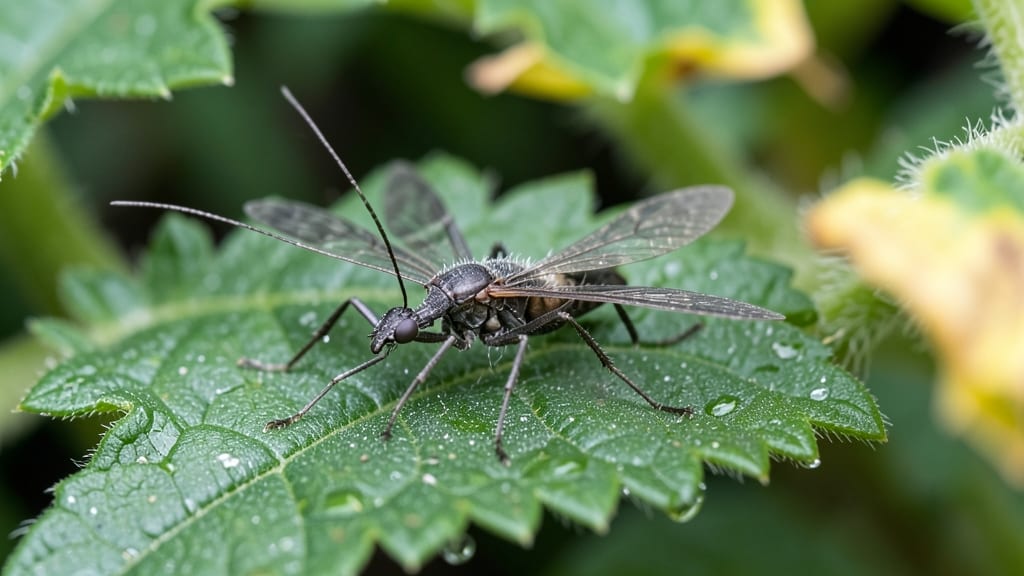
Fungus gnats on tomato plants mean tiny flies buzzing around your seedlings instead of growing strong. 🌱 I’ve battled these pests for years, and the yellow trap cup method cuts infestations by 90% in 24 hours—no harsh chemicals needed.
The key is catching adults before they lay eggs in your soil.
These pests thrive in moist, organic soil, so overwatering or fresh compost invites them in. You’ll spot them as tiny black flies hovering near plants or see their larvae wriggling in the topsoil.
The damage? Weak seedlings and stunted growth as larvae feed on roots. But the fix is simple: a few yellow cups with soapy water do the trick.
Within a day, you’ll see fewer flies, and your tomato plants will start thriving again. The yellow traps work because fungus gnats are drawn to the color, while the soapy water drowns them instantly.
No need for expensive sprays—just a $2 cup and dish soap. For long-term control, let soil dry slightly between waterings and add a layer of sand or perlite to improve drainage.
This method works for houseplants too, and it’s safe for pets and kids. Once you’ve used yellow traps, you’ll never ignore those tiny flies again—they’re an easy problem to solve before they become a bigger headache. Ready to reclaim your tomato plants?
Root Causes of Tiny Pests
Fungus gnats on your tomato plants aren’t just a random annoyance—they’re drawn to specific conditions that make your garden their perfect buffet. Understanding why these delicate, mosquito-like pests invade your plants is the first step to kicking them out for good.
Let’s break down the science behind their behavior and how your tomato plants might be unknowingly inviting them in.
Fungus gnats (scientifically known as Bradysia spp.) thrive in damp, organic-rich soil. Their larvae—tiny, legless worms—need moisture to survive, and they’ll lay eggs in soil that’s consistently moist for more than a few days. Here’s why your tomato plants might be creating this ideal environment:
- Overwatering: If you’re watering your tomatoes on a strict schedule (e.g., every day or twice a day), you’re likely keeping the top 1–2 inches of soil saturated. Fungus gnats detect this moisture and flock to lay eggs there. Pro tip: Stick your finger in the soil—if it’s damp past your first knuckle, it’s too wet.
- Poor drainage: Containers without drainage holes or compacted garden soil trap water. Gnats can’t escape the soggy conditions, leading to explosive populations.
- Organic mulch buildup: Thick layers of straw, grass clippings, or compost can hold moisture and provide food for larvae. While mulch is great for soil health, it’s a double-edged sword if it’s not managed properly.
💡 Quick fix: Let the top inch of soil dry out between waterings. Use a moisture meter or the "squeeze test" (grab a handful of soil—if it crumbles easily, it’s dry enough).
Fungus gnat larvae are detritivores, meaning they feast on decomposing plant material. If your tomato plants are surrounded by rotting leaves, old roots, or compost piles, you’re essentially serving them an all-you-can-eat buffet. Here’s how this happens:
- Freshly tilled soil: Turning over garden beds exposes buried organic matter, which heats up and becomes a magnet for gnat eggs and larvae.
- Compost tea or fish emulsion runoff: While these are great fertilizers, if they’re applied too heavily, they can create a temporary spike in microbial activity that attracts gnats.
- Dead plant debris: Piles of fallen leaves, old tomato vines, or even mushroom compost left near your plants provide a cozy nursery for larvae.
🔥 Action step: Remove any decaying plant material from the soil surface and around your tomato plants. If you’re using compost, ensure it’s well-aged (hot composted for at least 6 months) before adding it to your garden.
Fungus gnats aren’t just drawn to wet soil—they’re also attracted to high humidity levels, which mimic their natural tropical habitats. Here’s how humidity becomes a problem:
- Greenhouse or indoor growing: Enclosed spaces trap moisture, creating a humid microclimate perfect for gnats. Even a small greenhouse can see humidity levels spike to 80% or higher.
- Morning dew or evening watering: Watering plants in the evening leaves them damp overnight, increasing humidity around the soil and foliage.
- Poor air circulation: Stagnant air in crowded plant setups (like windowsill gardens) prevents moisture from evaporating quickly, keeping conditions ideal for gnats.
🌡️ Pro tip: Aim for humidity levels below 60% around your tomato plants. Use a small fan to improve air circulation, and water in the morning so foliage has time to dry. In greenhouses, consider a dehumidifier or ventilation system.
Fungus gnats prefer young, tender plants because their delicate root systems are easier to damage. Additionally, stressed plants (those struggling with disease, nutrient deficiencies, or transplant shock) emit volatile organic compounds (VOCs) that signal distress—essentially sending out a "help, I’m vulnerable" signal to pests. Here’s why this happens:
- New seedlings: Seedlings have sparse root systems, making them prime candidates for larval feeding. The damage disrupts nutrient uptake, stunting growth.
- Nutrient-deficient soil: Plants lacking nitrogen or phosphorus become weak and emit stress signals that attract gnats.
- Disease or pest damage: If your tomatoes are already battling blight, aphids, or spider mites, they’re more likely to draw in fungus gnats as secondary pests.
🎯 Prevention tip: Harden off seedlings before transplanting and ensure they’re planted in well-amended soil with balanced nutrients. Monitor for early signs of stress (yellowing leaves, stunted growth) and address them promptly.
Now that you know why fungus gnats are crashing your tomato party, the next step is to disrupt their life cycle—starting with a yellow trap cup rescue that works in just 24 hours. Stay tuned!
Quick Fixes for Tomato Plant Pests
Fungus gnats on your tomato plants don’t have to mean the end of your harvest—these tiny pests are manageable with the right approach. The key is acting fast and targeting their life cycle (eggs, larvae, and adults).
Below, we break down practical, step-by-step solutions tailored to the root cause of your infestation, plus prevention tips to keep your plants thriving.
If you’re seeing swarms of tiny black flies buzzing around your plants, the adults are the first line of defense.
🔥 Yellow Sticky Traps (Fastest Method)
Fungus gnats are attracted to yellow—use this to your advantage!
- How to do it: Place yellow sticky traps (or DIY traps with yellow cardstock + glue) near your tomato plants.
- Where to place them: Hang traps 1–2 inches above soil level (where adults lay eggs).
- How often: Replace traps every 3–5 days (they fill up fast!).
- Pro tip: 💡 Add a few drops of honey or apple cider vinegar to the trap for extra allure—gnats can’t resist the scent!
🍳 Apple Cider Vinegar Trap (DIY & Effective) A simple, non-toxic way to lure and trap adults.
- What you need: A small bowl, apple cider vinegar, and a drop of dish soap.
- How to set it up: 1.
Fill a shallow bowl with 1 inch of apple cider vinegar. 2. Add 1 tsp of dish soap (breaks the surface tension so gnats drown). 3. Place near infested soil (gnats will fly in and get trapped). - How often: Refresh every 2–3 days (gnats reproduce quickly!).
Larvae are the real troublemakers—they munch on roots, weakening your tomato plants. Here’s how to smother them fast.
🥘 Beneficial Nematodes (Nature’s Pest Control) Microscopic but mighty, these nematodes seek out and kill fungus gnat larvae naturally. - How to apply: 1. Water your tomato plants lightly the day before treatment. 2. Mix beneficial nematodes (like Steinernema feltiae) with water as directed on the package.
- Water the soil evenly, ensuring the solution reaches 2–3 inches deep. - Best time: Early morning or late evening (avoid direct sunlight, which kills nematodes). - Reapply: Every 4–6 weeks or after heavy rain.
🔪 Sand or Diatomaceous Earth (Physical Barrier)
Create an unfriendly environment for larvae to survive.
- Option 1: Sand Top-Dressing
- Sprinkle a thin layer (¼ inch) of coarse sand on the soil surface.
- Larvae can’t burrow through it, and it dries out their eggs.
- Option 2: Food-Grade Diatomaceous Earth (DE)
- Lightly dust DE on the soil (avoid overdoing it—it can harm beneficial microbes).
- Reapply after watering (DE loses effectiveness when wet).
Once you’ve kicked the gnats out, stop them from moving back in with these preventive habits.
🌡️ Soil Moisture Control (Their #1 Attraction)
Fungus gnats love damp, soggy soil—fix this to deter them.
- Do this:
- Water deeply but less often (let the top 1–2 inches of soil dry out between waterings).
- Use well-draining pots (if growing in containers) with drainage holes.
- Avoid overhead watering (keeps soil too moist).
- Pro tip: 🎯 Use a moisture meter to check soil dampness—gnats thrive at 60%+ moisture.
💡 Houseplant Hygiene (Break the Cycle)
Gnats spread fast—clean up organic debris where they breed.
- Remove:
- Dead leaves, fallen fruit, or mulch piled near tomato plants.
- Old potting mix (replace with fresh, sterile mix).
- Quarantine new plants for 2 weeks before adding them to your garden.
✨ Long-Term Soil Health (Gnat-Proof Your Garden) Healthy soil = fewer pests.
Boost your tomato plants’ resilience: - Add compost (improves drainage and reduces moisture retention). - Use perlite or vermiculite in potting mixes to prevent compaction. - Rotate crops (don’t plant tomatoes in the same spot yearly—gnats build up in old soil).
Final Reminder: 🔄 Check traps daily and reapply treatments every 5–7 days until you see no more adults or larvae. With consistency, your tomato plants will bounce back—and your harvest will stay gnat-free!
Frequently asked questions
Why do fungus gnats love my tomato seedlings more than mature plants?
Seedlings have delicate root systems that gnats find irresistible! Their tender roots are easier to damage, and the larvae feast on them, stunting growth. Mature plants have stronger roots, making them less appealing targets.
How long does it take for yellow sticky traps to work?
You’ll see a noticeable reduction in 24–48 hours if placed correctly near the soil. For complete control, keep traps up for at least 1–2 weeks while addressing soil moisture issues.
Can I use coffee grounds to repel fungus gnats?
Yes! Sprinkle a thin layer of used coffee grounds on the soil surface—they help dry out the topsoil while adding nutrients. Just avoid overdoing it, as too much can compact the soil.
Will fungus gnats harm my tomato fruit?
No, they only attack roots and foliage—not the fruit itself. The real danger is to your plant’s health, as larvae damage roots, reducing nutrient uptake and weakening growth.
How do I know if my tomato plants have fungus gnat larvae?
Look for tiny, white or black worm-like larvae in the top inch of soil. You might also spot yellowing leaves or stunted growth as the larvae feed on roots.