
How To
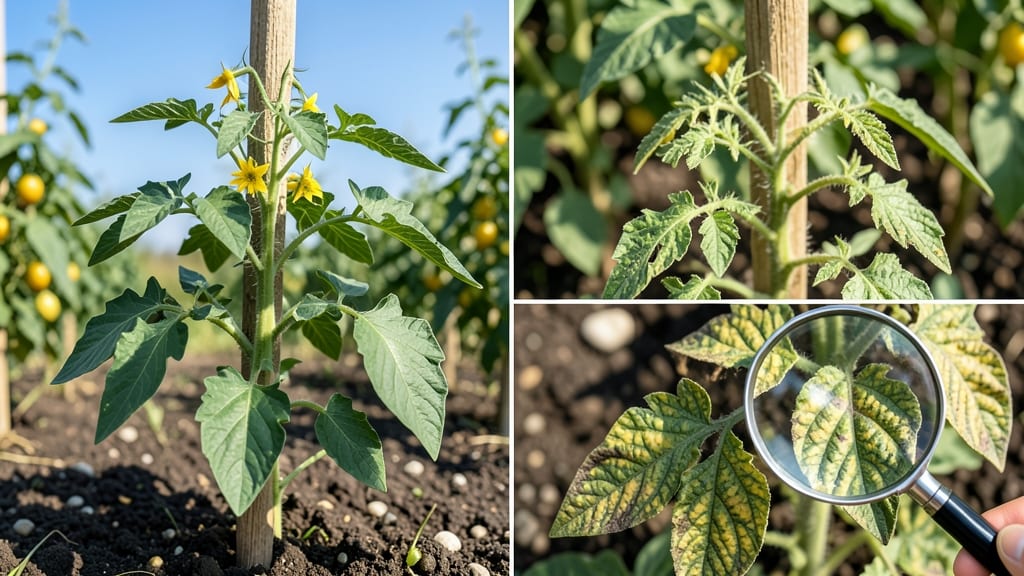
Tomato mosaic virus turns your prized plants into sad, stunted shadows—🌱 but there’s hope. I’ve lost entire tomato harvests to this stubborn virus, and what I learned could save yours. The key? Prevention that works fast, before the damage spreads.
This virus spreads through aphids, contaminated tools, or even your own hands. You’ll spot it in those telltale mosaic patterns on leaves or stunted growth that no fertilizer fixes.
The bad news? No cure exists once it’s in your plants. The good news? Smart prevention keeps it out of your garden entirely.
Start by removing infected plants immediately—no composting—then disinfect every tool with rubbing alcohol. Plant resistant varieties like ‘Defiant PhR’ or ‘Mountain Merit,’ and keep aphids in check with neem oil or companion plants like marigolds. Crop rotation disrupts the virus’s life cycle, too.
With these steps, you’ll break the cycle in one season, not three. Your next tomato harvest could be the healthiest yet—if you act now. Let’s get your garden back on track.
How Viruses Spread in Gardens
Tomato mosaic virus (TMV) doesn’t just appear out of thin air—it thrives on specific conditions and behaviors in your garden. Understanding why it spreads is the first step to stopping it. Let’s break down the key culprits and how they turn your thriving plants into a viral hotspot.
Not all pests are equal when it comes to TMV. Aphids (those tiny green or black bugs) are the most notorious spreaders. Here’s how it works:
- Piercing mouthparts: Aphids feed by inserting their needle-like proboscis into plant cells. If they’ve previously fed on an infected plant, they can transfer the virus while feeding on healthy ones.
- Rapid movement: These insects move quickly between plants, turning a single infected tomato into a contagion in days. A single aphid can spread TMV to hundreds of plants in a season.
- Other culprits: While aphids are the top offenders, thrips, whiteflies, and even some beetles can mechanically transmit the virus if they brush against infected sap and then healthy plants.
Actionable fix: Monitor your garden for these pests early. Use sticky traps or introduce ladybugs (natural predators) to keep populations in check. If an infestation hits, isolate infected plants immediately to prevent cross-contamination.
Viruses are not alive, but they’re incredibly persistent. TMV can survive on tools, gloves, and even your skin for weeks—especially in moist conditions. Here’s how it happens:
- Pruning shears and knives: If you trim an infected plant and then use the same tool on a healthy one, the virus hitches a ride via sap. Even a tiny smear is enough to infect.
- Gloves and clothing: Sap from infected leaves can cling to fabric or skin. Touching a healthy plant after handling an infected one? Game over.
- Compost and soil: Infected plant debris left in compost or garden beds can release the virus into the soil, where it may infect new plants through root contact or splashing water.
Actionable fix:
- ✅ Sanitize tools between uses with a 10% bleach solution or rubbing alcohol.
- ✅ Wash hands with soap after handling infected plants.
- ✅ Disinfect surfaces like greenhouse benches or trellises with a vinegar-water mix (1:3 ratio).
- ✅ Avoid composting infected plant material—bag and trash it instead.
TMV doesn’t spread randomly—it loves environments where plants are weak and stressed. These conditions create the perfect storm:
- High humidity: Moisture helps the virus move more easily between plants, especially if aphids are present. Damp leaves = virus highway.
- Overcrowded plants: Poor airflow and tight spacing make it easier for insects to hop from plant to plant. Less space = more virus spread.
- Nutrient-deficient soil: Plants under stress (from poor soil, drought, or disease) have weaker immune responses, making them easier targets for infection.
- Extreme temperatures: While TMV survives well in cool weather, hot, dry conditions can weaken plants, making them more susceptible to infection when aphids arrive.
Actionable fix:
- 💡 Space plants properly (follow seed packet guidelines) for better airflow.
- 💡 Water at the base (not overhead) to reduce humidity on leaves.
- 💡 Use mulch to retain moisture and regulate soil temperature.
- 💡 Rotate crops annually to avoid building up virus reservoirs in the soil.
You’d think buying certified disease-free plants would solve the problem—but TMV can hide in seeds and seedlings. Here’s how:
- Infected seeds: Some plant varieties (like tobacco, peppers, and tomatoes) can carry TMV internally in their seeds. Even if the parent plant looks healthy, the virus may lurk inside.
- Contaminated growing mediums: Potting soil or seed-starting mixes can harbor the virus if they were made from infected plant material.
- Nursery infections: Greenhouses or nurseries with poor hygiene practices may unknowingly sell infected seedlings. Symptoms often appear only after planting.
Actionable fix:
- 🔍 Buy from reputable suppliers who test for viruses.
- 🔍 Avoid seed-saving from infected plants—start fresh with disease-free seeds.
- 🔍 Inspect seedlings for early signs (mosaic patterns, stunted growth) before transplanting.
Bottom line: TMV spreads through a mix of insect activity, human error, and environmental stress. But the good news? You can break every chain of transmission with the right habits. Stay vigilant, and your garden will stay healthy!
Quick Fixes for Wilted Tomato Plants
Tomato mosaic virus (TMV) can turn your thriving tomato plants into a sad, stunted mess—but don’t toss the trowel just yet! The good news? You can slow its spread, strengthen your plants, and even salvage some harvests with targeted, organic solutions.
Below, we break down the root causes of TMV outbreaks and pair them with practical fixes to restore your garden’s health.
Cause: TMV spreads through contact with infected plants, tools, or even your hands. Once a plant shows symptoms (mosaic patterns, stunted growth, or curled leaves), it’s already a virus hotspot.
Fix:
- 🔥 Pull and destroy infected plants immediately—don’t compost them! Burn, bag, or toss them in the trash (not green waste bins, where spores can survive).
- 👨🍳 Sanitize tools after pruning healthy plants. Wipe blades with 70% rubbing alcohol or a 10% bleach solution (1 part bleach to 9 parts water).
- 🚫 Avoid touching plants after handling infected ones—wash hands with soapy water before moving to healthy areas.
💡 Pro Tip: If you’re unsure whether a plant is infected, quarantine suspicious plants for 2–3 weeks before deciding. TMV symptoms worsen over time!
Cause: Weak or stressed tomatoes are TMV magnets. Poor soil, overcrowding, or nutrient deficiencies leave plants vulnerable to viruses.
Fix:
- 🌡️ Boost soil health with compost or worm castings (rich in beneficial microbes). TMV thrives in compromised soil—healthy roots = stronger defenses.
- 📊 Feed with organic nutrients like fish emulsion (5-5-5) or kelp meal for immune support. Avoid synthetic fertilizers, which can stress plants.
- 🌿 Space plants properly—crowded tomatoes spread disease faster. Aim for 18–24 inches apart with good airflow.
- 💧 Water at the base (not overhead) to prevent splashing viruses from soil to leaves.
✨ Prevention Power Move: Mulch with straw or grass clippings to block virus-laden soil splatter and retain moisture.
Cause: TMV survives in soil, old plant debris, and even on garden tools. It can linger for years, reinfecting new plants.
Fix:
- 🔪 Rotate crops—never plant tomatoes, peppers, or eggplants (all Solanaceae family) in the same spot for 3–4 years. TMV loves repeat offenders!
- 🌡️ Solarize infected beds (if possible): Cover soil with clear plastic for 4–6 weeks in hot sun to kill viruses and pests.
- 🍅 Grow resistant varieties next season. Look for ‘Defiant PhR’ or ‘Mountain Merit’—they’re bred to tolerate TMV better.
💡 Pro Tip: Avoid tobacco products (chewing tobacco, cigarettes) near your garden—TMV can hitchhike on human saliva!
Cause: TMV spreads via contaminated seeds, infected seedlings, or even wildlife (like deer or rabbits).
Fix:
- 🌱 Start with certified disease-free seeds or seedlings from reputable nurseries.
- 🦋 Protect plants from pests (aphids and flea beetles spread TMV). Use neem oil spray or row covers early in the season.
- 🚫 Keep weeds under control—they can harbor viruses. Pull them regularly before they seed.
- 🧼 Disinfect everything—tools, gloves, containers, and even your shoes (yes, really!) between garden sessions.
🎯 Ultimate Prevention Hack: Interplant with marigolds or basil—they repel pests and improve air circulation, reducing TMV risk.
Cause: Even with TMV, some fruits may still be safe to eat (the virus doesn’t make them toxic, just ugly).
Fix:
- 🍅 Harvest green tomatoes early—they’re less likely to be severely infected. Let them ripen indoors.
- 🥘 Cook infected tomatoes—heat can deactivate the virus (though it won’t make them taste better).
- 🚫 Don’t save seeds from TMV-affected plants—the virus can be seed-borne.
💡 Last Resort: If your entire crop is lost, focus on prevention next year—your garden’s future depends on it!
Remember: TMV is manageable, not a death sentence. With vigilance, organic fixes, and smart gardening, you can minimize losses and keep your tomatoes thriving—virus-free! 🚜🌿
Frequently asked questions
Can tomato mosaic virus infect other plants besides tomatoes?
Yes! While it’s named for tomatoes, this virus attacks many plants in the Solanaceae family, including peppers, eggplants, and potatoes. It can also infect tobacco, spinach, and even some weeds like nightshade. The key is to avoid planting these vulnerable crops in infected soil or near contaminated tools.
How do I know if my tomato plants have mosaic virus vs. nutrient deficiency?
Look for these clues: TMV causes yellow-green mosaic patterns on leaves (like a paint splatter), while deficiencies show uniform yellowing (chlorosis) starting between veins. TMV also causes stunted growth and puckered leaves—nutrients won’t fix these symptoms. Test your soil if unsure!
Will my tomatoes still be safe to eat if infected?
The virus itself doesn’t make tomatoes toxic, but infected fruits may be smaller, misshapen, or bitter. Harvest green tomatoes early and ripen indoors. Cooking can deactivate the virus, but flavor may suffer. Never save seeds from infected plants—the virus can hide inside them!
Can I save my garden if I already have infected plants?
Yes, but act fast! Remove infected plants immediately (don’t compost), sanitize tools with rubbing alcohol, and isolate healthy plants. Strengthen remaining tomatoes with compost tea and neem oil sprays to boost their defenses. Next season, plant resistant varieties like ‘Defiant PhR’ in clean soil.
Why does this virus keep coming back every year?
TMV can survive in soil for years and hitchhike on tools, seeds, or even your shoes! Break the cycle by rotating crops (avoid Solanaceae family for 3+ years), solarizing infected beds (cover with plastic for 6 weeks), and using disease-free seeds from reputable suppliers.