
Vegetables
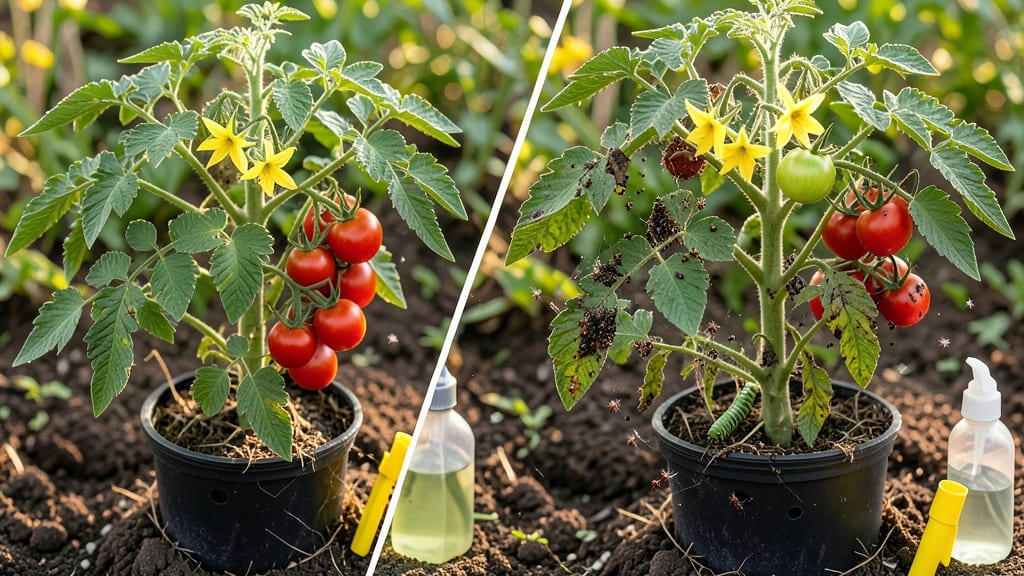
Spotting tomato pests early saves your harvest—and I’ve seen firsthand how fast tiny holes or sticky leaves turn into a full-blown crisis. 🌱 This guide pairs high-quality images of common pests (aphids, hornworms, whiteflies) with clear damage signs so you can act before they ruin your plants.
No guesswork, just fast identification and solutions that work.
The damage tells the story: chewed leaves, wilting vines, or strange webbing—each pest leaves a signature. I’ll show you exactly what to look for, plus organic fixes like neem oil or handpicking that stop infestations without chemicals.
My biggest mistake? Waiting until the damage was obvious. You won’t make that mistake.
By the end, you’ll recognize pests in seconds and know the fastest way to stop them—whether it’s a spray, trap, or simple garden tweak. Your tomatoes will stay lush, productive, and free of the most common invaders. Let’s get those plants protected before the pests get a foothold.
Works for backyard gardens, containers, or even balcony setups—no matter your space, these pests won’t stand a chance. Here’s how to keep your harvest safe and thriving all season long.
Root Causes of Tomato Pests
Tomatoes are a gardener’s dream—until tiny invaders turn your lush plants into a buffet. Understanding why these pests show up is half the battle. Below, we break down the science behind their behavior, from environmental triggers to plant vulnerabilities, so you can outsmart them before they strike.
Pests thrive when conditions align with their survival needs. Here’s how weather plays a role:
- Warm, Humid Air: Many tomato pests, like hornworms and aphids, multiply rapidly in temperatures between 70–85°F (21–29°C). High humidity creates the perfect breeding ground, especially for fungal-loving insects like whiteflies.
- Drought Stress: When tomatoes don’t get enough water, their leaves become less tough, making them easier targets for spider mites and thrips. Weakened plants also attract fruitworms, which burrow into stressed fruit.
- Rain & Overhead Watering: Excess moisture on leaves encourages blossom-end rot (not a pest, but it weakens plants) and spreads fungal diseases that attract slugs and cutworms. Fungal gnats also thrive in soggy soil.
💡 Pro Tip: Use drip irrigation or soaker hoses to keep foliage dry and monitor soil moisture with a moisture meter to avoid drought stress.
A tomato plant’s natural defenses—like thick leaves, strong stems, and bitter-tasting foliage—can weaken when neglected. Here’s how pests exploit vulnerabilities:
| Weakness | Pests That Exploit It | Why It Happens |
|---|---|---|
| Overcrowded Plants | Whiteflies, aphids, fungal gnats | Poor air circulation traps moisture, creating ideal conditions for pests and diseases. |
| Nutrient Deficiencies (e.g., nitrogen, potassium) | Hornworms, cutworms, Colorado potato beetles | Malnourished plants produce softer, more palatable leaves and fruit. |
| Late Blight or Early Blight Fungus | Slugs, snails, earwigs | Decaying tissue attracts scavengers that feed on infected plant matter. |
| Damaged or Wilted Leaves | Spider mites, thrips, leafminers | Broken cell walls make plants easier to penetrate and digest. |
🔥 Action Step: Prune plants regularly to improve airflow, and fertilize with a balanced 10-10-10 or 5-10-10 formula to boost resilience.
Many tomato pests don’t just appear—they’re drawn by cues from other plants, wind, or even human activity. Here’s how their life cycles sync with your garden:
- Seasonal Migration:
- Colorado potato beetles and Mexican bean beetles emerge in spring when soil warms to 50°F (10°C) and fly to tomato plants.
- Whiteflies and aphids hitchhike on wind currents or garden tools from nearby weeds or infested crops.
- Host Plant Attraction:
- Tomatoes release volatile organic compounds (VOCs) when stressed, signaling pests like hornworms to lay eggs nearby.
- Fruitworms are drawn to the sweet, ripening scent of tomatoes—especially when overripe or damaged.
- Overwintering Survivors:
- Cutworms and slugs hide in garden debris or soil over winter and re-emerge when new tomato shoots sprout in spring.
- Eggs of tomato hornworms may linger on plant stems or nearby weeds until warm weather triggers hatching.
🌡️ Climate Hack: Plant basil, marigolds, or nasturtiums alongside tomatoes to repel pests naturally—these “trap crops” distract insects with their stronger scents.
Sometimes, the biggest pest attractant is us. Unintentional gardening habits can invite trouble:
- Compost & Mulch:
- Fresh compost or wood chips can harbor slug eggs, cutworm larvae, or fungal gnat pupae. Always age compost for 6+ months before using.
- Thick mulch layers trap moisture, encouraging root rot and attracting pill bugs (which eat decaying matter).
- Pruning & Harvesting:
- Leaving pruned leaves on the ground provides shelter for earwigs and slugs. Always remove debris from the garden.
- Harvesting tomatoes too late (letting them rot on the vine) attracts fruit flies and raccoons.
- Neighboring Crops:
- Planting potatoes, eggplants, or peppers nearby can introduce Colorado potato beetles or hornworms that jump to tomatoes.
- Weeds like nightshade or purslane act as pest reservoirs—remove them before they seed.
✨ Prevention Tip: Rotate crops yearly and avoid planting tomatoes in the same spot for 3+ years to disrupt pest life cycles.
Quick Fixes for Common Tomato Pests
Got a garden full of tomatoes under siege? Don’t panic! 🚨 With the right approach, you can outsmart those pesky invaders and keep your plants thriving. Below, we’ve mapped out practical, step-by-step solutions for the most common tomato pests—plus prevention tips to keep them away for good.
🔥 Cause: These green, striped caterpillars can devour entire leaves overnight. 🛡️ Fix:
- 👨🍳 Handpick them (yes, really!) and drop them in soapy water. Check plants daily at dawn—they’re most visible then.
- 🍳 Introduce predators: Ladybugs, parasitic wasps, and praying mantises love hornworms. Plant dill, fennel, or marigolds nearby to attract them.
- 🥘 Use neem oil as a natural repellent (spray at dusk to avoid harming bees).
💡 Prevention Tip: Rotate crops yearly and remove old plant debris—hornworms overwinter in soil.
🔥 Cause: These tiny green/black bugs cluster on new growth, leaving behind sticky honeydew (which attracts mold). 🛡️ Fix:
- 🔪 Blast them off with a strong stream of water (early morning works best).
- 🌡️ Soap spray solution: Mix 1 tsp mild dish soap + 1 quart water in a spray bottle. Test on a few leaves first—some plants are sensitive!
- 🎯 Release ladybugs (they’re aphid eating machines).
💡 Prevention Tip: Plant garlic, chives, or basil nearby—aphids hate the scent!
🔥 Cause: These white, moth-like pests swarm undersides of leaves, weakening plants with their sap-sucking. 🛡️ Fix:
- ⏰ Yellow sticky traps: Hang them near plants to catch adults before they lay eggs.
- 🥘 Neem oil or insecticidal soap (spray directly on leaf undersides where they hide).
- 🌡️ Encourage parasitic wasps (they lay eggs inside whitefly larvae—nature’s pest control!).
💡 Prevention Tip: Keep gardens weed-free—whiteflies love dandelions and other weeds.
🔥 Cause: These striped beetles and their yellow larvae skeletonize leaves in days. 🛡️ Fix:
- 🔪 Handpick adults & larvae (drop them in soapy water—they’re highly resistant to sprays!).
- 🥘 Diatomaceous earth (food-grade): Sprinkle lightly on soil—it dehydrates them.
- 🌡️ Row covers: Use floating fabric early in the season to block adults from laying eggs.
💡 Prevention Tip: Rotate crops—these beetles love nightshades (tomatoes, potatoes, peppers).
🔥 Cause: Early blight, late blight, or powdery mildew turn leaves brown, mushy, or white—often from overwatering or humidity. 🛡️ Fix:
- 🌡️ Improve airflow: Prune crowded branches and space plants 18-24 inches apart.
- 🥘 Copper fungicide spray (follow label instructions—early treatment is key!).
- 💡 Baking soda spray: Mix 1 tsp baking soda + 1 quart water + a drop of soap (spray every 7-10 days).
💡 Prevention Tip: Water at the base (not overhead) and remove infected leaves immediately.
- 🌱 Healthy soil = strong plants → Use compost & balanced fertilizer.
- 🕊️ Encourage beneficial insects → Plant marigolds, nasturtiums, or alyssum.
- 📅 Monitor daily → Check leaf undersides, stems, and soil for early signs.
- 🗑️ Clean up debris → Remove fallen leaves & old plants (pests hide there!).
🎯 Remember: The sooner you act, the easier it is to save your tomato crop! With these simple, chemical-free fixes, you’ll be back to juicy, pest-free tomatoes in no time. 🍅✨
Frequently asked questions
How can I tell if the damage in my tomato plants is from pests or disease?
Pest damage usually has distinct physical signs: chewed holes (like Swiss cheese), skeletonized leaves, or sticky residue (honeydew). Diseases often show as discolored spots, powdery coatings, or wilting without visible holes. Check leaf undersides—pests like aphids and whiteflies hide there, while diseases rarely do. If you see tiny insects or webbing, it's pests.
What's the fastest way to identify tomato pests without a microscope?
Use a magnifying glass or your phone’s camera to zoom in on suspicious spots. Look for:
- Tiny green/black bugs (aphids)
- Green caterpillars with white stripes (hornworms)
- White moths or sticky residue (whiteflies) Compare what you see to our pest image gallery—most pests leave unique damage patterns that are easy to spot with the naked eye once you know what to look for.
Can I use the same spray for all tomato pests?
No—different pests need different approaches. Neem oil works for aphids and whiteflies, but it won’t stop hornworms. For caterpillars, handpicking or Bacillus thuringiensis (Bt) is better. Always check the pest first, then choose your weapon. Mixing sprays can harm beneficial insects or even your plants if overused.
Why do some tomato pests appear suddenly when my plants were fine yesterday?
Pests often arrive in waves due to weather changes or life cycles. For example:
- Hornworms hatch in 48 hours when soil warms
- Whiteflies explode in numbers during heatwaves
- Aphids multiply 20x faster in humid conditions Check your garden’s recent weather—sudden spikes usually follow rain, heat, or wind patterns that bring new pests.
Are there any tomato varieties that naturally resist pests?
Yes! Some varieties have built-in defenses:
- 'Mountain Merit' (resists blight and some insects)
- 'Defiant PhR' (fights hornworms better)
- 'Solar Fire' (tolerates heat and drought stress) Pro tip: Even resistant varieties need monitoring—pests adapt! Combine variety choice with good garden hygiene for the best protection.