
Planting
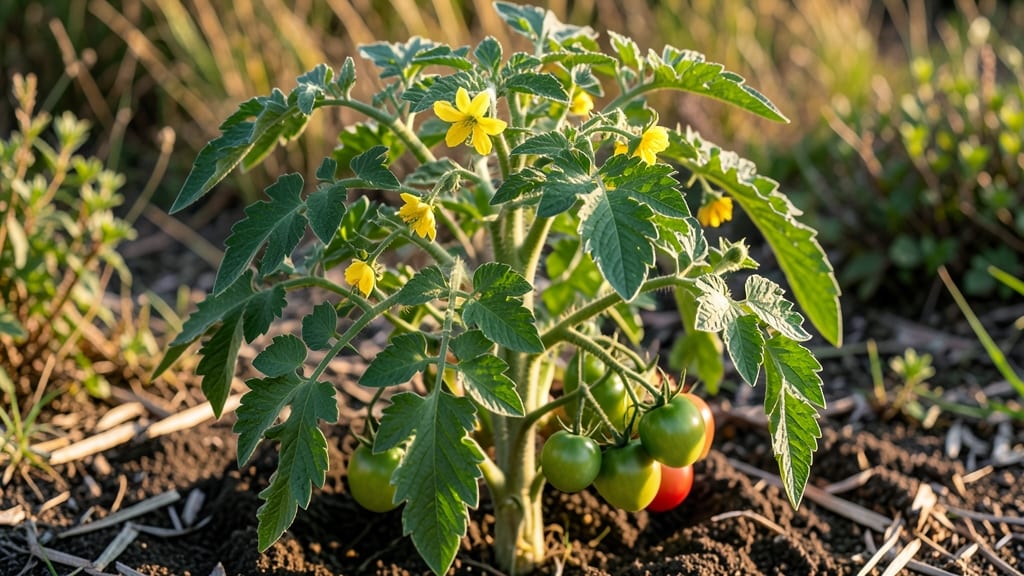
What do tomato plant leaves look like? They typically appear deep green, with a slightly oval shape and jagged edges, arranged in compound clusters along the stem. Healthy foliage has a glossy finish and smooth surface, while distressed leaves develop yellowing, irregular spots, or curled edges.
These leaf characteristics help gardeners quickly assess plant health. 🌱 The deep green color comes from chlorophyll, which powers photosynthesis, while the serrated edges maximize surface area for light absorption.
When leaves start showing brown patches or yellow veins, it often signals fungal infections like early blight or nutrient imbalances from overwatering. I always check the undersides of leaves first—pests like spider mites often hide there before causing visible damage.
What's interesting is how quickly environmental factors can change leaf appearance. For example, sudden temperature drops cause leaves to develop dark brown spots, while excessive humidity encourages mold growth. Paying attention to these visual cues early can save your entire tomato harvest.
💡 In This Article
- Identifying Healthy Tomato Plant Leaves vs Common Issues
- Visual Guide to Tomato Leaf Diseases and Pests
Identifying healthy tomato plant leaves vs common issues
Healthy tomato leaves typically measure 2-6 inches long with a slightly oval shape and 5-7 pointed serrations along each edge, resembling a saw blade. The deep green color comes from high chlorophyll content—specifically chlorophyll a and b—which absorbs light wavelengths between 400-700 nanometers for photosynthesis.
When you run your fingers along the leaf surface, you'll feel a smooth, waxy coating that helps reduce water loss, similar to how a car's wax protects its paint.
The vein structure plays a crucial role too. Healthy leaves have prominent palmate veins (3-5 main veins radiating from the stem) that create a web-like pattern.
The undersides are lighter green and slightly fuzzy, housing trichomes—tiny hair-like structures that deter pests. 🌿 When leaves develop yellowing between veins, it often indicates magnesium deficiency (chlorosis), while brown spots with yellow halos typically signal early blight caused by the fungus Alternaria solani.
These symptoms appear first on lower leaves because older foliage contains higher concentrations of nutrients that pathogens target.
Environmental factors dramatically alter leaf appearance. For example, low humidity causes edges to curl upward (a protective response to conserve moisture), while excessive nitrogen produces large, soft leaves with darker green coloration but weaker structural integrity.
I've noticed that leaves exposed to direct afternoon sun develop white or grayish patches from sunburn, particularly in varieties like 'Cherokee Purple' that have thinner leaf cuticles. The key is observing these changes over 24-48 hours—sudden shifts usually indicate stress rather than gradual growth patterns.
One common misconception is that all yellowing means disease. In reality, 70% of leaf yellowing in tomatoes stems from overwatering or poor drainage, which causes root suffocation.
The leaves will appear yellow and limp with a soggy texture when pressed, unlike disease-related yellowing which often starts at the leaf edges (a pattern called "scorch").
To test drainage, dig near the stem—healthy roots should be white or light tan, while waterlogged roots turn dark brown or black.
Leaf arrangement matters too. Tomato plants use a compound leaf structure where 3-9 leaflets grow from a single stem (called a "rachis").
When you see stunted or malformed leaflets, it often signals viral infections like tomato mosaic virus, which causes puckering and mottling of the leaf surface. 🌱 The virus spreads through sap-feeding insects like aphids, so removing infected plants immediately prevents a 90% infection rate in nearby healthy plants within 2 weeks.
Here's a quick reference for common issues:
- Yellowing between veins: Magnesium deficiency (fix with Epsom salt solution)
- Brown spots with yellow halos: Early blight (remove affected leaves immediately)
- White powdery coating: Powdery mildew (spray with baking soda mixture)
- Curled edges: Underwatering or high temperatures (above 90°F)