
Diseases
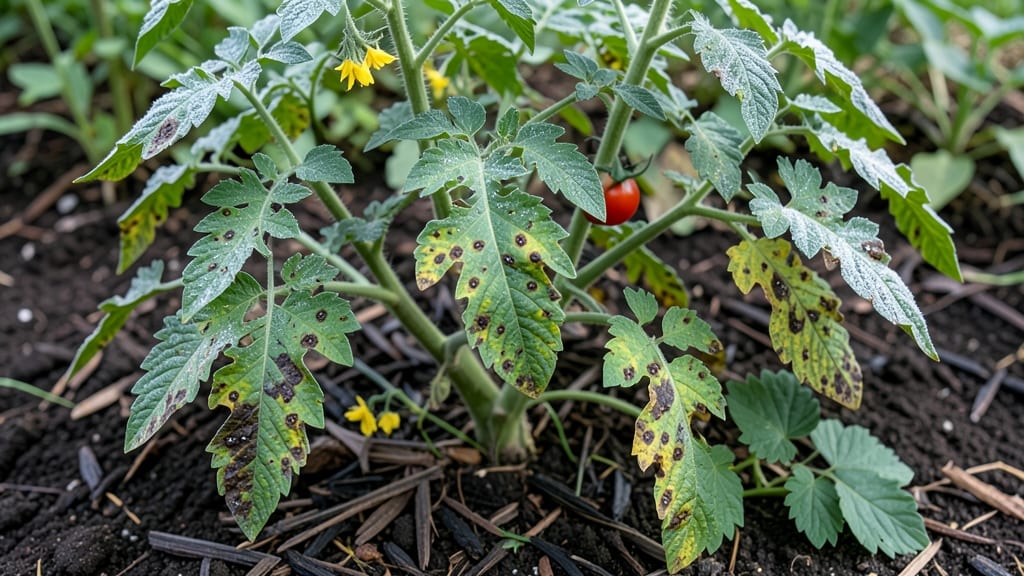
The diseases of tomato plant leaves turning brown and crispy? 🌱 That’s your first warning sign of early blight, and if you ignore it, you’ll lose your entire harvest by midsummer. I’ve watched this disease wipe out gardens—until I learned to spot the concentric rings on leaves and act fast with copper spray and pruning. The real culprit is often wet foliage from overhead watering or crowded plants. Early blight thrives in humidity, while late blight (the infamous Irish potato famine culprit) spreads like wildfire in cool, damp weather. Both start with small spots but escalate quickly if you wait. With the right mix of prevention—like mulching, spacing plants, and removing infected leaves—you can save your tomatoes. I’ve kept my harvests thriving for years using these organic fixes, and you can too. This guide covers the most common diseases, their telltale signs, and step-by-step treatments so you can diagnose and act before it’s too late.
Root Causes Of Leaf Troubles
Tomato leaves don’t just turn sad or spotty for no reason—there’s always a trigger. Understanding why your plants are struggling is the first step to saving your harvest. Below, we break down the most common culprits behind tomato leaf diseases, from sneaky pathogens to environmental missteps.
Fungi, bacteria, and viruses are the top villains behind tomato leaf diseases. Each has its own modus operandi:
- Fungal infections (e.g., early blight, late blight, powdery mildew):
- Spores thrive in moist, warm conditions (60–80°F) and latch onto leaves via water droplets or wind.
- Late blight (Phytophthora infestans) spreads rapidly—even a single infected leaf can ruin a whole plant in days.
- Powdery mildew (Oidium) forms white, powdery patches because it feeds on leaf surfaces, blocking sunlight.
- Bacterial diseases (e.g., bacterial spot, bacterial wilt):
- Bacteria like Xanthomonas or Pseudomonas enter through wounds (pruning cuts, hail) or rain-splashed droplets.
- They clog plant vessels, causing yellowing, wilting, or oily spots with water-soaked edges.
- Viruses (e.g., tomato mosaic virus, tomato yellow leaf curl):
- Spread by aphids, infected tools, or contaminated seeds—they never go away once established.
- Symptoms include mosaic patterns, stunted growth, or curled leaves due to disrupted cell function.
💡 Pro Tip: Rotate crops yearly to starve soil-borne pathogens, and sterilize pruners with 70% rubbing alcohol to avoid spreading bacteria.
Tomatoes are tropical at heart but hate extremes. Poor weather creates the perfect storm for leaf problems:
| Condition | How It Harms Leaves | Diseases It Triggers |
|---|---|---|
| 🌧️ Excessive humidity (80%+) | Traps spores on leaves, preventing drying and promoting fungal growth. | Late blight, early blight, powdery mildew |
| ☀️🔥 High heat + low humidity (90°F+) | Stresses plants, weakening defenses and making them more susceptible to pathogens. | Bacterial spot, leaf scorch |
| 🌬️ Poor air circulation (crowded plants) | Leaves stay wet longer, creating fungal hotspots. | Early blight, powdery mildew |
| ❄️ Cold snaps (below 50°F) | Slows plant metabolism, making it easier for viruses/bacteria to take hold. | Tomato mosaic virus, bacterial wilt |
🌡️ Fix It: Space plants 18–24 inches apart for airflow, water in the morning (not at night), and use row covers in humid climates.
Leaves scream for help when their diet is off. Common imbalances include:
- Nitrogen deficiency:
- Leads to yellowing lower leaves (chlorosis) because nitrogen is vital for chlorophyll.
- Caused by poor soil, overwatering, or leaching in sandy soils.
- Magnesium deficiency:
- Creates interveinal yellowing (veins stay green) because magnesium is key for chlorophyll production.
- Common in acidic or compacted soils.
- Excess salt (from fertilizers or tap water):
- Causes brown, crispy leaf edges (leaf scorch) by disrupting water uptake.
- Test soil before fertilizing—aim for pH 6.0–6.8.
💡 Pro Tip: Use a soil test kit ($20) to check nutrient levels. For quick fixes, side-dress with compost or Epsom salt (magnesium sulfate) for deficiencies.
Sometimes, the problem isn’t biological—it’s you. Common human errors include:
- Overhead watering:
- Splashes dirt onto leaves, introducing fungal/bacterial spores into wounds.
- Use drip irrigation or soaker hoses to keep foliage dry.
- Improper pruning:
- Cutting too close to stems or with unsterilized tools creates entry points for pathogens.
- Always prune above a leaf node and disinfect tools between plants.
- Planting too early:
- Cold soil slows root growth, making plants vulnerable to rot and disease.
- Wait until soil is at least 60°F before transplanting.
✨ Prevention: Mulch with straw to reduce soil splash, and avoid walking on beds to prevent compacting roots.
Quick Fixes for Tomato Leaf Troubles
Tomato leaf diseases can feel like a nightmare, but don’t panic—most issues have simple, effective solutions if you act fast. Below, we’ve mapped out practical fixes for common leaf problems, from fungal infections to pest damage, along with prevention tips to keep your plants thriving.
Think of this as your emergency repair kit for tomato leaves!
Cause: Overwatering, poor air circulation, or contaminated soil. Fix It Fast:
🔥 Remove Infected Leaves Immediately
- Snip off yellowing or spotted leaves with clean scissors (don’t compost them—toss in the trash).
- Focus on lower leaves first, as they’re most vulnerable.
🍳 Spray with Fungicide (Natural or Store-Bought)
- Baking soda spray (1 tsp baking soda + 1 quart water + a drop of dish soap) – spray under leaves every 7–10 days.
- Neem oil (1 tbsp neem oil + 1 quart water + a few drops of soap) – apply at dusk to avoid burning leaves.
- Copper fungicide (follow label instructions) for severe cases like late blight.
🌡️ Adjust Growing Conditions
- Water at the base (avoid wetting leaves) and early in the day so foliage dries quickly.
- Space plants 18–24 inches apart for better airflow.
- Mulch with straw or grass clippings to reduce soil splashing onto leaves.
💡 Prevention Pro Tip: Rotate crops yearly—never plant tomatoes in the same spot two seasons in a row to break fungal cycles.
Cause: Weak plants, crowded gardens, or lack of beneficial insects. Fix It Fast:
👨🍳 Blast Off Pests with Water
- Strong spray from a hose (direct stream on undersides of leaves) dislodges aphids and spider mites.
- Repeat every 2–3 days until pests vanish.
🥘 Introduce Natural Predators
- Ladybugs, lacewings, or parasitic wasps (available at garden centers) eat pests like a buffet.
- Plant companion crops like marigolds, basil, or nasturtiums to repel pests.
🔪 Use Insecticidal Soap or Oil
- Homemade soap spray (2 tbsp castile soap + 1 quart water) – spray directly on pests (avoid flowering tomatoes).
- Horticultural oil (apply at night to avoid harming bees).
💡 Prevention Pro Tip: Yellow sticky traps catch whiteflies—hang them near plants to monitor infestations early.
Cause: Intense sunlight, sudden temperature swings, or drought. Fix It Fast:
⏰ Provide Shade Cloth (30–50%)
- Use shade cloth during peak afternoon sun (1–4 PM) if temps exceed 90°F (32°C).
- Dappled shade (like under a tree) works too—just avoid full shade, which weakens plants.
💦 Deep Watering (Not Just a Spritz)
- Water deeply 1–2 inches per week (check soil moisture—stick your finger in!).
- Mulch heavily (3–4 inches of straw) to retain moisture and cool roots.
🎯 Adjust Planting Timing
- Start seeds indoors 6–8 weeks before last frost, then transplant after soil warms (60°F/15°C+).
- Choose heat-tolerant varieties like ‘Heatmaster’ or ‘Solar Fire’ if your climate is brutal.
💡 Prevention Pro Tip: Morning watering (before 10 AM) reduces evaporation and prevents sunburn on wet leaves.
Cause: Poor soil, over/under-fertilizing, or imbalanced nutrients. Fix It Fast:
| Symptom | Likely Cause | Quick Fix |
|---|---|---|
| Yellow lower leaves | Nitrogen deficiency | Side-dress with compost or blood meal |
| Purple stems/leaves | Phosphorus deficiency | Add bone meal or rock phosphate |
| Brown leaf edges | Potassium deficiency | Use wood ash or banana peel tea |
| Weak, pale new growth | Magnesium deficiency | Spray with Epsom salt solution (1 tbsp/gallon) |
💡 Prevention Pro Tip: Test your soil every 2–3 years (kit from garden centers) and amend as needed. Balanced fertilizer (10-10-10) works for most tomatoes.
If 50%+ of leaves are dead or black mold spreads rapidly, it’s time to remove the plant to save your garden: 1. Dig up the entire plant (roots and all).
- Solarize the soil (cover with clear plastic for 4–6 weeks in summer) to kill pathogens.
- Plant a non-host crop (like beans or lettuce) in that spot next season.
Final Reminder: Early action is key! Check leaves weekly and act at the first sign of trouble. With these fixes, your tomato plants will bounce back—and you’ll be feasting on juicy, disease-free tomatoes in no time! 🍅🌿
Frequently asked questions
How do I tell if my tomato leaves have early blight vs. late blight?
Early blight shows concentric brown rings on older leaves, starting at the edges. Late blight creates irregular dark spots with white mold on both leaves and stems, often appearing first on lower leaves. The key difference? Late blight spreads 10x faster and can ruin your crop in days if ignored.
Can I still eat tomatoes if the leaves have fungal spots?
Yes, but only if the fruit hasn't touched infected leaves. Fungal spores rarely transfer to tomatoes through contact. Just wash fruits thoroughly before eating. If spots appear on the fruit itself, discard those tomatoes immediately—they may contain toxins.
What's the fastest way to stop powdery mildew from spreading?
Spray leaves with a 1% hydrogen peroxide solution (1 tbsp 3% H₂O₂ per quart water) every 3 days until it clears. For organic gardens, mix 1 tbsp baking soda + 1 quart water + 1 drop dish soap and spray at dawn. Remove all infected leaves immediately to prevent spores from spreading.
Will copper spray harm bees or other beneficial insects?
Copper fungicides are safe for bees when applied correctly, but avoid spraying during peak bloom times (when bees are most active). Apply in early morning or late evening when pollinators are less active. For extra protection, use a bee-friendly barrier like row covers during treatment.
How do I know if my tomato plant has a virus instead of a fungal infection?
Viruses cause mosaic patterns, stunted growth, or curled leaves—symptoms that never disappear once established. Fungal infections show spots, mold, or powdery coatings that can be treated. The biggest clue? Viruses spread via insects or contaminated tools, while fungi spread through water or spores.