I’ve always had a green thumb—whether it’s coaxing tomatoes to ripen just right or reviving a struggling houseplant with nothing but a little patience. My parents grew up on a small farm in Georgia, and I spent my childhood sneaking seeds from their garden to plant in the cracks of our city sidewalk. This site is where I share the lessons I’ve learned from dirt under my nails, seasons of failure, and the quiet joy of watching something grow from just a seed. Here, you’ll find no-nonsense advice, practical tips, and a little bit of the wonder I still feel every time I see a sprout push through the soil.
💥 Quick Answer Groundhogs eat tomato plants aggressively, devouring leaves, stems, and even young fruits, leaving jagged bite marks and causing significant garden damage if left unchecked. Their feeding habits can…
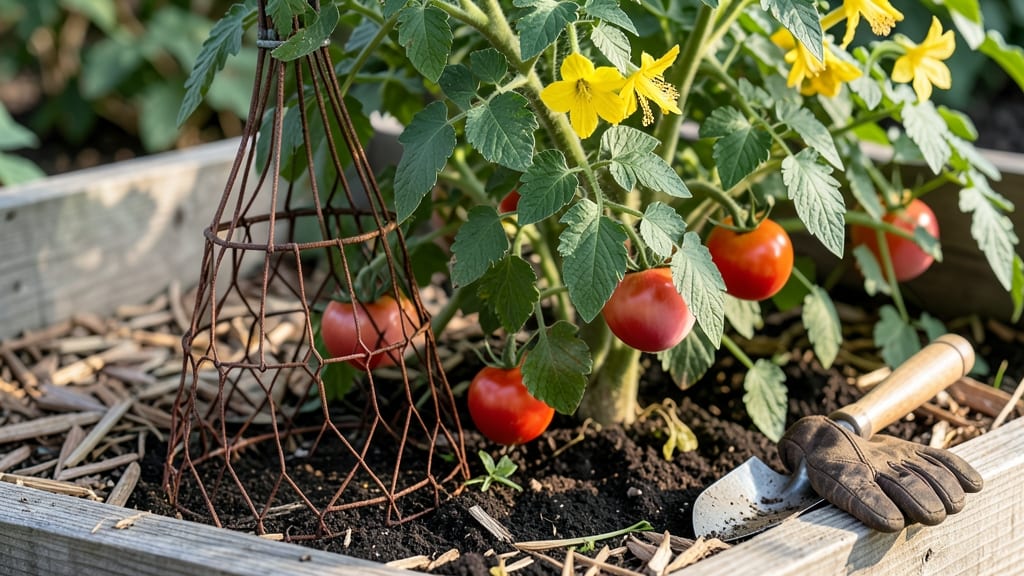
💥 Quick Answer Creating do-it-yourself tomato cages lets you build custom supports tailored to your garden's needs, using affordable materials like wire mesh or rebar that provide sturdy, plant-friendly structures…
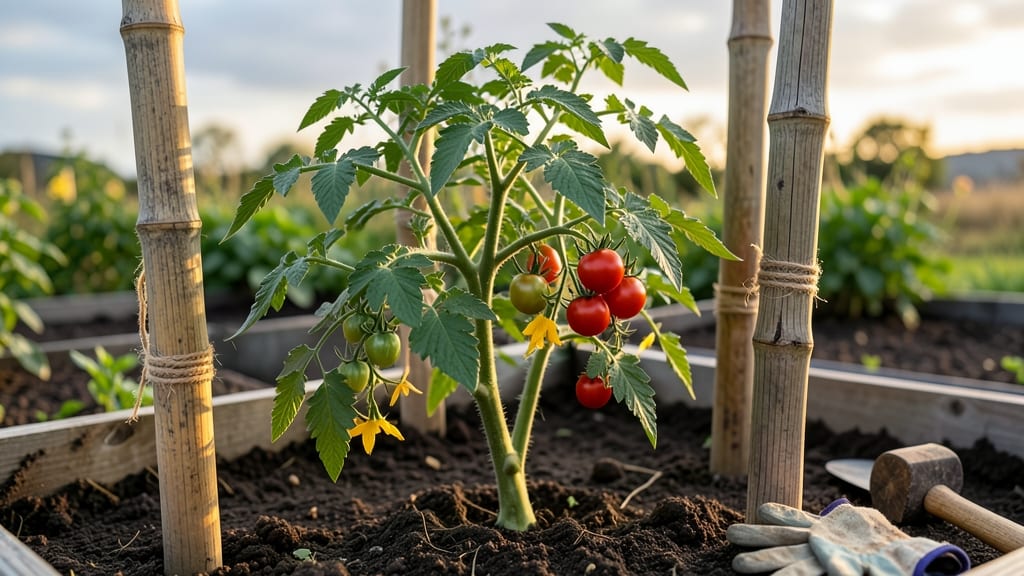
My DIY tomato stakes transformed my floppy vines into sturdy towers—no more broken branches or fruit rot from touching the ground. 🌱 Last summer, I spent $20 on bamboo stakes and saved $80 compared to store-bought…
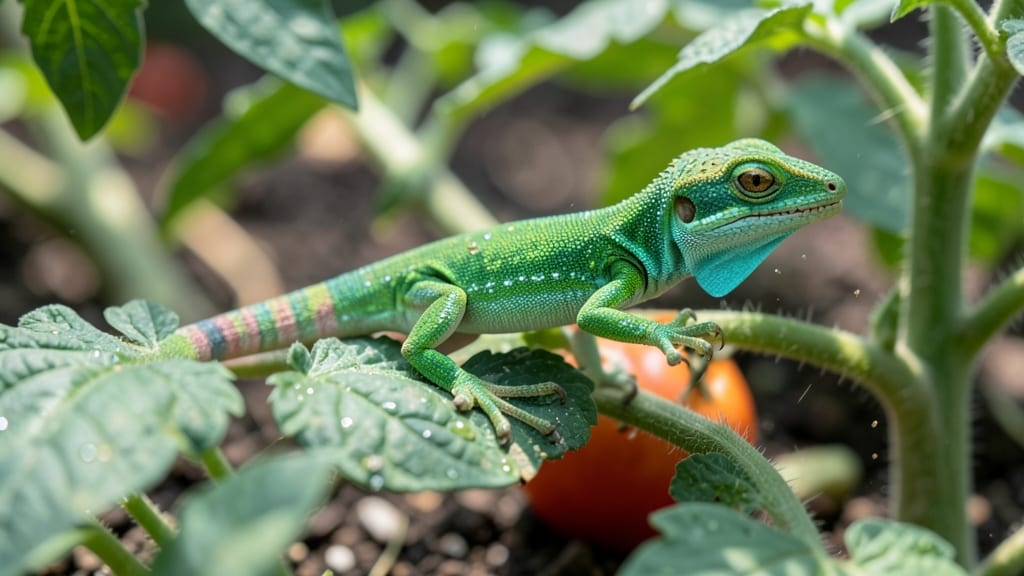
💥 Quick Answer Lizards don't eat tomato plants, but they help gardens by hunting pests like aphids, spider mites, and beetles that damage tomato leaves and fruit. Their natural pest control makes them valuable allies in…
Rabbits do eat tomato plants, and their preference for your 🍅 harvest can leave you scrambling for solutions. If you’ve ever spotted your backyard rabbits nibbling on your tomato plants, you’re not alone—many gardeners…
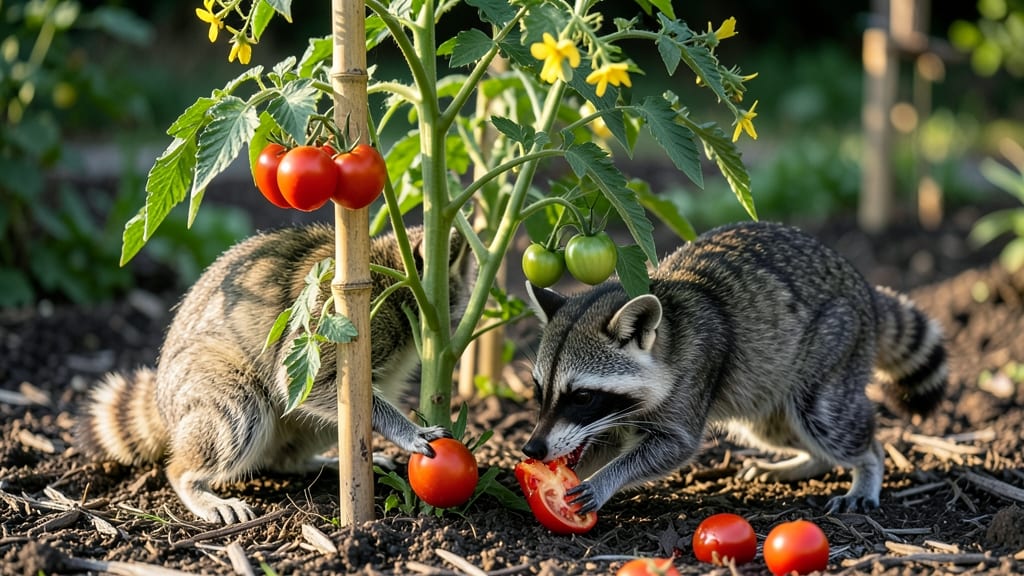
💥 Quick Answer Racoons eat tomato plants voraciously, feasting on ripe fruit, tender leaves, and even stems for their juicy sweetness, particularly under cover of night when garden activity is at its quietest. Their…
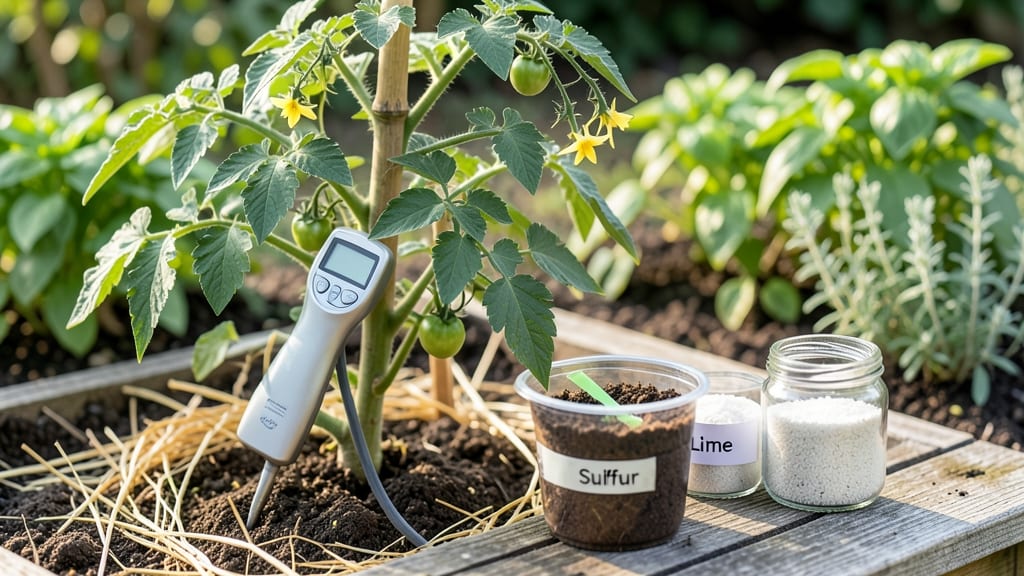
💥 Quick Answer Tomato plants thrive in slightly acidic to neutral soil, with an ideal pH range of 6.0 to 6.8, where essential nutrients like nitrogen, phosphorus, and potassium become most accessible for robust growth…
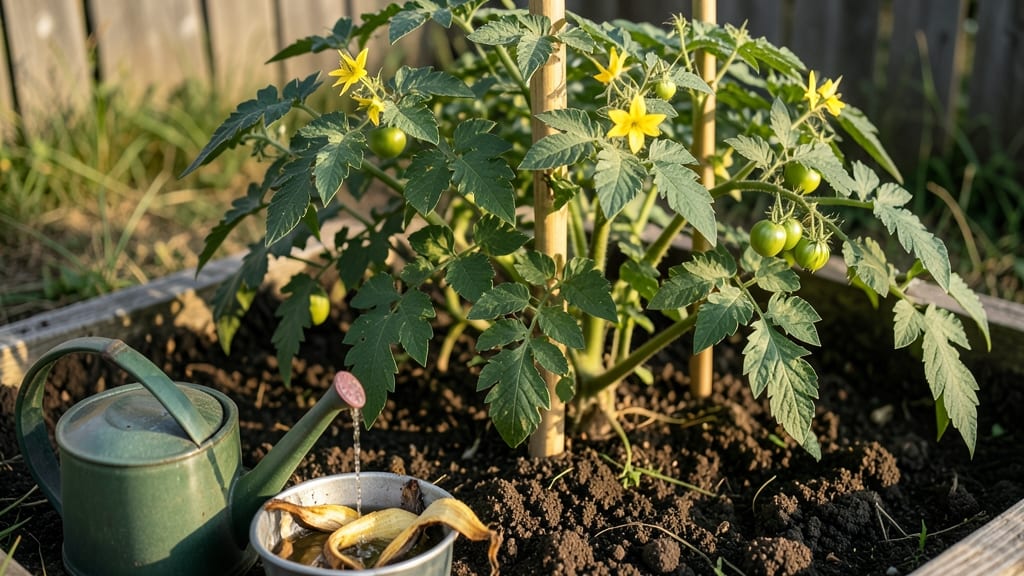
💥 Quick Answer Tomato plants do like banana water because its potassium-rich content strengthens roots, boosts fruit production, and improves overall plant health when used as a diluted fertilizer every 4-6 weeks…
Tomato plants need a lot of sun to thrive, ideally 6-8 hours of direct light daily for the juiciest, healthiest fruit. But here’s the catch: too much scorching sun can actually harm them, while too little leaves you with…