
Vegetables
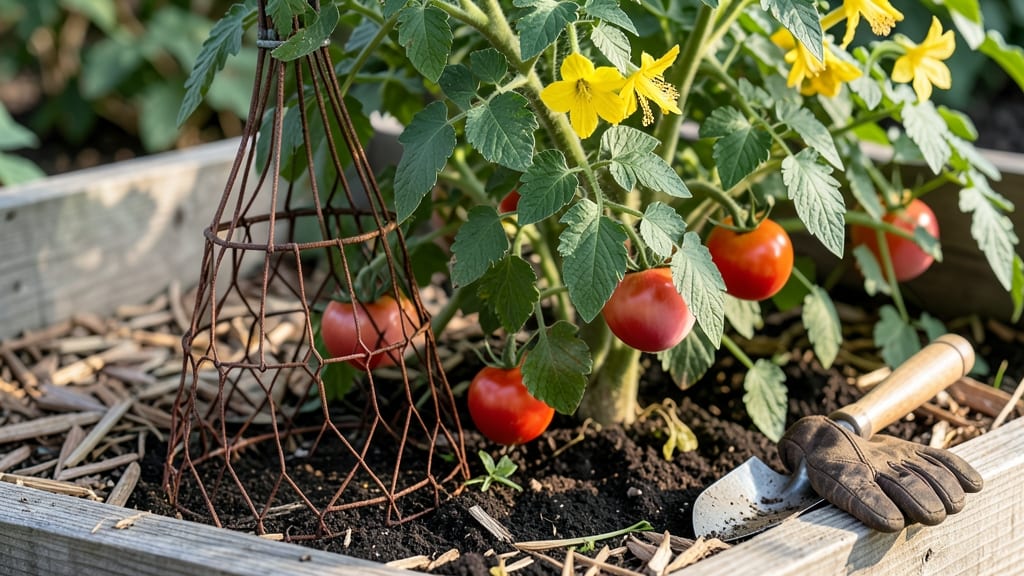
Creating do-it-yourself tomato cages lets you build custom supports tailored to your garden's needs, using affordable materials like wire mesh or rebar that provide sturdy, plant-friendly structures without the high cost of store-bought options.
Building your own tomato cages gives you complete control over size, shape, and material—perfect for matching your plants' growth patterns. 🌱 For example, indeterminate varieties like cherry tomatoes need tall, flexible supports, while determinate types (like Roma) thrive with shorter, sturdier frames.
I've found that galvanized wire mesh is my go-to because it's lightweight, rust-resistant, and easy to bend into any shape, but rebar offers unmatched durability for heavy vines. The best part? These projects rarely cost more than $10-$20 and take less than an hour to assemble.
When designing your cage, consider the mature plant height and spread—most tomatoes need at least 4-5 feet of vertical support. For extra stability, I recommend anchoring the base with U-shaped stakes or burying the bottom 6 inches deep.
This prevents toppling during wind or heavy fruit loads. The key is balancing strength with flexibility—rigid structures can snap under pressure, while floppy designs won't provide enough support.
💡 In This Article
- Best Materials for Homemade Tomato Cage Structures
- Step-by-Step DIY Tomato Cage Plans for Beginners
Best materials for homemade tomato cage structures
Galvanized wire mesh stands out as the most versatile material for DIY tomato cages, thanks to its lightweight yet sturdy construction. The galvanized coating prevents rust, making it ideal for outdoor use, while its flexibility allows you to bend it into spirals, tepees, or even rectangular frames.
A standard 1-inch galvanized wire mesh (available at hardware stores for $5-$10 per roll) can support plants up to 6 feet tall when shaped into a spiral. Its open weave also promotes airflow, reducing disease risk in your tomato plants.
Rebar offers unmatched durability for heavy vines, especially for indeterminate varieties like 'Sungold' cherry tomatoes that can grow 10+ feet tall. A ½-inch rebar cut into 4-foot sections and arranged in a teepee shape creates a rigid frame that won't sag under weight. The downside?
Rebar requires more effort to assemble and can rust over time unless coated with paint. For a budget-friendly alternative, PVC pipes (cut into 3-foot sections) form lightweight hoops that work well for determinate tomatoes like 'Celebrity' but need additional stakes for stability.
Wooden stakes provide a rustic, natural look but require more frequent replacement due to rot. Treated 2x4 lumber cut into 4-foot lengths can be arranged in a square or pyramid shape, but they need to be buried 6 inches deep to prevent toppling.
The biggest advantage? Wood blends seamlessly into garden aesthetics while offering good support for medium-sized plants. For maximum flexibility, combine materials—like using rebar for the base and wire mesh for the upper sections—to create a hybrid structure that balances strength and adaptability.
When choosing materials, consider your specific tomato variety's growth habits. Indeterminate types need flexible, tall supports that can accommodate continuous growth, while determinate varieties benefit from shorter, sturdier frames.
For example, a 5-foot wire mesh spiral works perfectly for 'Better Boy' tomatoes, whereas a 3-foot rebar teepee suits 'Roma' plants better. The key is matching the material's properties to your plant's mature size and weight requirements.
Cost is another critical factor—wire mesh typically costs $5-$10, rebar runs $3-$8 per piece, and PVC hoops are $2-$5 each. For a 6-foot wire mesh spiral cage, you'll need about 10 feet of mesh and a few zip ties for assembly.
Rebar cages require 4-6 pieces plus wire for binding, while PVC hoops need 3-4 pipes and garden staples. Always factor in additional costs for tools like wire cutters, a drill, or a staple gun if you don't already own them.
Pro tip: If you're working with limited space, consider a wall-mounted wire cage for balcony gardening. Use ½-inch galvanized wire bent into a rectangular frame and secure it to a sturdy wall with heavy-duty brackets.
This design maximizes vertical growing space while keeping your tomatoes within easy reach for harvesting and pruning.