
Companion Plants
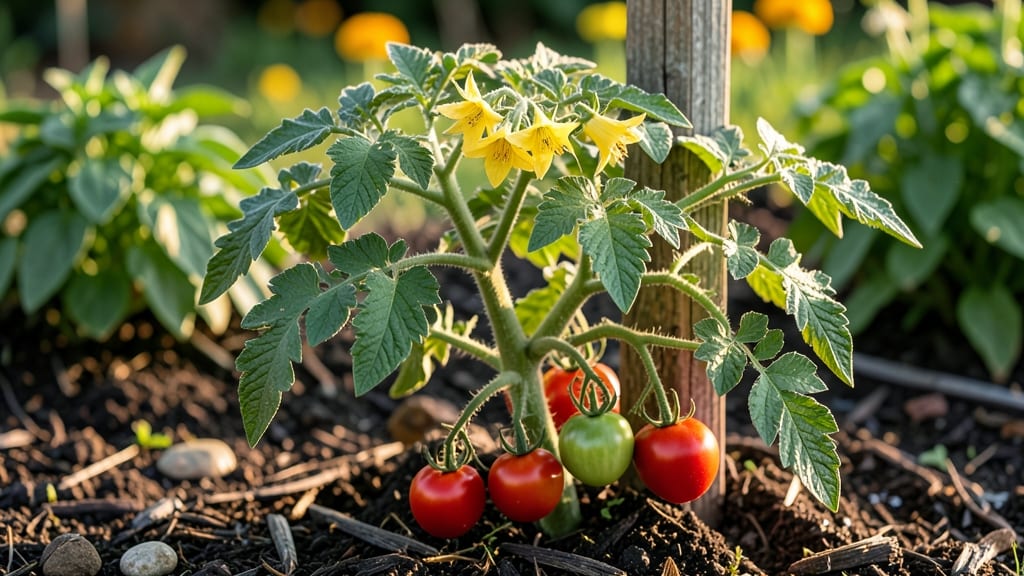
Tomato plants need a lot of sun to thrive, ideally 6-8 hours of direct light daily for the juiciest, healthiest fruit.
But here’s the catch: too much scorching sun can actually harm them, while too little leaves you with weak vines and poor yields. If your 🍅 plants are struggling, it might not be what you think—it could be the sun (or lack of it) playing tricks on you.
Most gardeners assume more sun is always better, but tomatoes are picky about light intensity. The right balance keeps them strong, productive, and resistant to common issues like blossom drop or leaf scorch.
In this guide, I’ll show you exactly how to gauge sunlight needs, spot the warning signs of over- or under-exposure, and tweak your setup—whether you’re working with a sunny backyard, a shady balcony, or even grow lights.

How much sun do tomato plants really need for maximum yield?
If you’ve ever grown tomatoes, you’ve probably heard the classic advice: "tomatoes need full sun." But what does that really mean? Most gardeners assume 8+ hours of sunlight is non-negotiable, but the truth is more nuanced.
While tomatoes are sun-lovers, they’re not as extreme as peppers or cucumbers. The key lies in light intensity and tomato variety, which I’ll break down so you can optimize your harvest—without burning your plants.
The ideal sunlight range for tomatoes sits between 6 to 8+ hours of direct sunlight daily, but this varies by type. Indeterminate varieties (like 'Sungold' or 'Brandywine') thrive with 8+ hours, while determinate types (such as 'Roma' or 'Celebrity') can handle 6 hours with slightly less vigor.
The myth that "too much sun" harms tomatoes is mostly a red herring—leaf scorch usually stems from heat stress or poor watering, not sunlight alone.
Here’s the science-backed breakdown: Tomatoes use sunlight for photosynthesis, which fuels fruit production. 6 hours of sun is the minimum threshold for decent yields, but flavor and size peak at 8+ hours.
For example, a cherry tomato like 'Sweet 100' will produce more clusters in full sun, while a beefsteak like 'Big Beef' needs extra light to develop its signature heft. Think of sunlight as the fuel for your plant’s energy engine—skimp, and you’ll get small, bland fruit.
Now, let’s debunk a common misconception: "Tomatoes can’t handle too much sun." While intense afternoon heat (especially in USDA Zones 9-11) can cause sunscald or blossom drop, the real culprit is often lack of water or poor soil moisture retention.
If your tomatoes are getting 6+ hours of sun and you’re watering deeply (1-2 gallons per plant, morning-only), you’re likely in the clear. The critical factor isn’t sunlight duration alone—it’s consistent moisture to keep roots hydrated during peak light hours.
Light intensity matters just as much as duration. Morning sun (especially before 10 AM) is gentler and helps prevent heat stress, while afternoon sun (after 2 PM) can scorch leaves if temperatures exceed 90°F.
In hot climates, I recommend dappled shade during peak afternoon hours—think 30-50% shade cloth or planting near taller crops like corn or sunflowers. This trick works wonders for heirloom varieties, which often struggle with blossom end rot in extreme heat.
Let’s talk about seasonal adjustments. Early spring and late fall? Tomatoes can stretch their legs with 5-6 hours of sun, especially if you start with fast-maturing varieties like 'Early Girl' or 'Stupice'.
But once summer hits, push for 7+ hours to avoid stunted growth or poor fruit set. Pro tip: Use a sun calculator (like the one from Old Farmer’s Almanac)
Signs your tomato plants aren’t getting enough (or too much) sun
Tomato plants are sun-worshippers, and when they don’t get enough light, they’ll scream for help with tell-tale signs. Yellowing leaves, weak stems, and stunted growth are classic red flags. Even worse? Blossom drop or small, tasteless fruits mean your plants are struggling to produce.
But here’s the kicker: too much sun can also backfire, causing leaf scorch or sunscald on fruits. Let’s decode these clues so you can fix the issue fast.
If your tomato plants are leaning toward the light or growing spindly and leggy, they’re desperate for more sun. Indeterminate varieties (like 'Cherry Roma') need 8+ hours of sunlight daily, while determinate types (like 'Roma') can tolerate 6-7 hours.
But even then, partial shade can lead to poor fruit set or blossom end rot. The key is balancing light exposure with shade breaks, especially in hot climates where afternoon shade can prevent stress.
Sunlight Needs for Tomato Plants
✅ DO: Provide Enough Sun
- 6-8+ hours of direct sunlight daily
- Use south-facing locations for max exposure
- Rotate containers weekly for even growth
- Choose dwarf varieties for partial shade
- Add reflective mulch to boost light
❌ DON'T: Overdo or Underdo Sun
- Avoid midday shade in hot climates
- Don’t place plants under dense trees
- Skip afternoon shade in extreme heat
- Avoid plastic containers that overheat roots
- Don’t ignore leaf scorch signs
Pro Tip: Test your garden’s sunlight with a sunlight tracker or move plants gradually to avoid shock.
For container-grown tomatoes, watch for root-bound stress or uneven growth—these often mean one side is getting more sun than the other. Raised beds can trap heat, so mulch with straw to keep roots cool.
If your plants are in in-ground beds, check for nearby structures casting shadows. Even a 6-foot fence can block critical sunlight hours. Pro tip: Use a sunlight calculator to map your garden’s light exposure.
When tomatoes get too much sun, their leaves turn crispy and brown (leaf scorch), and fruits may develop white or gray patches (sunscald). Indeterminate varieties are especially vulnerable because their vines keep growing.
To fix this, provide afternoon shade with a lightweight shade cloth (30-50% block) or move containers to a morning-sun spot. Water deeply in the early morning to help plants recover from heat stress.
If your plants are dropping flowers or fruits aren’t setting, it could be a sunlight + temperature combo. Tomatoes need daytime temps between 70-85°F and nighttime temps above 55°F to pollinate properly.
If your garden gets hotter than 90°F, even with full sun, your plants may stop producing. Try whitewashing stems to reflect heat or plant near shade-providing crops like corn or sunflowers.
Don’t panic if you spot these issues—most sunlight problems are fixable! Start by moving plants to a sunnier spot or adjusting their position daily. For container gardens, try a rotating schedule so all sides get equal light.
And remember: observation is key. Check your plants daily for early signs of stress, and adjust as the seasons change. With the right balance, you’ll be feasting on homegrown tomatoes in no time! 🍅