
Companion Plants
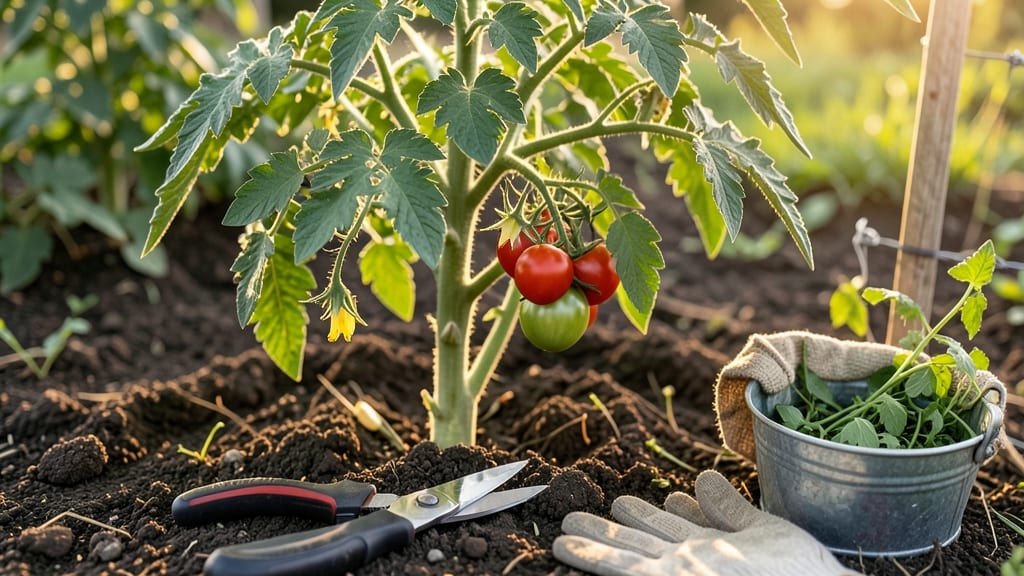
Clipping tomato plants transforms a tangled mess into a high-yielding fruit factory. ✂️ I learned the hard way—skipping pruning once left me with fewer tomatoes and more disease. The right cuts redirect energy from leaves to fruit, giving you bigger, sweeter harvests all season.
You’ll need just three tools: sharp pruning shears, a small notepad (for tracking growth), and a spray bottle of diluted bleach (to sterilize cuts). Start when plants hit 12-18 inches tall, focusing on suckers—those tiny shoots in the leaf axils—and the lower leaves shading fruit.
By mid-season, your plants will look like structured bushes, not wild vines. Each cut you make now means more tomatoes later, with fewer cracks and better air circulation. The key? Prune early and often—don’t wait until the plant’s overwhelmed.
Works for indeterminate varieties (like Roma or Beefsteak) and even determinate bushes (just prune less). Here’s the exact method that doubled my harvest last summer.
📚 In This Guide
- What you need
- Instructions
- Tips and common mistakes
- Wrapping up and next steps
What you need
- ● Sharp pruning shears or scissors: Look for bypass pruners (clean cuts) or small garden shears with a 4-6 inch blade.
- ○ Gloves (optional but recommended): Wear lightweight, breathable gardening gloves to protect your hands from thorns and dirt.
- ● Disinfectant (rubbing alcohol or bleach solution): 1 part bleach to 9 parts water—clean your shears between cuts to prevent disease spread.
- ● Small bucket or bag: For collecting pruned branches and debris (a 5-gallon bucket works great!).
- ○ Garden twine or plant ties (optional): If your tomato plants need support after pruning, have some twine or soft ties ready.
- ● Choose the right time: Prune during the morning or late afternoon to avoid stressing the plant in peak sunlight.
- ● Wait until plants are established: Hold off until your tomatoes are at least 6-8 inches tall and have a few leaves.
- ● Check the weather: Avoid pruning if rain is forecasted within 24-48 hours—wet conditions can spread disease.
- ● Know your tomato type: Determinate tomatoes (bush varieties) need minimal pruning, while indeterminate (vining) types benefit from regular clipping.
Step-by-Step guide to pruning tomato plants for maximum yield
Here's how to shape your tomato plants like a pro—boosting fruit production while keeping them strong and healthy.
✂️ Step 1: Identify and Remove Suckers Early
Suckers are the small shoots that form in the leaf axils where a stem meets a branch. These compete with your main plant for energy, so removing them redirects resources to fruit production. I start checking plants 2-3 weeks after transplanting and continue weekly until flowering begins. Use your fingers or clean pruning shears to pinch them off at the base—they'll snap easily when ready.
Focus on the main stem first. Look for the vigorous shoot growing between the main stem and a branch—this is your first sucker. Remove it completely. If you miss any, they'll grow into thick, woody stems that steal energy from your tomatoes. Real talk: I used to leave them, thinking more stems meant more fruit. Wrong. You'll get bigger, healthier tomatoes by controlling growth early.
☀️ Step 2: Prune for Airflow and Sunlight Exposure
Once your plant reaches 3-4 feet tall, it's time to open it up. Start by removing any leaves that shade the lower 12-18 inches of the plant. Yellow or diseased leaves get the first cut—they're energy drains. Use clean, sharp pruners to make cuts at a 45-degree angle, about ¼ inch above a leaf node where new growth can emerge.
Here's the thing—tomatoes need sunlight on their fruit, not just leaves. A well-pruned plant will have sunlight reaching all the way to the lower branches, which means more even ripening and fewer cracked tomatoes. I like to leave 3-4 main stems on indeterminate varieties (the ones that keep growing). For determinate tomatoes (bush types), minimal pruning is best—just remove suckers and diseased foliage.
✂️ Step 3: Support and Train the Main Stems
As your plant grows, you'll need to guide the main stems. For indeterminate varieties, I use stakes or a cage to support the weight of the fruit. Tie the main stem loosely to the stake with soft plant ties or old fabric strips every 12-18 inches. Don't cinch too tight—you want room for the stem to thicken as it grows. This prevents breakage when fruit gets heavy.
For indeterminate tomatoes, you'll also want to prune the top of the plant once it reaches your trellis or cage height. Pinch off the growing tip when the plant hits 5-6 feet tall (or your structure's height). This stops vertical growth and encourages the plant to put energy into ripening existing fruit rather than growing more leaves. You'll know you've done it right when the plant starts flowering more heavily along the sides.
🌿 Step 4: Maintain Throughout the Season
Pruning isn't a one-time job. Check your plants weekly during the growing season. Remove any new suckers that appear, especially below the first flower cluster. These little shoots can become major energy hogs if left unchecked. Also, keep an eye out for yellowing leaves—these often signal disease or pest issues, and removing them prevents spread.
Here's what I do when I see a cluster of fruit forming: I stop pruning above that cluster. The plant needs its leaves to photosynthesize and feed the developing tomatoes. The rule of thumb is to leave 2-3 leaves below each fruit cluster to support it. If you see a branch with only one or two tomatoes and a lot of leaves, consider pruning back some of the foliage to focus energy where it's needed most.
Tips & tricks for perfect tomato pruning
Here's what nobody tells you about pruning tomato plants that actually makes a difference.
Timing is Everything: The 2-3 week mark after transplanting is your first critical window for sucker removal. I've learned this the hard way—waiting too long means those little shoots turn into thick, woody stems that sap energy from your tomatoes. Check weekly after that, especially when you see new growth appearing in the leaf axils. The earlier you catch them, the easier they are to remove, and the more energy your plant puts toward fruit production instead of unnecessary growth.
The Pruning Angle Matters: When you're making those 45-degree cuts in Step 2, think of it like a surgeon's incision—clean and precise. Cutting at this angle prevents water from pooling on the wound, which reduces the risk of disease. Also, always cut just above a leaf node where new growth can emerge. I've seen too many gardeners make sloppy cuts that leave the plant vulnerable to rot or pest infestations. Use clean, sharp pruners every time, and sterilize them between plants to prevent spreading any potential pathogens.
Support System Strategy: For indeterminate varieties, your 12-18 inch spacing between ties is crucial—it gives the stem room to thicken as it grows. I recommend using soft plant ties or even old fabric strips because they won't damage the stem as it expands. And here's a pro move: when you're tying up your plants, leave a little slack in the ties. You'll thank yourself later when your tomatoes get heavy and the stem thickens naturally without being strangled by tight bindings.
Season-Long Maintenance: That weekly check you're supposed to do isn't just about suckers—it's your chance to spot problems early. Yellowing leaves often signal disease or pest issues before they become serious. Remove them immediately, especially if they're near developing fruit clusters. I've found that plants with good airflow (thanks to proper pruning) stay healthier throughout the season. The goal is to balance opening up the plant for sunlight while still leaving enough leaves to support photosynthesis for your fruit.
Pro Tips for Clip Tomato Plants
- Here's what nobody tells you about pruning tomato plants that actually makes a difference.
- Timing is Everything: The 2-3 week mark after transplanting is your first critical window for sucker removal.
- The Pruning Angle Matters: When you're making those 45-degree cuts in Step 2, think of it like a surgeon's incision—clean and precise.
Frequently asked questions
Got questions about clipping tomato plants? You’re not alone! Here are answers to the most common concerns—from timing to troubleshooting—so you can prune with confidence and keep your tomatoes thriving.
When is the best time to start clipping tomato plants?
Begin pruning once your plants reach 12–18 inches tall and have a few sets of true leaves. For indeterminate varieties (like Roma or Cherry), prune regularly throughout the season to encourage airflow and fruit production. Determinate tomatoes (like Bush Early Girl) need minimal pruning—just remove suckers if desired. Pro tip: Wait until morning when plants are dry to avoid spreading disease.
How often should I clip my tomato plants?
Check your plants weekly for suckers (the small shoots between the stem and branches). Remove them promptly—they drain energy from your main plant. During peak growth (late spring to early summer), you may need to prune every 3–5 days for indeterminate varieties. For determinate types, a quick trim every 2–3 weeks suffices.
What if I over-prune? Can I hurt my tomato plants?
Over-pruning (removing too many leaves or stems) can stress your plant, reducing fruit production. Leave 3–5 main stems for indeterminate tomatoes and never remove more than 20% of the foliage at once. If you’ve gone overboard, stop pruning immediately and focus on watering deeply and fertilizing lightly to help recovery. Watch for signs: Yellowing leaves or stunted growth mean you’ve pruned too much.
Can I use pruned tomato stems for anything else?
Compost the clippings
to enrich your soil later, or use them as mulch around the base of your plants to retain moisture. You can also propagate new plants by rooting healthy suckers in water or soil. Just avoid using diseased stems—toss those in the trash instead.
Why do some tomatoes need pruning and others don’t?
It’s all about the variety! Indeterminate tomatoes (vining types) need pruning to direct energy to fruit production and prevent disease. Determinate tomatoes (bush types) are self-contained and don’t require pruning—though you can lightly trim to improve airflow. Always check your seed packet or plant tag to confirm your tomato’s growth habit.
Wrapping up and next steps
Clipping your tomato plants isn’t just about maintenance—it’s your secret weapon for a bountiful, healthier harvest! 🌱 By mastering pruning techniques, you’ll boost air circulation, prevent disease, and channel energy into fruit production. Whether you’re a seasoned gardener or just starting, these steps make the process simple and rewarding.
Now that you’re armed with the know-how, roll up your sleeves and get clipping! Grab your pruners, pick a sunny day, and watch your tomato plants thrive. Need inspiration? Try experimenting with companion plants like basil or marigolds to supercharge your garden’s success even further!