
Pests
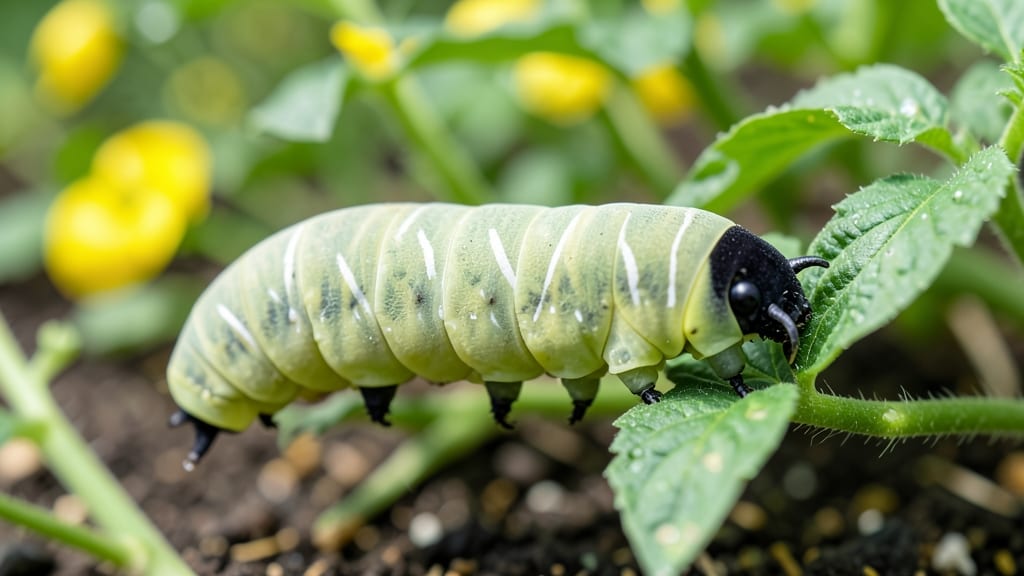
Groundhogs eat tomato plants aggressively, devouring leaves, stems, and even young fruits, leaving jagged bite marks and causing significant garden damage if left unchecked. Their feeding habits can destroy entire tomato crops overnight.
Groundhogs are notorious for their appetite—especially when it comes to tender tomato plants. 🌱 These burrowing rodents see your garden as an all-you-can-eat buffet, particularly during spring and summer when tomato foliage is most vulnerable.
Unlike rabbits that nibble edges, groundhogs go straight for the stems and leaves, creating messy, uneven damage that weakens plants before they can even fruit. The real kicker? They often return night after night, turning your hard work into a salad bar.
What makes this worse is their cleverness. Groundhogs use their strong claws to dig under fences or through mulch, giving them direct access to your prized tomatoes. 💥 While they prefer fresh greens, they won’t hesitate to munch on unripe fruit if other options are scarce.
The key to protecting your crop is acting fast—once they find a food source, they’ll keep coming back until it’s gone.
💡 In This Article
- Why Groundhogs Target Tomato Plants in Gardens
- Effective Groundhog Deterrents for Tomato Gardens
Why groundhogs target tomato plants in gardens
Groundhogs, also known as woodchucks, are drawn to tomato plants primarily because of their high water content and tender foliage, which closely resemble their natural diet in wooded areas. In the wild, they feast on clover, grasses, and leafy plants—all of which share similar nutritional profiles to young tomato shoots.
The scent of fresh tomato leaves, rich in volatile organic compounds like limonene and linalool, acts like an invisible dinner bell. These compounds are released when leaves are damaged, signaling to groundhogs that a fresh, nutrient-packed meal is available.
Their feeding patterns align perfectly with tomato growth cycles.
Groundhogs are most active during dawn and dusk, which coincides with the peak metabolic activity of tomato plants—when leaves are most succulent and stems are softest. 🌱 A single groundhog can consume up to 1 pound of vegetation per day, and tomato plants, with their broad leaves and fast-growing vines, provide an easy, high-calorie target.
Unlike deer or rabbits, groundhogs don’t just graze—they systematically strip entire plants, leaving behind jagged, uneven bite marks that expose the stem to disease and pests.
Seasonal behavior amplifies the problem. Groundhogs emerge from hibernation in early spring (March-April in most regions) just as gardeners plant tomatoes, creating a perfect storm of hunger and availability.
Their natural instinct is to establish feeding territories, and once they locate a tomato patch, they’ll return daily to claim it as their own. The damage isn’t just cosmetic—groundhogs can defoliate a plant in 24-48 hours, stunting growth and reducing fruit yield by up to 70% if unchecked.
What makes tomato plants particularly vulnerable is their growth habit. Unlike root vegetables, tomatoes grow above ground, making them easy targets for groundhogs’ powerful jaws.
The plants’ rapid growth also means new shoots are constantly emerging—providing a renewable food source that keeps groundhogs coming back. 💥 Unlike selective feeders like deer, groundhogs don’t discriminate; they’ll eat leaves, stems, flowers, and even unripe fruit, turning a thriving garden into a wasteland within weeks.
Groundhogs also use their keen sense of smell to locate hidden tomato plants. Even if you’ve planted them under protective netting, the scent of disturbed soil or freshly watered plants can attract them from 50-100 feet away.
Their burrowing habits further complicate matters—they’ll dig under fences or mulch layers to access roots and lower stems, creating additional damage points. The result? A garden that looks like it’s been hit by a tornado, with plants uprooted and leaves shredded beyond recognition.