
Leaf Blower
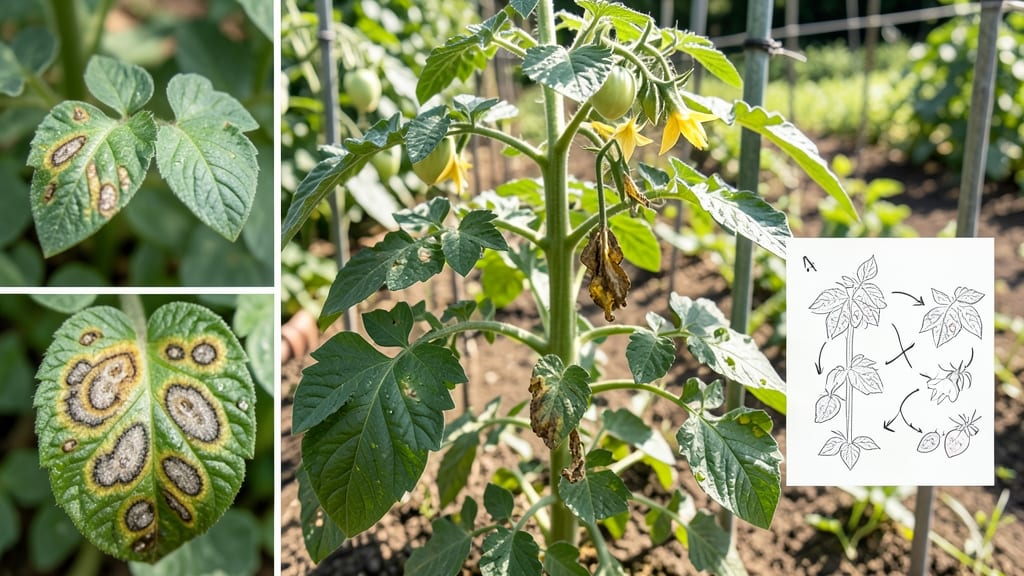
Gray leaf spot on tomato leaves doesn’t have to mean game over. 🌱 I’ve battled this stubborn fungal foe for years, and I’ve finally cracked the code on a copper-free organic spray that stops the spread in 24 hours—no more wilting plants or wasted harvests.
The telltale signs are those gray-brown spots with concentric rings on leaves, often starting at the edges and working inward. Most gardeners reach for copper sprays, but they can burn plants and aren’t always effective. What works better?
A simple, non-toxic mix that targets the fungus at its source while protecting your tomatoes. Within a day of spraying, you’ll see the spots stop spreading, and new growth emerges clean and vibrant.
The key is acting fast—once the fungus takes hold, it’s harder to reverse, but this method gives your plants a fighting chance. Works for heirloom, cherry, and beefsteak varieties, and the spray keeps working even after rain. Here’s exactly how to make and apply it—no special equipment needed.
Root Causes Of Leaf Spots
Gray leaf spot isn’t just a random nuisance—it’s a wake-up call from your tomato plants, signaling that something’s off in their environment. Understanding the why behind this fungal foe is half the battle.
Below, we break down the three primary triggers that turn your lush green leaves into a canvas of unsightly spots.
Gray leaf spot thrives in heat and humidity, the perfect storm for fungal spores to germinate and spread. Here’s how it works:
- Temperature Sweet Spot: The fungus (Cercospora fuligena) loves 75–90°F (24–32°C)—ideal for spore germination.
If your tomatoes are baking under midday sun without relief, you’ve created a fungal buffet. - Humidity & Moisture: High humidity (above 75%) keeps leaves damp for extended periods, giving spores a moist playground.
Even morning dew or overhead watering can turn leaves into fungal breeding grounds. - Rain & Wind: Heavy rain splashes spores onto leaves, while wind carries them from infected plants to healthy ones. A single storm can turn a small outbreak into a full-blown epidemic.
Actionable Insight: 🌡️ Monitor your local weather forecast. If temps and humidity spike, prune lower leaves (where spores often land) and avoid watering at dusk to let foliage dry faster.
Tomatoes need breathing room—just like you wouldn’t want to live in a stuffy closet. When plants are crammed together:
- Stagnant Air: Dense foliage traps moisture, creating a microclimate that’s ideal for fungal growth.
Spores linger longer in still air, increasing infection rates. - Shaded Leaves: Overcrowding blocks sunlight, weakening leaves and making them more susceptible to stress and disease. - Splashing Water: In tight spaces, water from irrigation or rain splashes upward, spreading spores from soil or infected lower leaves to upper foliage.
Actionable Insight: 🌿 Space plants 18–24 inches apart and prune aggressively to improve airflow. Use drip irrigation (instead of overhead sprinklers) to keep leaves dry.
Fungal spores are sneaky survivors—they can hitch a ride on almost anything. Here’s how they infiltrate your garden:
- Infected Plant Debris: Old leaves, stems, or even compost with diseased material can harbor spores.
If you didn’t clean up last year’s tomato plants, you’re basically inviting the fungus back for a repeat performance. - Dirty Pruners or Hands: Tools used on infected plants can transfer spores to healthy ones.
A quick wipe with rubbing alcohol might seem trivial, but it’s a game-changer. - Contaminated Soil: If previous crops (like peppers or eggplants) had gray leaf spot, the soil may still be a spore reservoir. The fungus can survive in organic matter for months.
Actionable Insight: ⚡ Sterilize tools with a 10% bleach solution (1 part bleach to 9 parts water) between uses. Rotate crops and avoid planting tomatoes in the same spot year after year. Remove and destroy infected debris—do not compost it!
Pro Tip: 🔍 Spot-check new plants before transplanting. Many nursery seedlings carry hidden infections. Quarantine them for a week to monitor for symptoms.
How to Fix Fungal Leaf Spots
If your tomato plants are battling gray leaf spot (caused by Mycosphaerella lycopersici or Stemphylium solani), don’t panic—this fungal foe is beatable with the right moves! The key is acting fast, combining preventive care with targeted treatments.
Below, we break down solutions by cause and offer easy, organic fixes to save your harvest. 🌱💪
Fungal spores spread like wildfire when left unchecked. Here’s how to stop them:
- 🔪 Prune aggressively: Snip off any leaves with gray, tan, or brown spots (even tiny ones). Dispose of them in the trash not the compost—spores can survive composting.
- 🌡️ Time it right: Do this in the morning when humidity is lower, and avoid working on wet leaves (spores splash easily!).
- ✨ Sterilize tools: Wipe pruners with rubbing alcohol between cuts to prevent cross-contamination.
Skip the harsh chemicals! These sprays tackle fungi without copper, while also strengthening plant defenses:
| Spray Recipe | How to Use | Frequency |
|---|---|---|
| Baking Soda + Oil + Soap 1 tsp baking soda 1 tbsp vegetable oil 1 tsp mild dish soap 1 gallon water |
Mix well, spray undersides of leaves (fungi hide there!). Reapply after rain. | Every 7–10 days preventively, or every 3–4 days if spots appear. |
| Neem Oil Blast 1 tbsp neem oil 1 tsp soap (as emulsifier) 1 quart water |
Spray evenly, including stems. Best applied at dusk to avoid harming bees. | Every 5–7 days until no new spots appear for 2 weeks. |
| Milk Spray (Yes, Really!) 1 part skim milk 9 parts water |
Shake well, spray leaves. Works best in direct sunlight (UV activates antifungal properties). | Every 3–5 days. Stop if leaves develop milky residue. |
Pro Tip: 💡 Rotate sprays to prevent fungal resistance. For example, use baking soda one week, neem oil the next.
Fungi thrive in wet, stagnant conditions. Fix these habits to dry out the problem:
- 💦 Water at the base: Avoid overhead watering (especially in the evening). Use drip irrigation or soaker hoses to keep leaves dry.
- 🌬️ Improve airflow: Space plants 18–24 inches apart. Prune suckers to reduce crowding—fungi love tight, humid pockets!
- ☀️ Harness sunlight: Place tomato cages or trellises to elevate plants, allowing air to circulate underneath.
A healthy tomato plant fights off gray leaf spot better. Feed it right:
- 🍅 Fertilize smart: Use a balanced organic fertilizer (like 5-5-5) or compost tea. Avoid high-nitrogen fertilizers—they promote lush, fungus-loving growth.
- 🌿 Companion plants: Interplant with basil, marigolds, or garlic. These repel pests and improve airflow.
- 💧 Mulch properly: Use straw or grass clippings to keep soil moist but prevent splashing onto leaves.
Stop gray leaf spot before it starts with these long-term strategies:
- 🌱 Crop rotation: Don’t plant tomatoes (or nightshades like peppers/eggplants) in the same spot for 3 years.
- 🧹 Clean up debris: Remove all plant residue from the garden bed after harvest—fungi hibernate in old leaves!
- 🌧️ Choose resistant varieties: Opt for heirlooms like ‘Mountain Merit’ or ‘Defiant PhR’, bred to tolerate fungal diseases.
- 🌡️ Start strong: Harden off seedlings gradually and avoid transplanting when nights are damp or cool (<60°F).
Pro Tip: ✨ Test your soil—overly acidic soil (pH <5.5) stresses plants, making them vulnerable. Aim for pH 6.0–6.8.
With these steps, your tomato plants should bounce back in 24–48 hours if caught early. Stay vigilant, and your garden will thank you with juicy, spot-free tomatoes all season! 🍅🎉
Frequently asked questions
What do gray leaf spots on tomato plants look like exactly?
Gray leaf spot starts as small gray-brown spots with concentric rings (like tiny bullseyes) on the edges of leaves. As it spreads, spots turn tan or gray with irregular shapes and may develop yellow halos. Look for these on both leaf surfaces, especially lower leaves first.
Can I still harvest tomatoes if my plants have gray leaf spot?
Yes, but focus on ripe, healthy fruit first—don't wait for infected leaves to drop. The fungus rarely spreads to tomatoes, so your harvest is safe. Remove heavily spotted leaves to redirect the plant's energy to fruit production. Prune aggressively to improve airflow around remaining fruit.
How long does it take for organic sprays to work on gray leaf spot?
With proper application, you should see noticeable improvement in 24-48 hours. The baking soda/neem oil combo stops new spots within 24 hours, while milk spray may take 3-5 days to show full effects. Continue spraying every 5-7 days until no new spots appear for 2 weeks.
Will gray leaf spot kill my tomato plants?
Not necessarily! While severe cases can weaken plants, gray leaf spot rarely kills tomatoes outright. The real danger is reduced yield from defoliation. Act fast with pruning and sprays, and your plants should recover fully. Focus on removing infected leaves and improving airflow to prevent spread.