
Pests and Diseases
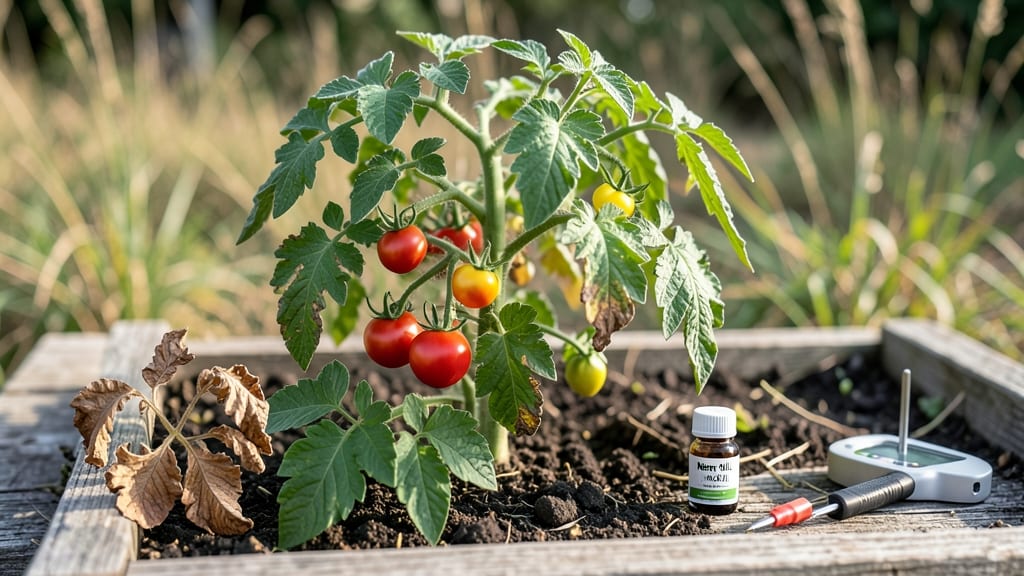
Brown edges on tomato leaves mean your plants are sending an SOS—often from early blight, but sometimes from stress or pests. 🌱 I’ve lost entire harvests to this silent killer, but a simple baking soda spray saved my tomatoes last summer, and I’m sharing exactly how to do it right.
The culprit is usually fungal spores hiding in old plant debris or crowded foliage, thriving when leaves stay wet too long. Overwatering, poor airflow, and nutrient deficiencies make things worse. The good news?
A 1-teaspoon baking soda + 1-quart water spray (with a drop of dish soap) disrupts fungal growth before it spreads. You’ll see new growth emerge within 10-14 days, with leaves staying crisp and green instead of crisping at the edges.
The spray works as both a preventive and a cure—just apply it every 7-10 days or after heavy rain. Works for greenhouse tomatoes, container plants, and in-ground gardens alike. Here’s how to diagnose the real problem first—because not all brown edges are early blight.
Root Causes Of Leaf Discoloration
When your tomato plants start showing brown, crispy edges on their leaves, it’s often a sign that something’s amiss in their environment or health. Understanding the why behind this issue is the first step to saving your plants—and your harvest.
Below, we break down the most common culprits, backed by science, so you can diagnose the problem accurately and take targeted action.
Tomatoes are thirsty plants, and inconsistent watering is one of the fastest ways to trigger brown, crunchy leaf edges. Here’s why:
- Fluctuating moisture levels: When soil dries out unevenly, roots struggle to absorb water consistently. This causes osmotic stress, where plant cells lose water faster than they can replenish it, leading to dehydration at the leaf margins.
- Salt buildup: If you water sporadically, salts and minerals in the soil concentrate at the edges of leaves. These salts draw out moisture through a process called osmosis, causing the edges to brown and die.
- Root zone stress: Shallow watering (e.g., only wetting the top inch of soil) forces roots to grow closer to the surface. These roots are more susceptible to drying out quickly, starving the plant of hydration.
💡 Pro Tip: Water deeply 1–2 times per week (depending on climate) to encourage deep root growth. Aim for 1–1.5 inches of water per week, delivered slowly at the soil base—not the leaves—to prevent fungal issues. Mulch heavily (2–3 inches of straw or wood chips) to retain moisture and regulate soil temperature.
Tomatoes thrive in warm but stable temperatures (ideal range: 70–85°F). When nighttime temps drop below 50°F or daytime highs exceed 90°F, leaves react with stress symptoms, including brown edges. Here’s the science:
- Cold stress: Chilly nights (<50°F) slow down metabolic processes, including chlorophyll production. The edges of leaves, being the oldest and least protected, lose their green pigment first, turning brown and brittle.
- Heat stress: High daytime temps (>90°F) cause stomatal closure—the tiny pores on leaves shut to conserve water, but this also blocks gas exchange. Without CO₂, photosynthesis grinds to a halt, and leaves start dying from the edges inward.
- Windburn: Combine heat with drying winds, and you’ve got a recipe for desiccation. Fast-moving air increases transpiration (water loss) faster than roots can replace it, leading to crispy leaf margins.
🌡️ Actionable Fix:
- Use shade cloth (30–50%) during heatwaves to reduce leaf exposure to direct sun.
- Plant tomatoes in south-facing beds (Northern Hemisphere) to maximize morning sun and afternoon shade.
- For cold snaps, cover plants with frost blankets or row covers at night.
Brown, concentric (target-like) spots with yellow halos? That’s classic early blight (Alternaria solani), a fungal disease that thrives in warm, humid conditions. But other fungi can also cause browning edges:
| Fungus | How It Attacks | Leaf Symptoms |
|---|---|---|
| Alternaria solani (Early Blight) | Spores spread via wind/rain, infecting through wounds or stomata. Thrives in 75–85°F temps and high humidity. | Brown spots with concentric rings; edges turn crispy and necrotic. |
| Septoria lycopersici (Septoria Leaf Spot) | Overwinters in plant debris; spreads in wet conditions. Favors cool, damp springs. | Small, dark brown spots with light centers; edges may curl and wither. |
| Botrytis cinerea (Gray Mold) | Attacks stressed plants (e.g., overcrowded, injured). Spreads via spores in humid, stagnant air. | Soft, brown, water-soaked patches that turn fuzzy gray; edges rot. |
✨ Prevention & Treatment:
- Remove infected leaves immediately and sterilize pruners with 70% isopropyl alcohol.
- Apply a baking soda spray (1 tsp baking soda + 1 quart water + a drop of dish soap) every 7–10 days to raise leaf pH and inhibit fungal spores.
- Improve air circulation by spacing plants 18–24 inches apart and pruning lower leaves to reduce humidity near the soil.
Brown edges can also signal an imbalance in your tomato’s diet. The most common offenders:
- Calcium deficiency (Blossom End Rot’s lesser-known cousin):
- While Blossom End Rot affects fruits, calcium deficiency can cause interveinal chlorosis (yellowing between veins) followed by brown, dead edges.
- Why? Calcium is immobile in plants—if roots can’t absorb enough (due to dry soil or high phosphorus levels), new growth suffers first.
- Magnesium deficiency:
- Leads to yellowing between veins (chlorosis) that progresses to brown, crispy edges.
- Common in acidic soils (pH <5.5) or when potassium levels are too high.
- Salt toxicity:
- Over-fertilizing (especially with high-sodium or chloride-rich fertilizers) causes osmotic stress, where salts draw water out of leaf cells.
- Symptoms: Brown, curled edges with a scorched appearance.
📊 Soil Test & Fix:
- Test your soil’s pH (ideal: 6.0–6.8) and nutrient levels with a home test kit or lab analysis.
- For calcium: Apply gypsum (calcium sulfate) or crushed eggshells to the soil.
- For magnesium: Use Epsom salt (magnesium sulfate) (1 tbsp per gallon of water, sprayed on leaves).
- Flush the soil with water
Fixing Damaged Tomato Leaves Fast
Brown edges on tomato leaves can feel like a setback, but with the right approach, you can nurse your plants back to health—and even prevent future damage.
Below are targeted fixes based on the most common causes, along with prevention tips to keep your tomatoes thriving. Let’s get your plants back on track!
If your tomato leaves are crisping at the edges from too much water or soggy soil, act fast to avoid root rot or fungal infections.
How to Fix It: 🔥 Adjust Your Watering Routine
- Water deeply but less frequently—aim for 1–1.5 inches per week, including rainfall.
- Water early in the morning (before 10 AM) to reduce evaporation and fungal risks.
- Check soil moisture before watering: Stick your finger 1–2 inches deep. If it’s damp, wait.
🍳 Improve Soil Drainage
- If your soil is heavy clay or compacted, amend it with:
- Compost (25–50% of the mix)
- Perlite or coarse sand (10–20%)
- Coconut coir (for moisture retention without sogginess)
- Raise containers if using pots—ensure they have drainage holes and elevate them slightly.
👨🍳 Prune Damaged Leaves
- Snip off only the most severely browned edges (not whole leaves) with sterilized scissors to prevent spreading disease.
- Avoid pruning during wet weather to lower fungal risks.
⏰ Recovery Timeline With proper care, new growth should emerge in 1–2 weeks. Monitor for yellowing (a sign of overwatering) or mushy stems (root rot—remove the plant immediately if this happens).
Tomatoes wilt and develop brown edges when temperatures soar or humidity drops—especially in greenhouse or indoor setups.
How to Fix It: 💡 Shade Cloth to the Rescue
- Install 30–50% shade cloth if temps exceed 90°F (32°C).
- Use white or aluminum foil wrapped around stakes to reflect sunlight away from leaves.
🌡️ Boost Humidity Naturally
- Mulch heavily with straw or grass clippings to retain moisture.
- Mist leaves lightly in the early morning (avoid evening misting to prevent fungal growth).
- Group plants together to create a microclimate with higher humidity.
🎯 Adjust Watering for Heat
- Water more frequently but shallower during heatwaves to cool the soil.
- Use drip irrigation or soaker hoses to keep roots hydrated without wetting foliage.
If brown edges are paired with yellow spots, black rings, or white mold, a fungus like early blight or septoria leaf spot is likely at play.
How to Fix It: 🔥 Baking Soda Spray (Preventative & Curative) Mix 1 tsp baking soda + 1 tbsp vegetable oil + 1 tsp dish soap per quart of water. Spray every 7–10 days (or after rain). Why it works: Baking soda raises the pH, making it harder for fungi to thrive.
🍳 Copper Fungicide (For Severe Cases)
- Use copper-based sprays (like Copper Soap) every 10–14 days for 3–4 weeks.
- Follow label instructions—do not mix with baking soda (chemical reaction reduces effectiveness).
👨🍳 Remove & Destroy Infected Leaves
- Prune all affected leaves (including stems) and dispose of them in the trash (not compost).
- Sterilize pruners with rubbing alcohol between cuts.
✨ Prevent Future Outbreaks
- Space plants 18–24 inches apart for airflow.
- Water at the base (avoid overhead sprinkling).
- Rotate crops—don’t plant tomatoes in the same spot next year.
Brown, crispy edges can also signal too much salt (fertilizer burn) or lack of calcium/magnesium.
How to Fix It: 📊 Flush the Soil
- Water heavily for 10–15 minutes to leach out excess salts.
- Repeat 2–3 times over a week.
💪 Add Organic Matter
- Mix in compost or worm castings to improve soil structure.
- Epsom salt (magnesium sulfate) can help if leaves are yellow between veins (1 tbsp per gallon of water, spray foliarly).
🥗 Use a Balanced Fertilizer
- Switch to a low-nitrogen, high-potassium fertilizer (like 5-10-10) to support recovery.
- Avoid synthetic fertilizers—opt for fish emulsion or seaweed extract for gentler nutrients.
Once your tomatoes are back in shape, lock in their health with these habits:
- Test soil pH (ideal: 6.0–6.8 for tomatoes).
- Mulch with straw to retain moisture and regulate temperature.
- Rotate crops annually to prevent soil-borne diseases.
- Inspect plants weekly—catch brown edges early before they spread!
By tackling the root cause (literally!) and adjusting your care routine, your tomato plants will bounce back stronger. Healthy leaves = happier harvests—so don’t let brown edges steal your tomatoes’ potential! 🍅✨
Frequently asked questions
Why do my tomato leaves only get brown edges and not full brown spots?
Brown edges usually indicate environmental stress rather than fungal diseases. This happens when roots struggle to supply enough water (like from inconsistent watering or poor soil drainage) or when leaves lose moisture faster than they can absorb it (like in hot, dry winds). Check your watering schedule and soil moisture first.
Can I still harvest tomatoes if the leaves have brown edges?
Yes! Brown edges on leaves don't affect fruit quality or taste. The plant will redirect energy to producing tomatoes, especially if you're providing proper care. Just focus on fixing the leaf issue to keep the plant healthy for future harvests.
How often should I apply the baking soda spray for fungal prevention?
Apply the baking soda spray every 7-10 days during growing season, or immediately after heavy rain. For prevention, 2-3 applications per month is ideal. Mix fresh each time for maximum effectiveness against fungal spores.
Will brown edges spread to other tomato plants in my garden?
Only if the cause is contagious (like fungal diseases). For environmental causes (water stress, heat, etc.), it won't spread. If you suspect fungus, isolate affected plants and sterilize tools between uses. Remove fallen leaves to prevent spore buildup in the soil.
Can I use coffee grounds to fix brown edges on tomato leaves?
Coffee grounds can help slightly by improving soil drainage, but they won't directly fix brown edges. For best results, use them as mulch around plants (not directly on leaves) to prevent fungal growth. Focus on addressing the root cause first through proper watering and soil care.