
Planting
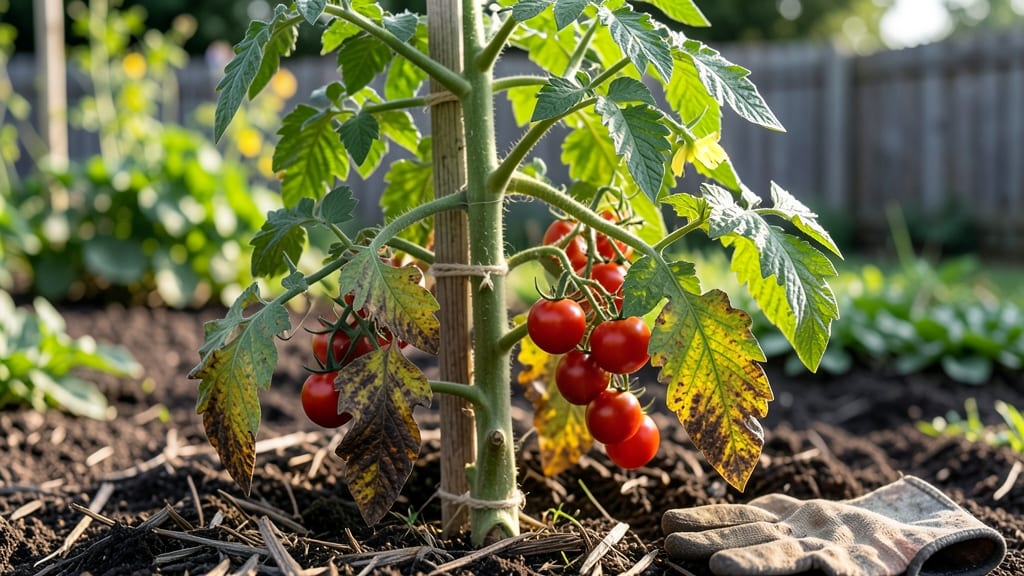
Seeing the bottom of your tomato plant turn brown can feel like a death sentence for your summer harvest. 🌱 Honestly, I’ve stared at enough wilting tomato stems to know this isn’t always the end—it’s usually a fixable problem.
The key is figuring out whether it’s early blight, root rot, or even blossom end rot masquerading as a bigger issue.
Most of the time, brown bottoms come from overwatering or poor drainage, which drowns roots and invites fungus. I’ve saved plants by simply adjusting watering to 1-1.5 inches per week and adding compost to improve soil aeration.
If the stems feel mushy when you touch them, that’s your clue it’s rot—not blight.
Within a week of fixing drainage and cutting back on water, you’ll often see new green growth pushing up from the base. The plants rebound faster than you’d expect, and the fruit keeps coming. Just avoid wetting the leaves when watering—that’s how blight spreads.
If the problem persists after two weeks of adjustments, dig up a plant and check the roots. Healthy roots are firm and white; slimy or black roots mean it’s time to pull and replant.
The good news? This is one of those gardening problems that’s easier to prevent than you think.
Root Causes Of Tomato Plant Discoloration
Understanding why the base of your tomato plant turns brown is the first step to saving your harvest. 🌱🍅 These issues often stem from environmental stress, nutrient imbalances, or disease pressure.
Below, we break down the most common culprits—each with clear explanations and actionable insights to help you diagnose and fix the problem.
When tomato plants sit in soggy soil for too long, their roots suffocate, leading to anaerobic conditions (lack of oxygen).
This triggers: - Root rot (often caused by Phytophthora or Pythium fungi), where roots turn mushy and brown. - Blossom end rot (indirectly linked), as inconsistent water uptake stresses the plant. - Stem collapse near the base if the root system fails to support the plant.
Why it happens:
- Compacted or clay-heavy soil traps excess moisture.
- Overzealous watering (e.g., daily shallow watering instead of deep, infrequent soaks).
- Lack of drainage in containers or raised beds.
Red flag: The soil smells sour or like rot, and the plant feels spongy at the base.
Early blight (Alternaria solani) is a soil-borne fungus that thrives in warm, humid conditions.
It attacks the lower leaves and stems, causing: - Brown, concentric "target" spots on leaves. - Dark, sunken lesions on the stem near the soil line. - Premature leaf drop, weakening the plant’s ability to photosynthesize.
Why it happens:
- Splashing water from overhead irrigation spreads spores.
- Crowded plants with poor airflow trap moisture.
- Old crop debris left in the soil over winters, harboring spores.
Red flag: Spots appear on older, lower leaves first, then spread upward.
Tomatoes are heavy feeders, and imbalances—especially in calcium, potassium, or magnesium—can cause browning at the base.
| Nutrient Deficiency | Symptoms | Cause |
|---|---|---|
| Calcium (Blossom End Rot) | Brown, leathery patches at the stem end of fruit (not the base, but linked to root stress). | Low calcium uptake due to dry soil or high nitrogen fertilizers. |
| Potassium | Yellowing leaf edges + brown, crispy patches near the stem. | Poor soil health or overwatering leaching nutrients. |
| Magnesium | Interveinal chlorosis (yellow between veins) + brown stem discoloration. | Compacted soil or acidic pH (below 6.0). |
Why it happens:
- Over-fertilizing with nitrogen (e.g., too much manure or synthetic N) crowds out other nutrients.
- pH imbalances (tomatoes prefer 6.0–6.8; acidic soil locks out nutrients).
- Poor soil structure prevents roots from accessing nutrients efficiently.
Red flag: Browning starts at the leaf margins or stem base and spreads inward.
Mechanical stress or pests can compromise the stem, leading to browning:
- Cutworms or slugs girdling the stem at the soil line.
- Hail or wind damage bruising the base.
- Improper pruning (cutting too close to the stem) creates entry points for pathogens.
Why it happens:
- Lack of mulch exposes stems to temperature swings and pests.
- Overcrowded plants compete for resources, weakening stems.
- Trauma from transplanting (e.g., rough handling of roots).
Red flag: Chewed stems, uneven browning, or stems that snap easily.
Tomatoes are sensitive to temperature extremes:
- Cold snaps (<50°F/10°C) cause physiological damage, turning stems brown.
- Heat stress (>90°F/32°C) leads to sunscald on exposed stems, especially in containers.
- Sudden drought followed by heavy watering causes root shock.
Why it happens:
- Poor mulching leaves roots exposed to temperature swings.
- Inadequate shade cloth in hot climates.
- Late-season frosts (common in short growing areas).
Red flag: Browning appears suddenly after a weather shift, often with wilting or leaf scorch.
Fixing Brown Bottoms in Tomato Plants
If your tomato plant’s bottom is turning brown, don’t panic—there’s a solution for every cause! Below, we’ve mapped out practical fixes for blight, blossom end rot, overwatering, and poor soil conditions, plus prevention tips to keep your plants thriving. Follow these steps to revive your tomatoes and protect future harvests.
Blight causes dark, mushy spots at the plant’s base (and leaves). Act fast to stop it from spreading!
🔥 Step 1: Remove Infected Parts Immediately
- Snip off brown, wilted, or spotted stems and leaves below the soil line using clean pruners. Dispose of them in the trash (not compost).
- Wear gloves—blight spores can irritate skin.
🍳 Step 2: Apply Fungicide
- Store-bought: Use a copper-based fungicide (like Bordeaux mixture) or a neem oil spray (1 tsp neem oil + 1 tsp mild soap per quart of water).
Spray every 7–10 days until new growth appears. - Homemade: Mix 1 tbsp baking soda + 1 tsp dish soap + 1 gallon water and spray foliage (avoid flowers). Reapply after rain.
👨🍳 Step 3: Improve Airflow & Light
- Prune nearby plants to reduce humidity around your tomato.
- Space plants 18–24 inches apart and stake them for vertical growth.
- Water at the base (not overhead) to keep leaves dry.
💡 Prevention Tips
- Rotate crops: Avoid planting tomatoes in the same spot yearly.
- Choose resistant varieties: Look for ‘Mountain Merit’ or ‘Defiant PhR’ tomatoes.
- Mulch with straw to prevent soil splashing onto leaves.
Blossom end rot causes brown, leathery bottoms on tomatoes (and squash/peppers). It’s not a disease—it’s a calcium uptake issue!
🥘 Step 1: Boost Calcium Quickly
- Spray leaves with a calcium solution: Mix 1 tbsp calcium chloride or crushed eggshells per gallon of water.
Spray early morning or evening to avoid leaf burn. - Side-dress soil with gypsum (calcium sulfate) or bone meal around the plant (not touching stems).
🔪 Step 2: Fix Watering Habits
- Water deeply but infrequently—tomatoes hate soggy roots. Aim for 1–1.5 inches per week.
- Avoid wetting leaves (use drip irrigation or soaker hoses).
⏰ Step 3: Balance Soil pH
- Test your soil’s pH (ideal: 6.0–6.8). If too acidic (<6.0), add lime per package instructions.
🌡️ Prevention Tips
- Mulch heavily (2–3 inches of straw) to keep moisture consistent.
- Avoid over-fertilizing with nitrogen—it burns roots and blocks calcium uptake.
- Harvest early if rot appears—smaller tomatoes ripen faster and may still be edible.
Waterlogged soil starves roots of oxygen, turning the base brown and mushy. Fix it with these steps:
🔥 Step 1: Check Soil Drainage
- Dig a hole 12 inches deep near the plant. Fill it with water—if it doesn’t drain in <4 hours, your soil is too compacted.
- Solution: Amend soil with compost or perlite to improve aeration.
🍳 Step 2: Adjust Watering Routine
- Let the top 1–2 inches of soil dry out between waterings. Stick your finger in—if it’s damp, wait!
- Use raised beds or containers if your garden soil drains poorly.
👨🍳 Step 3: Prune Damaged Roots (If Severe)
- Gently loosen soil around the base (don’t tear roots) and trim any black, mushy roots with sterilized scissors.
- Replant with fresh potting mix if container-grown.
💡 Prevention Tips
- Plant tomatoes on mounds (6–8 inches high) to improve drainage.
- Avoid watering at night—cool, damp conditions invite disease.
- Use a moisture meter to track soil hydration (aim for 40–60% moisture).
Yellowing or brown bottoms can signal nitrogen, phosphorus, or potassium deficiencies. Feed your plant the right nutrients:
🥘 Step 1: Test Soil & Fertilize Smartly
- Nitrogen (yellow leaves): Add compost or blood meal.
- Phosphorus (purple stems): Use bone meal or rock phosphate.
- Potassium (weak stems): Apply wood ash or greensand.
🔪 Step 2: Use a Balanced Tomato Fertilizer
- Switch to a 5-10-10 or 10-10-10 NPK fertilizer (like tomato-specific granules).
- Foliar feed: Mix 1 tbsp liquid seaweed + 1 gallon water and spray leaves weekly.
⏰ Step 3: Mulch to Retain Nutrients
- Spread 2–3 inches of straw or grass clippings around the base (keep mulch 2 inches away from stems).
🎯 Prevention Tips
- Side-dress with compost every 3–4 weeks during fruiting.
- Avoid synthetic fertilizers—they can burn roots. Opt for organic slow-release options.
- Rotate crops to prevent nutrient depletion in the soil.
With these fixes, your tomato plant’s brown bottoms should fade, and your harvest will bounce back stronger. Act fast for blight, adjust watering for rot, and feed wisely for deficiencies. Happy gardening! 🍅✨
Frequently asked questions
Why does the base of my tomato plant turn brown suddenly?
The most common causes are overwatering (leading to root rot) or early blight fungus. Check if the soil feels soggy or smells sour—this indicates rot. For blight, look for brown spots with concentric rings on lower leaves. Both issues spread quickly in warm, humid conditions.
Can I still save my tomato plant if the bottom is completely brown and mushy?
It depends! If the entire base is mushy and smells rotten, the plant may be beyond saving. However, if only part of the stem is affected, cut back to healthy green tissue 1 inch above the browning and improve drainage immediately. For root rot, trim black roots and repot in fresh, well-draining soil.
Is brown bottom on tomatoes the same as blossom end rot?
No—blossom end rot causes brown, leathery patches on the fruit's bottom, not the plant stem. However, both issues stem from calcium deficiency or inconsistent watering. Fix watering habits (deep, infrequent soaks) and add calcium (like eggshells or gypsum) to prevent both problems.
How can I prevent brown bottoms in future tomato plants?
Start with well-draining soil (mix compost with perlite) and use drip irrigation to avoid wetting leaves. Space plants 18-24 inches apart for airflow, and mulch with straw to maintain even moisture. Rotate crops yearly to prevent soil-borne diseases from building up.
Will copper fungicide work for brown bottoms caused by overwatering?
No—copper fungicides only treat fungal diseases like blight, not root rot from overwatering. For waterlogged soil, focus on improving drainage and adjusting your watering schedule. If roots are mushy, trim the damaged parts and repot in fresh soil to prevent further spread.