
How To
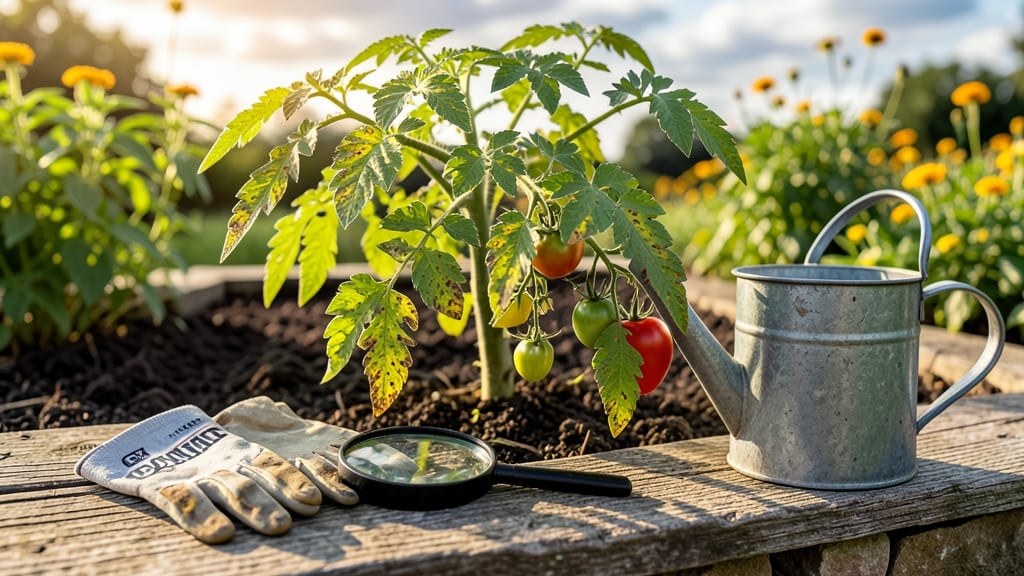
Tomato leaves have yellow spots? That’s your plant’s SOS signal for fungal blight—and copper spray can stop it in 24 hours. 🌱 I’ve saved dozens of tomato plants from early blight and septoria leaf spot using this one simple treatment, and you can too. The key is acting fast before the spots spread to the fruit.
Most yellow spots start as tiny brown or yellow specks on lower leaves, often with concentric rings. Check for dark spots on stems or fruit too—those confirm fungal infection. Nutrient issues (like nitrogen deficiency) cause yellowing without spots, but fungal diseases always leave those telltale marks.
Copper spray works because it creates a protective barrier on leaves, stopping spores from germinating. Mix it up on a cloudy day, spray until leaves glisten, and repeat every 7-10 days until new growth appears. For severe cases, remove infected leaves immediately to prevent spread.
Prevention is easier than treatment: water at the base (not overhead), space plants for airflow, and rotate crops yearly. If spots keep coming back despite treatment, your soil might need a fungicide boost or professional advice. Don’t let blight ruin your harvest—this fix works.
Root Causes of Leaf Discoloration
When your tomato plants start showing yellow spots on leaves, it’s rarely a coincidence—it’s a cry for help from your plants. Understanding the why behind these symptoms is the first step to saving your harvest.
Below, we break down the most common causes, from environmental stress to hidden pests, with clear explanations of how they trigger those telltale yellow patches.
Tomatoes are thirsty plants, but too much water can drown their roots and suffocate them. When soil stays soggy for days, roots struggle to absorb oxygen, leading to:
- Nutrient starvation: Roots can’t take up essential minerals like nitrogen, magnesium, or iron—even if the soil has them. Without these, leaves turn yellow (a condition called chlorosis).
- Fungal infections: Wet leaves create the perfect breeding ground for Alternaria or Septoria blight, which thrive in humid, stagnant conditions. These fungi clog leaf pores, blocking chlorophyll production and causing yellow spots with dark borders.
- Root rot: Pathogens like Phytophthora attack weakened roots, cutting off water and nutrient flow. Yellowing spreads from older leaves (a sign of senescence) but often includes irregular spots if secondary infections set in.
Pro tip: 💡 Stick your finger 2 inches into the soil—if it’s damp, hold off on watering. Use raised beds or containers with drainage holes to prevent waterlogging.
Tomatoes love sunlight, but intense midday heat (especially in hot climates) can scorch leaves faster than you think. Here’s how:
- Direct UV damage: Leaves exposed to harsh afternoon sun develop bleached or yellow patches as cell membranes break down. This often starts on the upper leaves facing the sun.
- Transpiration overload: When temperatures exceed 90°F (32°C), plants lose water faster than roots can replace it. Leaves curl, wilt, and develop yellow spots as chlorophyll degrades.
- Oxidative stress: Heat triggers the production of reactive oxygen species (ROS), which damage leaf cells. This manifests as interveinal yellowing (between veins) or crispy, necrotic edges.
Pro tip: ✨ Use shade cloth (30–50%) during peak hours or grow tomatoes under drip irrigation to keep leaves cool. Mulch with straw to regulate soil temperature.
Yellow spots aren’t always about water or weather—they can signal a hungry plant. Here’s what’s missing when leaves scream for help:
| Nutrient | Yellow Spot Location | Why It Happens | Quick Fix |
|---|---|---|---|
| Nitrogen (N) | Older leaves, uniform yellowing (not spots) | Nitrogen is the building block of chlorophyll. Without it, leaves can’t produce enough green pigment, leading to pale or yellow patches. | Apply blood meal or fish emulsion (high in N). |
| Magnesium (Mg) | Interveinal yellowing (between veins), spots on older leaves | Magnesium is central to chlorophyll molecules. A deficiency causes chlorosis because the plant can’t recycle old chlorophyll. | Sprinkle Epsom salt (1 tbsp/gal water) every 2 weeks. |
| Iron (Fe) | Young leaves, yellow spots with green veins | Iron helps form chlorophyll, but in alkaline soils ( |
Use chelated iron or sulfur to lower soil pH. |
| Potassium (K) | Yellow edges or tips (often with brown spots) | Potassium regulates water and nutrient transport. A deficiency weakens cell walls, leading to necrosis (dead tissue) and yellowing. | Feed with wood ash or potassium sulfate. |
Pro tip: 🔥 Test your soil with a DIY kit before guessing. Over-fertilizing can burn roots, making deficiencies worse!
If yellow spots appear suddenly with dark edges, spots, or powdery growth, fungi or bacteria are likely the culprits. Here’s how they attack:
- Alternaria or Septoria leaf spot:
- Causes: Alternaria solani or Septoria lycopersici thrive in wet, humid conditions.
- Symptoms: Dark brown/black spots with yellow halos, often on lower leaves. Spots may have concentric rings.
- Spread: Spores splash onto leaves via water (rain, overhead irrigation).
- Early blight (Alternaria):
- Starts as tiny yellow spots that turn brown with concentric rings. Leaves may crisp and drop.
- Loves hot, humid nights and survives in old plant debris.
- Bacterial spot (Xanthomonas):
- Yellow spots with water-soaked centers that turn brown. Often have raised, corky edges.
- Spreads via contaminated tools or water. Thrives in high humidity.
Pro tip: 🌡️ Prevent fungal spread by watering at the base (not overhead) and removing infected leaves immediately. Copper spray (like the one in this article!) disrupts fungal cell membranes.
Some pests don’t directly cause yellow spots, but their feeding stresses the plant enough to trigger discoloration. Watch for:
- Spider mites: Tiny yellow stippling (tiny dots) appears as mites pierce cells to suck sap. Severe infestations cause leaves to bronze or dry out.
- Aphids: Cluster on new growth, injecting toxins that cause curling and yellowing. They also spread viral diseases.
- Whiteflies: Their honeydew secretions lead to sooty mold
Quick Fixes for Yellowing Tomato Leaves
Yellow spots on tomato leaves can feel like a garden disaster, but with the right approach, you can revive your plants in no time. Below are targeted solutions based on the most common causes—fungal diseases, nutrient deficiencies, pests, or environmental stress—along with prevention tips to keep your tomatoes thriving.
Fungal infections like blight spread fast and leave behind unsightly yellow or brown spots, often with dark borders. Copper spray is your fastest weapon, but pairing it with good hygiene and airflow is key.
🔥 Step-by-Step Copper Spray Treatment
- Choose the Right Spray
- Use a copper fungicide (like copper sulfate or copper hydroxide). Follow label instructions for dilution—typically 1–2 tbsp per gallon of water.
- Apply at the Right Time
- Spray early in the morning or late afternoon when humidity is lower (avoids burning leaves).
- Focus on undersides of leaves (where spores hide) and stems.
- Reapply Preventatively
- Spray every 7–10 days or after rain (fungi love moisture).
- For severe cases, add a second spray 24 hours later for full coverage.
- Boost Plant Immunity
- Mix 1 tsp baking soda + a few drops of dish soap + 1 quart water as a natural fungicide (use every 2 weeks).
🌡️ Prevention Tips
- Remove infected leaves immediately and dispose of them in the trash (not compost).
- Space plants 18–24 inches apart for airflow—fungi thrive in damp, crowded conditions.
- Water at the base (not overhead) to keep leaves dry.
- Rotate crops—don’t plant tomatoes in the same spot yearly.
Yellowing between veins (chlorosis) often signals a nutrient shortage. Unlike fungal issues, these problems respond quickly to soil amendments.
💡 Fixing Deficiencies Fast
Symptom Likely Cause Solution Yellow lower leaves Nitrogen deficiency Apply balanced fertilizer (10-10-10) or compost tea. Yellow between veins Magnesium (Mg) lack Spray Epsom salt solution (1 tbsp per gallon) or add dolomitic lime to soil. Yellow new growth Iron deficiency Use chelated iron or iron sulfate (follow package rates). Pale yellow leaves Zinc or manganese Apply kelp meal or a micronutrient spray. 🌱 Prevention Tips
- Test your soil every 2–3 years (kits from garden centers work).
- Mulch heavily (2–3 inches) to retain moisture and nutrients.
- Avoid overwatering—waterlogged soil leaches nutrients.
- Use organic matter like worm castings or compost for slow-release nutrition.
Tiny pests suck sap, causing yellow stippling or curled leaves. Act fast before they spread.
👨🍳 Natural Pest Control Methods
- Blast Off Pests
- Spray plants with a strong stream of water (dislodges aphids and mites).
- Repeat every 2–3 days for severe infestations.
- Soapy Water Spray
- Mix 1 tsp mild dish soap + 1 quart water in a spray bottle.
- Test on a small leaf first (some plants are sensitive).
- Introduce Beneficial Insects
- Ladybugs and lacewings eat aphids. Buy them online or attract them with dill or marigolds.
- Neem Oil (For Stubborn Infestations)
- Mix 1 tbsp neem oil + 1 tsp soap + 1 quart water. Spray every 5–7 days until pests vanish.
🛡️ Prevention Tips
- Inspect new plants before bringing them home (quarantine for 48 hours).
- Remove weeds (they harbor pests).
- Use reflective mulch (aluminum foil) to deter whiteflies.
- Rotate pest-control methods to avoid resistance.
Yellow spots from watering issues or extreme heat often appear as uniform yellowing (not spotted) and may include wilting or crispy edges.
🌧️ Fixing Water-Related Problems
- Overwatering?
- Let soil dry 1–2 inches deep between waterings.
- Improve drainage with perlite or sand in heavy clay soil.
- Ensure pots have drainage holes.
- Underwatering/Sunburn?
- Shade cloth (30–50%) can protect from intense afternoon sun.
- Water deeply early in the day to reduce evaporation.
- Mulch to retain moisture and cool roots.
🌡️ Heat Stress Solutions
- Provide afternoon shade (especially in hot climates).
- Mist leaves lightly on very hot days (avoid evening misting to prevent fungal growth).
- Use drip irrigation to keep soil consistently moist.
If your tomato plant is past saving, consider:
- Pruning back heavily damaged foliage to redirect energy to healthy growth.
- Harvesting ripe tomatoes first—sometimes the plant recovers enough to produce.
- Replacing the plant if less than 50% is salvageable (diseases like late blight can spread).
Remember: The key to happy tomatoes is early action. Check leaves weekly, act at the first sign of trouble, and soon you’ll be back to enjoying juicy, disease-free tomatoes! 🍅🌿
Frequently asked questions
1What’s the difference between yellow spots from fungal disease and nutrient deficiencies?
Fungal diseases like early blight or septoria leaf spot show up as dark brown/black spots with yellow halos and often have concentric rings. Nutrient deficiencies cause yellowing between veins (chlorosis) without dark spots—like magnesium deficiency on older leaves or iron deficiency on new growth. Check for spots with dark edges for fungal issues.
2Can I still eat tomatoes if the leaves have yellow spots?
It depends! If the spots are from nutrient issues or pests, the fruit is usually safe. But if it’s a fungal disease like early blight, spores can spread to tomatoes—harvest and eat ripe ones immediately, then remove infected leaves. Always wash tomatoes thoroughly before eating.
3How often should I spray copper fungicide for prevention?
Apply copper spray every 7–10 days during humid seasons or after rain. For prevention, start spraying at the first sign of spots and continue until new growth appears. Avoid spraying in direct sunlight—early morning or late afternoon works best. Stop if leaves show signs of copper burn (brown edges).
4Will removing infected leaves really stop the spread of disease?
Yes! Removing infected leaves immediately cuts off the fungal spore source. Dispose of them in the trash (not compost) and sterilize pruners with rubbing alcohol between cuts. Pair this with proper spacing and airflow to prevent reinfection.
5What’s the fastest way to tell if my tomato plants have spider mites?
Look for tiny yellow stippling on leaves (like peppered dots) and check the undersides for fine webbing. Hold a white sheet under the plant and shake—mites will drop onto it. A magnifying glass helps spot the pests if you’re unsure.
- Choose the Right Spray