
Companion Plants
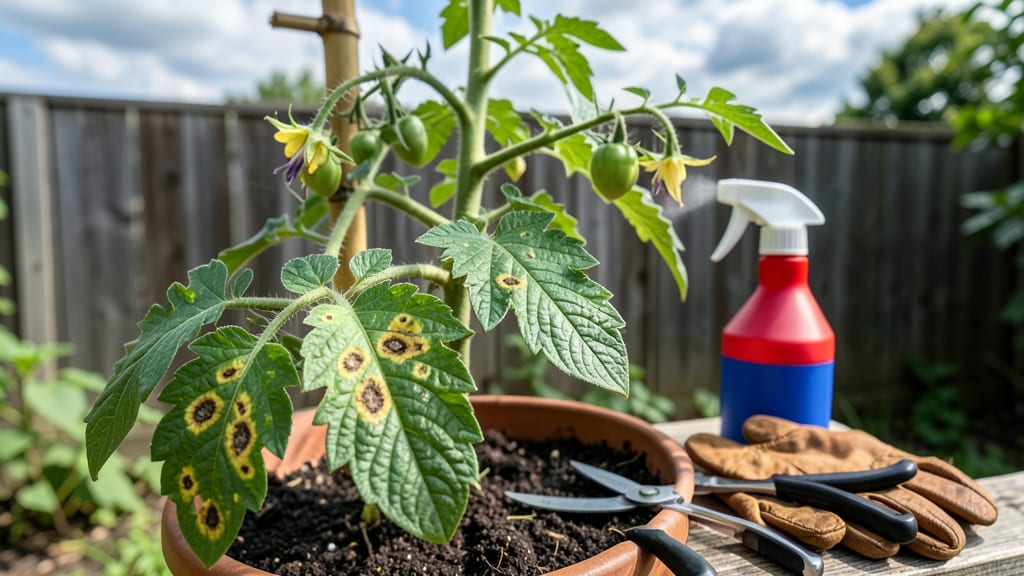
Your tomato plant has yellow spots on the leaves?
That’s your plant’s SOS signal—and it’s easier to fix than you think. 🌱 I’ve saved more tomato plants from this exact problem than I can count, and the solution always comes down to three simple swaps that work whether it’s nutrient deficiency, fungal stress, or environmental overload.
The first step is identifying the spots: are they dry and brown with yellow halos (fungal), or just pale and soft (nutrient)? Most gardeners miss the early signs—those tiny yellow specks on lower leaves—because they assume it’s just old age.
But caught early, you can stop it before it spreads to the fruit. My go-to fix? A balanced fertilizer swap (like 10-10-10) for deficiency, copper fungicide for fungal spots, and better airflow for environmental stress.
Within 7-10 days of the right fix, you’ll see new growth pushing out vibrant green leaves, and the spots will stop spreading. The key is acting fast—once the fungus or deficiency takes hold, it’s harder to reverse.
I’ve even revived plants that looked doomed by mid-July with these swaps, and they still produced full-sized tomatoes by harvest.
Works for container tomatoes, raised beds, or in-ground gardens—just adjust the fertilizer ratio based on your soil test. Here’s how to diagnose and fix it before it ruins your harvest.
Root Causes of Leaf Spots
Yellow spots on tomato leaves aren’t just a cosmetic issue—they’re a cry for help from your plant! Understanding the why behind these symptoms is the first step to saving your harvest.
Below, we break down the most common culprits, from nutrient imbalances to unseen pests, with science-backed explanations and actionable clues to pinpoint the problem.
Tomatoes are heavy feeders, and when their diet lacks key nutrients, leaves react with yellowing, spotting, or even browning. The most likely suspects?
- 📊 Nitrogen Deficiency (Yellowing Between Veins) Nitrogen fuels leaf growth, and without it, older leaves turn pale yellow or yellowish-green. Why? Chlorophyll production grinds to a halt, leaving leaves unable to photosynthesize efficiently. - Actionable clue: Check the older leaves first—if they’re the ones yellowing, nitrogen is likely the issue. - Fix: Apply a balanced fertilizer (10-10-10) or compost tea.
For organic growers, try blood meal or fish emulsion (high in nitrogen).
- 💊 Magnesium Deficiency (Interveinal Chlorosis) Magnesium is the backbone of chlorophyll.
When soil pH is too high (alkaline) or magnesium is locked out, leaves develop yellow patches between veins, starting on older foliage. - Actionable clue: Look for yellowing that follows the leaf veins like a net. - Fix: Epsom salt (magnesium sulfate) is your best friend.
Mix 1 tablespoon per gallon of water and spray on leaves weekly for 2–3 weeks.
- 🌡️ Iron or Manganese Lockout (Yellowing New Growth) In alkaline soils (pH >7.0), iron and manganese become unavailable to plants, causing young leaves to yellow while veins stay green.
- Actionable clue: New leaves are affected first—this is a red flag for pH issues.
- Fix: Lower soil pH with sulfur or peat moss, or use chelated iron (like Ironite) as a foliar spray.
Fungi thrive in warm, humid conditions and can turn tomato leaves into a yellow-spotted mess within days. The most aggressive offenders?
- **🍄 Early Blight (Alternaria solani) - Symptoms: Concentric (target-like) brown/yellow spots with gray centers. Spots often appear on older leaves first. - Why it happens: Fungal spores splash onto leaves from infected soil or debris.
Warm, wet weather (75–85°F) is their ideal breeding ground. - Fix: - Prevent: Space plants for airflow, remove infected leaves, and mulch with straw (not grass clippings, which spread spores). - Treat: Spray with copper fungicide or neem oil every 7–10 days.
For organic growers, baking soda spray (1 tbsp baking soda + 1 tsp oil + 1 gallon water) works in a pinch.
- 🍅 Late Blight (Phytophthora infestans) - Symptoms: Oily, greasy-looking yellow spots that spread rapidly. Leaves may develop a white, fuzzy mold on the underside. - Why it happens: This devastating fungus spreads via water and wind.
Cool, wet conditions (50–77°F) accelerate its growth. - Fix: - Act fast! Remove infected plants immediately and sterilize tools with rubbing alcohol. - Prevent: Use resistant varieties (like ‘Mountain Merit’ or ‘Defiant PhR’). Apply fixed copper fungicide as a preventative spray.
Some pests don’t just chew leaves—they inject toxins or spread diseases that trigger yellowing. Watch for these sneaky culprits:
- 🐜 Spider Mites - Symptoms: Tiny yellow stipples (like peppering) on leaves, often with fine webbing underneath. - Why it happens: These microscopic pests pierce cells to suck sap, causing chlorophyll loss and yellowing.
They thrive in dry, hot conditions. - Fix: - Blast them off with a strong spray of water. - Treat: Spray with neem oil or insecticidal soap. Release predatory mites** (like Phytoseiulus persimilis) for long-term control.
- 🐛 Aphids - Symptoms: Sticky, curled leaves with yellow patches where aphids feed.
Look for black sooty mold (a fungus that grows on their honeydew). - Why it happens: Aphids inject toxins while feeding, disrupting nutrient flow and causing localized yellowing. - Fix: - Knock them off with a soapy water spray. - Attract predators like ladybugs or lacewings by planting dill, fennel, or marigolds nearby.
Tomatoes are sensitive to moisture stress, and both overwatering and underwatering can trigger yellow spots.
- 🌊 Overwatering (Root Rot & Oxygen Starvation) - Symptoms: Yellowing leaves with mushy stems, wilting despite wet soil, or white fungal growth at the base. - Why it happens: Waterlogged soil cuts off oxygen to roots, leading to root rot (often caused by Pythium or Phytophthora).
Roots can’t absorb nutrients, so leaves yellow. - Fix: - Improve drainage by amending soil with perlite or compost. - Water deeply but less often—tomatoes prefer 1–1.5 inches per week.
- 💧 Underwatering (Stress-Induced Chlorosis)
- Symptoms: Crispy yellow edges or drooping leaves that don’t bounce back when watered.
- Why it happens: Drought stress forces plants to shut down chlorophyll production in affected areas.
- Fix:
- Water at the base (not leaves) to prevent fungal spread.
- Mulch heavily to retain moisture.
Even healthy tomatoes can develop yellow spots when pushed beyond their comfort zone.
- ☀️ Heat Stress (Sun Scorch)
- Symptoms: Pale yellow or white patches on leaves exposed to direct afternoon sun, often with crispy edges.
- Why it happens: Intense heat denatures chlorophyll, causing oxidative damage.
- Fix:
- Provide afternoon shade with a cloche or shade cloth (30–50% coverage).
- Mulch with straw to keep roots cool.
- ❄️ Cold Stress (Chilling Injury)
- Symptoms: Yellowing leaves with brown, water-soaked spots, often after a cold snap.
- Why it happens: Temperatures below 50°F disrupt cell membranes, leading to nutrient leakage and yellowing.
- Fix:
- Use row covers for young plants.
- Avoid watering before frost—wet leaves freeze and damage cells.
Fix Yellow Spots Fast
Yellow spots on your tomato leaves can feel like a mystery, but the good news? Most fixes are simple swaps—no fancy tools or guesswork required. Below, we’ll match your plant’s symptoms to the right cure, plus share pro tips to keep those leaves lush and green. Let’s get growing!
If your tomato’s yellow spots are paired with stunted growth or pale leaves, it’s likely a nutrient deficiency. Here’s how to diagnose and fix it:
🔥 Iron Deficiency (Chlorosis)
Yellowing between leaf veins (while veins stay green) is classic iron chlorosis. Tomatoes love iron, but soil pH or poor drainage can lock it out. Fix: - Swap in: Chelated iron (like iron sulfate or EDTA chelates).
Sprinkle 1 tablespoon per plant around the base, then water deeply. - Swap the soil: If your soil is alkaline (pH > 7.0), mix in peat moss or compost to lower pH naturally. - Swap the water: Water in the morning to prevent root rot, which worsens nutrient uptake.
🍳 Nitrogen Deficiency (Leggy Leaves)
Yellowing lower leaves with weak stems? Your tomato is starving for nitrogen, the growth fuel. Fix: - Swap in: A balanced fertilizer (10-10-10 or 5-5-5) or blood meal (organic nitrogen bomb).
Use 1 tablespoon per plant, scratch into soil, and water. - Swap the mulch: Add compost or well-rotted manure as mulch to slowly release nitrogen. - Swap the feeding schedule: Feed every 2–3 weeks during growing season (spring to summer).
👨🍳 Potassium Deficiency (Weak Spots)
Yellowing edges of leaves with brown spots? Potassium keeps cells strong—without it, your tomato’s defense crumbles. Fix: - Swap in: Potassium sulfate or wood ash (for organic gardens).
Use 1 teaspoon per gallon of water as a foliar spray or soil drench. - Swap the diet: Cook up banana peel tea (steep peels in water for 24 hours, then water plants). Bananas are potassium-rich! - Swap the stress: Avoid overwatering—soggy roots can’t absorb potassium.
Let soil dry 1 inch between waterings.
Yellow spots can also signal pests or pathogens. Act fast to save your harvest!
🔪 Fungal Issues (Early Blight or Septoria)
Yellow spots with dark rings or spots?
Fungi love damp leaves. Fix: - Swap the watering: Water at the base (not overhead) to keep leaves dry. - Swap the fungicide: Spray with neem oil (1 tsp per quart of water) or copper fungicide every 7–10 days. - Swap the airflow: Prune leaves to improve circulation—fungi thrive in crowded, humid spots.
🍅 Aphids or Spider Mites (Sap-Sucking Pests)
Tiny pests leave sticky residue and yellowed, curled leaves. Fix: - Swap the spray: Blast off pests with a strong stream of water (early morning).
Repeat daily for 3 days. - Swap the trap: Place yellow sticky traps near plants to catch adult pests. - Swap the predator: Introduce ladybugs or lacewings (buy online or attract with dill or fennel plants).
Once your tomato’s leaves are back to green, lock in success with these habits: - 💡 Test your soil every 2–3 years (or when issues arise). Adjust pH or nutrients as needed. - 🌡️ Monitor moisture—yellow spots often start with overwatering or underwatering.
Aim for consistent dampness, not soggy soil. - ✨ Rotate crops—don’t plant tomatoes in the same spot yearly. Fungal diseases and nutrient depletion build up! - 🎯 Companion plant smart—grow basil, marigolds, or onions nearby to repel pests and improve soil health.
Pro Tip: Keep a plant journal! Note when you fertilize, water, or spot issues. Patterns emerge fast—next year, you’ll catch problems before they spread. 🌿
Frequently asked questions
Why do yellow spots appear on tomato leaves first on older leaves?
Older leaves show symptoms first because they're the plant's nutrient reserves. When your tomato lacks nitrogen or magnesium, these nutrients get pulled from older leaves to support new growth. This is your plant's survival strategy—think of it as redistributing resources to protect the fruit-bearing parts.
Can I still harvest tomatoes if the leaves have yellow spots?
Yes, but focus on fruits that are already 75% ripe—these won't develop further quality issues. The leaves are just the plant's warning system; the fruit quality depends more on the roots' health. Remove heavily infected leaves to redirect energy to fruit production.
How do I tell if yellow spots are from fungus vs. nutrient deficiency?
Fungal spots often have dark borders or concentric rings and may appear greasy or moldy. Nutrient deficiencies cause uniform yellowing between veins (chlorosis) without dark borders. Check the leaf undersides for fungal growth—this confirms pathogens.
Will pruning yellow leaves help my tomato plant recover?
Yes, but only if you remove no more than 20% of the foliage at once. Prune leaves with spots to improve airflow and stop fungal spread. Avoid heavy pruning during flowering/fruiting—this stresses the plant when it needs energy for harvest.
How often should I fertilize tomatoes with yellow spots?
Start with a balanced fertilizer (10-10-10) every 2 weeks during active growth (spring-summer). For organic options, use compost tea weekly. Reduce frequency if you see new growth—over-fertilizing can burn roots and worsen yellowing.