
Companion Plants
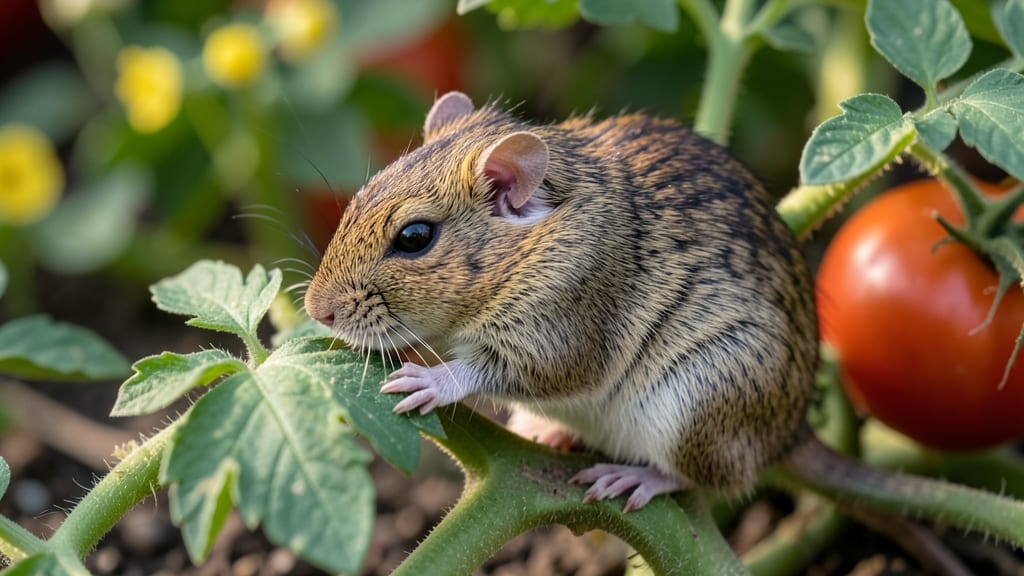
Voles eat tomato plants aggressively, chewing through stems, roots, and leaves, which can kill seedlings or stunt mature growth. Look for jagged bite marks and shallow tunnels near the soil surface. Stop them with hardware cloth barriers and natural repellents.
Voles are particularly destructive to tomato plants because they feed underground and at the base of stems, where damage is often hidden until it's too late. 🌱 Unlike rabbits or deer that might take large chunks from leaves, voles create precise, jagged cuts that weaken structural integrity.
I've seen entire tomato seedlings uprooted overnight in gardens where voles were active, leaving behind telltale surface tunnels that resemble shallow trenches.
These rodents prefer moist, protected areas, so they often target garden beds with thick mulch or dense ground cover. The key to prevention is combining physical barriers—like burying hardware cloth at least 12 inches deep—with repellents such as castor oil-based sprays.
I recommend checking your garden weekly for fresh damage, especially after heavy rains when voles become more active.
💡 In This Article
- How Voles Damage Tomato Plants and Identify Their Feeding Patterns
- Best Voles Repellents and Barriers for Tomato Gardens
How voles damage tomato plants and identify their feeding patterns
Voles attack tomato plants with surgical precision, focusing on the most vulnerable areas: the roots and lower stems. Their teeth are designed for gnawing through tough plant tissues, creating jagged, diagonal cuts that differ from the clean bites of rabbits or the torn edges left by deer.
These cuts disrupt the plant's vascular system, causing wilting even before you notice the damage. 🌱
Their feeding patterns reveal themselves through shallow surface tunnels (about 1-2 inches deep) near the soil line, which they create while foraging. Unlike moles, voles don't dig deep burrows—they prefer to stay close to the surface where they can access plant roots.
You'll often find these tunnels running in straight lines between plants, with fresh dirt piles marking their entry/exit points. Seedlings are especially vulnerable because voles can uproot entire plants in just 24 hours.
What makes vole damage particularly insidious is how quickly it progresses. A single vole can consume up to 10% of its body weight daily, meaning a medium-sized vole (about 4-6 ounces) could destroy a young tomato plant in 3-5 days.
The damage often goes unnoticed until you see wilting leaves or find plants suddenly pulled from the ground. This contrasts with rabbit damage, which typically shows as large chunks removed from leaves, or deer browsing that leaves clean, straight-line bites.
Voles also create feeding platforms by piling up soil around their tunnels, which can smother plant roots. These platforms are often 1-3 inches high and have a distinctive voles' nest-like texture from their constant movement.
The key identifying feature is the absence of fur or droppings near the damage—unlike mice or rats, voles rarely leave behind these telltale signs, making their presence harder to detect until it's too late.
Tomato plants show specific stress symptoms when voles are feeding: yellowing leaves at the base (from root damage), stunted growth despite adequate water, and sudden wilting even in cool weather.
The damage occurs most frequently in spring and fall, when voles are most active searching for food after winter or before colder months. This seasonal pattern helps explain why some gardeners experience vole damage only in certain years.
One fascinating aspect of vole behavior is their preference for moist, protected areas. They avoid open, dry spaces where predators like hawks or owls can spot them. This is why they often target garden beds with thick mulch or dense ground cover—these provide the perfect hiding spots.
Understanding this behavior is crucial for implementing effective deterrents that disrupt their feeding patterns while protecting your tomato plants.