
Pests
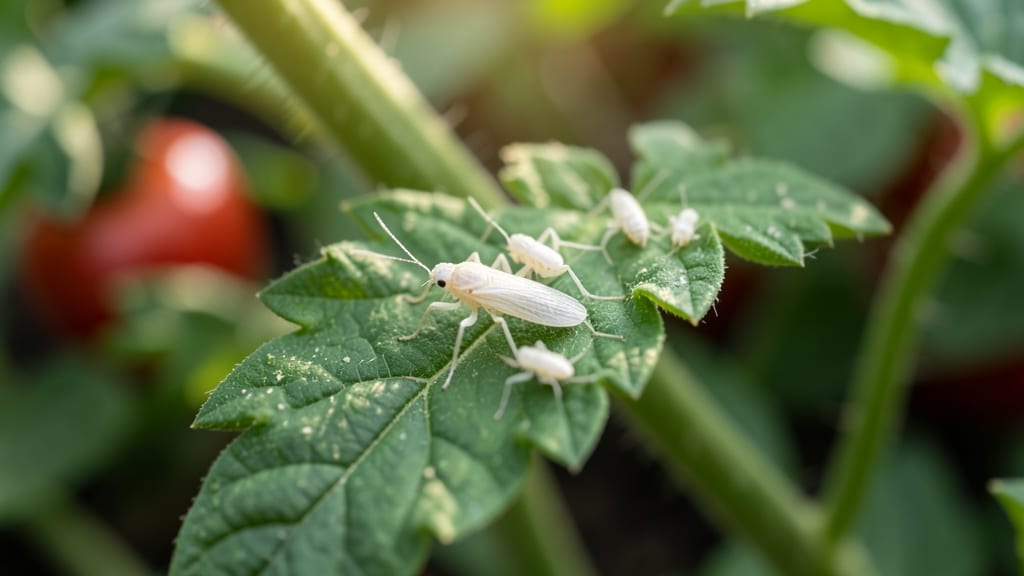
Those tiny white insects on your tomato plants aren't just annoying—they're sucking the life out of your harvest. 🌱 I've battled them for years, and I'm sharing the exact organic methods that clear them out in days without harming your plants or the soil.
The problem starts small: clusters of whiteflies or aphids on undersides of leaves, but left unchecked, they'll leave your tomatoes stunted and covered in sticky residue. The good news? You don't need harsh chemicals—just targeted organic sprays, companion plants, and a little vigilance.
Within 3-5 days of treatment, you'll see the pests drop off dramatically, and your plants will start looking healthier. The key is acting fast before they spread to other plants in your garden.
Works for backyard gardens, containers, and raised beds alike—no matter how bad the infestation looks, these methods bring them under control.
Root Causes Of White Invaders
Those pesky tiny white insects—likely whiteflies, aphids, or mealybugs—don’t just appear out of nowhere. They’re drawn to your tomato plants for specific reasons, often tied to environmental cues, plant stress, or even your gardening habits.
Understanding these triggers is the first step to stopping them before they wreak havoc. Let’s break down the most common causes and why they turn your lush tomatoes into an all-you-can-eat buffet.
Whiteflies and mealybugs thrive in hot, humid environments—think summer afternoons with little airflow. These insects prefer temperatures between 75–85°F (24–29°C), and stagnant air traps heat and moisture, making your tomato plants a perfect breeding ground. Here’s why:
- High humidity slows down the evaporation of water from leaves, creating a sticky, sugary residue (honeydew) that attracts more pests.
- Poor ventilation in greenhouses or crowded garden beds traps heat, mimicking their natural tropical habitats.
- Overwatering can drown roots, stressing plants and releasing volatile organic compounds (VOCs) that signal pests: "Hey, I’m weak—eat me!"
Pro Tip: 🌡️ If your tomatoes are wilting slightly in the heat, they’re already sending out distress signals. Use shade cloth or mulch to regulate soil temps and improve airflow.
Healthy tomato plants produce bitter-tasting sap and tougher leaves, which deter pests. But when plants are stressed—whether from nutrient deficiencies, disease, or physical damage—they become soft, sweet targets. Common stressors include:
| Stressor | How It Attracts Pests |
|---|---|
| Nitrogen deficiency | Yellowing leaves (chlorosis) reduce plant defenses, making them more appealing to aphids and whiteflies. |
| Over-fertilization | Excess nitrogen promotes lush, tender growth that pests love—but weak roots can’t support the plant long-term. |
| Fungal/bacterial infections | Spots, mold, or wilting create entry points for insects, and the resulting sap is a protein-rich snack. |
| Transplant shock | Newly moved plants are vulnerable; their recovery period is a prime time for mealybugs to latch on. |
Pro Tip: 💪 Conduct a quick soil test—if your tomatoes are pale or stunted, they’re crying for help. Balance your fertilizer with phosphorus (P) and potassium (K) to boost resilience.
Pests don’t respect property lines. If your tomato plants are near infested weeds, neighboring crops, or even houseplants, the tiny white invaders will hitchhike over. Here’s how it happens:
- Wind or water carries eggs or adults from infected plants to your tomatoes (e.g., whiteflies’ wings let them drift miles).
- Gardening tools or hands can transfer pests unknowingly. Mealybugs, for example, hide in soil crevices and crawl onto roots during repotting.
- Beneficial insects’ downfall: Ladybugs and lacewings might be absent if you’ve used pesticides nearby, leaving your tomatoes defenseless.
Pro Tip: ✨ Inspect all plants within a 10-foot radius of your tomatoes. Remove weeds (especially malvaceae family plants like mallow) and quarantine new additions for a week.
Once the first wave of whiteflies or aphids arrives, they leave behind honeydew—a sticky, sugary waste product that does double damage:
- Attracts more pests: Ants, wasps, and even sooty mold (a black fungal growth) thrive on honeydew, creating a cascading infestation.
- Clogs leaves: The residue blocks sunlight, stunting photosynthesis and weakening the plant further.
- Spreads viruses: Some pests (like aphids) transmit diseases like tomato yellow leaf curl virus while feeding.
Pro Tip: 🔥 If you spot black streaks on leaves, wipe them with a damp cloth and treat the plant immediately—sooty mold is a sign the infestation is already out of control.
Quick Fixes for Tiny White Pests
Discovering tiny white insects nibbling on your tomato plants can feel like a gardener’s nightmare—but don’t panic! With the right approach, you can eliminate them organically while keeping your plants thriving. Below, we’ve mapped out targeted solutions based on the most likely culprits (whiteflies, aphids, or mealybugs) and their behaviors.
Each fix is designed to be effective, plant-safe, and easy to implement, whether you’re a seasoned gardener or a beginner with a green thumb.
Before diving into treatments, confirm what you’re dealing with. Tiny white insects on tomato plants are usually one of these: - Whiteflies: Tiny, moth-like insects that flutter when disturbed (often found on the undersides of leaves). - Aphids: Soft-bodied, clustered pests that leave sticky residue (honeydew). - Mealybugs: Cottony, stationary bugs that hide in leaf crevices or stems.💡 Pro Tip: Shake a leaf over a white sheet of paper—if tiny white specks fly up, it’s likely whiteflies. If you see a sticky film, aphids are probably the culprits.
These DIY solutions are non-toxic, budget-friendly, and fast-acting for light to moderate infestations. #### 👨🍳 Homemade Neem Oil Spray (Best for Whiteflies & Mealybugs) Neem oil disrupts the pests’ life cycle and repels future visitors. Here’s how to make it:- Mix: 1 tbsp neem oil + 1 tsp mild dish soap (like Castile) + 1 quart of water.
- Shake well in a spray bottle (neem oil separates).
- Spray thoroughly on both sides of leaves, focusing on undersides and stems. Reapply every 5–7 days.
- Timing: Apply in the early morning or late evening to avoid harming beneficial insects.
✨ Bonus: Neem oil also acts as a fungicide, preventing mold from honeydew buildup.
#### 🥘 Soap Spray (Great for Aphids & Soft-Bodied Pests) A simple, low-cost solution that suffocates insects on contact.- Mix: 1 tbsp mild liquid soap (no detergents!) + 1 quart of water.
- Spray directly on pests until leaves are glossy with solution.
- Reapply every 3–4 days until pests disappear.
- Test first: Spray a small leaf to ensure it doesn’t cause browning.
🌡️ Warning: Avoid spraying in direct sunlight—it can burn leaves.
If sprays aren’t enough, physically remove the pests with these hands-on methods. #### 🕵️♂️ Yellow Sticky Traps (Whitefly Magnet) Whiteflies are attracted to yellow—use this to lure and trap them away from your plants.- Purchase or DIY traps using yellow cards coated with petroleum jelly or sticky tape.
- Hang traps near (but not touching) plants, about 2 feet above the foliage.
- Check traps daily and replace when saturated with pests.
- Combine with sprays for maximum effect.
🎯 Prevention Tip: Prune regularly to improve airflow, reducing humidity—whiteflies and mealybugs thrive in damp conditions.
Once your plants are pest-free, keep them that way with these proactive habits: | Prevention Method | How to Do It | Why It Works | |-----------------------------|---------------------------------------------------------------------------------|---------------------------------------------------------------------------------| | 🌱 Companion Planting | Plant basil, marigolds, or garlic near tomatoes. | Repels pests naturally with strong scents. | | 💦 Water at the Base | Avoid wetting leaves—water early in the day at soil level. | Reduces humidity, making plants less attractive to whiteflies and aphids. | | 🕷️ Encourage Beneficial Insects | Introduce ladybugs, lacewings, or parasitic wasps. | These predators eat pests on sight—order them online or attract them with diverse plants. | | 🌿 Regular Inspections | Check undersides of leaves weekly, especially after rain. | Catches infestations early before they spread. | | 🍂 Clean Up Debris** | Remove fallen leaves and weeds from the garden bed. | Pests hide in debris over winter—eliminate hiding spots! |💡 Extra Tip: If you’re using row covers, install them before pests appear—they block adult flies from laying eggs.
With these targeted fixes, your tomato plants will be pest-free in 2–4 weeks. Consistency is key—stick with treatments until you’ve seen two weeks without new pests. Happy gardening! 🌱🍅
Frequently asked questions
What are those tiny white specks fluttering around my tomato plants?
Those are most likely whiteflies—tiny moth-like insects that become active when disturbed. They cluster on leaf undersides and leave behind sticky honeydew. If they're stationary and cottony, you're dealing with mealybugs instead. Both thrive in warm, humid conditions.
Will my tomato plants recover after I remove the white insects?
Yes! Once you eliminate the pests, your tomatoes can bounce back quickly. Focus on removing infested leaves, applying neem oil, and improving airflow. Within 2 weeks of consistent treatment, you'll see new growth and reduced stress symptoms. The key is acting before honeydew attracts secondary pests like ants.
Can I use vinegar spray to kill these white insects?
While vinegar can kill pests on contact, it's not ideal for tomato plants. The acidity can damage leaves and harm beneficial insects. Instead, use a 1:10 vinegar-to-water spray only on severe infestations, but focus on neem oil or insecticidal soap for safer, longer-term control.
How do I prevent these pests from coming back next season?
Start with cleanup: Remove all plant debris and weeds where pests hide. Plant companion plants like marigolds or basil, and introduce ladybugs or lacewings as natural predators. Use row covers early in the season to block adult flies from laying eggs.
Why do I keep seeing new white insects even after treatment?
This usually means the pests are coming from nearby plants or returning adults. Check surrounding vegetation and install yellow sticky traps to catch new arrivals. Also ensure you're treating both sides of leaves and reapplying sprays every 5-7 days until you see two weeks without new pests.