
Companion Plants
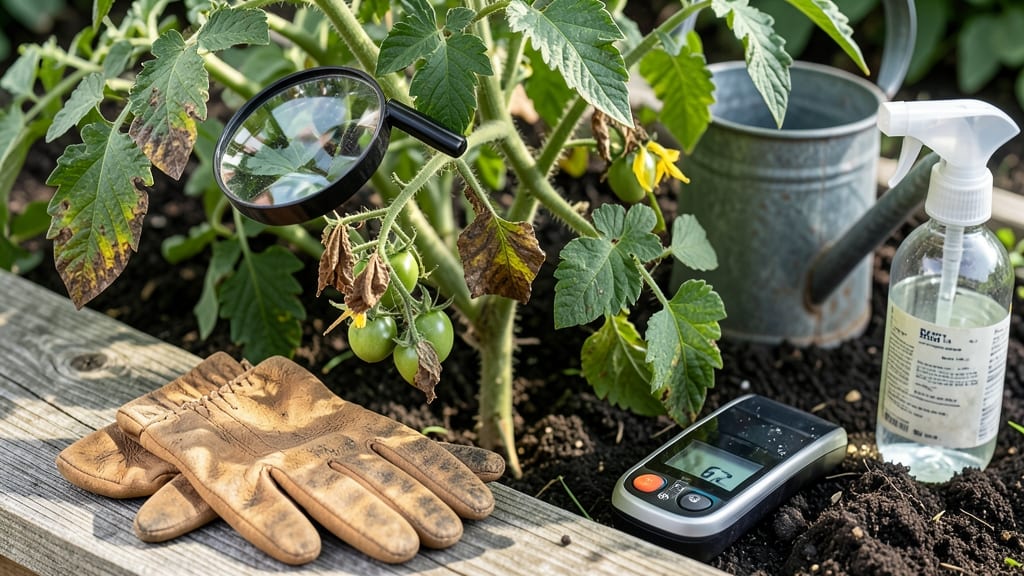
Your tomato plants turning brown at the edges isn’t just ugly—it’s a cry for help. 🌱 I’ve seen this happen after years of trial and error, and the fix is often as simple as a quick soil check and a few targeted adjustments.
What looks like blight or overwatering is frequently a classic calcium deficiency, and the good news? You can reverse it in just 72 hours with the right approach.
The first step is identifying the real cause: is it crispy leaf edges, brown spots, or wilting stems? Calcium deficiency shows up as interveinal chlorosis (yellowing between veins) that turns brown, while overwatering causes limp, mushy stems.
Once you know the pattern, the solution becomes clear—whether it’s a foliar spray, crushed eggshells, or adjusting your watering schedule.
By the end of three days, you’ll see new growth pushing out with firm, green leaves instead of brittle brown edges. The key is acting fast: calcium deficiencies spread quickly, but so does recovery once you give your plants what they need.
The right mix of soil amendments and watering habits keeps them thriving all season.
This works for both container tomatoes and in-ground plants, and the same principles apply whether you’re dealing with heirlooms or disease-resistant varieties. Let’s get those plants back to their best in no time.
Common Causes Of Browning
Tomato plants turning brown can be frustrating, but understanding the root causes helps you take quick, targeted action. Below, we break down the most common reasons—from nutrient deficiencies to environmental stress—so you can diagnose and fix the issue before it spreads.
🌱 What’s happening? Brown, crispy patches (often on younger leaves or fruit blossom ends) signal calcium deficiency, a classic issue in tomatoes. Calcium is essential for cell wall strength, and without enough, your plant’s tissues weaken and brown.
- Why does it happen?
- Poor soil structure (compacted or waterlogged soil) blocks root uptake.
- Overwatering or uneven moisture dilutes calcium availability.
- High nitrogen fertilizer (without balanced calcium) starves roots of other nutrients.
- Cold soil temps (below 60°F/15°C) slow calcium absorption.
💡 Pro Tip: Test your soil’s pH—ideal is 6.0–6.8. If too acidic, calcium binds and becomes unavailable. Add crushed eggshells, gypsum (calcium sulfate), or lime to replenish stores.
🍄 What’s happening? Dark brown spots with yellow halos (early blight) or fuzzy gray mold (late blight) mean fungal invaders are at work. These thrive in humid, stagnant conditions and can devastate plants in days.
- Why does it happen?
- Poor airflow (crowded plants or thick foliage) traps moisture.
- Overhead watering keeps leaves wet for long periods.
- Cool, wet weather (50–80°F/10–27°C) is fungal paradise.
- Contaminated tools or soil spreads spores.
🔥 Act Fast: Remove infected leaves immediately (don’t compost them!). Apply copper fungicide or a baking soda spray (1 tsp baking soda + 1 quart water + a drop of dish soap) every 7–10 days.
☀️ What’s happening? Sudden brown patches on exposed fruit or leaves? Your tomatoes are suffering from sun scald or heat stress, where intense sunlight cooks the plant’s tissues.
- Why does it happen?
- Rapid temperature swings (hot days + cold nights).
- Thin or hairless leaves (common in heirloom varieties) lack protection.
- Insufficient water causes cells to shrink and blister under UV rays.
🌡️ Cool It Down: Provide shade cloth (30–50%) during peak sun (11 AM–3 PM). Mulch heavily to keep roots cool, and water deeply in the early morning to reduce evaporation stress.
💦 What’s happening? Yellowing leaves that turn brown and mushy? Root rot from overwatering is likely. Brown, wilted stems or blackened roots confirm the problem.
- Why does it happen?
- Waterlogged soil cuts off oxygen, suffocating roots.
- Clay-heavy or compacted soil doesn’t drain well.
- Overzealous irrigation (e.g., drip systems running too long).
✨ Fix It Now: Let soil dry between waterings—stick your finger 1–2 inches deep; if damp, wait. Amend soil with perlite or compost to improve drainage. If roots are rotting, prune affected areas and repot in fresh, dry soil.
🐜 What’s happening? Brown, curled leaves with sticky residue (honeydew) or tiny holes? Aphids, spider mites, or whiteflies are draining your plant’s sap, causing stress and browning.
- Why does it happen?
- Drought-stressed plants attract pests (they’re easier to feed on).
- Weedy gardens provide hiding spots for insects.
- Chemical sprays (even some organic ones) can disrupt natural predators.
🎯 Pest Control: Blast off pests with a strong spray of water, then introduce ladybugs or neem oil (1 tbsp neem + 1 quart water). For severe infestations, insecticidal soap works fast.
🚫 What’s happening? Sudden brown patches on only one side of the plant? You’ve likely drifted herbicide or over-applied fertilizer, burning the foliage.
- Why does it happen?
- Wind carries herbicide from lawn treatments to garden beds.
- Over-fertilizing (especially with salt-based products) damages roots.
- Salt buildup from tap water or poor-quality soil amendments.
🔪 Cut It Out: Stop using the offending product immediately. Flush soil with rainwater or distilled water to reduce salt levels. If possible, relocate the plant to uncontaminated soil.
Quick Fixes for Wilted Tomato Leaves
If your tomato plants are showing brown patches or crispy edges, don’t panic—there are simple, fast-acting solutions to revive them. Below, we’ll break down the most common causes and their fixes, so you can get your plants back to thriving in no time. 🌱💪
Symptoms: Brown, sunken patches on fruit or leaf edges, especially near the base.
🍳 Immediate Rescue Steps
- Apply Calcium Spray or Soak
- Mix 1 tablespoon of calcium nitrate or crushed eggshells in 1 gallon of water.
- Spray directly on leaves and soil, or soak roots for 10–15 minutes (repeat every 3–5 days).
- Pro tip: 💡 Use a soft spray nozzle to avoid damaging tender leaves.
- Boost Soil Calcium
- Work 2–3 tablespoons of gypsum (calcium sulfate) into the top 6 inches of soil around the base.
- Water thoroughly to help absorption.
- Warning: ⚠️ Avoid overdoing it—too much calcium can lock out other nutrients like magnesium.
- Companion Plant Hack
- Plant basil, marigolds, or borage nearby—they naturally improve soil calcium and deter pests that stress plants.
🌡️ Prevention for Future Harvests
- Test soil pH (aim for 6.0–6.8)—calcium absorbs better in slightly acidic soil.
- Mulch heavily with straw or grass clippings to retain moisture and prevent calcium leaching.
- Fertilize wisely: Use a balanced fertilizer (10-10-10) and avoid high-nitrogen feeds, which worsen deficiencies.
Symptoms: Yellowing leaves, brown stems, or mushy roots when pulled gently.
👨🍳 Emergency Drainage Fix
- Stop Watering Immediately
- Let the soil dry out for 24–48 hours before watering again.
- Pro tip: 💡 Use a moisture meter to check—soil should feel like a wrung-out sponge, not soggy.
- Improve Drainage Fast
- Dig a 1-inch-deep trench around the plant and fill it with perlite or coarse sand to redirect excess water.
- If in containers, poke holes in the bottom and repot with 50% fresh potting mix + 50% perlite.
- Fungal Rescue (If Needed)
- Spritz leaves with a 1:10 hydrogen peroxide-water mix (3%) to kill root rot fungi.
- Caution: ⏰ Do this early in the day so leaves dry quickly.
✨ Long-Term Soil Health
- Raise beds if your garden floods easily—elevate soil 4–6 inches with compost or wood chips.
- Avoid overhead watering—use drip irrigation or soaker hoses to keep foliage dry.
- Plant deep-rooted companions like comfrey or dandelions to break up compacted soil.
Symptoms: Brown spots with holes, webbing, or mold, often paired with wilting.
🍄 Organic Pest Control
- Neem Oil Spray (For Aphids/Spider Mites)
- Mix 1 tbsp neem oil + 1 tsp mild soap + 1 quart water. Spray every 5–7 days until pests vanish.
- Bonus: 🌿 Repels pests preventively—spray once a month during growing season.
- Copper Fungicide (For Early Blight/Septoria)
- Use store-bought copper spray or make a DIY version:
- 1 tsp copper sulfate + 1 gallon water (test on a few leaves first).
- Apply at dawn or dusk when humidity is high.
- Use store-bought copper spray or make a DIY version:
- Prune & Burn Infected Parts
- Cut off brown leaves or stems with sterilized scissors (wipe with rubbing alcohol).
- Pro tip: 🔥 Don’t compost diseased plants—burn or trash them to stop spread.
🎯 Prevention Tips
- Rotate crops—don’t plant tomatoes in the same spot for 3+ years.
- Space plants 18–24 inches apart for airflow (fungi love crowded, damp leaves).
- Interplant with garlic or chives—their scent deters pests naturally.
With these targeted fixes, your tomato plants should bounce back in 3–7 days. Monitor closely, adjust watering, and soon you’ll be back to harvesting juicy, disease-free tomatoes! 🍅🌟
Frequently asked questions
Why are my tomato leaves turning brown only at the edges?
This classic symptom usually signals calcium deficiency or blossom end rot. When soil calcium is unavailable (often from overwatering or high nitrogen), new leaves develop crispy brown edges. Check your soil pH—ideal is 6.0–6.8—and add crushed eggshells or gypsum to replenish calcium stores.
Can I save my tomato plant if the brown spots have fuzzy gray mold?
That’s late blight, a fungal disease that spreads fast. Act immediately by removing all infected leaves (don’t compost them!) and applying copper fungicide or a baking soda spray (1 tsp baking soda + 1 quart water + dish soap). Space plants wider for airflow and avoid overhead watering to prevent future outbreaks.
Is it safe to eat tomatoes from a plant with brown leaves?
It depends on the cause. If the browning is from calcium deficiency or sun scald, the fruit is still safe to eat. But if you see fungal spots (blight) or pest damage, remove affected fruit immediately. Always wash tomatoes thoroughly before eating, and monitor the plant’s recovery before harvesting more.
How do I tell if my tomato plant is overwatered vs. underwatered?
Overwatered plants have mushy stems, yellowing leaves, and brown roots when pulled gently. Underwatered plants show crispy brown edges on leaves and may wilt during the day but recover at night. Stick your finger 1–2 inches deep—if damp, you’re overwatering; if dry, it’s time to water deeply.
Will pruning brown leaves help my tomato plant recover?
Yes! Pruning removes stressed tissue that drains energy. Use sterilized scissors to cut 1 inch above brown spots (never tear leaves). Focus on lower leaves first to improve airflow. Just avoid over-pruning—never remove more than 1/3 of the foliage at once, or you’ll slow growth.