
Plants
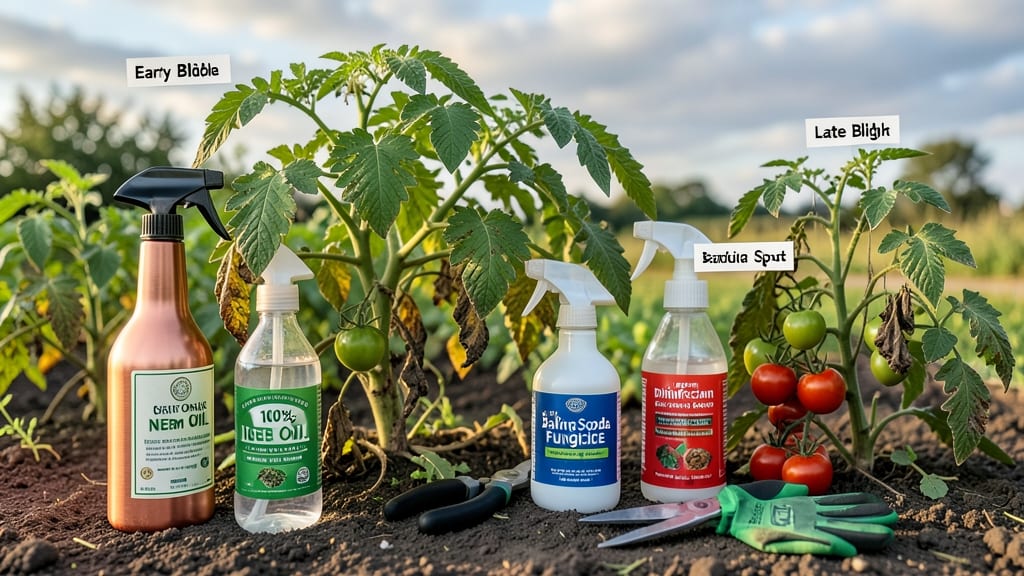
Treating diseased tomato plants can feel like a gardening crisis—until you spot the brown spots and act fast. The good news? You can save them without copper sprays or harsh chemicals by identifying whether it’s early blight, late blight, or bacterial wilt, because each needs a different approach. First, stop watering from above—soggy leaves are an open invitation for fungal infections. Prune affected leaves immediately (sterilize your pruners with rubbing alcohol first!) and remove any fruit showing signs of rot. The key is acting fast: within 24 hours of noticing symptoms, you can still turn things around. For organic treatments, a mix of baking soda (1 tsp), neem oil (1 tbsp), and a drop of dish soap in a gallon of water works wonders on fungal spots. Spray it on dry leaves in the morning, and repeat every 5-7 days until new growth appears. Your plants will perk up faster than you’d expect—just give them time to recover. Prevention is the real game-changer: next season, space plants for airflow, rotate crops, and mulch heavily to keep soil moisture even. Even if you lose a few plants this year, you’ll have a foolproof system for keeping future harvests healthy and thriving.
Root causes behind tomato plant decline
When your once-vibrant tomato plants start wilting, developing unsightly spots, or rotting at the stem, it’s often a sign of underlying stress or infection. Understanding why these issues arise is the first step toward effective, copper-free organic treatment.
Below, we break down the most common culprits—from environmental factors to microbial invaders—and explain the science behind their damage.
Tomatoes thrive in well-drained soil with moderate moisture, but excessive humidity or waterlogging creates the perfect storm for fungal diseases like Phytophthora blight and early blight. Here’s why:
- Fungal Spore Germination: Fungi like Phytophthora require moisture to release spores. When soil stays soggy for days, spores splash onto leaves and stems, germinating within 24–48 hours.
- Reduced Gas Exchange: Waterlogged roots suffocate, cutting off oxygen (O₂) and triggering anaerobic conditions. This weakens the plant’s immune response, making it easier for pathogens to invade.
- Leaf Wetness: Humidity above 75% for prolonged periods keeps leaves damp, allowing Alternaria solani (early blight) to spread via tiny droplets. The fungus thrives in these conditions, creating concentric rings on leaves.
Actionable Insight: Aim for 1–1.5 inches of water per week, delivered at soil level (not overhead). Use drip irrigation or soaker hoses to avoid wetting foliage.
Tomatoes need good airflow to dry quickly after watering and resist fungal infections. When plants are spaced too closely or shaded by overgrowth, stagnant air becomes a breeding ground for disease:
- Condensation Traps: Poor airflow slows evaporation, leaving water droplets on leaves. These droplets act as natural incubators for fungal spores, accelerating infection.
- Increased Spores: Fungi like Fusarium wilt release spores into still air. Without movement, spores linger near the plant, increasing the chance of reinfection.
- Stress from Competition: Overcrowded plants compete for nutrients, weakening their cell walls. This makes them 30–50% more susceptible to pathogens.
Actionable Insight: Space tomato plants 18–24 inches apart in rows 3–4 feet apart. Prune lower leaves to improve airflow and remove debris that harbors spores.
Healthy roots act as a barrier against soil-borne diseases, but compromised soil or root damage opens the door to devastating infections like verticillium wilt or southern blight:
- Pathogen Entry Points: Injured roots (from overwatering, transplant shock, or girdling) create wounds that pathogens exploit. Fusarium oxysporum, for example, invades through root hairs within 48 hours of stress.
- Nutrient Imbalance: Over-fertilized soil (especially with high nitrogen) promotes lush but weak growth. Weak stems snap easily, and roots become less resistant to fungal pressure.
- Suppressive Soil Microbes: Healthy soil teems with beneficial bacteria (like Pseudomonas and Trichoderma) that outcompete pathogens. Poor soil management (e.g., no crop rotation) depletes these protectors.
Actionable Insight: Test soil pH (aim for 6.0–6.8) and amend with compost or mycorrhizal fungi to boost root resilience. Avoid fresh manure, which can introduce pathogens.
While pests like aphids and spider mites are nuisances, they’re also unwitting disease spreaders. Their feeding habits create perfect conditions for secondary infections:
- Viral Transmission: Aphids inject tobacco mosaic virus (TMV) while feeding, causing mosaic patterns on leaves. The virus weakens the plant, making it more vulnerable to fungal attacks.
- Physical Damage: Spider mites puncture leaf cells, creating entry points for Botrytis cinerea (gray mold). Damaged cells also leak sugars, which fungi use as food.
- Honeydew Buildup: Aphid honeydew attracts sooty mold fungi, which coat leaves in black, reducing photosynthesis by up to 50%.
Actionable Insight: Monitor plants weekly for pests. Use neem oil or insecticidal soap (applied at dusk) to disrupt their life cycles before they spread disease.
Note: Many tomato diseases are opportunistic—they exploit stress, not just poor luck. By addressing these root causes, you’ll not only treat symptoms but also prevent future outbreaks.
Fixing Failing Tomato Plants Naturally
Reviving ailing tomato plants starts with identifying the root of the problem—but once you know the cause, action is simple. Below, we’ve mapped practical, copper-free organic solutions to common tomato diseases, along with prevention tips to keep your garden thriving. No fancy tools or chemicals required—just smart, hands-on care!
Cause: Alternaria solani fungus thrives in warm, humid conditions, creating concentric brown spots on leaves. Fix It:
- 🌿 Prune & Toss Remove infected leaves (and any fruit touching them) immediately. Dispose of them in the trash—not the compost bin—to prevent reinfection. Pro Tip: 💡 Sanitize pruners with 70% rubbing alcohol between cuts to avoid cross-contamination.
- 🍄 Baking Soda Spray (Yes, Really!) Mix 1 tbsp baking soda + 1 tsp dish soap + 1 gallon water in a spray bottle.
Apply every 7–10 days to create an unfriendly environment for fungi. Why It Works: Baking soda raises the leaf’s pH, making it harder for spores to latch on.
- 🌱 Boost Airflow Space plants 18–24 inches apart and stake them to improve circulation. Fungus loves stagnant, damp air—break it up!
Prevent It:
- Rotate crops yearly (don’t plant tomatoes or potatoes in the same spot).
- Water at the base (avoid overhead sprinklers) to keep foliage dry.
- Mulch with straw to prevent soil splashing onto leaves.
Cause: Phytophthora infestans spreads rapidly in cool, wet weather, causing greasy-looking black spots that rot leaves and fruit. Fix It:
- ⚡ Emergency Copper-Free Spray Use a neem oil + hydrogen peroxide mix (1 tbsp neem oil + 1 tbsp 3% H₂O₂ + 1 tsp soap per gallon of water). Spray every 5–7 days until new growth appears. Warning: 🌡️ Apply early morning or late evening to avoid burning leaves in direct sun.
- 🔥 Solarize the Soil (For Severe Cases) Cover infected soil with clear plastic sheeting for 4–6 weeks in hot sun. The trapped heat kills fungal spores.
- 🚫 Quarantine & Burn Remove all infected plants (roots and stems) and burn or bag them. This disease spreads like wildfire—don’t take chances!
Prevent It:
- Plant resistant varieties like ‘Mountain Merit’ or ‘Defiant PhR’.
- Avoid overhead watering—use drip irrigation or soaker hoses.
- Remove volunteer tomatoes (wild plants) nearby—they’re a disease reservoir.
Cause: Overwatering or poor drainage leads to soft, mushy stems and blackened roots (often from Pythium or Fusarium). Fix It:
- 💧 Drainage First! If roots are still firm, reduce watering immediately and improve drainage:
- Add perlite or coarse sand to heavy soil.
- Plant in raised beds or containers with drainage holes.
- 🌿 Root Rescue Rinse Gently wash away excess soil from roots, then soak in a 1:10 water-to-vinegar solution for 10 minutes to disinfect. Replant in fresh, sterile potting mix.
- 🍄 Beneficial Fungi Boost Mix mycorrhizal fungi (available at garden centers) into the soil to help roots recover and crowd out pathogens.
Prevent It:
- Test your soil—aim for pH 6.0–6.8 and avoid waterlogged conditions.
- Water deeply but infrequently (1–1.5 inches per week).
- Use containers if your garden has clay soil that doesn’t drain well.
Cause: Erysiphe fungus creates white, powdery patches on leaves, slowing growth. Fix It:
- 🍄 Milk Spray (Seriously Effective!) Mix 1 part milk + 9 parts water + 1 tsp soap. Spray every 3–4 days until mildew disappears. Science Behind It: 🔬 Milk contains natural fungicides that disrupt fungal growth.
- 🌿 Increase Shade & Airflow Move plants to partial shade (especially in hot afternoons) and prune crowded branches.
- 🍄 Reapply Neem Oil Follow the same mix as for blight, but apply every 10 days for mildew.
Prevent It:
- Space plants 18–24 inches apart to prevent humidity buildup.
- Avoid nitrogen-heavy fertilizers—too much leafy growth invites mildew.
- Plant mildew-resistant varieties like ‘Celebrity’ or ‘Better Boy’.
No matter the disease, these quick fixes can turn things around:
- 🌿 Foliar Feed: Spray seaweed kelp extract (1 tbsp/gallon) for a nutrient boost.
- 🍄 Probiotic Soil Drench: Use compost tea (steep compost in water for 24 hours, strain) to introduce beneficial microbes.
- 🌱 Companion Plants: Interplant with basil, marigolds, or garlic to deter pests and diseases naturally.
Remember: 🎯 Prevention is easier than cure—but if your tomatoes are already fighting back, these methods will get them back on track. Act fast, stay consistent, and your plants will bounce back stronger!
Frequently asked questions
Can I still harvest tomatoes from diseased plants?
Only harvest fruit that shows no visible signs of disease—like spots, discoloration, or soft rot. Diseased tomatoes can spread pathogens to healthy plants, so remove any fruit touching infected leaves immediately. If the plant is severely infected, it's safer to pull it entirely to prevent further contamination.
How do I know if my tomato plant has a fungal or bacterial infection?
Fungal diseases (like early blight) show up as brown, concentric rings on leaves, while bacterial infections (like bacterial wilt) cause yellowing, wilting, and oozing lesions. Fungi thrive in damp conditions, while bacteria often spread through contaminated water or tools. Test with a clean knife—if the stem oozes when cut, it's likely bacterial.
Is it safe to compost diseased tomato plant debris?
Never compost infected plant material—especially if it shows signs of bacterial wilt or late blight. These pathogens can survive composting and reinfect your garden. Instead, bag and discard diseased plants in the trash or burn them to prevent spreading spores or bacteria to next year's crops.
How often should I apply organic sprays like neem oil?
Apply neem oil every 5-7 days for active infections, but reduce to every 2 weeks once symptoms disappear. Always spray in the early morning or evening to avoid leaf burn from sunlight. Mix fresh each time for maximum effectiveness—neem oil loses potency after 24 hours.
What's the fastest way to tell if my tomato plant has root rot?
Gently pull the plant—if the roots smell rotten or look mushy and black, it's root rot. Tap the stem: if it feels soft or hollow inside, the infection has spread. Act immediately by improving drainage and reducing water—root rot spreads quickly in waterlogged soil.