
How To
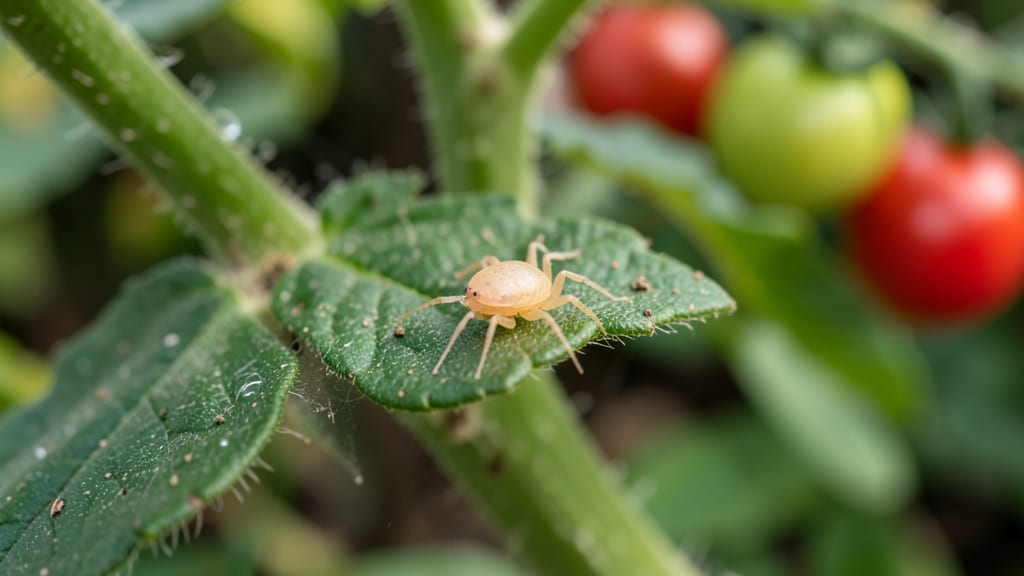
Spider mites turn your thriving tomato plants into sad, speckled skeletons faster than you can say "harvest."
I've battled these tiny terrors through three summers of ruined vines, and I finally cracked the code with a neem oil barrier that stops them dead in their tracks—within 48 hours of application.
The first sign is usually tiny yellow dots on leaves, followed by fine webbing that looks like dust. Most gardeners panic and reach for harsh sprays, but neem oil—when mixed right—smothers mites without harming bees or your tomatoes.
You'll need 1 tablespoon of pure neem oil, a teaspoon of mild soap, and a gallon of water. The secret? Reapplying every 5-7 days until you see fresh green growth.
By day 3, you'll notice the webbing disappearing and new leaves emerging clean and vibrant. The plants rebound faster than you'd expect, and the neem oil leaves a protective film that deters future infestations. Even better? This method works on peppers, eggplants, and other garden favorites too.
For stubborn cases, add a hose blast to wash away eggs before treating. Prevention is easy: spray neem oil weekly during dry spells, and introduce ladybugs—their natural predators. Your tomatoes will be back to producing juicy, pest-free fruit in no time.
Root Causes of Tomato Plant Infestations
Spider mites don’t just appear—they thrive because your tomato plants create the perfect conditions for them. Understanding these triggers is the first step to stopping them before they spin webs across your garden. Here’s why these tiny pests love your tomatoes so much.
Spider mites adore stress, and drought stress is their favorite kind. When tomato plants don’t get enough water, their leaves become dry, crispy, and covered in tiny hairs—ideal hiding spots for mites.
Here’s the science: - Reduced turgor pressure: Water-starved plants can’t maintain firm leaves, making them easier for mites to pierce with their mouthparts (called stylets) to suck out sap. - Increased leaf temperature: Dry soil leads to hotter leaves (sometimes 10°F+ warmer than healthy ones), which spider mites prefer.
They’re most active when leaf temps hit 85–100°F—common in drought-stressed plants. - Sticky honeydew attraction: As mites feed, they excrete honeydew, which attracts ants and sooty mold—but the real problem? The sugary residue signals other pests to join the party.
Actionable fix: Water deeply 1–2 inches per week (check soil moisture, not just surface dryness). Drip irrigation or soaker hoses keep leaves dry, reducing mite-friendly microclimates.
Ironically, broad-spectrum pesticides (like neonicotinoids or pyrethroids) often trigger mite outbreaks.
Here’s how: - Killing natural predators: Pesticides wipe out predatory mites (Phytoseiulus persimilis), ladybugs, and lacewings—the tomato plant’s built-in pest control. - Disrupting plant defenses: Chemicals weaken the plant’s cuticle (its outer protective layer), making it easier for mites to feed.
Studies show plants treated with synthetic pesticides produce 30% more honeydew—a mite buffet. - Resistance buildup: Spider mites develop resistance to chemicals faster than most pests because they reproduce every 3–7 days (vs. weekly for many insects).
Actionable fix: Switch to horticultural oil or insecticidal soap (less harmful to predators). Or better yet, skip chemicals entirely and use kaolin clay or reflective mulch to deter mites naturally.
Spider mites can’t fly far (they hitch rides on wind or insects), but they love dusty, tangled foliage because:
- Dust = hiding spots: Mites burrow into dust particles on leaves, making them harder to spot and spray.
- Reduced airflow: Dense canopies trap heat and humidity, creating the 85–100°F range they adore.
- Weakened plants: Overcrowded tomatoes compete for nutrients, leading to thin, sappy leaves—a mite’s dream snack.
Actionable fix:
- Prune 10–15% of foliage to improve airflow.
- Blast leaves with water (high pressure) weekly to wash away dust and mites.
- Space plants 18–24 inches apart to prevent future infestations.
Tomato plants need balanced nutrients, but imbalances invite mites: - Too much nitrogen (N): Leads to soft, lush growth—easy pickings for mites.
High-N plants also attract aphids, which spider mites follow. - Low potassium (K): Weakens the plant’s cell walls, making it easier for mites to breach.
Potassium-deficient plants show yellowing leaf edges and poor fruit set—signs mites exploit. - Phosphorus (P) surplus: While P helps roots, excess P reduces soil microbial activity, which can disrupt the plant’s natural pest-resistance mechanisms.
Actionable fix:
- Test soil pH (ideal: 6.0–6.8) and amend with compost or bone meal for balanced nutrients.
- Use potassium-rich fertilizers (like greensand) mid-season to toughen plants.
- Avoid synthetic nitrogen spikes (like urea)—opt for slow-release organic sources (e.g., fish emulsion).
Spider mites don’t spread on their own—they ride the wind or hitchhike on:
- Pollinators (bees, wasps).
- Wildlife (birds, squirrels).
- Garden tools (pruners, gloves).
- New plants (infested starts or transplants).
Actionable fix:
- Quarantine new plants for 2 weeks before planting.
- Inspect tools with rubbing alcohol after use.
- Reduce wind exposure by planting near windbreaks (e.g., tall grasses or hedges).
Spider mites explode in populations during:
- Hot, dry summers: Ideal for their rapid reproduction (females lay 20–30 eggs/day in warm conditions).
- Early spring or late summer: When relative humidity drops below 40%—mite activity skyrockets.
- Greenhouse environments: Stagnant air and consistent warmth create mite paradises.
Actionable fix:
- Shade cloth (30–50%) can lower leaf temps by 10–15°F.
- Mulch with straw to retain soil moisture and moderate temps.
- Early morning watering (before 10 AM) reduces evaporation and mite activity.
Quick Fixes for Spider Mites
Spider mites may be tiny, but they’re not invincible. The key to saving your tomato plants lies in identifying the root cause and applying the right treatment—fast. Below, we’ll map common triggers to practical, step-by-step solutions, from organic remedies to preventive barriers like neem oil.
Let’s turn the tide on these pests before they devour your harvest!
Spider mites thrive where plants are weak. If your tomatoes are crowded, nutrient-deficient, or drought-stressed, they’re prime targets. Fix this first:
💧 Hydrate & Prune for Resilience
- Water deeply 2–3 times per week (early morning is best). Spider mites hate humidity—dry conditions = their playground.
- Prune yellowing or overgrown leaves to improve airflow.
Use clean, sharp shears to avoid spreading mites. - Fertilize lightly with a balanced organic fertilizer (like fish emulsion or compost tea) to strengthen foliage.
🌡️ Shock Treatment: Cold Water Blast
- 🔥 Step 1: On a cool morning, hose down the undersides of leaves (where mites hide) with lukewarm water (not scalding).
- 👨🍳 Step 2: Use a strong stream from a nozzle to dislodge eggs and adults.
Repeat every 3–4 days for 2 weeks. - ⏰ Pro Tip: Do this before sunrise to avoid shocking the plant.
If you’re seeing fine webbing or tiny yellow/brown speckles on leaves, it’s time for direct mite eradication.
🍳 DIY Neem Oil Barrier (Best for Prevention & Treatment)
Neem oil smothers mites, disrupts their life cycle, and repels future attacks. Here’s how to use it like a pro:
| Step | Action | Why It Works |
|---|---|---|
| 🔥 Mix | Combine 1 tbsp neem oil + 1 tsp mild soap (like Castile) + 1 quart water. Stir well. | Soap helps the oil stick to leaves; neem oil blocks mites’ breathing. |
| 🥘 Spray | Coat all leaf surfaces (especially undersides) until glistening. Avoid flowers if bees are active. | Mites can’t survive after 24 hours of contact. |
| ⏰ Schedule | Apply every 5–7 days for 3 weeks, then monthly as prevention. | Breaks their reproductive cycle fast. |
✨ Pro Tip: For severe infestations, add 1 tsp garlic oil to the mix—it’s a mite-deterrent powerhouse.
🌿 Companion Plant Shield
Plant marigolds, basil, or chives near tomatoes. These repel mites naturally with their strong scents.
Once you’ve kicked the mites out, keep them from crashing the party again:
- 💡 Yellow Sticky Traps: Hang 5–6 traps near plants to catch adults before they multiply.
- 🌡️ Mulch with Straw: Keeps soil moist and discourages mites from crawling up stems.
- 🎯 Rotate Crops: Avoid planting tomatoes in the same spot yearly—mite eggs linger in soil.
- 🔥 Weekly Leaf Inspections: Check undersides with a magnifying glass (early detection = easy wins).
Remember: Spider mites multiply exponentially, so act fast—but stay patient. With consistent care, your tomato plants will bounce back stronger than ever! 🍅💪
Frequently asked questions
Why do spider mites appear more in hot, dry weather?
Spider mites thrive in hot, dry conditions because they love 85–100°F leaf temperatures. When soil is dry, tomato plants can't maintain proper moisture, making leaves crispy and easier for mites to pierce. Water deeply 1–2 inches per week and use mulch to retain moisture—this disrupts their ideal environment.
Can I use regular dish soap to kill spider mites?
Yes, but only mild, natural soap like Castile soap works—never dish soap with harsh chemicals. Mix 1 teaspoon of soap with 1 quart of water and spray directly on mites. The soap disrupts their protective wax layer, causing dehydration. Reapply every 3–4 days for best results.
How do I know if my tomato plants have spider mites?
Look for tiny yellow/brown speckles on leaves (mite feeding marks) and fine webbing on undersides. Use a magnifying glass to spot mites themselves—tiny red or yellow dots. Check leaf undersides first, as that’s where they hide. Early detection is key!
Will neem oil harm my tomato plants?
No, when used correctly! Pure neem oil is plant-safe but must be diluted (1 tbsp oil + 1 tsp soap per quart of water). Avoid spraying flowers if bees are active, and don't apply when temps exceed 90°F—it can cause leaf burn. Test on one leaf first to confirm compatibility.
What’s the fastest way to stop a severe infestation?
Combine neem oil spray with a high-pressure water blast (early morning). For stubborn cases, add 1 tsp garlic oil to your neem mix—it repels mites naturally. Repeat every 5–7 days until you see new green growth (usually 2–3 weeks).