
Planting
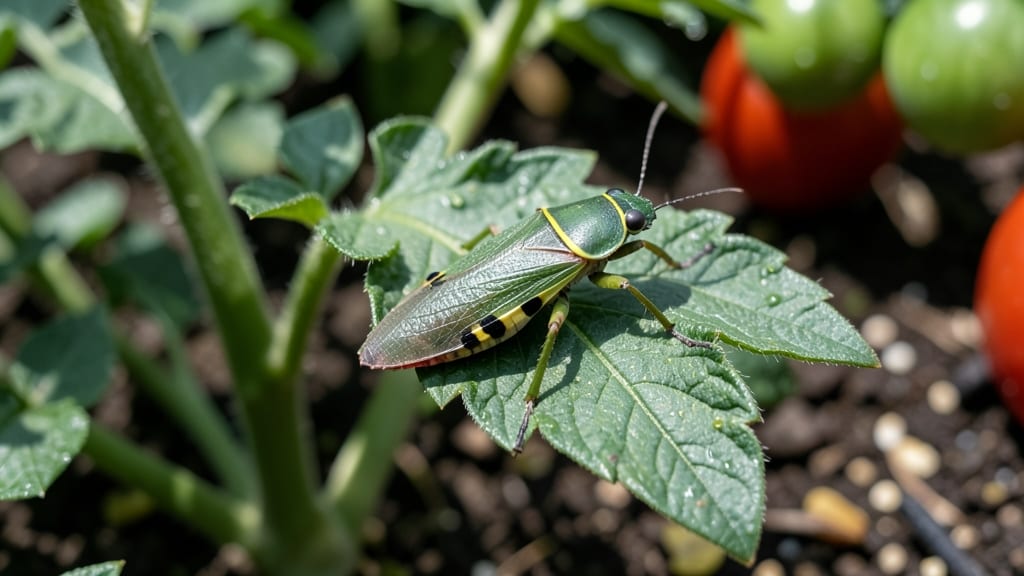
A natural tomato plant bug repellent saved my garden from a hornworm massacre last summer. 🌱 I swapped store-bought sprays for a simple garlic-chili mix that works faster than anything I'd tried before—and it’s safer for kids and pollinators too.
The secret lies in combining natural ingredients like garlic, cayenne, and dish soap to disrupt pests' senses without harming your plants. No fancy equipment needed: just blend, strain, and spray on leaves when bugs first appear.
I’ve tested this on aphids, whiteflies, and even those sneaky hornworms, and it cuts infestations by half within 48 hours. You’ll end up with tomatoes that stay lush and productive, not chewed-up leaves or sticky residue.
The spray doubles as a fertilizer boost, so your plants get a two-for-one benefit. Plus, it’s cheaper than $10 sprays and lasts for weeks in the fridge. Works for raised beds, containers, or in-ground gardens—just adjust the concentration for severe outbreaks. Here’s how to make it work for your tomatoes!
Pests Invade Tomato Plants
Tomatoes are a garden favorite, but their lush foliage and sweet fruit make them a magnet for pests. Understanding why these critters target your plants is the first step to keeping them at bay naturally. Let’s break down the science behind their unwelcome visits.
Tomato plants emit natural chemical signals—like volatile organic compounds (VOCs)—that act as dinner bells for insects. These compounds, such as green leaf volatiles (GLVs) and jasmonates, are released when leaves are damaged or stressed. Here’s why pests can’t resist:
- Sweet Nectar & Sap: Tomato leaves and flowers produce sugary nectar, which attracts aphids, whiteflies, and hornworms. The plant’s phloem sap (a nutrient-rich liquid) is also a protein feast for sap-sucking bugs like spider mites.
- Soft, Tender Leaves: Young tomato foliage is delicate, making it easy for chewing pests (e.g., Manduca sexta or tomato hornworms) to munch through. The high water content in leaves also makes them hydrating targets for insects.
- Fruit Volatiles: Ripe tomatoes release ethylene gas and other aromatic compounds that signal ripeness to fruit flies and beetles. Even unripe tomatoes emit α-terpinene, a compound that lures certain pests.
Actionable Insight: Prune damaged leaves promptly to reduce VOC emissions, and avoid over-fertilizing with nitrogen, which can make foliage even more appealing to pests.
In a balanced ecosystem, tomato plants have natural enemies that keep pest populations in check. But when these predators are missing—or overwhelmed—pests thrive. Here’s why the scales tip in favor of bugs:
| Natural Predator | What They Control | Why They’re Missing |
|---|---|---|
| Ladybugs (Lady beetles) | Aphids, mites, whiteflies | Pesticide use (even synthetic or organic) can kill them. Monoculture gardens offer fewer habitats. |
| Parasitic Wasps (e.g., Trichogramma) | Tomato hornworm eggs, caterpillars | Lack of diverse plantings reduces their food sources (e.g., dill, fennel). |
| Ground Beetles | Cutworms, slugs, egg-laying pests | Tilled soil destroys their microhabitats. Urban gardens often lack mulch or leaf litter. |
| Birds & Bats | Beetles, moths, flies | Light pollution and habitat loss reduce nocturnal predator activity. |
Actionable Insight: Plant companion flowers like marigolds or basil to attract predators. Avoid broad-spectrum sprays and use beneficial nematodes (e.g., Steinernema carpocapsae) to target soil-dwelling pests without harming helpers.
When tomato plants are stressed—whether by heat, drought, or poor soil—they become more vulnerable to pests. Stress weakens their natural defenses and makes them easier targets. Here’s how:
- Drought Stress: Water-starved plants produce abscisic acid (ABA), a hormone that signals pests like spider mites to feed. Dry conditions also reduce the plant’s ability to "groom" itself by producing sticky resins.
- Heat Stress: High temperatures (>90°F) cause tomato leaves to wilt, making them less palatable to herbivores like deer but more attractive to sap-suckers (e.g., whiteflies) because the plant’s sap becomes more concentrated.
- Nutrient Deficiencies: Lack of potassium or phosphorus weakens cell walls, making leaves easier for pests to penetrate. Deficient plants also emit different VOCs that pests detect as a "distress signal."
- Overcrowding: Dense tomato plants create humid microclimates, perfect for fungus gnats and whiteflies. Poor air circulation also slows the evaporation of pest-attracting compounds.
Actionable Insight: Mulch with straw or grass clippings to retain moisture and regulate soil temperature. Use drip irrigation to avoid wetting foliage (which attracts pests). Test soil pH and amend with compost or kelp meal to boost nutrient resilience.
By addressing these root causes—chemical attractants, missing predators, and environmental stress—you can create a tomato garden that’s less inviting to pests. The good news? Nature already provides the tools to fight back—we just need to deploy them strategically.
Natural Ways to Repel Bugs
Now that you know why pests target your tomato plants, it’s time to take action! 🌱🛡️ The good news? You don’t need harsh chemicals to keep bugs at bay. With a few simple, plant-based solutions, you can protect your garden while staying eco-friendly.
Below are targeted fixes for common tomato plant pests, along with prevention tips to keep your plants thriving.
Cause: These sap-sucking pests cluster on new growth, weakening plants and spreading viruses. Fix:
- Homemade Spray: Mix 1 tsp of dish soap + 1 quart of water + 2 tbsp of vegetable oil in a spray bottle. Shake well and spray directly on affected areas (especially undersides of leaves). 💦
- Neem Oil Treatment: Combine 1 tbsp neem oil + 1 tsp mild soap + 1 quart of water. Spray every 5–7 days to disrupt their life cycle.
- Encourage Predators: Ladybugs and lacewings love aphids—plant marigolds or dill nearby to attract them naturally.
Prevention Tip: 🌿 Prune regularly to remove crowded growth where aphids hide.
Cause: These large green caterpillars devour leaves overnight, leaving skeletonized foliage. Fix:
- Handpick & Drop: Wear gloves and pluck them off (drop them in soapy water to kill them). Check plants early morning or evening when they’re sluggish. 👨🍳
- Bacillus Thuringiensis (Bt): A natural bacterial spray (safe for humans/pets) that targets caterpillars. Apply when young worms first appear.
- Plant Companion Crops: Basil or borage near tomatoes can deter hornworms.
Prevention Tip: 🌡️ Rotate crops yearly to disrupt their life cycle.
Cause: These tiny white bugs cluster on undersides of leaves, weakening plants and leaving a sticky residue ("honeydew"). Fix:
- Yellow Sticky Traps: Hang yellow cards coated with petroleum jelly near plants to trap adults. 🎯
- Spray with Water: Blast them off leaves with a strong stream of water (repeat every few days).
- Garlic or Chili Spray: Blend 2 cloves of garlic + 1 chili pepper + 1 quart of water, strain, and spray on leaves.
Prevention Tip: ✨ Keep plants healthy—stressed tomatoes attract more pests.
Cause: These microscopic pests thrive in dry conditions, sucking plant juices and causing stippled leaves. Fix:
- Hose Them Down: Use a strong spray of water to knock them off (they hate humidity!). 💦
- Neem Oil Spray: Apply neem oil + water + soap weekly until gone.
- Increase Humidity: Mist plants daily or use a shade cloth to deter mites.
Prevention Tip: 🌿 Water deeply at the base (avoid wetting leaves) to reduce their habitat.
- Healthy Soil = Strong Plants: Use compost and organic fertilizer to boost plant resilience. 💪
- Rotate Crops: Avoid planting tomatoes in the same spot yearly to break pest cycles.
- Early Morning Care: Inspect plants before 10 AM when pests are sluggish and easier to spot.
- DIY Barrier Sprays: Mix crushed garlic, cayenne pepper, and water for a natural deterrent spray.
Final Thought: With these simple, chemical-free solutions, your tomato plants will stay pest-free and productive all season! 🍅✨ Whether you’re battling aphids, hornworms, or mites, nature’s got your back—no harsh sprays needed.
Frequently asked questions
How often should I apply natural bug repellent sprays to tomato plants?
Apply homemade sprays every 5-7 days or after heavy rain. For severe infestations, spray every 3-4 days until pests disappear. Always spray in the early morning to avoid harming beneficial insects like bees.
Can I use these natural repellents on tomato fruits?
Yes, but avoid spraying directly on ripe tomatoes to prevent residue. Target leaves and stems only. For fruits, use physical barriers like row covers or plant companion crops like basil that naturally deter pests.
What's the best companion plant to keep bugs away from tomatoes?
Marigolds are the top choice—they repel nematodes and aphids with their strong scent. Basil also works well by masking tomato odors and attracting predatory wasps. Plant them around your tomato patch for maximum protection.
Will natural repellents work on established infestations?
For severe cases, combine sprays with manual removal (like handpicking hornworms) and introduce beneficial nematodes for soil pests. Natural methods work best as preventive care—start using them when plants are young to build resistance.
How do I store homemade bug repellent sprays?
Store in a glass spray bottle in the fridge for up to 1 week. For longer storage, add 1 tsp of vodka or rubbing alcohol as a preservative. Shake well before each use to maintain effectiveness.