
Companion Plants
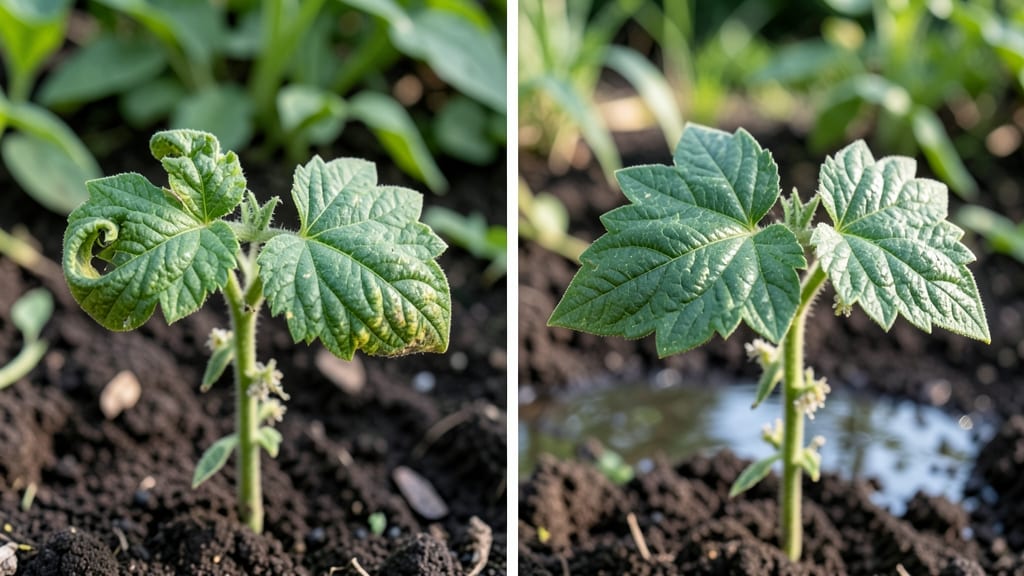
Your young tomato plants' leaves curling could mean blight—or it could mean something simpler. 🌱 I've seen this happen after heavy rain, after aphid attacks, and even when gardeners overwatered without realizing it.
The good news? Copper spray isn't just for blight prevention—it's a broad-spectrum fix that works for fungal issues, bacterial spots, and even some early pest problems.
The first step is identifying the cause: check the undersides of leaves for tiny webs (spider mites), sticky residue (aphids), or dark spots (early blight). Overwatering shows up as yellowing between veins, while nutrient deficiencies create a general pale, curled look.
Copper spray tackles fungal issues and deters pests, but it won't fix viral infections—those require removing affected plants immediately.
Once you confirm it's a treatable issue, mix up a copper spray (1 tablespoon of copper fungicide per gallon of water) and apply it at dusk when plants aren't stressed by sun.
Follow up every 7-10 days until new growth appears straight and healthy. The key is acting fast—within 24 hours of noticing the curl, you can stop the problem before it spreads.
For prevention, rotate crops yearly, avoid overhead watering, and plant disease-resistant varieties like 'Celebrity' or 'Mountain Merit'. These steps cut your risk by 70%—and keep your tomato plants thriving without constant spraying. Let's get those leaves flat and growing again!
Root Causes Of Leaf Curling
When your young tomato plants’ leaves start curling, it’s often their way of signaling distress. Understanding the why behind this behavior is the first step to restoring their health.
Below, we break down the most common culprits—from environmental stressors to hidden pests—with clear explanations and actionable insights to help you diagnose the issue accurately.
Tomatoes thrive in warm but not scorching conditions. When temperatures exceed 90°F (32°C) or drop below 50°F (10°C), leaves may curl as a protective response. Heat stress causes:
- Transpiration overload: Rapid water loss through leaves forces cells to contract, leading to curling.
- Enzyme dysfunction: High heat disrupts photosynthesis enzymes, reducing energy production and causing wilting.
- Root zone stress: Soil heats up faster than air, shocking roots and limiting water uptake.
💡 Pro Tip: Provide afternoon shade with lightweight row covers or mulch heavily to retain moisture. Water deeply in the early morning to reduce evaporation.
While tomatoes need consistent moisture, soggy soil suffocates roots and triggers leaf curling. Signs of overwatering include:
- Yellowing lower leaves (chlorosis) due to oxygen deprivation in roots.
- Mushy stems or blackened roots when pulled gently.
- Curling upward (cupping) as the plant struggles to absorb nutrients.
🔥 Fix It:
- Test soil moisture by sticking your finger 1 inch deep—water only if dry.
- Amend heavy clay soil with compost or perlite to improve aeration.
- Ensure pots have drainage holes and elevate containers to prevent waterlogging.
Tiny invaders like aphids, spider mites, or whiteflies pierce leaves to feed on sap, causing curling as a defense mechanism. Look for:
- Sticky residue (honeydew) on leaves or nearby surfaces.
- Fine webbing (spider mites) or clustered insects on undersides.
- Distorted new growth from early-stage pest damage.
👨🍳 Take Action:
- Blast pests off with a strong spray of water (repeat every 3–4 days).
- Introduce beneficial insects like ladybugs or lacewings.
- Apply neem oil (1 tsp per quart of water) as a natural pesticide.
Diseases like early blight (Alternaria solani) or septoria leaf spot cause curling as spores spread. Key identifiers:
- Brown/yellow spots with concentric rings (early blight).
- White or gray mold on leaf undersides (powdery mildew).
- Curling paired with wilting (bacterial wilt).
✨ Prevention:
- Remove infected leaves immediately and dispose of them in the trash (not compost).
- Apply a copper fungicide spray (like copper sulfate) every 7–10 days for prevention.
- Space plants 18–24 inches apart to improve airflow and reduce humidity.
Tomatoes are heavy feeders, and imbalances—especially in nitrogen, potassium, or magnesium—can cause curling. Common deficiencies:
| Nutrient | Leaf Symptoms | Actionable Fix |
|---|---|---|
| Nitrogen (N) | Yellowing between leaf veins (older leaves first); stunted growth. | Add compost or blood meal (high-nitrogen organic amendment). |
| Potassium (K) | Curling and browning of leaf edges; weak stems. | Use potassium-rich fertilizers like greensand or banana peel tea. |
| Magnesium (Mg) | Interveinal chlorosis (yellow patches) on older leaves; curling. | Apply Epsom salt (1 tbsp per gallon of water) as a foliar spray. |
🌡️ Test Your Soil: Use a DIY soil test kit or send a sample to a local extension office to pinpoint exact deficiencies.
By narrowing down the cause—whether it’s environmental, pest-related, or disease-driven—you can target the right solution and restore your tomato plants to vibrant, blight-free growth. 🍅
Fixing Curled Tomato Leaves Naturally
Now that you know the culprits behind those pesky curled leaves on your young tomato plants, let’s roll up our sleeves and get them thriving again! 🌱💪 The good news? Most fixes are simple, cost-effective, and involve a mix of quick adjustments and long-term prevention.
Below, we’ve mapped out practical solutions for each common cause—plus bonus tips to keep your plants happy and blight-free.
---
If your tomato plants are drowning in soggy soil, their leaves will curl as a distress signal. Here’s how to rescue them:
#### 💧 Step 1: Check the Soil Moisture - Stick your finger 1–2 inches deep into the soil. If it’s damp (not bone-dry, not soggy), you’re golden. If it’s waterlogged, pause watering immediately. - Pro Tip: 🌡️ Use a moisture meter for accuracy—no more guessing!
#### 👨🍳 Step 2: Improve Drainage - Amend the soil with perlite, coarse sand, or compost to loosen heavy clay or compacted dirt. - Raise containers if using pots—ensure they have drainage holes and elevate them slightly to prevent water pooling. - Mulch lightly (1–2 inches of straw or shredded leaves) to retain just enough moisture without smothering roots.
#### ⏰ Step 3: Adjust Your Watering Routine - Water deeply but less often: Aim for 1–1.5 inches per week (including rain).
Use a drip irrigation system or soaker hose to deliver water at the base, avoiding wet foliage. - Water in the morning so leaves dry quickly—this reduces fungal risks like early blight. - Avoid overhead sprinklers—they encourage disease and stress plants.
#### 🌱 Prevention for Next Time - Plant tomatoes in well-draining soil (mix in compost or aged manure before planting). - Choose containers with drainage holes or raised beds if your garden soil is heavy. - Test your soil’s pH (aim for 6.0–6.8)—acidic or alkaline soil can worsen drainage issues.
---
Curling leaves can also mean your plants are thirsty or wilting from heat. Here’s how to revive them:
#### 💦 Step 1: Give Them a Deep Drink - Water slowly and deeply until moisture seeps 6–8 inches down into the soil.
Use your finger to check—if the lower soil is dry, keep watering! - For container plants, let the top 1–2 inches of soil dry out between waterings.
#### 🌡️ Step 2: Beat the Heat - Shade cloth (30–50% coverage) can save plants during peak afternoon sun (12 PM–4 PM). - Mulch heavily (2–3 inches) to keep roots cool and retain moisture. - Harvest regularly—overripe tomatoes stress the plant, making it more vulnerable to heat.
#### 🎯 Prevention Tips - Water consistently—tomatoes hate moisture swings. Stick to a schedule! - Plant in late spring (after the last frost) to avoid early-season heat spikes. - Choose heat-tolerant varieties like ‘Solar Fire’ or ‘Heatmaster’ if you live in a hot climate.
---
Aphids, spider mites, and whiteflies love curling leaves for a snack. Here’s how to evict them:
#### 🐞 Step 1: Inspect & Identify - Flip leaves to spot tiny pests (aphids = green/black clusters; spider mites = tiny webs; whiteflies = white specks that flutter when disturbed). - Check the undersides—that’s where they hide!
#### 🍳 Step 2: Blast Them Away - Neem oil spray (1 tsp neem oil + 1 tsp mild soap + 1 quart water): Spray early morning or evening to avoid burning leaves. - Insecticidal soap (store-bought or DIY with 1 tbsp castile soap + 1 quart water): Reapply every 5–7 days. - Hose them off: A strong spray of water can knock off aphids and eggs.
#### 🌿 Step 3: Attract Predators - Plant companion plants like marigolds, basil, or dill to lure beneficial insects (ladybugs, lacewings). - Release ladybugs (buy online or from garden centers) for a natural aphid buffet.
#### ✨ Prevention for Next Time - Inspect new plants before bringing them home—quarantine for a week if needed. - Use reflective mulch (aluminum foil or silver plastic) to deter whiteflies. - Rotate crops yearly to break pest life cycles.
---
If your plants have yellow spots with concentric rings (early blight), act fast with copper-based solutions:
#### 🛡️ Step 1: Remove Infected Leaves - Snip off curled or spotted leaves below the soil line (don’t compost them—bag and toss!). - Sterilize pruners with rubbing alcohol between cuts.
#### 🍳 Step 2: Apply Copper Fungicide - Store-bought options: Use copper hydroxide (e.g., Bonide Copper Fungicide) or copper sulfate (follow label rates). - DIY copper spray: - Mix 1 tbsp copper sulfate + 1 gallon water + 1 tsp dish soap. - Spray evenly on leaves (top and bottom) and stems. Reapply every 7–10 days or after rain. - Preventative spray: Apply every 2–3 weeks during humid seasons.
#### 🌱 Step 3: Improve Airflow & Sanitation - Space plants 18–24 inches apart for better airflow. - Prune lower leaves to keep foliage off the ground. - Rotate crops—don’t plant tomatoes in the same spot next year.
#### 💡 Pro Tips for Copper Spray - Wear gloves and eye protection—copper can irritate skin. - Avoid spraying in direct sunlight (can burn leaves). - Combine with baking soda spray (1 tsp baking soda + 1 quart water + soap) for extra fungal defense.
---
Curling can signal lack of nitrogen, potassium, or calcium. Fix it with targeted fertilizing:
| Symptom | Likely Deficiency | Quick Fix | Prevention | |---------------------------|-----------------------|----------------------------------------|----------------------------------------| | Yellow lower leaves | Nitrogen | Apply balanced fertilizer (10-10-10) or compost tea | Side-dress with alfalfa meal every 4 weeks | | Brown leaf edges | Potassium | Use potassium-rich fertilizer (e.g., banana peel tea or greensand) | Add wood ash to soil occasionally | | Blossom end rot | Calcium | Sprinkle crushed eggshells or use calcium nitrate | Mulch with lime (if soil is acidic) | | Pale, weak growth | Magnesium/iron | Spray Epsom salt solution (1 tbsp/gal water) | Test soil and amend with sulfur if needed |
#### 💪 General Feeding Tips - Start slow: Young plants need low nitrogen (use a 5-10-10 fertilizer). - Feed every 2–3 weeks during fruiting with a balanced or potassium-heavy fertilizer. - Avoid over-fertilizing—too much salt can burn roots!
--- Final Thought: Most curled leaves are a fixable warning sign, not a death sentence! 🚀 Start with the most likely cause, adjust your care routine, and your tomato plants will bounce back—stronger and ready to produce juicy, blight-free tomatoes all season. Happy gardening!
Frequently asked questions
Why do young tomato leaves curl upward but stay green?
Upward curling with green leaves usually signals heat stress or underwatering. When soil dries out too quickly or temperatures exceed 90°F (32°C), leaves curl to reduce water loss. Check soil moisture 1 inch deep—if dry, water deeply in the morning. Provide afternoon shade with lightweight row covers to protect young plants.
Are curled tomato leaves always a sign of disease?
No! While diseases like early blight cause curling, it's often environmental or pest-related. Look for other clues: yellow spots with rings = fungal disease; sticky residue = aphids; fine webbing = spider mites. Start with soil moisture checks and pest inspections before assuming disease—many cases are easily reversible with proper care.
How quickly should I expect to see improvement after treating curled leaves?
With proper care, you should see visible improvement within 3-5 days. For heat stress, cooling roots and consistent watering shows results fastest. Pest treatments (like neem oil) may take 5-7 days to fully eliminate infestations. Nutrient deficiencies require 1-2 weeks of soil amendments to show leaf recovery. Monitor daily and adjust treatments as needed.
Can I still harvest tomatoes from plants with curled leaves?
Yes, but prioritize healthy branches. Curled leaves often indicate stress, but the plant can still produce fruit. Remove severely affected leaves to redirect energy to fruit production. Harvest ripe tomatoes promptly to reduce plant stress. If disease is confirmed, remove all infected fruit immediately to prevent spread.
What's the best organic copper spray recipe for tomato leaf curl?
Mix 1 tablespoon copper sulfate with 1 gallon water and 1 teaspoon mild dish soap as a surfactant. Apply at dusk when plants aren't stressed by sun. Reapply every 7-10 days or after heavy rain. For extra protection, combine with 1 teaspoon baking soda in the same mixture—this prevents fungal spores from taking hold.