
Pests and Diseases
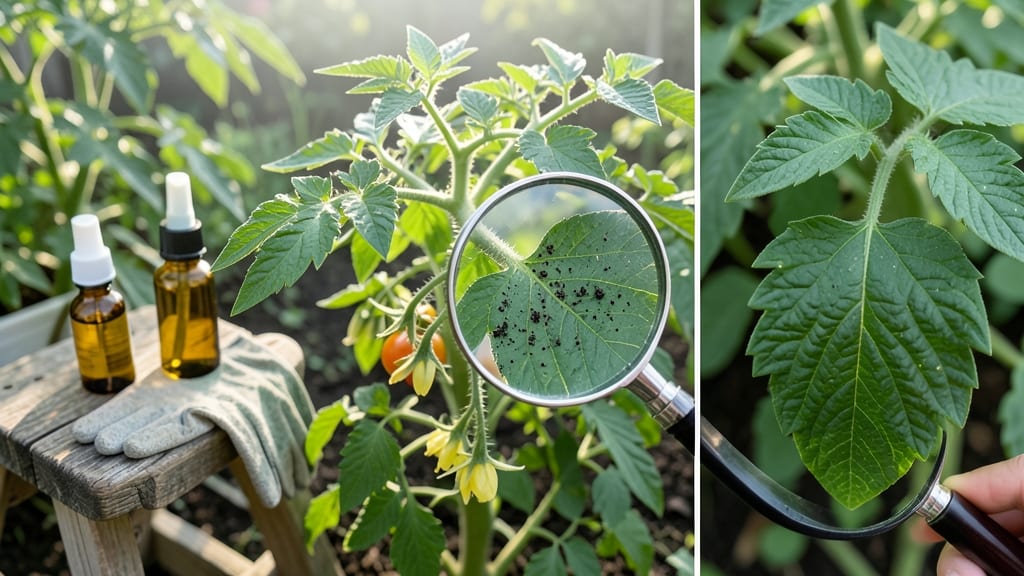
Those tiny black spots on your tomato leaves? That’s early blight calling—and it’s worse than it looks. 🌱 I’ve seen this fungus turn lush plants into sad, spotted shadows if you ignore it, but the good news is you can stop it before it ruins your harvest.
The key is acting fast with the right mix of cleanup, spacing, and copper spray.
First, confirm it’s early blight (not spider mites or sun scorch) by checking for concentric rings on older leaves. If the spots are fuzzy and spreading upward, you’re dealing with a fungus that thrives in wet, crowded conditions.
My plants went from healthy to helpless in two weeks last summer—until I cut out infected leaves and adjusted my watering routine.
You’ll fix this with a copper fungicide spray (organic option: homemade copper sulfate mix) applied every 7–10 days, paired with watering at the base—not overhead—and pruning for airflow. Within days, new growth will push out clean, and your tomatoes will bounce back stronger than ever.
For stubborn cases, repeat treatments until the first frost, but if the spots keep spreading despite your efforts, it’s time to call a local extension office—they’ll help you decide if chemical controls are worth it for your variety.
Root Causes of Leaf Spots
When you spot those pesky tiny black specks on your tomato leaves, it’s usually a sign of stress or infection—but not always what you might think. Understanding the why behind these marks is the first step to fixing the problem.
Below, we break down the most common culprits, from fungal invaders to environmental triggers, and explain how they turn your lush green leaves into a polka-dotted mess.
Fungal diseases like early blight (Alternaria solani) and Alternaria leaf spot are the #1 reason for those tiny black spots. Here’s how they work:
- Spores spread via wind or water: Fungal spores lurk in soil, plant debris, or even nearby weeds. When conditions are right—warm, humid, and damp—they hitch a ride on air currents or splashing water to land on leaves.
- Infection cycle: Once spores land, they germinate and penetrate leaf tissue through natural openings (like stomata). The fungus then feeds on plant cells, causing dark, circular lesions with concentric rings.
- Why tomatoes? Tomatoes are especially vulnerable because their leaves stay wet longer (thanks to dense foliage), creating the perfect fungal buffet.
💡 Pro Tip: Early blight thrives in 65–85°F temperatures with high humidity. If your garden is a sauna, fungal growth goes into overdrive.
Not all black spots mean fungus—sometimes your tomatoes are just thirsty, sunburned, or overwatered. Here’s how:
- Underwatering or uneven moisture: When soil dries out unevenly, leaves can develop necrotic spots (dead tissue) from dehydration. Tiny black dots may appear along leaf edges or between veins.
- Sun scorch: Intense afternoon sun + dry soil = leaf burn. Young leaves or those near the ground (where airflow is poor) are prime targets.
- Overhead watering: Splashing water onto leaves spreads fungal spores and can cause chemical burns if your water has high mineral content (like chlorine or fluoride).
✨ Quick Fix: Water at the base of plants in the morning to reduce humidity on leaves and prevent fungal spread.
While pests like aphids or spider mites don’t directly cause black spots, their damage weakens leaves, making them susceptible to fungal infections. Here’s the connection:
- Aphids & whiteflies: These sap-suckers leave behind sticky honeydew, which attracts sooty mold—a black, fuzzy fungus that coats leaves.
- Spider mites: Their feeding creates stippled or bronzed leaves, which can later develop dark spots as the tissue dies.
- Physical damage: Chewed leaves (from beetles or caterpillars) create entry points for fungal spores to invade.
🔥 Prevention: Knock off pests with a strong spray of water or use neem oil to deter future infestations.
Sometimes, the black spots are a side effect of human error. Here’s how:
- Salt or fertilizer burn: Too much nitrogen, potassium, or synthetic fertilizer (especially in dry soil) causes leaf tip necrosis or dark spots. Tomatoes are sensitive to high salt levels, which disrupt cell function.
- Herbicide drift: If you’ve sprayed weed killer nearby, glyphosate or 2,4-D can drift onto tomato leaves, causing dark, irregular patches.
- Hard water minerals: Water with high calcium or magnesium can lead to leaf scorch, especially in container-grown tomatoes.
🎯 Solution: Flush soil with rainwater or distilled water to dilute salts, and switch to organic, slow-release fertilizers.
Now that you know why those spots appear, the next step is identifying the exact issue and treating it effectively. But the good news? Most of these problems are preventable with the right care!
Fixing Leaf Spots Naturally
Now that you’ve identified the cause of those pesky tiny black spots on tomato leaves—whether it’s early blight, fungal infections, or even environmental stress—it’s time to take action! The good news?
Most solutions are simple, cost-effective, and don’t require harsh chemicals. Below, we’ll break down the best fixes for each common cause, plus tips to keep your tomato plants thriving.
Early blight and other fungal diseases thrive in warm, damp conditions, so your first line of defense is disruption. Here’s how to tackle them:
🔥 Remove Infected Leaves Immediately
- How to do it: Snip off leaves with black spots using clean scissors or pruners. Do not compost them—dispose of them in the trash to prevent reinfection.
- Why it works: Fungal spores spread easily, so removing infected foliage cuts off the source.
🌿 Improve Airflow & Spacing
- How to do it: Thin out crowded plants and space them at least 18–24 inches apart. Stake or cage tomatoes to keep leaves off the ground.
- Why it works: Good airflow reduces humidity, making it harder for fungi to spread.
💧 Water at the Base, Not the Leaves
- How to do it: Water tomatoes at the soil level in the morning. Avoid overhead watering, especially in the evening.
- Why it works: Wet leaves create the perfect breeding ground for fungal spores.
🍳 Copper Fungicide Spray (Best Organic Fix)
- How to do it: Mix 1 tbsp baking soda + 1 tsp dish soap + 1 quart water (or use a store-bought copper fungicide).
Spray both leaves and stems every 7–10 days until the problem clears. - Why it works: Copper disrupts fungal cell walls without harming plants or beneficial insects.
🌡️ Mulch to Prevent Soil Splash
- How to do it: Apply 2–3 inches of straw or grass clippings around the base of plants. Keep mulch away from stems to avoid rot.
- Why it works: Mulch blocks soil-borne spores from splashing onto leaves during watering or rain.
If tiny black spots are actually insect droppings, mites, or thrips, here’s how to evict them:
🔍 Inspect for Pests First
- How to do it: Shake leaves over a white sheet or use a magnifying glass to spot mites, aphids, or thrips. Look for webbing, chewed edges, or sticky residue.
- Why it works: Knowing the pest helps you choose the right treatment.
🚿 Blast Off Pests with Water
- How to do it: Spray leaves with a strong stream of water (early morning or evening) to knock off soft-bodied pests like aphids.
- Why it works: Many pests can’t survive direct water pressure.
🍯 Neem Oil or Insecticidal Soap
- How to do it: Mix 1 tsp neem oil or insecticidal soap per quart of water. Spray all plant surfaces, including undersides of leaves.
Reapply every 5–7 days. - Why it works: Neem oil disrupts pests’ life cycles while being safe for plants and pollinators.
🐝 Encourage Beneficial Predators
- How to do it: Introduce ladybugs, lacewings, or predatory mites to your garden. Plant dill, marigolds, or basil nearby to attract them.
- Why it works: These natural allies eat pests like thrips and aphids on sight.
If spots are due to heat stress, nutrient deficiencies, or poor soil, focus on these fixes:
💦 Hydrate Properly
- How to do it: Water deeply 1–2 times per week (depending on climate), ensuring the top 6 inches of soil stay moist. Use drip irrigation to avoid wetting leaves.
- Why it works: Consistent moisture prevents stress-related leaf damage.
🌱 Feed with Balanced Fertilizer
- How to do it: Use a 5-5-5 or 10-10-10 fertilizer (equal parts nitrogen, phosphorus, potassium). Apply every 4–6 weeks during the growing season.
- Why it works: Nutrient deficiencies (like potassium) weaken plants, making them susceptible to spots.
🌿 Shade Cloth for Hot Climates
- How to do it: If temps exceed 90°F (32°C), drape 30–50% shade cloth over plants for a few hours daily.
- Why it works: Prevents sun scorch and heat stress on leaves.
Once your tomatoes are healthy, prevent recurrence with these habits:
- 🌱 Rotate crops annually—don’t plant tomatoes (or nightshades like peppers) in the same spot every year.
- 🧼 Sterilize tools with rubbing alcohol between uses to avoid spreading disease.
- 🌱 Start with disease-resistant varieties like ‘Mountain Merit’ or ‘Defiant PhR’ if early blight is recurrent.
- 🌿 Test soil pH—aim for 6.0–6.8; amend with lime (to raise pH) or sulfur (to lower it) if needed.
- 🌱 Practice crop rotation and avoid planting tomatoes where nightshades grew the previous year.
Pro Tip: 💡 The key to long-term success is consistency. Check leaves weekly, act fast at the first sign of spots, and combine prevention with treatment for the best results!
Frequently asked questions
Are those tiny black spots always early blight?
Not necessarily! While early blight is common, black spots could also signal Alternaria leaf spot, sooty mold (from sap-sucking pests), or even nutrient deficiencies. Check for concentric rings (early blight) or fuzzy growth (sooty mold). If spots appear on older leaves first, it’s likely fungal.
Can I still harvest tomatoes if leaves have black spots?
Yes, but focus on lower leaves first—they’re less critical for fruit production. Remove heavily infected foliage to redirect the plant’s energy. If spots are on upper leaves, treat aggressively to prevent spread to fruit. Always wash tomatoes before eating.
How often should I spray copper fungicide?
Apply every 7–10 days during active growth (spring to early fall). Stop 2 weeks before harvest to avoid residue. For organic gardens, alternate with baking soda spray (1 tbsp baking soda + 1 tsp soap per gallon of water) every other treatment.
Will pruning help if my tomato plants already have black spots?
Prune to remove infected leaves immediately and improve airflow. Focus on lower leaves (where spores spread from soil) and thin crowded branches. Use clean, sharp tools and sterilize them with rubbing alcohol between cuts to prevent cross-contamination.
Can I use vinegar spray for black spots?
Not recommended! Vinegar (even diluted) can burn leaves and disrupt soil pH. Instead, use neem oil (1 tsp per quart of water) or hydrogen peroxide (1 tbsp per gallon) as safer alternatives. Both target fungi without harming plants when used correctly.