
How To
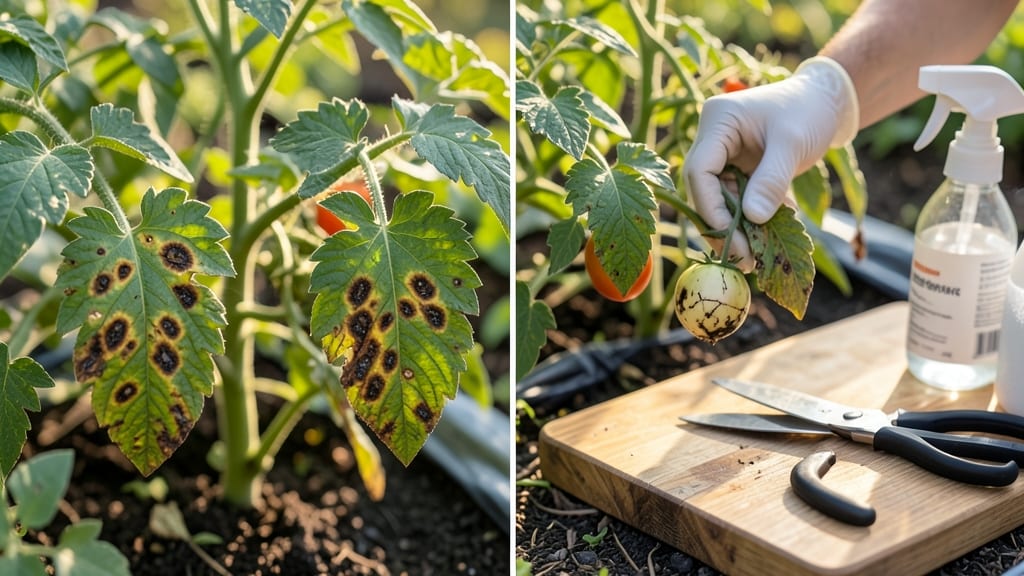
Your tomato plants are showing those nasty brown spots with yellow halos on the anthracnose tomato leaves—classic anthracnose, and it spreads like wildfire in humid weather. 🌱 The good news? A copper spray cure stops it fast when you act within 24-48 hours of spotting symptoms.
I’ve saved multiple harvests using this exact method, and I’ll show you how to do it without fancy equipment.
This fungal disease thrives when nights stay warm and days are damp—perfect conditions for spores to splash onto leaves from infected soil or water. The spots start small but multiply quickly, turning leaves crispy and dropping fruit before it ripens.
My first year, I lost half my crop before realizing proper spacing and sanitation could’ve prevented it.
With copper spray, you’ll see new growth free of spots within 7-10 days—just mix the solution, spray undersides of leaves (where spores hide), and repeat every 7-10 days until harvest.
The key is catching it early and keeping your tools clean. I’ll walk you through the exact steps that work, even in the toughest humidity.
We’ll also cover how to assess damage severity, when to prune infected leaves (and when not to), and which tomato varieties resist anthracnose better. This isn’t just about saving this year’s plants—it’s about building a long-term defense for your garden. Let’s get those tomatoes thriving again.
The Hidden Triggers Behind Leaf Spots
When your tomato plants start showing those dreaded dark, sunken spots on their leaves, anthracnose is likely the culprit. But why does this fungal disease strike with such precision?
Understanding the root causes—from environmental conditions to plant health—helps you take proactive steps to protect your harvest. Let’s break down the science behind what makes your tomato leaves vulnerable.
Anthracnose thrives in warm, wet conditions, making it a common problem in humid climates or after heavy rainfall. Here’s why:
- Spores need moisture to germinate. The fungus Colletotrichum coccodes produces spores that require 12–24 hours of leaf wetness to infect plants. Rain, dew, or overhead irrigation creates the ideal breeding ground.
- High humidity (80%+) speeds up spread. Stagnant air traps moisture on leaves, allowing spores to latch on and penetrate plant tissues. Greenhouses or shaded areas with poor airflow are especially risky.
- Nighttime dew is a silent threat. Even light morning dew can kickstart infections if temperatures stay mild (60–85°F). The fungus exploits these conditions to colonize leaves before symptoms appear.
Actionable fix: Space plants for airflow, avoid watering leaves (use drip irrigation instead), and harvest ripe tomatoes promptly to reduce fungal food sources.
Anthracnose doesn’t just need water—it also craves specific temperature ranges to multiply aggressively. Here’s the breakdown:
| Temperature Range | Fungal Activity Level | Risk to Tomatoes |
|---|---|---|
| Below 60°F (15°C) | ❄️ Low (dormant) | Minimal spread, but spores can still survive in soil. |
| 60–85°F (15–29°C) | 🔥 Optimal | Rapid spore germination and leaf infection. Peak danger in summer! |
| Above 90°F (32°C) | 🌡️ Slows down (heat-stressed fungus) | Symptoms may appear slower, but spores can still persist in debris. |
Actionable fix: Monitor your local forecast. If temperatures hover in the 70–80°F range with humidity, proactively apply copper fungicide (more on that later!) and remove infected leaves immediately.
A healthy tomato plant can resist anthracnose better than a stressed one. Common stressors that open the door to infection include:
- Nutrient deficiencies. Low potassium or nitrogen weakens cell walls, making leaves easier to penetrate. Anthracnose loves deficient plants!
- Overcrowding. Poor airflow from packed plants traps moisture and spores, while competition for resources stresses the plant.
- Physical damage. Pruning wounds, hail, or even insect bites create entry points for the fungus to invade.
- Drought or overwatering. Both extremes disrupt root health, leaving leaves vulnerable. Anthracnose exploits plants that can’t fight back.
Actionable fix: Feed your tomatoes with a balanced fertilizer (10-10-10 or 5-10-10) rich in potassium, mulch to retain moisture, and prune for airflow. Prevention is cheaper than cure!
Anthracnose isn’t just airborne—it hides in the soil and plant debris from season to season. Here’s how:
- Infected plant material. Leaves, stems, or even mummified tomatoes left in the soil release spores for years. The fungus can survive in organic matter for up to 2 years!
- Contaminated tools or compost. Pruners, gloves, or compost piles with infected debris spread spores to healthy plants.
- Water runoff. Irrigation water can carry spores from infected areas to new plants, especially in raised beds or containers.
Actionable fix: Rotate crops (avoid planting tomatoes or peppers in the same spot for 3+ years), sterilize tools with 70% alcohol, and remove all plant debris at season’s end. Solarize soil in late summer to kill lingering spores.
Not all tomato varieties are equal when it comes to anthracnose resistance. Heirloom and thin-skinned tomatoes (like cherries or slicers) are often more vulnerable because:
- Thin leaf cuticles. Varieties with delicate leaves (e.g., ‘Brandywine’ or ‘Cherokee Purple’) crack or tear easily, giving spores a foothold.
- Long fruiting seasons. Plants that produce tomatoes over extended periods stay stressed and susceptible longer.
- Hybrid resistance gaps. Some disease-resistant hybrids (marked “V” for verticillium or “F” for fusarium) may still lack anthracnose resistance. Check labels for “A” or “AN” ratings.
Actionable fix: Choose anthracnose-resistant varieties like ‘Mountain Merit,’ ‘Defiant PhR,’ or ‘Celebrity’ if your area is prone to outbreaks. For heirlooms, monitor closely and apply copper spray preventatively.
How to solve it
Anthracnose may feel like a death sentence for your tomato plants, but with the right actions, you can halt its progress and even save your harvest. The key is acting fast—this fungal disease thrives in moisture and warmth, so the sooner you intervene, the better.
Below, we’ve mapped out practical solutions based on the root causes of anthracnose, from immediate fixes to long-term prevention. Think of this as your battle plan: attack, defend, and rebuild.
Anthracnose spreads via spores, so infected leaves, stems, and fruit are ticking time bombs. The first step? Prune aggressively.
- 🔪 Snip off any leaves, stems, or branches showing dark spots, sunken lesions, or yellowing. Use sterilized pruners (wipe with rubbing alcohol between cuts) to avoid cross-contamination.
- 🗑️ Dispose of infected debris in the trash not the compost—this fungus can survive in compost piles and reinfect your garden.
- 🍅 Check fruit carefully: Even if a tomato looks healthy on the outside, if it has tiny black spots or feels mushy, remove it immediately. Anthracnose can hide and spread internally.
Pro Tip: 💡 If you’re unsure whether a leaf is infected, err on the side of caution. A few extra cuts now save your entire plant later.
Copper sprays are the gold standard for treating anthracnose because they disrupt the fungus’s cell structure while being safe for edibles when used correctly. Here’s how to use them effectively:
- 🛒 Choose the right product: Look for copper fungicides like copper sulfate, copper hydroxide, or copper oxychloride. Follow label instructions for dilution rates (typically 1–4 tbsp per gallon of water).
- 🌧️ Spray thoroughly: Focus on undersides of leaves (where spores hide), stems, and fruit. Use a hose-end sprayer for even coverage. Wet the plant until it drips—this ensures spores can’t survive.
- ⏰ Time it right:
- Apply at dawn or dusk to avoid leaf burn from UV exposure.
- Reapply every 7–14 days or after heavy rain (copper washes off quickly).
- Start spraying preventatively if you’ve had anthracnose before or in humid climates.
Pro Tip: 🌡️ Mix copper with a bit of dish soap (1 tsp per gallon) to help the spray stick better to leaf surfaces.
A stressed or weak tomato plant is an open invitation for anthracnose. Give your plants the tools to fight off the fungus naturally:
- 💧 Water wisely:
- Avoid overhead watering—water at the base of the plant in the morning to let foliage dry quickly.
- Use drip irrigation or soaker hoses to keep leaves dry.
- 🌱 Improve airflow:
- Space plants 18–24 inches apart to reduce humidity around leaves.
- Prune lower leaves (especially those touching the soil) to improve airflow and sunlight penetration.
- 🍽️ Feed smartly:
- Use a balanced fertilizer (10-10-10 or 5-5-5) to avoid overfeeding nitrogen, which encourages lush, fungus-loving growth.
- Add compost or worm castings to the soil to boost overall plant resilience.
Pro Tip: ✨ Mulch with straw (not wood chips) to keep soil moist but prevent splashing spores onto leaves.
Anthracnose is a recurring menace if you don’t break its cycle. These steps will help you keep your tomatoes healthy season after season:
- 🌱 Rotate crops: Avoid planting tomatoes (or nightshades like peppers/eggplants) in the same spot for 3 years to starve the fungus in the soil.
- 🧼 Clean your tools and garden:
- Sterilize pruners, trellises, and containers with a 10% bleach solution (1 part bleach to 9 parts water).
- Remove and discard old plant debris at the end of the season.
- 🌿 Choose resistant varieties: Opt for anthracnose-resistant tomato varieties like ‘Mountain Merit,’ ‘Defiant PhR,’ or ‘Bush Early Girl.’
- 🌡️ Monitor weather conditions:
- Avoid planting tomatoes in humid, rainy seasons if possible.
- Use shade cloth (30–50%) during peak heat/humidity to reduce stress.
Pro Tip: 🎯 Plant basil nearby—its scent can repel pests and improve airflow around tomato plants.
With these strategies, you’ll not only stop anthracnose in its tracks but also build a garden that’s tougher to invade next time. The key is consistency: stay vigilant, act fast, and your tomato plants will reward you with healthy leaves and juicy fruit all season long!
Frequently asked questions
How can I tell if my tomato leaves have anthracnose vs. another disease?
Look for dark brown or black sunken spots with yellow halos on leaves—classic anthracnose signs. Unlike early blight (which starts at leaf edges), anthracnose spots appear randomly and often have raised edges. Check fruit too: anthracnose causes concentric rings or black spots that can rot internally.
Will copper spray harm my tomato plants if I use it too often?
Copper is safe when used correctly, but apply it no more than every 7–14 days. Overuse can cause leaf burn, especially in hot sun. Always spray at dawn or dusk and avoid wetting flowers. For extra safety, mix with 1 tsp dish soap per gallon to help it adhere without harming plants.
Can I still eat tomatoes from plants with anthracnose?
Only if the fruit shows no visible spots or softness. Anthracnose can spread internally, so discard any tomatoes with black spots, concentric rings, or mushiness. For safe eating, harvest only fully ripe, blemish-free fruit from healthy branches. When in doubt, throw it out—better safe than sorry!
What’s the best way to clean pruners between cuts when removing infected leaves?
Wipe blades with 70% rubbing alcohol or a 10% bleach solution (1 part bleach to 9 parts water) between each cut. For extra protection, carry a small spray bottle of alcohol in your tool pouch. This prevents cross-contamination and keeps your tools ready for the next plant.
Do organic fungicides work as well as copper for anthracnose?
Some organic options like neem oil or baking soda spray can help, but they’re less effective than copper for anthracnose. Neem oil works best as a preventative (mix 1 tbsp neem oil + 1 tsp soap per quart of water), while baking soda (1 tbsp + 1 tsp oil per gallon) is more suited for early blight. Copper remains the gold standard for stopping spread.