
Vegetables
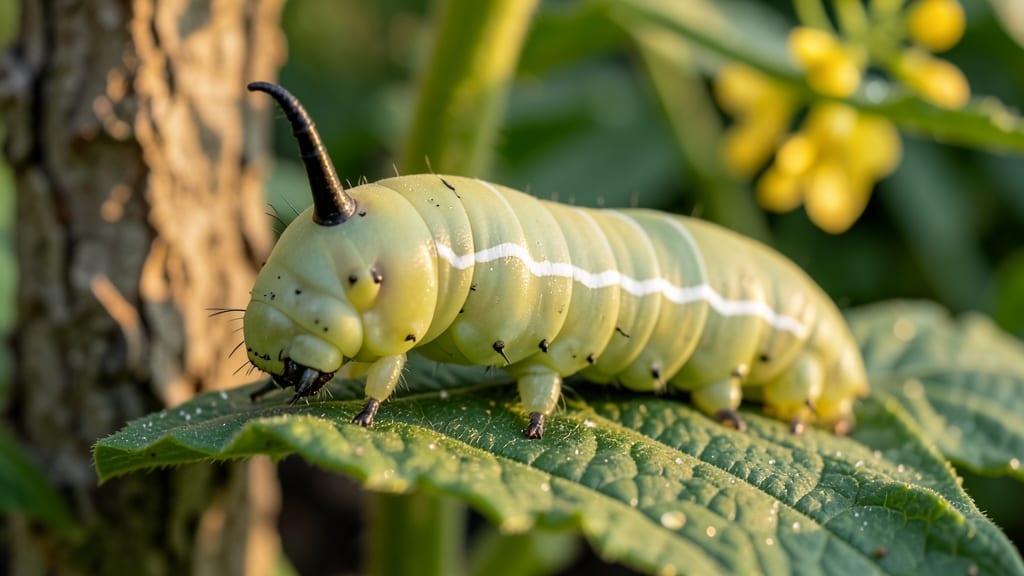
Tomato hornworm prevention starts with a simple truth: these striped bandits can devour your entire tomato plant in 24 hours—but I’ve saved dozens of plants by learning their patterns and acting fast. 🌱 The key isn’t just sprays or traps; it’s daily checks and knowing where to look, especially under leaves and near blossoms.
Most gardeners miss them because they blend in like camouflage, but early detection is everything. I’ve found that morning inspections (before the heat hides them) catch them before they disappear into the foliage.
Once you spot one, you’ll notice the chewed leaves and droppings that give them away—no need for fancy tools, just your eyes.
Hand-picking works 90% of the time if you do it right: drop them into soapy water (they’re edible, but nobody wants to eat them). For the stubborn 10%, parasitic wasps do the work for you—just leave some hornworms in your garden to attract them naturally.
The plants stay lush, the fruit keeps growing, and you avoid chemical sprays.
This method scales from one tomato plant to a full garden, and it’s the only prevention that actually stops the problem before it starts. No more wilted vines or missing tomatoes—just healthy plants and a foolproof system that works every season.
The hidden lures behind hornworms
If your tomato plants look like they’ve been through a mandatory caterpillar buffet, you’re not imagining things. Tomato hornworms—those 4-inch-long, green, striped munchers—aren’t just random pests. They’re highly strategic invaders drawn by specific conditions in your garden.
Understanding why they show up (and why they love your tomatoes) is the first step to outsmarting them. Let’s break down the science—and the sneaky tactics—behind their attacks.
Tomato hornworms aren’t picky eaters, but they do have a favorite dish: Solanaceae plants. That’s the fancy name for the family that includes tomatoes, peppers, eggplants, and potatoes. Why?
These plants produce alkaloid compounds (like solanine) that deter most insects—but not hornworms. In fact, these chemicals attract them. It’s like a neon “Eat Me” sign in the insect world.
- 🔬 The Science: Hornworms have evolved to metabolize these alkaloids, turning them into growth boosters. Their bodies even store these compounds as a defense mechanism against predators (like birds and wasps).
- 🍅 Actionable Insight: If your garden is packed with tomatoes, peppers, or eggplants, you’ve essentially hung out a “Welcome” mat. Diversify your plantings with non-Solanaceae crops (like basil, marigolds, or beans) to break the hornworm’s radar.
- 💡 Pro Tip: Hornworms prefer healthy, vigorously growing tomato plants. If your tomatoes are stressed (underwatered, over-fertilized, or diseased), they’ll produce more sugars and softer leaves, making them even more appealing. Keep plants consistently watered and moderately fed to reduce their allure.
Hornworms aren’t just attracted to your tomatoes—they’re also master camouflagers. Their green bodies blend seamlessly into foliage, and they love dense, leafy plants where they can disappear in seconds. If your garden is a jungle of unchecked growth, you’re giving them the perfect stealth operation headquarters.
- 🔬 The Science: Hornworms lay eggs on the undersides of leaves, often in clusters of 20–50. Their larvae then molt (shed their skin) 5–6 times as they grow, each time becoming harder to spot. Dense foliage also traps moisture, creating an ideal microclimate for their development.
- 🌿 Actionable Insight:
- Prune your tomato plants regularly to improve airflow and visibility. Remove lower leaves (where eggs are often laid) and suckers (small shoots that grow in the crotch of branches).
- Keep your garden tidy. Weeds and overgrown plants provide hiding spots for adult moths (the hornworm’s parent generation) to lay eggs.
- Use staking or trellising for indeterminate tomato varieties to elevate plants off the ground, making it harder for moths to access leaves.
- 💡 Pro Tip: Hornworms are nocturnal foragers. They spend the day hidden and emerge at dusk to feast. Do a quick evening patrol of your plants with a flashlight—you’ll often spot them mid-bite before they retreat.
Hornworms don’t just appear out of nowhere—they’re delivered by their parents, the five-spotted hawk moths (Manduca quinquemaculata). These moths are expert navigators, using a combination of scent, moisture, and even heat signatures to locate the perfect egg-laying spot.
If your garden is a hotspot for them, you’ll see hornworms within days.
- 🔬 The Science:
- Scent Tracking: Moths are drawn to the volatile organic compounds (VOCs) emitted by healthy tomato plants, especially those under stress or flowering.
- Moisture Magnet: They prefer areas with high humidity, which is why hornworms thrive in greenhouse or shady garden spots.
- Heat Seeking: Moths can detect infrared radiation from warm leaves, often targeting plants that have been recently watered or fertilized.
- 🌙 Actionable Insight:
- Disrupt their radar: Plant confusing scents like basil, dill, or mint near your tomatoes. These herbs mask the tomato’s natural attractants.
- Limit evening watering: Watering plants late in the day can leave them damp overnight, signaling moths to lay eggs. Water early morning instead.
- Use yellow sticky traps: Hawk moths are attracted to yellow lights. Place traps away from your garden to lure them away.
- 💡 Pro Tip: Moths are most active during new moon phases when moonlight is minimal. If you’re dealing with a severe infestation, time your hand-picking (or other interventions) for the darkest nights to catch them off-guard.
Hornworms are warm-weather bullies. They thrive in hot, humid conditions and can double their growth rate when temperatures are ideal. If your growing season is long and toasty, you’re essentially giving them a growth steroid.
- 🔬 The Science:
- Temperature Sweet Spot: Hornworms grow fastest between 75–85°F (24–29°C). Below 60°F (15°C), their development stalls.
- Humidity Boost: High humidity (60%+) keeps their skin soft and pliable, making molting easier and faster.
- Day Length Matters: Longer daylight hours (like in summer) accelerate their life cycle, leading to multiple generations per season.
- 🌡️ Actionable Insight:
- Monitor weather patterns: If your area has consistently hot summers, be extra vigilant. Start checking plants early in the season (as soon
Beat Back Tomato Hornworms Fast
If your tomato plants are under siege by these voracious caterpillars, don’t panic—there are effective, eco-friendly ways to reclaim your garden. Below, we break down the most common causes of tomato hornworm infestations and pair them with practical solutions to protect your plants.
From quick fixes to long-term prevention, these strategies will help you keep your tomatoes thriving.
Fix: Scout Regularly & Act FastHornworms blend into foliage, making them easy to overlook until damage is done. The key? Proactive monitoring.
- 🔍 Inspect plants 2-3 times a week, focusing on the undersides of leaves and near blossoms.
- 🌿 Look for:
- Large green caterpillars (3-4 inches long)
- Chewed leaves with clean edges (no ragged tears)
- Black droppings on soil or foliage
- 🕒 Best time to hunt: Early morning or late afternoon when hornworms are most active.
Pro tip: 💡 Use a flashlight at dusk to spot them more easily—they’re less active then but still visible.
Fix: Use Targeted, Natural DefensesBroad-spectrum pesticides can harm beneficial insects (like ladybugs and lacewings) that naturally control hornworms. Instead, opt for selective, non-toxic methods:
- 🍶 Bacillus thuringiensis (Bt): A soil bacterium that’s safe for humans and pets but deadly to hornworms. Spray it on leaves when caterpillars are small (before 2 inches).
- 🌿 Neem oil: Disrupts their feeding and growth. Mix 1 tbsp neem oil + 1 tsp mild soap + 1 quart water, then spray directly on caterpillars (avoid flowers to protect pollinators).
- 🧼 Insecticidal soap: Spray directly on hornworms (not just leaves)—it suffocates them by breaking their protective wax layer.
Pro tip: ✨ Timing matters: Apply Bt or neem oil in the early evening to avoid harming bees.
Fix: Strengthen Your TomatoesHealthy plants resist pests better. If your tomatoes are struggling, give them a boost:
- 💧 Water deeply but infrequently (1-2 inches per week) to prevent stress from drought or soggy roots.
- 🌿 Prune lower leaves to improve airflow and reduce hiding spots for hornworms.
- 🍄 Add compost or balanced fertilizer (like 10-10-10) to encourage strong growth. Avoid nitrogen-heavy fertilizers, which attract more pests.
- 🌞 Ensure 6-8 hours of sunlight daily—weak, shaded plants are easier targets.
Pro tip: 🌡️ Mulch with straw or grass clippings to retain moisture and deter hornworm eggs from hatching.
Fix: The Ultimate Hands-On SolutionThis is the fastest, most effective method—and it’s 100% chemical-free. Here’s how to do it right:
- 🔥 Grab a pair of gloves and a bucket of soapy water (1 gallon water + 1 tbsp dish soap).
- 👨🍳 Hunt for hornworms (especially near new growth and flowers).
- 🔪 Drop them into the soapy water—they’ll drown instantly. Do not release them elsewhere (they’ll just reinfest another plant).
- ⏰ Repeat daily for 3-5 days to catch newly hatched larvae.
Pro tip: 🎯 Check egg clusters too! Hornworm eggs are tiny and pale green—scrub them off leaves with a damp cloth if you spot them.
Fix: Invite Nature’s Pest ControlLadybugs, lacewings, and parasitic wasps devour hornworms. Help them thrive:
- 🌼 Plant companion flowers like dill, fennel, or marigolds to attract beneficial insects.
- 🌿 Avoid pesticides entirely (even "organic" ones can harm these helpers).
- 🏡 Install a small insect hotel or leave patches of wildflowers to support their lifecycle.
- 💧 Provide water sources like shallow dishes with pebbles for insects to drink.
Pro tip: 🔥 Release lacewing larvae (available online) near infested plants—they’re hornworm specialists!
Stop hornworms before they start with these proactive steps:
| Action | How to Do It |
|---|---|
| 🌱 Rotate crops | Move tomatoes to a new spot each year to disrupt hornworm life cycles. |
| 🕊️ Use row covers | Cover young plants with fine mesh netting until they’re established (remove at flowering to allow pollination). |
| 🍅 Plant trap crops | Grow basil or dill nearby—hornworms prefer these over tomatoes! |
| 🌿 Encourage birds | Install a bird feeder or bath to attract hornworm-eating birds like robins and sparrows. |
Pro tip: 🌡️ Plant tomatoes in late spring (after the first frost) to miss the peak egg-laying season (early summer).
Frequently asked questions
How do I tell if my tomato plants have hornworms?
Look for large green caterpillars (3-4 inches) with white diagonal stripes and tiny black horns. Check undersides of leaves and near blossoms. You’ll also spot chewed leaves with clean edges (no ragged tears) and black droppings on foliage or soil. Early morning inspections work best when they’re most active.
Is hand-picking hornworms really effective?
Yes! Hand-picking removes 90% of hornworms if done daily for 3-5 days. Drop them into soapy water immediately—they’re edible but nobody wants to eat them. For best results, check plants early morning or evening when they’re most visible. It’s the fastest, chemical-free solution.
What’s the best natural spray for hornworms?
Bacillus thuringiensis (Bt) is the safest option—it’s a natural bacteria that kills hornworms without harming beneficial insects. For larger caterpillars, use neem oil (mix 1 tbsp neem + 1 tsp soap + 1 quart water) or insecticidal soap, applying directly on the caterpillars. Always spray in the early evening to protect bees.
Why do hornworms keep coming back even after I remove them?
Hornworms lay 20-50 eggs per cluster on leaf undersides, and new larvae hatch every 3-5 days. To break the cycle, remove egg clusters (tiny pale green dots) and invite natural predators like parasitic wasps or lacewings. Also, rotate crops yearly and avoid over-fertilizing—stressed plants attract more pests.
Can I use row covers to prevent hornworms?
Yes! Fine mesh netting (like agricultural fabric) works great for young plants. Cover seedlings until they’re established, then remove at flowering to allow pollination. For larger plants, use cage-like structures or individual plant covers. Just ensure good airflow to prevent disease.