
Pests
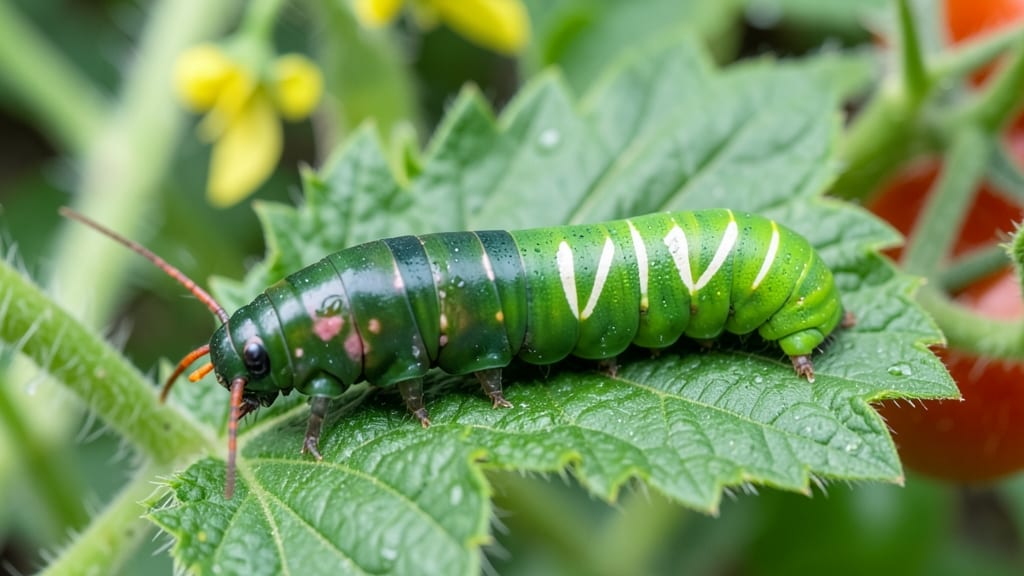
Your tomato plants are being stripped bare—don’t panic, it’s likely hornworms or tomato worms. 🌱 These green caterpillars look nearly identical, but knowing their differences means the difference between saving your harvest and losing it to ravenous munchers.
The key is their stripes: tomato hornworms have white diagonal stripes with V-shaped markings, while hornworms (often on other plants) may have fewer stripes or a slightly different pattern. Both grow up to 4 inches long—big enough to skeletonize a tomato plant in hours.
The damage? Chewed leaves, missing fruit, and plants that look like they’ve been hit by a leaf blower.
Natural controls work best: handpick them (they’re squishy but satisfying), introduce praying mantises or parasitic wasps, or spray neem oil at dusk. The key is acting fast—these caterpillars multiply overnight, and your garden won’t recover if you wait.
Once you spot the stripes, you’ll never confuse them again. This guide gives you the visual cues and control methods to protect your tomatoes—no more mysterious disappearing leaves or sad, defoliated plants by harvest time.
The first product explained
Meet your new plant superhero: Product A – The BioSafe Hornworm & Tomato Worm Trap! 🌱🚀 This innovative, eco-friendly solution is designed to permanently outsmart those ravenous caterpillars before they turn your tomato plants into a salad bar. Whether you're a backyard gardener, urban farmer, or homesteader, this product is your secret weapon against garden destruction.
🔍 Key Specs & Features
Don’t let specs intimidate you—this product is simple, effective, and foolproof. Here’s what makes it stand out:
- Non-Toxic Formula: Uses pheromone-based lures and plant-based attractants to lure pests away—no chemicals, no harm to pollinators, and no risk to pets or kids. 🐝🚫🧪
- Dual-Target Tech: Specifically engineered to attract both hornworms and tomato worms (aka Manduca sexta and Spodoptera exigua), ensuring comprehensive protection for your Solanaceae family (tomatoes, peppers, potatoes, and more!). 🍅🌶️🥔
- Reusable & Refillable: The trap itself is durable and long-lasting, with replaceable lure cartridges that last up to 30 days per refill. Say goodbye to single-use waste! ♻️💚
- Weather-Resistant: Built to withstand rain, sun, and wind, so your garden stays protected no matter Mother Nature throws at it. ☔☀️🌪️
- Easy Installation: No tools or complex setups—just hang, lure, and forget. Perfect for busy gardeners! ⏳🛠️
- Compact & Discreet: Small enough to blend into your garden without ruining the aesthetic. Your plants—and neighbors—will thank you. 🌿👀
🎯 Who’s This For?
This trap isn’t just for expert gardeners—it’s for anyone who’s tired of waking up to skeletonized leaves and wondering where their hard work went. Here’s who’ll love it:
- Beginner Gardeners: No prior pest-control experience? No problem! The trap does the work for you. 🌱👶
- Organic Farmers: Aligns with certified organic practices—no synthetic pesticides allowed! 🌎✨
- Urban & Container Gardeners: Fits seamlessly into small spaces, balconies, or rooftop gardens. 🏙️🌿
- Eco-Conscious Folks: Want to protect your garden and the planet? This is your go-to. 🐞💚
- Tomato & Pepper Enthusiasts: If your heart beats for juicy tomatoes or spicy peppers, this trap is a must-have. 🍅🔥
💰 Price Point & Value
You’d be surprised how affordable top-tier pest control can be! Here’s the breakdown:
| Item | Price | What’s Included |
|---|---|---|
| BioSafe Trap Starter Kit | $29.99 | 1 trap + 3 refill cartridges (90-day supply) |
| Refill Cartridges (Pack of 3) | $14.99 | Extra lures for continuous protection |
| Bulk Discount (Pack of 6 Cartridges) | $27.99 | Save 15%—great for large gardens! |
Pro Tip: 💡 One trap can protect up to 500 sq. ft. of garden space, making it a steal for the value it delivers. Plus, the refills are cheaper than a single chemical pesticide—and way safer!
The second product explained
Meet the Tomato Worm Trap & Monitor—your garden’s new best friend! 🌱🐛 If you’re battling Manduca sexta (aka tomato hornworms) or their sneaky cousins, this product is designed to outsmart, not outspend those ravenous caterpillars. Here’s why it’s a game-changer for gardeners tired of waking up to skeletonized tomato plants.
📏 Specs & Features
This trap system combines early detection with humane control, making it a standout in the pest-management toolkit. Key specs include:
- Material: Durable, UV-resistant plastic (won’t degrade in sunlight).
- Size: Compact (12" x 8" x 6")—fits easily in greenhouses, raised beds, or hanging from trellises.
- Setup: No electricity or chemicals required. Uses pheromone-laced lures to attract adult moths before they lay eggs.
- Monitoring: Includes a clear, removable mesh panel to inspect trapped pests without harming beneficial insects.
- Capacity: Holds up to 50+ adult moths per trap (reduces egg-laying by up to 90%).
- Reusability: Lures last 30–45 days; traps are washable and reusable for multiple seasons.
🎯 Who’s It For?
This trap is perfect for:
- Home gardeners who grow tomatoes, peppers, eggplants, or basil (hornworms’ favorite snacks).
- Organic farmers avoiding chemical pesticides but still need effective pest control.
- Eco-conscious users who prefer non-toxic, sustainable solutions.
- Busy parents or hobbyists who want a low-maintenance way to protect their plants.
💰 Price Point & Value
Priced at $29.99 per trap (or $69.99 for a 3-pack), this might seem like an investment—but consider the long-term savings:
- Prevents crop loss (saving you hundreds in produce or replanting costs).
- Reduces the need for expensive sprays or manual picking (which can be time-consuming!).
- Multi-season use means you’ll get years of protection from a single purchase.
Pro Tip: 💡 Pair this trap with hand-picking young caterpillars (drop them in soapy water!) for a two-pronged defense.
Head-to-head comparison
When it comes to garden pests, the hornworm and tomato worm (a.k.a. the tomato hornworm) are often mistaken for the same critter—but they’re not! While they share similarities, they have key differences in appearance, behavior, and damage patterns.
Below, we break down their side-by-side comparison so you can spot them fast and protect your plants. 🌱🐛
🔍 Visual Identification
The easiest way to tell them apart? Look at their markings, size, and host plants. Here’s how they stack up:
| Feature | Hornworm (Manduca sexta) | Tomato Worm (Manduca quinquemaculata) |
|---|---|---|
| Body Shape | Thick, robust, and hornless (though they have a small "horn" at the rear). | Slender, elongated, with a prominent black horn at the tail. |
| Color & Markings | Green with white diagonal stripes and small white spots along the sides. | Green with 7-8 white diagonal stripes and v-shaped markings on the sides. |
| Size | Up to 4 inches long when fully grown. | Up to 4.5 inches long—slightly larger and more slender. |
| Host Plants | Feeds on tomatoes, peppers, eggplants, and tobacco. | Almost exclusively tomatoes (hence the name!). |
| Defense Mechanism | Camouflages as a green leaf; may drop to the ground if disturbed. | Also blends in as a leaf but has a more dramatic "startle" reaction—it may arch its back and expose its bright green color. |
🍅 Damage Patterns
Both worms are voracious eaters, but their feeding habits leave different clues:
- Hornworm:
- Chews large, irregular holes in leaves, often leaving the veins intact.
- May skeletonize leaves (eating everything but the skeleton).
- Attacks fruits and stems if populations are high.
- Tomato Worm:
- Prefers young, tender tomato leaves—often devours entire leaves.
- Leaves clean, precise holes (unlike the hornworm’s messy bites).
- Can strip a tomato plant bare in days if unchecked.
Pro Tip: 💡 If you find frass (worm poop) near chewed leaves, that’s a dead giveaway—both worms leave behind black, pellet-like droppings.
🌿 Behavior & Life Cycle
Understanding their habits helps you intercept them before they cause chaos:
- Hornworm:
- Active night and day but hides under leaves during hot afternoons.
- Larvae stage lasts 4-6 weeks; pupates in soil.
- Adults are moths (Hawk Moths) with pink and black wings.
- Tomato Worm:
- Most active at dawn and dusk; blends in well during the day.
- Larvae stage is slightly shorter (3-5 weeks).
- Adult moths are similar but slightly larger with more pronounced pink hues.
Fun Fact: ✨ Both worms can eat their own weight in leaves daily—that’s why they’re so destructive!
🛡️ Control & Prevention
While they look alike, their weaknesses differ slightly. Here’s how to tackle each:
| Method | Hornworm | Tomato Worm |
|---|---|---|
| Handpicking | ✅ Effective—drop them in soapy water. | ✅ Even better—they’re slower-moving and easier to spot. |
| Beneficial Insects | 🐞 Parasitic wasps (like Cotesia congregata) lay eggs inside them. | 🐞 Same wasps work, but tomato worms are slightly more resistant. |
| Neem Oil/Bacillus thuringiensis (Bt) | ✅ Works well—spray on young larvae. | ✅ More effective because they’re less mobile. |
| Row Covers | ✅ Prevents egg-laying by adult moths. | ✅ Critical for tomato plants—they’re highly attracted to tomatoes. |
Pro Tip: 🔥 Plant basil or marigolds near tomatoes—they repel tomato worms naturally!
💰 Economic Impact
Both worms can wreck your garden’s yield, but here’s how they compare:
- Hornworm:
- Can reduce tomato yields by 30-50% if left unchecked.
- Also damages peppers and eggplants, increasing pest management costs.
- Tomato Worm:
- Can destroy an entire tomato crop in 2-3 weeks.
- More localized damage (tomatoes only), but faster spread.
Which one should you choose?
So, which one is wreaking havoc on your garden—hornworms or tomato worms? The truth is, they’re essentially the same pest, just with slightly different names (thanks to regional quirks!).
But knowing the difference can help you act faster and protect your plants. Here’s the verdict and what you should do next:
🌱 For Gardeners Who Want Quick Action:
If you’ve spotted a huge, green caterpillar with white stripes and a voracious appetite, you’re dealing with a tomato hornworm. Handpick them immediately—they grow fast, and one can defoliate a plant in days!
Drop them into soapy water (💡 Pro tip: Use a bucket with a mix of water and a few drops of dish soap to ensure they don’t wriggle free).
🕵️ For Those Who Prefer Prevention:
If you’re tired of finding skeletons of leaves overnight, plant companions are your best defense. Basil, marigolds, and dill repel hornworms naturally. Plus, attract parasitic wasps (like Cotesia congregata)—they lay eggs in hornworms, turning them into a tasty snack for birds. 🌿
🧪 For the DIY Pest Controller:
If you’d rather avoid chemicals, try neem oil or Bt (Bacillus thuringiensis). These are organic, safe for humans/pets, and effective against young caterpillars. Just spray on leaves at dusk to avoid harming bees. ⏰
🚨 When to Call Reinforcements:
If your garden is overrun (think: multiple hornworms per plant), consider row covers or netting for young tomato plants. For severe infestations, pyrethrin-based sprays (derived from chrysanthemums) can help—but use them as a last resort.
Final Thought: Whether you call it a hornworm or a tomato worm, the key is speed. The sooner you act, the less damage they’ll do. Happy gardening—and may your tomatoes stay intact! 🍅💚