
Plants
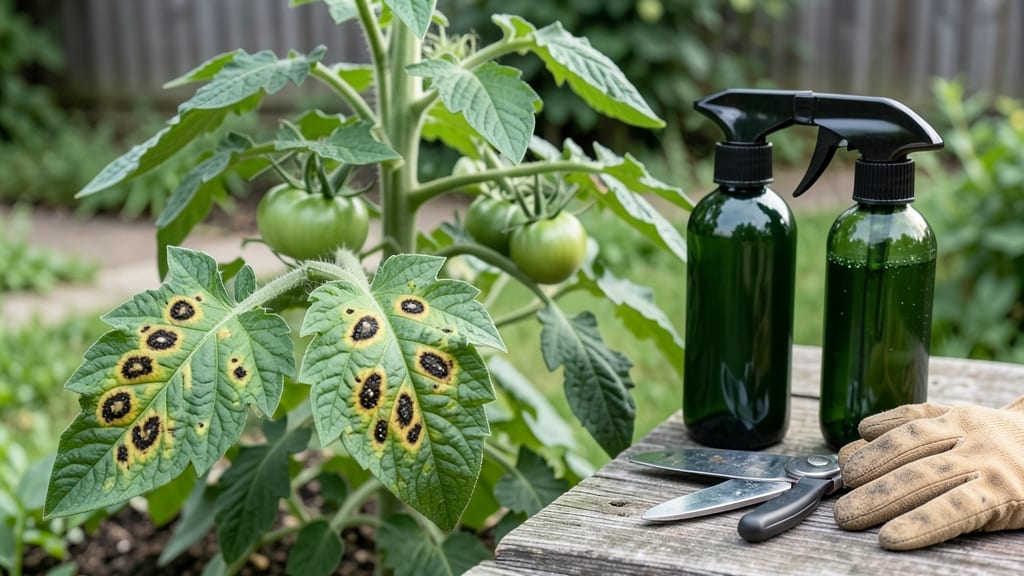
Your tomato plants are sending an SOS with those yellow leaves and black spots—this is early blight, and it’s fixable. 🌱 I’ve battled this stubborn disease for years, and once you spot the concentric rings on the undersides of leaves, you’ll want to act fast before it spreads to the fruit.
The good news? Early blight thrives in wet, humid conditions, so pruning for airflow and removing infected leaves (gloves on!) cuts off its fuel. I’ve saved entire plants by treating them with a copper fungicide spray every 7–10 days—organic, effective, and no waiting period before harvest.
By the time you finish this, you’ll know exactly which leaves to trim, how to space your plants for airflow, and the one simple trick that stops new spots in their tracks. Your tomatoes won’t just survive—they’ll rebound with stronger growth than ever.
This isn’t about losing your crop—it’s about turning the tide. Early blight slows down when you give plants room to breathe and keep foliage dry. I’ve seen plants bounce back in just 2–3 weeks with consistent care, even after heavy damage.
The key is catching it early and staying consistent. Skip the harsh chemicals—your soil (and taste buds) will thank you. Let’s get those plants back in fighting shape.
Once you’ve treated the existing spots, focus on prevention for next season. Rotate crops, avoid overhead watering, and mulch to keep soil moisture even. Your future tomato plants will thank you with bold, disease-free foliage and heavier yields.
No more panicking when you spot those first yellow leaves—you’ve got this. The battle’s winnable, and your garden’s about to prove it.
Root Causes Behind Leaf Decline
When your tomato plants start showing yellow leaves with black spots, it’s often a cry for help from the plant itself. These symptoms rarely appear without reason—and understanding the why behind them is the first step toward saving your harvest.
Below, we break down the most common culprits, from fungal invaders to environmental stressors, with clear explanations of how they damage your plants.
Fungal diseases like early blight (Alternaria solani) and Septoria leaf spot are the #1 reason for yellowing leaves with dark, concentric spots. Here’s how they work:
- Spore Spread: Fungi thrive in warm, humid conditions (70–85°F) and spread via wind, water splashes, or contaminated tools. Spores land on leaves, germinate, and penetrate through natural openings like stomata.
- Leaf Damage: The fungus blocks chlorophyll production in infected cells, causing yellowing. Black spots form as the fungus matures and produces spores in concentric rings (early blight) or tiny dark specks (Septoria).
- Systemic Stress: Infected leaves weaken the plant, reducing energy for fruit production. If left unchecked, the disease spreads to stems and fruit, causing target-like lesions.
💡 Pro Tip: Early blight loves crowded plants with poor airflow. Space your tomatoes 18–24 inches apart and avoid overhead watering to reduce humidity around leaves.
Not all leaf damage comes from pathogens—sometimes, your plants are reacting to their surroundings. Here’s how:
| Stressor | How It Causes Symptoms | Fix It |
|---|---|---|
| Excessive Heat (above 90°F) | Heat accelerates transpiration (water loss), causing leaf edges to yellow and crisp. Black spots can appear if heat stress weakens cells, making them susceptible to sun scorch or secondary fungal infections. | Provide afternoon shade (use shade cloth) and mulch to keep roots cool. |
| Over/Under-Watering |
|
Water deeply 1–2 times per week (1–1.5 inches total) and improve drainage with raised beds or perlite. |
| Cold Snaps (below 50°F) | Cold damages cell membranes, causing oxidative stress. Leaves may develop yellow patches with blackened edges as tissues die. Tomato plants are especially sensitive if exposed to frost. | Use row covers or move pots to a sheltered spot before temps drop. |
While pests like aphids or spider mites don’t directly cause black spots, their feeding habits weaken leaves, making them vulnerable to secondary infections. Here’s the connection:
- Direct Harm: Pests inject toxins or suck sap, disrupting nutrient flow. This leads to interveinal chlorosis (yellowing between veins) and stunted growth.
- Fungal Hitchhikers: Honeydew (aphid waste) creates a sticky film that traps fungal spores, promoting sooty mold or early blight.
- Physical Damage: Chewed leaves have jagged edges, increasing water loss and stress.
🔥 Spotlight on Thrips: These tiny pests cause silvering on leaves (a common symptom confused with disease) and spread tomato spotted wilt virus, which can cause black necrotic spots.
🎯 Solution: Blast pests off with a strong stream of water, introduce ladybugs or predatory mites, and use neem oil as a preventative spray.
Yellow leaves with black spots can also signal a nutritional imbalance. Here’s how deficiencies play a role:
- Nitrogen Deficiency:
- Causes general yellowing (starting with older leaves) due to reduced chlorophyll.
- Black spots may appear if the plant is also stressed by magnesium deficiency (common in nitrogen-heavy soils).
- Potassium Deficiency:
- Leads to marginal scorching (yellow/brown edges) and weak cell walls, making leaves prone to necrosis (blackened spots).
- Tomatoes need potassium to regulate water and fight disease—low levels make them more susceptible to early blight.
- Magnesium Deficiency:
- Causes interveinal yellowing (between veins) as chlorophyll breaks down. Severe cases can lead to blackened patches.
- Common in alkaline soils or after heavy rainfall leaches nutrients.
💪 Fix It: Test your soil and amend with:
- Nitrogen: Compost tea or fish emulsion.
- Potassium: Wood ash or greensand.
- Magnesium: Epsom salt (1 tbsp/gallon of water, sprayed on leaves).
🌿 Key Takeaway: Most cases of yellow leaves with black spots stem from fungal infections, but environmental stress and pests often team up to worsen symptoms. The good news? Once you identify the root cause, you can target treatments—whether it’s improving airflow, adjusting watering, or applying organic fungicides. Stay tuned for our next section on diagnosing vs. treating these issues!
Fixing Yellowed Tomato Leaves Fast
Now that you’ve identified the culprit behind those yellow leaves with black spots—likely early blight or another fungal disease—it’s time to act. The good news? With the right approach, your tomato plants can bounce back, and future harvests will stay healthy.
Below, we break down practical, organic solutions tailored to each cause, plus prevention tips to keep your garden thriving.
Early blight (Alternaria solani) thrives in warm, humid conditions, but you can outsmart it with these steps:
🔥 Remove Infected Plant Debris (ASAP!)
- Why? Fungal spores linger on dead leaves and stems, ready to reinfect.
- How?
- Snip off yellowed or spotted leaves (don’t compost them—toss in the trash).
- Clean up fallen leaves and plant residue from the soil surface.
- Sterilize pruners with rubbing alcohol between cuts to avoid spreading spores.
🌿 Prune for Better Airflow
- Why? Crowded plants trap moisture, creating the perfect fungal buffet.
- How?
- Space plants 18–24 inches apart (if possible).
- Thin out lower leaves (especially those touching the soil) to improve circulation.
- Avoid overhead watering—water at the base in the morning so foliage dries quickly.
🍳 Homemade Fungicide Sprays (Safe & Effective)
Mix one of these in a spray bottle and apply every 7–10 days or after rain:
| Ingredient | Recipe | How to Use |
|---|---|---|
| Baking Soda | 1 tsp baking soda + 1 quart water + a few drops of dish soap (as a surfactant). | Spray undersides of leaves (where spores hide). Avoid spraying in direct sun. |
| Neem Oil | 1 tbsp neem oil + 1 tsp mild soap + 1 quart water. Shake well. | Apply early morning or evening to avoid burning leaves. |
| Copper Fungicide | Follow label instructions for organic copper-based sprays. | Reapply after rain—copper works best when wet. |
💡 Pro Tip: Rotate sprays to prevent fungal resistance. For example, use baking soda one week, then neem oil the next.
🌡️ Adjust Watering Habits
- Water deeply but infrequently—aim for 1–1.5 inches per week.
- Avoid wetting leaves—use a soaker hose or drip irrigation.
- Water in the morning so foliage dries by nightfall (fungi love damp darkness).
If your plants have dark, greasy-looking spots (a sign of Phytophthora infestans), late blight is more aggressive. Isolate infected plants immediately and:
👨🍳 Emergency Pruning & Removal
- Cut off all infected leaves and stems (including healthy-looking ones near spots).
- Destroy infected plant material—do not compost it.
- If the disease is severe, remove the entire plant to prevent spread to other crops.
🔪 Copper Spray: Your Best Defense
- Use a copper fungicide (like Copper Sulfate) every 5–7 days until new growth appears.
- Bonus: Copper also deters other fungal diseases like Septoria leaf spot.
⏰ Adjust the Environment
- Reduce humidity with a fan on low speed near plants (if growing indoors).
- Space plants wider (late blight spreads faster in crowded gardens).
- Avoid nighttime watering—wet leaves overnight = fungal party time.
If aphids, spider mites, or whiteflies are causing yellowing with black sooty mold:
🚰 Blast Them Off
- Spray with water (forceful stream from a hose) to dislodge pests.
- Use insecticidal soap (1 tsp mild soap + 1 quart water) for a gentle but effective kill.
🌿 Introduce Beneficial Bugs
- Ladybugs and lacewings eat aphids. Buy them online or attract them with dill or fennel plants.
- Neem oil (same recipe as above) also repels soft-bodied pests.
🌡️ Prevent Future Infestations
- Rotate crops—don’t plant tomatoes in the same spot yearly.
- Interplant with basil or marigolds—they repel pests naturally.
- Check undersides of leaves weekly for early signs of pests.
Once your plants recover, lock in their defenses with these habits:
- 💡 Crop Rotation: Wait 3–4 years before replanting tomatoes, peppers, or potatoes in the same spot.
- ✨ Soil Health: Amend soil with compost and mycorrhizal fungi to boost plant resilience.
- 🎯 Mulch Smartly: Use straw or grass clippings (not wood chips) to keep soil moist but not soggy.
- 🌿 Choose Resistant Varieties: Next season, try ‘Mountain Merit’ or ‘Defiant PhR’—they’re bred to resist blight.
Final Reminder: The key to saving your tomato plants is early action. The moment you spot yellowing or black spots, prune, spray, and adjust care. With consistency, your plants will recover—and next year’s harvest will be even better! 🍅✨
Frequently asked questions
Can I still harvest tomatoes from plants with yellow leaves and black spots?
Only if the spots are only on the leaves and haven't reached the fruit. If you see concentric rings or black spots on stems or tomatoes, remove those fruits immediately—some fungal diseases (like early blight) can make tomatoes inedible. Always wash harvested tomatoes thoroughly before eating.
How do I tell if my tomato plant has early blight vs. Septoria leaf spot?
The key difference is the spot pattern: Early blight shows concentric rings (like bullseye targets), while Septoria leaf spot has tiny black specks in the center of spots. Both cause yellowing, but early blight spreads faster and often appears first on lower leaves. Check the undersides—spores love hiding there!
Will my tomato plants recover if I remove all the infected leaves?
Yes, but only if you act fast and combine pruning with proper care. Remove all spotted leaves (don't compost them!) and apply copper fungicide immediately. With good airflow, consistent watering at the base, and weekly preventive sprays, plants often rebound in 2-3 weeks. The key is stopping spore spread before it gets systemic.
Can I use vinegar as a homemade fungicide for tomato leaf spots?
Not recommended—vinegar is too harsh and can burn leaves. Instead, use baking soda spray (1 tsp baking soda + 1 quart water + dish soap) or neem oil (1 tbsp neem + 1 tsp soap + 1 quart water). Both are safe, effective, and won't harm your plants when used correctly. Always test sprays on a small leaf first.
How do I prevent this problem next growing season?
Focus on three key prevention strategies:
- Crop rotation—don't plant tomatoes in the same spot for 3+ years,
- Improve airflow by spacing plants 18-24" apart and pruning lower leaves, and
- Use resistant varieties like 'Mountain Merit' or 'Defiant PhR'. Add compost to boost soil health and mulch with straw to keep soil evenly moist but not soggy.