
Pests
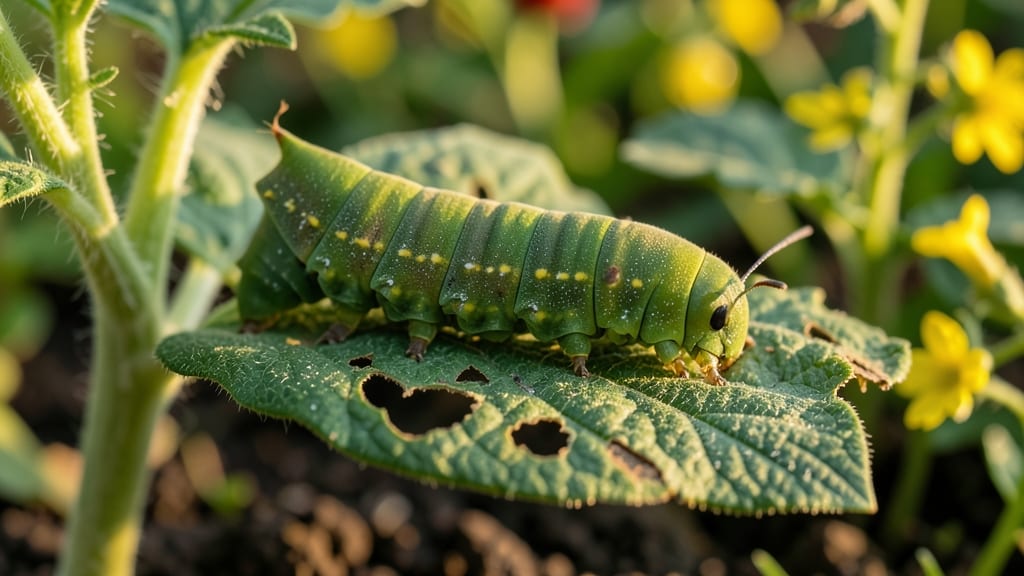
Your tomatoes are being devoured before you can even pick them. 🌱 The tomato worm caterpillar—those striped, green invaders—can strip a plant bare in days, but I’ve learned the right approach turns the tide without harsh chemicals.
This isn’t just about saving your harvest; it’s about protecting your garden’s balance while keeping your plants thriving.
The life cycle starts with tiny eggs laid on leaves, and those caterpillars grow fast—up to 3 inches long—if left unchecked. Most gardeners reach for sprays first, but that disrupts the ecosystem.
Instead, I focus on three key strategies: handpicking (yes, it works), biological controls like Bacillus thuringiensis, and simple cultural fixes like row covers or companion plants that deter moths.
By combining these methods, you’ll see fewer worms within a week, and your plants will bounce back stronger. The best part? These solutions work for all tomato varieties—from heirlooms to cherry types—and won’t harm pollinators or your soil. No more helplessly watching your harvest disappear.
Whether you’re dealing with a small patch or a full garden, this approach scales easily. Let’s get your tomatoes back on track—without the guilt of chemical overuse. Here’s how to break the cycle for good.
Root Causes Behind Caterpillar Infestations
If you’ve ever spotted a tomato worm caterpillar munching away on your prized plants, you’re probably wondering: why does this keep happening? These voracious larvae—typically Manduca sexta (tomato hornworm) or Spodoptera exigua (beet armyworm)—don’t just appear out of nowhere.
Their presence is usually a sign of underlying conditions that make your garden an all-you-can-eat buffet. Let’s break down the key reasons these pests target your tomatoes and how to address them.
Tomato hornworms and beet armyworms aren’t picky—they’re opportunistic. Adult moths (their parent forms) are drawn to ripe, soft, or injured tomatoes because these offer the easiest access to nutrients and a safe place to lay eggs. Here’s why this happens:
- Sugar and moisture signals: Ripe tomatoes emit volatile organic compounds (VOCs) that moths detect from miles away. These chemicals act like a neon "Dine Here" sign. 🍅💥
- Physical vulnerabilities: Bruised or cracked fruit provides a foothold for female moths to deposit eggs in hidden crevices, protecting them from predators and weather.
- Fungal or bacterial soft rot: Tomatoes affected by Fusarium wilt or Blight become mushy and emit a fermented smell—another attractant for egg-laying moths.
Actionable fix:
- 🔍 Inspect fruit regularly: Pick tomatoes as soon as they ripen (even if not fully red) to remove the temptation.
- 🧹 Remove damaged fruit immediately: Toss bruised or diseased tomatoes into a sealed bin away from your garden.
- 🌿 Use row covers: Lightweight fabric barriers (like floating row covers) block adult moths from accessing plants entirely.
Lush, tangled foliage isn’t just aesthetically pleasing—it’s a hideout for tomato worm caterpillars. These pests thrive in environments where:
- Eggs blend in: Female moths prefer to lay eggs on the undersides of leaves or in leaf axils (where the stem meets the leaf). In a crowded plant, these spots are plentiful and hard to spot. 🕷️🌿
- Larvae avoid predators: Tightly packed leaves create microclimates that shield caterpillars from birds, parasitic wasps, and other natural enemies.
- Humidity traps moisture: Dense foliage retains moisture, speeding up larval growth and increasing survival rates.
Actionable fix:
- 🌿 Prune strategically: Thin out suckers and lower leaves (especially those touching the soil) to improve airflow and visibility.
- 🔦 Use a flashlight at dusk: Shine a light on the undersides of leaves to spot and squish eggs (they’re tiny, white, and clustered like grains of rice).
- 🌱 Space plants properly: Follow spacing guidelines (e.g., 18–24 inches apart for tomatoes) to reduce congestion.
Tomato worm caterpillars are temperature-sensitive. They develop fastest in warm, humid conditions—ideal for gardeners in the Southeast U.S. or during summer months elsewhere. Here’s how climate plays a role:
- Faster egg hatching: Eggs hatch in as little as 3–5 days in temperatures above 75°F (24°C), compared to weeks in cooler weather. 🌡️⏱️
- Longer feeding windows: Larvae grow from egg to pupa in 2–3 weeks in heat, giving them more time to devour your plants.
- Moth activity peaks: Adult moths are most active at dusk and dawn when humidity is high, increasing egg-laying opportunities.
Actionable fix:
- 🌡️ Monitor local forecasts: Set up alerts for heatwaves or humidity spikes—this is when infestations explode.
- 💦 Adjust watering times: Water early in the morning to reduce evening humidity, making conditions less hospitable for eggs.
- 🌿 Use reflective mulch: Aluminum mulch or silver plastic sheets can repel moths by reflecting light and heat.
In a healthy ecosystem, tomato worm caterpillars face a gauntlet of predators—yet many gardens lack these helpers. Common natural enemies include:
- Parasitic wasps: Cotesia congregata (a braconid wasp) lays eggs inside hornworms, turning them into zombie-like "mummy" caterpillars. 🪰💀
- Birds and bats: Species like purple martins and swifts snack on caterpillars mid-flight.
- Ground beetles and spiders: They prey on eggs and young larvae before they become a problem.
When pesticides (even organic ones) are overused, these predators vanish, leaving caterpillars unchecked.
Actionable fix:
- 🐝 Create predator habitats: Install birdhouses, bat boxes, or toad abodes near your garden.
- 🌿 Avoid broad-spectrum sprays: Skip neonicotinoids or pyrethrin-based pesticides—they kill beneficial insects too.
- 🔍 Handpick and release predators: If you find a caterpillar with white "cocoons" (wasps), leave it on the plant to hatch.
By addressing these root causes—attractants, hiding spots, climate, and predator loss—you’ll disrupt the tomato worm caterpillar’s life cycle before it disrupts your harvest. 🚫🐛
Natural Ways to Stop Them Fast
Discovering tomato worm caterpillars munching on your prized tomato plants can feel like a nightmare—especially when they leave behind chewed foliage and fruit. The good news? You don’t need harsh chemicals to reclaim your garden.
Below, we break down targeted solutions based on the root causes of infestations, from manual removal to long-term prevention. Each method is practical, eco-friendly, and designed to work without disrupting your garden’s balance.
For small infestations, a hands-on approach is often the fastest way to stop the damage in its tracks.
- 👨🍳 Handpick them early: Check plants daily (especially in the morning when caterpillars are sluggish). Wear gloves and drop them into a bucket of soapy water—this kills them instantly. Pro tip: Use a flashlight at dusk to spot hidden larvae on undersides of leaves.
- 🔪 Prune damaged leaves: Snip off heavily chewed foliage and dispose of it in sealed bags (not compost). This removes both caterpillars and their eggs.
- 🌡️ Time it right: Focus on removal after rain or in the evening when caterpillars are less active. Warning: Avoid disturbing plants during peak pollinator hours (10 AM–4 PM) to protect bees.
When caterpillars are widespread, natural sprays can create a protective barrier without harming beneficial insects.
- 🍳 Bacillus thuringiensis (Bt): This soil bacterium is the gold standard for organic growers. Spritz it on leaves—caterpillars ingest it and stop feeding within 48 hours. Best for: Young larvae (older ones may resist). Reapply after rain.
- 🥘 Neem oil spray: Mix 1 tbsp neem oil + 1 tsp mild soap in 1 quart of water. Spray undersides of leaves to disrupt feeding and egg-laying. Reapply every 5–7 days for continuous protection.
- 🌱 Garlic or chili pepper spray: Blend 1 chopped garlic bulb or 2 tbsp cayenne pepper with 1 quart of water. Strain and spray—this irritates caterpillars’ mouths. Note: Test on a small leaf first; some plants may react.
Prevent caterpillars from reaching your tomatoes by luring them away or blocking their access.
- 🌱 Plant trap crops: Grow dill, basil, or marigolds near your tomatoes. These attract tomato worm moths, giving your main plants a fighting chance. Bonus: Marigolds also repel other pests like aphids.
- 🧶 Use row covers: Lightweight fabric barriers (like floating row covers) suffocate moths before they lay eggs. Install them at planting time for season-long protection.
- 🎯 Yellow sticky traps: Hang these near plants to catch adult moths. Place traps above the canopy for maximum effectiveness.
Break the caterpillar life cycle with these proactive steps to keep your garden resilient.
- 💡 Clean up debris: Remove old plant material, weeds, and fallen fruit after harvest. This eliminates hiding spots for eggs and pupae.
- 🎯 Interplant with herbs: Basil, mint, and thyme deter moths with their strong scents. Pro tip: Crush a few leaves and rub them on tomato stems for extra protection.
- 🌡️ Rotate crops: Avoid planting tomatoes (or nightshades like peppers) in the same spot yearly. Moths rely on familiar terrain to lay eggs.
- 🐝 Encourage predators: Attract birds (with feeders or native plants) and beneficial insects like parasitic wasps (they lay eggs inside caterpillars!). Avoid broad-spectrum pesticides to keep these allies around.
Remember: Consistency is key. Combine 2–3 methods (e.g., handpicking + Bt + trap crops) for the best results. With patience and these natural strategies, your tomato plants will thrive—without becoming a caterpillar buffet! 🍅✨
Frequently asked questions
What do tomato worm caterpillars look like?
Tomato hornworms (the most common type) are green with white diagonal stripes and can grow up to 4 inches long. Beet armyworms are pale green or brown with a white stripe down their backs. Both have smooth, hairless bodies and move quickly when disturbed. Look for their droppings (small black pellets) on leaves as a telltale sign!
Are tomato worm caterpillars harmful to humans?
No, they’re not dangerous to humans. While they may look intimidating, tomato worm caterpillars are not poisonous or venomous. Some people might have mild allergic reactions if they handle them, but this is rare. The real concern is their appetite—they’ll destroy your tomato plants in days if left unchecked!
How quickly can tomato worm caterpillars destroy a plant?
A single caterpillar can defoliate a tomato plant in 2-3 days if unchecked. Since they grow rapidly (from egg to full size in 2-3 weeks), a few caterpillars can strip your entire garden in 1-2 weeks during peak season. Early intervention is key—start checking plants weekly once temperatures rise above 70°F!
Can I use dish soap to kill tomato worm caterpillars?
Yes, but it’s not the most effective solution. Mix 1 tablespoon of mild dish soap with 1 quart of water and spray directly on caterpillars. This disrupts their protective coating, causing dehydration. For better results, combine it with Bacillus thuringiensis (Bt) or neem oil. Reapply every 3-4 days after rain.
Will tomato worm caterpillars come back next year?
They might! These pests have a one-year life cycle, but adult moths can travel from nearby gardens. To prevent recurrence, practice crop rotation, remove all plant debris in fall, and use row covers early in the season. Healthy soil and diverse plantings also make your garden less attractive to moths.