
Planting
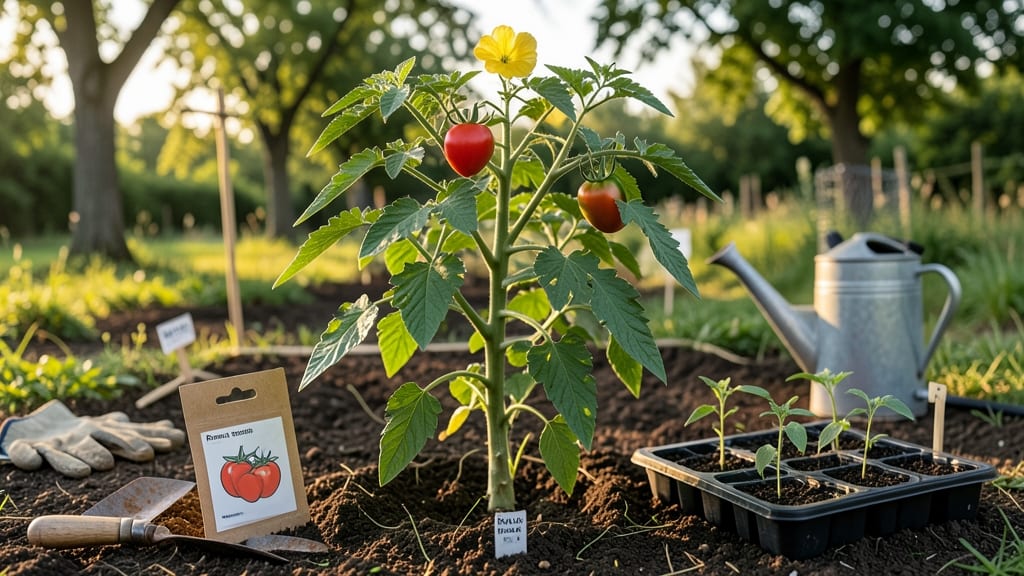
Planting Roma tomato seeds indoors gives you a head start on a harvest that rivals store-bought tomatoes—juicy, meaty, and packed with flavor. 🌱 I’ve grown Roma tomatoes for years, and the secret to strong starts is in the soil, depth, and timing.
Skip the grocery store tomatoes and grow your own from seed with these simple steps that work even for beginners. You’ll need a seed-starting mix (not garden soil), small pots or a seed tray, Roma tomato seeds, and a sunny spot or grow light.
The key is keeping the soil moist but not soggy—Roma seeds germinate best at 70-80°F and should sprout in 7-14 days. Once they’ve sprouted, give them plenty of light to prevent leggy seedlings.
By the time you’re ready to transplant, your Roma seedlings will be stocky and sturdy, ready to handle outdoor conditions. The payoff? A garden full of heirloom-quality tomatoes that taste like summer all season long. No more bland, watery store-bought varieties—just rich, flavorful fruit straight from your plants.
Works for any climate, whether you’re starting seeds in February for a late spring transplant or pushing the season with early sowings. Let’s get those seeds growing!
📚 In This Guide
- What you need
- Instructions
- Tips and common mistakes
- Wrapping up and next steps
What you need
- ● Roma tomato seeds: 3–5 seeds (or more if you want extra plants)
- ● Seed-starting trays or small pots: 2–4 inches deep, with drainage holes (biodegradable pots are a great eco-friendly option!)
- ● Seed-starting mix: Lightweight, sterile potting mix (avoid garden soil—it’s too dense!)
- ● Grow lights or a sunny windowsill: 6–8 hours of light daily (south-facing windows or LED grow lights work best)
- ● Spray bottle: For gentle watering (avoids disturbing seeds)
- ● Plastic wrap or humidity dome: Keeps moisture in while seeds germinate
- ○ Heat mat (optional but helpful): 70–80°F range speeds up germination
- ● Fertilizer: Balanced liquid fertilizer (5-5-5 or 10-10-10) diluted to half-strength for young seedlings
- ● Calcium supplement (like crushed eggshells): Prevents blossom-end rot later on
- ● Plant labels: Mark trays with seed varieties and planting dates
- ● Fan: Light airflow strengthens stems (place near seedlings after germination)
Step-by-step instructions for planting Roma tomato seeds indoors
Here’s the foolproof method I’ve used to grow Roma tomatoes that outperform store-bought plants every time.
🌱 Step 1: Prepare Containers and Seed Starting Mix
Use 4 biodegradable peat pots (about 2-3 inches deep) to give each seedling room to grow strong roots without disturbing them later. Fill each pot with sterile seed-starting mix—never garden soil, which can harbor diseases. Moisten the mix until it’s damp like a wrung-out sponge, not soggy.
Press the soil down gently with your fingers to remove air pockets, but don’t compact it too tightly. Roma tomatoes need loose soil to develop robust root systems. Tap the pot lightly on the table to settle the mix evenly. This step ensures your seedlings won’t suffocate or rot once they sprout.
🌱 Step 2: Sow the Seeds at the Right Depth
Plant 1-2 seeds per pot at a depth of about ¼ inch—roughly the size of the seed itself. Roma seeds are larger than cherry tomato seeds, so burying them too deep slows germination. Cover them lightly with a sprinkle of additional mix, then mist the surface gently with a spray bottle until evenly moist.
Label each pot with the variety and date—Roma seeds take 7-14 days to germinate, and you’ll forget which pot is which once they sprout. Place the pots in a seedling heat mat set to 75-85°F to speed up germination. Here’s the thing—warmth is non-negotiable for Roma tomatoes. Without it, germination can drag out for weeks.
💧 Step 3: Provide Warmth and Controlled Moisture
Cover the pots with a clear plastic dome or plastic wrap to retain humidity and warmth. Check daily but avoid watering—condensation inside the dome provides enough moisture. Once 50% of seeds have sprouted, remove the dome immediately to prevent damping-off, a fungal disease that collapses seedlings overnight.
Place the trays under a grow light or in a south-facing window, but keep them within 2-4 inches of the light source. Roma seedlings need 14-16 hours of light daily to avoid becoming leggy. You’ll know your light setup is right when seedlings grow thick stems and dark green leaves without stretching toward the light.
☀️ Step 4: Harden Off Seedlings Before Transplanting
Two weeks before your last frost date, start hardening off the seedlings by placing them outside in a sheltered spot for 1-2 hours the first day. Gradually increase their outdoor time by 1 hour daily over 10-14 days. Roma tomatoes are sensitive to cold, so never rush this step—sudden temperature drops shock the plants and stunt growth.
Watch for first true leaves (the second set after the initial cotyledons) to appear. Once seedlings tolerate a full day outside without wilting, they’re ready for the garden. Transplant on an overcast afternoon to reduce transplant shock, and water deeply at the base to encourage root establishment.
⏰ Step 5: Transplant and Support for Strong Growth
Plant Roma seedlings 18-24 inches apart in well-draining soil with a ph of 6.0-6.8. Bury the stem slightly deeper than it was in the pot—this encourages stronger root growth. Install a stake or cage immediately to support the plant as it grows, since Roma tomatoes can reach 4-5 feet tall and heavy fruit can snap weak stems.
Mulch around the base with 2-3 inches of organic mulch to retain moisture and suppress weeds. Roma tomatoes need 1-2 inches of water weekly, but avoid wetting the leaves to prevent fungal diseases. You’ll see the first flowers appear in 6-8 weeks—prune suckers (the small shoots in the leaf axils) to direct energy toward fruit production instead of foliage.
Tips & tricks for perfect Roma tomato seedlings
These little details make all the difference when growing vigorous Roma tomato plants from seed.
Container Choice Matters: While biodegradable peat pots are perfect, you can also use small plastic cell packs or even recycled yogurt cups with drainage holes punched in the bottom. Just make sure they're at least 2-3 inches deep—shallow containers stunt root growth. I've had great success with 4-inch square pots too, which give seedlings more room to develop before transplanting.
Germination Temperature Secret: That 75-85°F range on your seedling heat mat is critical, but here's what nobody tells you—consistency matters more than exact degrees. If your mat fluctuates, place a thermometer nearby and adjust as needed. I've seen germination times stretch to 21 days when temps dipped below 70°F, so keep it steady. A simple DIY solution is placing pots on top of your refrigerator during the day if your home stays cool.
Lighting Insight: Those 14-16 hours of light are non-negotiable, but quality matters just as much as quantity. If using a grow light, LED or fluorescent bulbs work best—incandescent bulbs generate too much heat. Position lights 2-4 inches above seedlings and adjust as they grow. I notice leggy seedlings when lights are too far away, so check weekly and reposition if stems stretch more than 2 inches between leaves.
Transplanting Hack: When it's time to move seedlings outdoors, give them a final boost by trimming the lower leaves that would be buried. This reduces transplant shock and encourages new root growth from the stem. I also dip the roots in a mixture of water and seaweed fertilizer before planting—it's like giving them a vitamin shot right when they need it most.
Pro Tips for Plant Roma Tomato Seeds
- These little details make all the difference when growing vigorous Roma tomato plants from seed.
- Container Choice Matters: While biodegradable peat pots are perfect, you can also use small plastic cell packs or even recycled yogurt cups with drainage holes punched in the bottom.
- Germination Temperature Secret: That 75-85°F range on your seedling heat mat is critical, but here's what nobody tells you—consistency matters more than exact degrees.
Frequently asked questions
Got questions about growing Roma tomatoes from seeds?
You’re not alone! Here are answers to the most common queries to help you grow confidently.
When is the best time to plant Roma tomato seeds indoors?
Plant Roma tomato seeds 6–8 weeks before your last expected frost date. For most U.S. zones, this means starting in early spring (February–March). Seedlings need 10–12 hours of light daily, so use grow lights if natural light is limited. Check your local frost dates for precision!
How long does it take for Roma tomato seeds to germinate?
Roma tomato seeds typically sprout in 7–14 days at 70–80°F (21–27°C). Keep soil moist (not soggy) and warm with a heat mat if needed. Patience is key! If seeds don’t sprout in 2 weeks, they may need light or warmth adjustments.
Can I plant Roma tomato seeds directly outside instead of starting indoors?
While possible, direct sowing is riskier—Roma tomatoes thrive with a long, warm season. If you must plant outside, wait until after all frost dates and use black plastic mulch to warm the soil. Seedlings started indoors grow faster and produce earlier, yielding more fruit.
What should I do if my Roma tomato seedlings look leggy or weak?
Leggy seedlings need more light! Move them closer to a sunny window or under grow lights (12+ hours/day). Avoid overcrowding—thin seedlings to 2–3 inches apart and fertilize lightly with a balanced solution (like 10-10-10) once true leaves appear. Prune lower leaves to encourage stronger stems.
How do I know if my Roma tomato plants are ready to transplant outdoors?
Transplant when seedlings are 4–6 inches tall, have 4–6 true leaves, and nighttime temps stay above 50°F (10°C). Harden them off 7–10 days before moving by gradually exposing them to outdoor conditions. Choose a spot with full sun (6+ hours/day) and well-draining soil.
Wrapping up and next steps
Growing Roma tomato seeds indoors is a rewarding journey that sets the stage for a bountiful harvest! With the right materials, a little patience, and these starter secrets, you’ll nurture sturdy seedlings ready to thrive in your garden. 🌱
Now that you’re equipped with the know-how, it’s time to take action! Start your seeds today, and soon you’ll be enjoying homegrown, flavorful Roma tomatoes straight from your own backyard. Happy planting! 🌿