
Vegetables
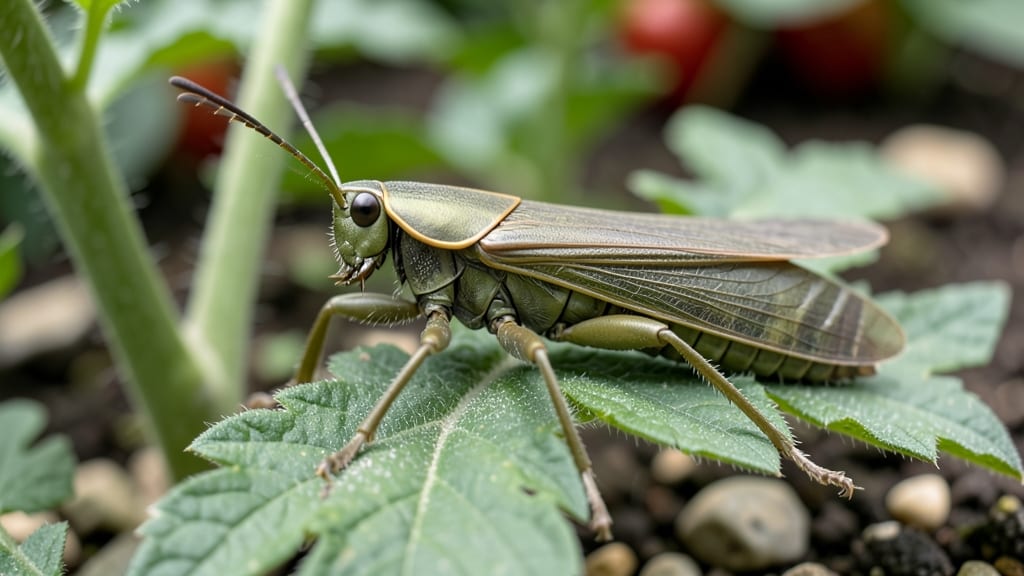
When aphids turn your tomato leaves sticky and hornworms strip plants overnight, BioAdvanced Tomato and Vegetable Insect Killer delivers fast, targeted relief without harsh chemicals. 🌱 I’ve used it to save entire harvests from Japanese beetles and cabbage worms—just spray and watch pests drop within hours.
The key? Understanding which pests it tackles best (aphids, beetles, caterpillars) and when to apply it for maximum impact.
This spray works by disrupting pests’ nervous systems, so they stop feeding and fall off plants—no waiting days for slow-acting solutions. It’s OMRI-listed for organic gardening, meaning it won’t harm beneficial insects like ladybugs or bees if used correctly.
The secret? Apply it early in the morning or late afternoon when bees are less active, and always follow the label’s 12-hour re-entry rule for safety.
You’ll see results almost immediately: fewer holes in leaves, no more sticky honeydew trails, and plants that bounce back faster. The spray breaks down in sunlight, so there’s no lingering residue on edible parts—just harvest-ready veggies within 4 hours of application.
Perfect for organic gardeners who need fast action without sacrificing long-term soil health.
For best results, pair it with neem oil for prevention and row covers for early-season protection. It’s not a standalone cure, but as part of an integrated pest management (IPM) plan, it’s a game-changer. Here’s how to use it without disrupting your garden’s balance.
Root Causes of Garden Pests
Unwanted insects in your tomato and vegetable garden aren’t just random annoyances—they thrive due to specific environmental and biological triggers. Understanding these causes helps you take preventive action before pests become a full-blown crisis.
Below, we break down the real reasons pests invade your plants, with science-backed explanations and actionable insights.
Plants under stress—whether from poor spacing, nutrient deficiencies, or disease—emit chemical signals that attract pests. Think of it like a distress flare: hungry insects zero in on weakened hosts.
- Why it happens: - Competition for resources: Overcrowded plants struggle to access sunlight, water, and nutrients, making them easier targets for aphids, whiteflies, and spider mites.
These pests thrive on plants with high sugar content (a byproduct of stress). - Physical damage: Tightly packed foliage traps moisture, creating the perfect humid environment for fungal diseases (like powdery mildew), which in turn invite secondary pests like thrips. - Root stress: Compacted soil or poor drainage weakens roots, reducing a plant’s ability to fend off invaders.
Root maggots and cutworms exploit this vulnerability.
- Actionable fix: - Space plants properly: Follow seed packet guidelines for spacing (e.g., tomatoes need 18–24 inches apart).
Use trellises for vining plants to improve airflow. - Mulch strategically: Apply 2–3 inches of organic mulch (straw or shredded leaves) to retain moisture, regulate soil temperature, and suppress weeds that harbor pests. - Test soil health: Use a DIY soil test kit to check pH and nutrient levels.
Amend with compost or balanced fertilizer (like 10-10-10) if needed.
Pests love hiding in garden clutter—think of it as their version of a five-star hotel. Leaves, plant residues, and weeds provide shelter, breeding grounds, and easy access to your crops.
- Why it happens: - Hibernation havens: Overwintering pests (like cabbage worms or tomato hornworms) hide in leaf litter or garden debris until spring, then emerge to feast on fresh growth. - Weed magnetism: Many weeds (e.g., purslane, lamb’s quarters) are alternate hosts for pests like aphids or cucumber beetles.
These pests jump from weeds to your prized tomatoes or peppers. - Moisture traps: Decaying organic matter (e.g., old tomato stems) creates damp conditions ideal for slugs, snails, and fungal-loving insects like fungus gnats.
- Actionable fix: - Clear debris monthly: Remove fallen leaves, spent plants, and weeds from beds and borders.
Compost only disease-free plant matter. - Rotate crops annually: Avoid planting the same family (e.g., nightshades like tomatoes/peppers) in the same spot to disrupt pest life cycles. - Use row covers early: Apply lightweight fabric covers in early spring to block migrating pests before they lay eggs.
Pests are opportunists—they exploit weather patterns that favor their survival over your plants’. Heatwaves, sudden rains, or stagnant humidity can turn your garden into a pest paradise.
- Why it happens: - Heat stress: High temperatures (above 90°F) weaken plants, making them more susceptible to piercing-sucking pests like aphids or whiteflies.
These insects also reproduce faster in heat. - Excess moisture: Prolonged rain or overhead watering creates soggy soil, inviting fungal pests (e.g., slugs, cutworms) and bacterial diseases that attract secondary insects. - Drought conditions: Underwatered plants produce tough, bitter leaves that attract chewing pests (e.g., hornworms, beetles) searching for easier meals.
- Actionable fix:
- Mulch to regulate temperature: Use reflective mulch (like aluminum foil) in hot climates or straw in cold regions to stabilize soil temps.
- Water at the base: Use drip irrigation or soaker hoses to keep foliage dry, reducing fungal pests and fungal-attracting insects.
- Shade cloth: Deploy 30–50% shade cloth during heatwaves to protect delicate plants like lettuce or basil from stress-related pest attacks.
Some pests aren’t even your problem—they’re just passing through or following their biological clocks. Understanding their life stages helps you intercept them before they cause damage.
- Why it happens: - Seasonal migration: Adult pests (e.g., squash bugs, flea beetles) hitch rides on wind or wildlife to new gardens.
They lay eggs on your plants, and larvae hatch to devour leaves. - Overwintering survivors: Pests like Colorado potato beetles or striped cucumber beetles burrow into soil or hide under bark to survive winter, then re-emerge in spring. - Host plant preferences: Many pests (e.g., tomato hornworms) are specialists—they only target specific plants.
If you grow their favorite meals, they’ll show up in droves.
- Actionable fix: - Monitor with traps: Use pheromone traps for specific pests (e.g., hornworm traps or cucumber beetle traps) to catch adults before they reproduce. - Handpick eggs: Inspect undersides of leaves daily for egg masses (e.g., aphid eggs or tomato hornworm eggs).
Squish them with your fingers or wipe them off with soapy water. - Plant pest-repelling companions: Interplant tomatoes with basil, marigolds, or nasturtiums to disrupt pest navigation and attract beneficial predators (like ladybugs).
Soil isn’t just dirt—it’s a complex ecosystem. Disruptions in microbial balance, pH, or nutrient ratios can make your plants more attractive (or easier to digest) for pests.
- Why it happens: - Nitrogen overload: Too much nitrogen (from synthetic fertilizers) produces soft, tender leaves that aphids and caterpillars love. It also attracts fungal pests like whiteflies. - pH extremes: Most garden pests thrive in slightly acidic to neutral soil (pH 6.0–7.0).
If your soil is too alkaline (high pH), it can weaken plants, making them vulnerable to root-feeding pests like grubs. - Microbial imbalance: Overuse of broad-spectrum pesticides kills beneficial microbes and predators (e.g., nematodes, ground beetles), creating a vacuum that pests rush to fill.
- Actionable fix: - Balance fertilizers: Use organic amendments like compost tea or fish emulsion for a slow-release nutrient boost. Avoid synthetic fertilizers unless soil tests confirm a deficiency. - Test and adjust pH: Aim for pH 6.0–6.8 for most vegetables.
Add sulfur to lower pH or lime to raise it, based on test results. - Encourage beneficial microbes: Apply mycorrhizal fungi or compost to soil to support plant immunity and outcompete harmful pests naturally.
Natural Ways to Stop Garden Pests Fast
Garden pests like aphids, tomato hornworms, and spider mites can turn your thriving tomato and vegetable plants into a buffet—leaving you frustrated and your harvest at risk. But with BioAdvanced Tomato and Vegetable Insect Killer, you can reclaim control without harsh chemicals.
Below, we’ll break down practical, step-by-step solutions for common pest problems, including prevention tips to keep your garden pest-free long-term.
Cause: These sap-sucking pests cluster on leaves, stunting growth and spreading sticky honeydew (which attracts mold).
Fix It:
- 🔥 Spray at Dusk or Dawn Mix BioAdvanced Insect Killer with water (follow label instructions) and spray directly on infested leaves—aphids and mites hide on undersides! Avoid spraying in direct sunlight to prevent leaf burn.
- 🍳 Homemade Neem Oil Boost (Optional) For stubborn infestations, add 1 tsp neem oil per quart of spray (shake well). Neem disrupts their life cycle while BioAdvanced delivers instant knockdown.
- 👨🍳 Prevent Future Outbreaks
- 🌱 Plant companion crops like marigolds or basil (aphids hate their scent!).
- 💦 Water deeply at the base—aphids thrive in dry, dusty foliage.
- 🔪 Prune damaged leaves immediately to remove hiding spots.
Cause: These voracious striped caterpillars can devour a tomato plant overnight, leaving skeletonized leaves and fruit.
Fix It:
- 🥘 Targeted Spray Application
- Focus on large leaves and stems where hornworms hide.
- Reapply every 7–10 days (or after rain) for full coverage.
- Pro tip: 💡 Spray early morning when pests are sluggish for better absorption.
- 🔪 Manual Removal (For Heavy Infestations)
- Wear gloves and pluck off hornworms by hand (drop them in soapy water).
- Check undersides of leaves—they’re masters of camouflage!
- ⏰ Long-Term Defense
- 🌱 Introduce parasitic wasps (like Cotesia congregata), which naturally control hornworm populations.
- 🎯 Use row covers for young plants to block egg-laying moths.
Cause: Whiteflies excrete honeydew, fostering sooty mold, while slugs leave glossy trails and chew holes in young seedlings.
Fix It:
- 🍳 Yellow Sticky Traps for Whiteflies
- Place yellow cards coated with petroleum jelly near plants to trap adults.
- Spray BioAdvanced on both leaf surfaces (whiteflies love the undersides).
- 🔪 Slug & Snail Barriers
- 🌡️ Copper tape around pots or beds gives slugs a mild electric shock (they hate it!).
- 💡 Beer traps (bury a shallow dish of beer) work overnight—slugs crawl in and drown.
- 🎯 Soil Health Prevention
- 🌱 Mulch with diatomaceous earth (food-grade only!) to deter slugs.
- 💦 Avoid overhead watering—slugs thrive in damp conditions.
Want to minimize future pest battles?
Follow these easy, proactive steps: - 🌿 Rotate crops yearly to disrupt pest life cycles. - 🍃 Keep your garden tidy—remove debris where pests hide. - 🌞 Encourage beneficial insects (ladybugs, lacewings) with native flowers. - 📊 Monitor weekly—catch infestations early with a flashlight at dusk (pests are most active then!).
Remember: BioAdvanced Insect Killer is fast-acting and pet-friendly, but prevention is your best tool. With consistent care, your tomato and vegetable garden will stay lush, pest-free, and productive—ready for harvest in no time! 🍅🥕
Frequently asked questions
What pests does BioAdvanced Tomato and Vegetable Insect Killer target?
This insect killer effectively controls aphids, beetles, caterpillars, hornworms, and whiteflies—common pests that attack tomatoes and vegetables. It works by disrupting their nervous systems, causing them to stop feeding and fall off plants within hours. For best results, apply when pests are actively feeding, like early morning or late afternoon.
Is it safe to use around pets and children?
Yes, but with precautions! The product is pet-friendly when used as directed, but avoid spraying directly on pets or letting them ingest treated plants. Wait 24 hours before allowing pets to graze in treated areas. For children, keep them away until the spray dries completely. Always store the product securely out of reach.
How often should I reapply after rain or watering?
Reapply every 7-10 days or immediately after heavy rain (>0.25 inches). Light rain may not require reapplication, but check for pests first. For persistent infestations (like hornworms), consider spraying every 5-7 days. Always follow the label instructions for your specific pest problem to avoid overuse.
Can I mix it with other organic sprays like neem oil?
Yes, but test first! Mixing with neem oil or insecticidal soap can enhance effectiveness against tough pests like aphids. Use 1 tsp neem oil per quart of spray and shake well before applying. Avoid mixing with baking soda or horticultural oils, as chemical reactions can reduce effectiveness. Always spot-test on a small leaf area first.
Will it harm beneficial insects like bees or ladybugs?
When used correctly, it's OMRI-listed for organic gardening and won't harm beneficial insects if applied early morning or late afternoon when bees are less active. Avoid spraying flowers directly. For extra protection, focus applications on leaf undersides and stems where pests hide, and use companion plants like marigolds to attract beneficial predators.