
Planting
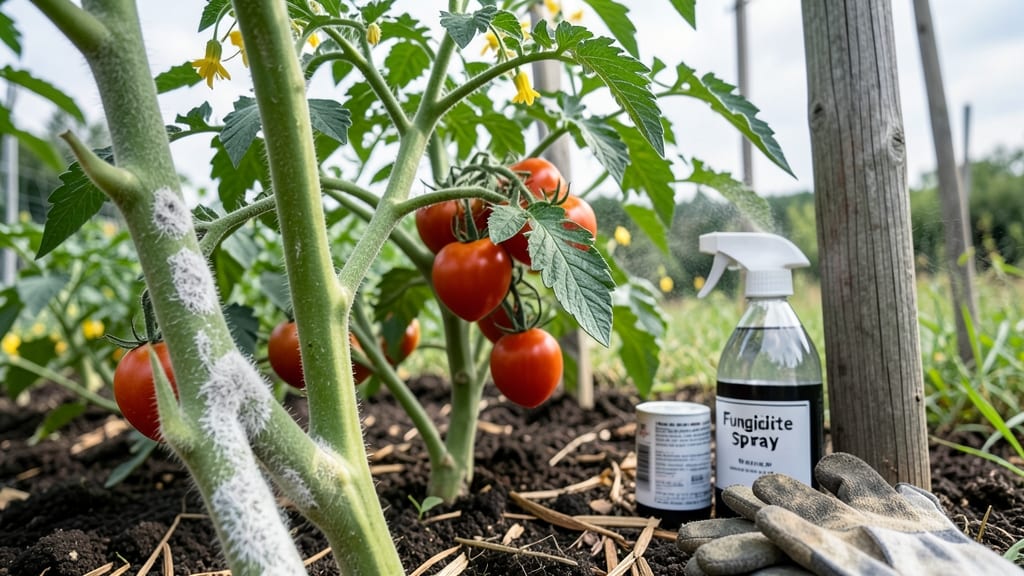
That white growth on the tomato plant stems isn’t dust—it’s powdery mildew, and it’s stealing your plants’ energy. 🌱 I’ve battled this fungus for years, and I’ll show you how to stop it in its tracks with three simple, plant-safe steps that actually work.
The problem starts with humidity and poor airflow, but don’t panic—this isn’t a death sentence. Most gardeners treat it too late, but catching it early means you’ll save your tomatoes without losing the season. I’ve seen plants bounce back completely when treated within a week of the first signs.
You’ll be spraying a mix that’s tough on mildew but gentle on your plants, and I’ll walk you through exactly what to do—no confusing chemistry here. The key is consistency: once you start, keep it up until the white fuzz disappears completely.
This works for greenhouse tomatoes, patio containers, and even your backyard garden. Let’s get those stems clean and your plants thriving again!
Root Causes of White Fuzz
That mysterious white growth creeping up your tomato stems isn’t just a random plant quirk—it’s a fungal infection with specific triggers. Understanding these causes is the first step to stopping the spread. Let’s break down the science behind why your tomatoes are getting this fuzzy surprise.
Fungi like Erysiphe necator (the culprit behind powdery mildew) thrive in high humidity (70%+) with stagnant air. Here’s why:
- Condensation Trap: Tomato plants release moisture through transpiration. If airflow is poor (e.g., crowded plants, dense foliage, or containers without ventilation), this moisture lingers on leaves and stems, creating a damp, fungus-friendly microclimate. Think of it like a sauna for spores—perfect for germination.
- Nighttime Dew: Cool nights followed by warm days cause dew to form. If your plants don’t dry quickly (especially in shaded or sheltered spots), the fungus gets a 24-hour head start.
- Greenhouse Effect: Plastic covers, thick mulch, or even overwatering can trap heat and moisture near the plant. Fungi love this environment—it’s like a five-star spa for their spores.
Actionable Fix: Space plants 18–24 inches apart, prune lower leaves for airflow, and avoid overhead watering. If using containers, choose ones with drainage holes and elevate them slightly.
While tomatoes need consistent moisture, excessive or frequent watering keeps stems and soil perpetually wet—ideal for fungal spores to land, latch on, and multiply. Here’s the breakdown:
- Soggy Soil = Soggy Stems: Waterlogged soil prevents oxygen from reaching roots, stressing the plant. Weakened stems become easy targets for fungal invasion, especially at the base where moisture pools.
- Splash Back: Water droplets can splash spores from infected soil or leaves onto healthy stems, spreading the infection like a game of fungal hopscotch.
- Root Rot Connection: Overwatering often leads to root rot, which compromises the plant’s defenses, making it more susceptible to powdery mildew.
Actionable Fix:
- Water deeply but infrequently—aim for 1–1.5 inches per week (check soil moisture 1–2 inches down).
- Use drip irrigation or soaker hoses to avoid wetting foliage.
- Ensure pots have proper drainage and never let plants sit in saucers of standing water.
Powdery mildew spores are everywhere—they’re lightweight, travel via wind, and can hitchhike on tools, clothing, or even your shoes. Here’s how they invade:
- Windborne Spores: A gentle breeze can carry spores from infected plants (even in neighboring gardens) to your tomatoes. Once they land on a damp stem, they germinate within 24 hours.
- Tool Transmission: Pruners, trellises, or stakes used on infected plants can transfer spores to healthy ones. It’s like spreading a cold—contagious and sneaky.
- Previous Season’s Leftovers: Spores can overwinter in dead plant debris, soil, or even on stored tools. If you didn’t clean up last year’s garden, you’re basically inviting the fungus to a welcome-back party.
Actionable Fix:
- Sanitize tools with 70% isopropyl alcohol or a 10% bleach solution between uses.
- Remove and dispose of infected plant debris (don’t compost it—burn or trash it).
- Rotate crops yearly to break the fungal cycle.
Tomatoes under stress are like humans with low immunity—they’re vulnerable to infections. Common stressors include:
- Nutrient Deficiencies: Lack of phosphorus or potassium weakens cell walls, making it easier for fungi to penetrate. Yellowing leaves or stunted growth? Your plant’s immune system is compromised.
- Overcrowding: Plants competing for light, water, and nutrients become physically stressed. Poor airflow (see: Humidity section) exacerbates the problem.
- Extreme Temperatures: While powdery mildew prefers warm days (60–85°F) with cool nights (50–60°F), sudden heatwaves or cold snaps can shock the plant, lowering its resistance.
Actionable Fix:
- Fertilize with a balanced formula (10-10-10) or compost tea to boost immunity.
- Thin plants to improve airflow and reduce competition.
- Use shade cloth during heatwaves or mulch to regulate soil temperature.
Pro Tip: 💡 Resistant Varieties are your secret weapon! Tomatoes like ‘Mountain Merit,’ ‘Defiant PhR,’ or ‘Iron Lady’ are bred to resist powdery mildew. If you’re prone to outbreaks, consider swapping out susceptible varieties next season.
Quick Fixes for Fungal Foes
Spotting that white, powdery growth on your tomato stems? Don’t panic—this is a battle you can win with the right moves.
Below, we’ll tackle the most common causes (like powdery mildew, downy mildew, or fungal infections) and show you how to reverse the damage and prevent it from returning. Think of these as your tomato plant’s emergency first aid kit! 🚑🌱
Before you treat, contain the problem to stop it from spreading to other plants. Here’s how:
- 👨🍳 Remove infected leaves: Snip off any stems or leaves covered in white fuzz with clean pruners (sterilize them with rubbing alcohol first!). Dispose of them in the trash—not the compost bin.
- 🌡️ Check humidity levels: Powdery mildew loves damp, stagnant air. If your plants are crowded or in a shady spot, they’re more vulnerable. Aim for 60-70% humidity during the day and 40-50% at night.
- ✨ Rotate your plants: If possible, move them to a spot with 6-8 hours of sunlight daily. Good airflow = fewer fungal parties.
Skip the harsh chemicals—these DIY fixes are gentle but effective for mild to moderate infections:
🌿 For Powdery Mildew (White, Dusty Coating)
| Solution | How to Use | Frequency |
|---|---|---|
| Baking Soda Spray (1 tsp baking soda + 1 quart water + 1 tbsp horticultural oil or dish soap) | Spray both sides of leaves in the morning (avoid direct sun). | Every 7–10 days until cured. |
| Neem Oil Spray (1 tbsp neem oil + 1 tsp mild soap + 1 quart water) | Shake well and spray all plant surfaces, focusing on stems and undersides. | Every 5–7 days for 2–3 weeks. |
| Milk Spray (1 part milk to 9 parts water) | Spray lightly on leaves (test a small area first). | Every 3–5 days. |
💦 For Downy Mildew (White, Fuzzy Undersides of Leaves)
This sneaky fungus thrives in wet conditions. Act fast:
- 🔪 Prune aggressively: Cut off all infected leaves immediately—this disease spreads like wildfire.
- 🌧️ Improve drainage: Ensure pots have drainage holes or soil isn’t soggy. Water at the base, not overhead.
- 🍄 Copper fungicide: Use a ready-made copper spray (like Bonide Copper Fungicide) every 7–10 days. It’s toxic to fungi but safe for plants once dry.
🍅 Step 3: Strengthen Your Plant’s Defense
Once the white growth is gone, boost your tomato’s immunity so it doesn’t happen again:
- 💪 Fertilize wisely: Use a balanced, organic fertilizer (like 5-5-5) to avoid nitrogen overload, which weakens plants.
- 🌱 Plant companions: Interplant with marigolds, basil, or garlic—they repel pests and improve airflow.
- 🌡️ Adjust watering: Water deeply but infrequently (early morning is best). Avoid wetting leaves—use a drip irrigation system or soaker hose if possible.
- ✨ Preventative sprays: Even if your plants are healthy, spray them with neem oil or a baking soda mix every 2 weeks during humid months.
If the white growth spreads rapidly, causes yellowing leaves, or your plant looks severely stressed, it’s time for stronger action:
- 💊 Fungicides: Use a systemic fungicide like Myclobutanil (Immunox) or Potassium bicarbonate (follow label instructions).
- 🌱 Replace severely infected plants: If more than 30% of the plant is affected, it’s often easier to pull and replace it to save your harvest.
Prevention is your best friend! Here’s how to keep white growth away for good:
- 🌡️ Monitor humidity: Use a hygrometer to track levels. A small fan on low can help circulate air in greenhouses.
- 🍅 Choose resistant varieties: Next season, opt for powdery mildew-resistant tomatoes like ‘Mountain Merit’ or ‘Defiant PhR’.
- 🌿 Rotate crops: Don’t plant tomatoes in the same spot every year—fungi linger in the soil!
- 🌱 Start strong: Buy healthy, disease-free seedlings from reputable nurseries.
With these steps, your tomato plants will bounce back faster than you think—and you’ll be back to enjoying juicy, homegrown tomatoes in no time! 🍅🌟
Frequently asked questions
Is white growth on tomato stems always powdery mildew?
Not always! While powdery mildew is the most common cause, white growth could also be downy mildew (which appears fuzzy on leaf undersides) or even aphid honeydew (sticky residue). Check the texture: powdery mildew feels like dust, while downy mildew looks more web-like. If it's sticky, wipe it off with a damp cloth—aphids may be the culprit.
Can I still harvest tomatoes if the stems have white growth?
Yes, but focus on ripe, healthy-looking fruit first. Avoid harvesting from heavily infected branches, as the fungus can spread through the plant. Remove infected leaves immediately and isolate the plant to protect your harvest. The white growth won’t affect the flavor of existing tomatoes.
How quickly can I expect to see results from treatments?
With consistent treatment (like neem oil or baking soda sprays), you should see improvement within 7–10 days. For severe cases, it may take up to 3 weeks to fully eliminate the fungus. Apply treatments in the morning for best results—this gives the plant time to dry before evening humidity sets in.
Will commercial fungicides harm my tomato plants?
When used correctly, most commercial fungicides (like copper-based sprays) are safe for tomato plants. Always follow label instructions and avoid spraying during hot, sunny days to prevent leaf burn. For organic options, neem oil or potassium bicarbonate are excellent alternatives that won’t harm your plants.
Can I save my tomato plant if the white growth has spread everywhere?
If over 50% of the plant is infected, it’s often best to remove and destroy the plant to prevent further spread. However, if only stems are affected, prune heavily, apply fungicide, and monitor closely. For next season, choose resistant varieties like ‘Mountain Merit’ to avoid repeat issues.