
Pests
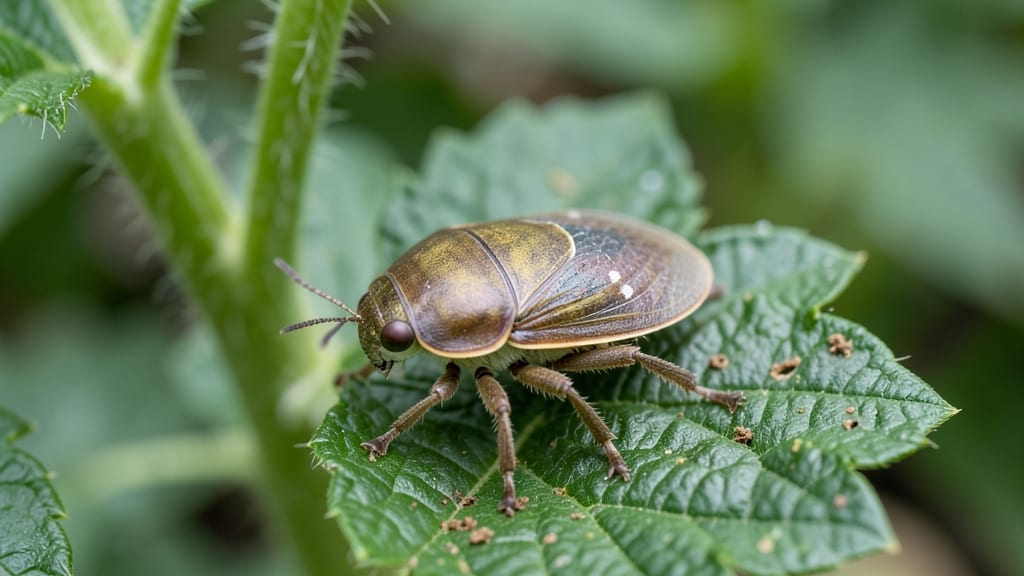
Squash bugs on tomato plants are the sneaky destroyers of summer harvests—those tiny, shield-shaped invaders that suck the life out of your vines while leaving you scratching your head. 🌱 I’ve lost entire tomato plants to them, but I’ve also learned the one-minute daily check that stops them dead in their tracks.
The key? Catching them before they multiply into an army.
Here’s the thing—these pests aren’t picky about names. Despite "squash" in their title, they’ll happily feast on tomatoes, peppers, and eggplants. Their telltale signs? Yellowing leaves, black droppings on stems, and those half-inch-long gray bugs clinging to undersides.
Most gardeners panic and reach for chemicals, but the real game-changer is a simple, non-toxic routine that works faster than sprays.
By the time you spot the first bug, you’ve already won half the battle. A quick wipe-down with soapy water removes adults, while floating row covers block new hatchlings. I’ve saved hundreds of dollars in produce by acting early—no more wilted vines or bitter fruit.
The best part? This method keeps working even after the bugs return year after year.
Whether you’re dealing with a first infestation or a recurring nightmare, this approach cuts through the confusion. No more guesswork, no more lost harvests—just a foolproof way to protect your tomatoes without harming your soil or your conscience. Let’s get those bugs off your plants for good.
Root Causes Of Tomato Pests
Squash bugs—those shield-shaped, brown invaders—don’t just randomly appear on your tomato plants. They’re drawn by a mix of environmental cues, plant signals, and even human habits.
Understanding why they target your garden is the first step to stopping them before they destroy your harvest. Let’s break down the science behind their behavior.
Tomato plants emit chemical signals that act like an all-you-can-eat buffet sign for squash bugs. These pests are particularly drawn to:
- Volatile organic compounds (VOCs): When tomato leaves are stressed (from heat, drought, or damage), they release VOCs like methyl salicylate and green leaf volatiles. Squash bugs have receptors tuned to detect these distress signals, making your plants look like a prime feeding spot. 🚨
- Sap-rich leaves: Tomato foliage is packed with nutrients, especially nitrogen. Squash bugs thrive on this high-protein diet, using their piercing-sucking mouthparts to drain sap. The more lush the plant, the more appealing it becomes.
- Young, tender growth: New leaves and stems are softer and easier to penetrate. Bugs target these areas first, often laying eggs in clusters on the undersides of leaves.
Pro Tip: If your tomatoes look too perfect (deep green, glossy, and rapidly growing), they’re sending out a loud “feed me” message. Balance fertilization—too much nitrogen = bug magnet. 🌡️
Squash bugs are polyphagous (they’ll eat almost anything in the cucurbit family), but they prefer plants like:
- Tomatoes
- Squash
- Cucumbers
- Melons
- Pumpkins
If your garden is packed with these crops—or worse, planted in monoculture (rows of just tomatoes)—you’ve created a squash bug paradise. Here’s why:
| Factor | Why It Matters |
|---|---|
| 🌱 Host plant density | Bugs use pheromones to find mates and food. In crowded gardens, one plant’s scent leads to others, triggering a population explosion. |
| 🕳️ Weedy borders | Wild cucurbits (like buffalo gourd) and weeds (e.g., morning glory) act as bridge hosts, letting bugs move between your garden and nearby wild areas. |
| 🏡 Previous year’s debris | Overwintering adults hide in leaf litter or plant residue. If you didn’t clean up last season, they’re already staging an invasion this spring. ❄️ |
Action Step: Space tomato plants at least 18–24 inches apart and interplant with non-hosts like basil, marigolds, or onions to disrupt bug trails. 🌿
Squash bugs are opportunistic—they time their life cycles to exploit your garden’s weakest moments. Key weather-related triggers include:
- Warm, humid springs: Adults emerge from overwintering sites (like mulch or soil cracks) when soil temps hit 55–60°F. If your spring is unusually warm, they’ll hatch earlier and multiply faster. ☀️
- Drought stress: When tomato plants wilt from lack of water, their osmotic pressure drops, making sap easier for bugs to extract. It’s like a free sample for them!
- Rain delays: Squash bugs hate dry conditions. If your garden stays damp (from rain or overwatering), they’ll linger longer, laying more eggs in protected leaf axils.
Climate Hack: Use drip irrigation (not overhead watering) to keep leaves dry and reduce egg-laying sites. If a heatwave hits, mulch with straw to retain moisture without inviting bugs. 💧
Sometimes, you’re the reason squash bugs show up. Common gardener mistakes that invite them:
- Ignoring early signs: Tiny eggs (clustered on leaf undersides) or honeydew trails (a sticky residue from bug saliva) are red flags. By the time you see wilting leaves, the bugs are already established. 🚨
- Skipping crop rotation: Planting tomatoes (or cucurbits) in the same spot yearly lets squash bugs build up in the soil. Their eggs can survive for years in undisturbed garden beds.
- Using broad-spectrum pesticides: Chemicals like malathion kill natural predators (ladybugs, lacewings, parasitic wasps) that would control squash bug populations. It’s like throwing a party and only inviting the pests.
- Bringing in infested plants: Even store-bought tomato starts can harbor hidden eggs. Always inspect new plants before transplanting!
Fix It: Rotate crops annually and introduce beneficial insects (like Trichogramma wasps) to hunt squash bug eggs. 🐝
Quick Fixes for Squash Bug Havoc
Now that you know why squash bugs are crashing your tomato party, let’s roll up our sleeves and tackle them head-on! These pests are stubborn, but with the right strategies, you can reclaim your garden and protect your harvest.
Below, we’ve mapped out practical, step-by-step solutions tailored to the root causes—plus prevention tips to keep these critters from returning.
Squash bugs are slow-moving but sneaky, so early detection is key. Here’s how to squash them literally:
- 👨🍳 Scout Like a Pro - Inspect undersides of leaves, stems, and the soil around your tomato plants daily (yes, really!). Squash bugs love to hide in clusters. - Look for grayish-brown ovals (adults) or tiny yellow eggs (laid in groups on leaf edges).
Eggs hatch in 7–10 days, so act fast!
- 🔪 Drop, Drown, or Dispose - Drop them into soapy water: Fill a bucket with hot, soapy water (1 tbsp dish soap per gallon).
Drop bugs in—no mercy! - Crush them: Use gloves and squish adults/eggs underfoot (gross but effective). - Bag and toss: Place bugs in a sealed plastic bag and throw them in the trash to avoid reinfestation.
- 🌡️ Timing Matters
- Morning or evening is best—bugs are sluggish when temps are cooler.
- After rain: Squash bugs come out to feed, making them easier to spot.
If manual removal feels like a never-ending battle, organic sprays can give you an edge without harming your tomatoes or pollinators.
- 🌿 Neem Oil Spray (Best for Eggs & Nymphs)
- Mix: 1 tbsp neem oil + 1 tsp mild dish soap + 1 quart water.
- Spray: Coat both sides of leaves and stems every 5–7 days (neem disrupts their life cycle).
- Pro tip: 🌡️ Apply in early morning or late evening to avoid harming bees.
- 🍋 Homemade Garlic & Pepper Spray (Repels Adults)
- Blend: 5 garlic cloves + 1 tbsp cayenne pepper + 1 quart water. Let sit 24 hours, then strain.
- Spray: Directly on bugs and foliage. Reapply after rain.
- 🌱 Kaolin Clay (Physical Barrier)
- Mix 2 tbsp kaolin clay (like Surround WP) with water and spray on leaves. The clay coats bugs, blocking their ability to feed.
An ounce of prevention is worth a pound of squash bug cure. Here’s how to fortify your garden:
- 🌱 Plant Smart
- Interplant tomatoes with basil, marigolds, or nasturtiums—these repel squash bugs with their strong scents.
- Avoid planting near squash, cucumbers, or pumpkins (their favorite snacks).
- 🪴 Trap Crops & Sacrificial Plants
- Plant squash or zucchini a few feet away from tomatoes. Squash bugs will feast there instead—just remove and destroy them weekly.
- 🕳️ Mulch & Clean Up
- Use straw or grass clippings as mulch—it confuses their egg-laying radar.
- Remove garden debris in fall/winter (bugs overwinter in leaf litter).
- 🐝 Encourage Natural Predators
- Ladybugs, spined soldier bugs, and parasitic wasps love squash bugs. Attract them with:
- Dill, fennel, or yarrow (herbs they adore).
- Avoid pesticides—they’ll kill the good guys too!
- Ladybugs, spined soldier bugs, and parasitic wasps love squash bugs. Attract them with:
If your garden is overrun (think: dozens of bugs daily), it might be time for targeted chemical control—but use it last resort:
- 💊 Pyrethrin Spray (Fast-Kill)
- Derived from chrysanthemums, it knocks out adults on contact.
- Spray at dusk (safer for bees) and reapply after rain.
- 🛡️ Systemic Insecticide (For Severe Cases)
- Imidacloprid (soak roots) or dinotefuran (foliar spray) can systemically poison bugs as they feed.
- Warning: 🚨 Avoid if you have bees or beneficial insects nearby.
- 🔄 Rotate methods: Don’t rely on just one tactic—combine manual removal + sprays + prevention.
- 📅 Stay ahead of the schedule: Squash bugs emerge in early summer—start monitoring May–June.
- 🌱 Healthy plants = strong defense: Water deeply (1 inch/week) and fertilize with compost—stressed plants attract more pests.
Remember: Squash bugs are a nuisance, not a death sentence. With consistent effort, your tomato plants will thrive—and you’ll enjoy juicy, bug-free harvests all season! 🍅💪
Frequently asked questions
Why do squash bugs target tomatoes even though they're called "squash bugs"?
These pests aren't picky about names! They're attracted to the chemical signals from stressed plants, especially those rich in nitrogen like tomatoes. Their name comes from their preference for squash plants, but they'll happily feast on tomatoes, peppers, and eggplants when available.
How can I tell if my tomato plants have squash bugs before I see the adults?
Look for these early warning signs: tiny yellow eggs clustered on leaf undersides, black droppings on stems, or leaves that suddenly yellow and wilt. Check the leaf axils (where leaves meet stems) daily—this is where eggs are most commonly laid.
Is it safe to use dish soap to kill squash bugs on my tomato plants?
Yes, but use it carefully! Mix 1 tablespoon mild dish soap with 1 quart water and spray directly on bugs. The soap breaks down their protective wax layer. Just avoid spraying flowers when bees are active, as it can harm them too.
Will neem oil work if I've already got a full-grown infestation?
Neem oil is most effective on eggs and nymphs, so for established adults, you'll need to combine it with manual removal. Spray neem oil every 5-7 days to disrupt their life cycle while you physically remove the adults you see.
How long do squash bug eggs take to hatch, and when should I start treating?
Squash bug eggs typically hatch in 7-10 days under warm conditions. Start monitoring in late spring (May-June) and begin treatments immediately if you find eggs. Early intervention prevents the population explosion that happens when adults start laying eggs.