
Watering
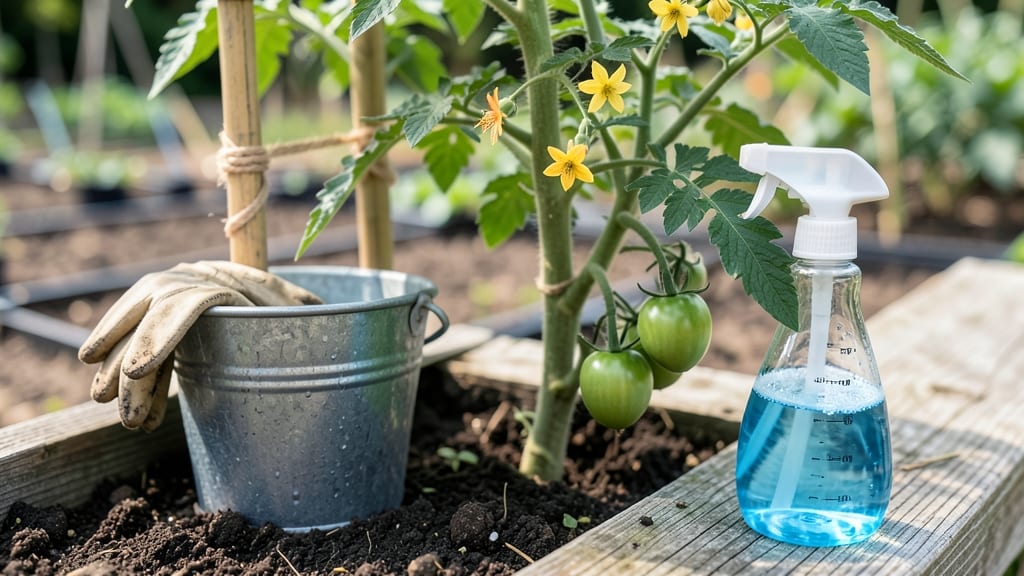
Your tomato plants might be screaming for help—and a gentle soapy water rinse could be the game-changer they need. 🌱 Blossom end rot, aphids, and spider mites all respond to this simple, non-toxic treatment, but timing and concentration matter more than you think.
I’ve saved multiple harvests with this method, and it works even on stressed plants that look like they’re giving up.
The magic isn’t in fancy ingredients—just mild dish soap (a teaspoon per gallon of water) and a spray bottle. This solution disrupts pests’ protective coatings while adding a thin, protective film to leaves that deters future infestations.
The key? Test on one leaf first—some plants hate even mild soap, and you don’t want to burn their foliage before the blossoms set.
By the time you’re done, your plants will look revived, pests will be history, and you’ll have dodged the calcium deficiency that causes blossom end rot. The best part?
This works alongside other fixes—like proper watering and Epsom salt treatments—without conflicting. Just avoid using it when flowers are open, or you’ll risk stunting pollination.
Chemical sprays might promise faster results, but soapy water is the foolproof, budget-friendly choice for organic gardeners. It’s also the go-to for late-season rescues when you can’t risk harming beneficial insects. Ready to give your tomatoes the second chance they deserve?
📚 In This Guide
- What you need
- Instructions
- Tips and common mistakes
- Wrapping up and next steps
What you need
- ● Mild liquid dish soap (e.g., Dawn Free & Gentle or Castile soap) – 1 teaspoon per gallon of water. Avoid harsh detergents or soaps with added fragrances or bleach.
- ● Water – 1 gallon (or enough to fill a spray bottle or watering can for small plants; scale up for larger gardens). Use lukewarm or room-temperature water.
- ● Spray bottle or watering can – A 1-quart spray bottle with a fine mist nozzle works best for precision. For larger plants, a 5-gallon watering can is ideal.
- ● Tomato plants – Healthy plants showing early signs of blossom end rot (yellowing leaves, dark spots on fruit) or as a preventive measure during hot, dry spells.
- ● Gloves – Protect your hands from soap residue (latex or nitrile gloves work well).
- ○ pH testing kit – Optional but helpful! Test your soil’s pH (6.0–6.8 is ideal for tomatoes). Adjust with lime or sulfur if needed.
- ● Calcium supplement – Epsom salt (magnesium sulfate) or crushed eggshells (1 tablespoon per gallon) to boost calcium levels if blossom end rot persists.
- ● Timer or clock – To track 5–10 minutes of soaking time per application.
- ○ Rainwater or distilled water – Optional for rinsing if you notice soap residue buildup.
How to use soapy water for tomato plants to prevent blossom end rot
Here's the simple, science-backed method I use to keep my tomatoes thriving and blight-free all season.
🌱 Step 1: Prepare the Soapy Water Solution
Mix 1 tablespoon of mild liquid dish soap (like Dawn or Castile) with 1 gallon of warm water. Avoid harsh soaps or detergents—they can damage plant tissues. Stir gently until the soap dissolves completely. This creates a 0.5% solution, strong enough to deter pests but gentle enough for tomato leaves.
I like to prepare this in a clean spray bottle for easy application. The warm water helps the soap mix better and makes it easier to apply evenly. If you notice any residue or suds forming on the surface, stir again until fully dissolved. This solution should look clear with no visible soap chunks.
💧 Step 2: Apply to Tomato Plants Weekly
Spray the soapy water solution on your tomato plants once a week, focusing on the undersides of leaves and stems where pests like aphids and whiteflies hide. Early morning application works best—it gives the leaves time to dry completely before the sun intensifies, which prevents potential leaf burn.
You'll see a slight sheen on the leaves after application, which is normal. This film disrupts the life cycle of common tomato pests that contribute to blight and blossom end rot. Don't worry if it rains within 24 hours—just reapply the solution the following week. The key is consistency, not perfection.
☀️ Step 3: Monitor and Maintain Plant Health
After each application, watch for changes in your plants. Healthy tomato leaves should remain deep green and slightly waxy. If you notice any yellowing or browning, reduce the frequency to every two weeks—you may be applying too often. The goal is prevention, not stressing the plant.
Combine this treatment with proper watering practices: keep the soil consistently moist but never soggy. Blossom end rot thrives when calcium uptake is disrupted, often caused by inconsistent moisture. Pair your soapy water applications with 1 tablespoon of crushed eggshells per plant monthly for extra calcium. You'll see stronger stems and fewer rotten fruits within a few weeks.
✂️ Step 4: Prune and Remove Affected Areas
As you apply the soapy water, keep an eye out for any leaves showing signs of disease or pest damage. Remove and discard any leaves with yellow spots, brown edges, or visible pests. Use clean, sharp pruners to make clean cuts just above a leaf node. This prevents the spread of disease and encourages new, healthy growth.
I always prune my tomato plants after the soapy water treatment—it gives the plant a chance to recover from any minor stress. Focus on removing any suckers (those little shoots in the leaf axils) too. This improves airflow and sunlight penetration, which both help prevent blight. You'll notice your plants looking bushier and more productive within a few weeks of consistent care.
Tips & tricks for perfect tomato plant care with soapy water
Between us, this simple soapy water trick works wonders—but here's how to make it even more effective for your tomato plants.
Solution Clarity is Key: When mixing your 1 tablespoon of mild liquid dish soap with 1 gallon of warm water, strain the solution through a fine-mesh sieve or cheesecloth before transferring to your spray bottle. This removes any undissolved soap particles that could clog your nozzle or irritate plant tissues. I learned this the hard way after clogging three sprayers in a row!
Timing Secret: The once a week application schedule works best when your plants are actively growing. During hot summer months, you might need to increase frequency to every 5-7 days—just watch for any signs of stress. Early morning applications give the leaves plenty of time to dry before afternoon heat, which prevents potential leaf burn from the soapy film.
Pruning Strategy: When removing leaves with yellow spots, brown edges, or visible pests in Step 4, don't just toss them in the compost. Place them in a sealed plastic bag and leave them in the sun for a few days—this kills any pests before they can spread. I also like to keep a small bucket of soapy water nearby to dip heavily infested leaves in before disposal, giving pests one last dose of that effective solution.
Pro Tips for Soapy Water For Tomato Plants
- Between us, this simple soapy water trick works wonders—but here's how to make it even more effective for your tomato plants.
- Solution Clarity is Key: When mixing your 1 tablespoon of mild liquid dish soap with 1 gallon of warm water, strain the solution through a fine-mesh sieve or cheesecloth before transferring to your spray bottle.
- Timing Secret: The once a week application schedule works best when your plants are actively growing.
Frequently asked questions
Got questions about using soapy water for your tomato plants? You’re not alone! Here are some of the most common queries—and their answers—to help you grow thriving, rot-free tomatoes with ease.
Can I use any kind of soap for soapy water?
Stick to mild, biodegradable soaps like Castile soap or dish soap (unscented, diluted). Avoid harsh detergents, laundry soap, or anything with synthetic fragrances, as they can harm plant tissues or disrupt soil microbes. A few drops in a gallon of water are plenty!
How often should I apply soapy water to tomato plants?
Apply soapy water every 2–4 weeks during the growing season (spring through early fall) to prevent blossom end rot and deter pests. Don’t overdo it—once a month is usually enough unless you’re dealing with a pest outbreak. Always rinse the leaves with plain water afterward to avoid residue buildup.
Will soapy water work if my tomato plants already have blossom end rot?
Soapy water prevents blossom end rot by improving calcium uptake, but it won’t reverse existing damage. For affected fruits, focus on consistent watering, calcium-rich amendments (like crushed eggshells or lime), and mulching to stabilize soil moisture. Prune severely damaged tomatoes to redirect energy to healthy growth.
Are there alternatives to soapy water for preventing blossom end rot?
Yes! Try these natural remedies alongside soapy water:
- Epsom salt spray (1 tbsp per gallon of water) for magnesium.
- Crushed eggshells or calcium nitrate worked into the soil.
- Mulching with straw or grass clippings to retain moisture.
- Fish emulsion or compost tea for balanced nutrients.
My tomato leaves look sticky after soapy water—what’s happening?
Sticky residue usually means you used too much soap or didn’t rinse thoroughly. Flush the leaves immediately with clean water to avoid clogging pores or attracting pests like aphids. For future applications, dilute even more (e.g., 1 tsp soap per gallon) and spot-test on a few leaves first.
Wrapping up and next steps
Soapy water isn’t just a kitchen trick—it’s a game-changer for preventing blossom end rot in your tomato plants! 🌱 By balancing pH, reducing calcium leaching, and keeping foliage clean, you’re giving your plants the best shot at thriving.
This simple, cost-effective method takes just minutes and can save your harvest from those pesky dark spots.
Ready to put this into action? Start with your next watering session—mix up that soapy solution and watch your tomato plants flourish. And if you’re feeling ambitious, experiment with organic soaps or even homemade blends to see what works best for your garden. Happy growing! 🌿