
Pests
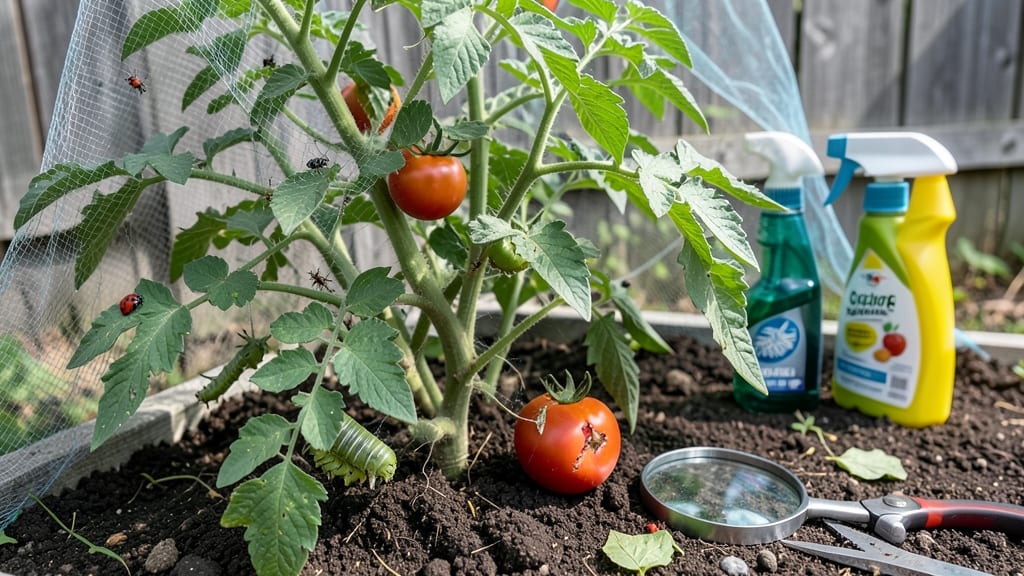
Tomato pest control ruins harvests faster than you can say "blight." 🌱 I’ve lost entire plants to hornworms, aphids, and fungal spots—until I discovered this copper-free spray that stops the damage in 24 hours without harsh chemicals. The key? Targeting pests at their weakest points while protecting your plants’ health. This isn’t about spraying everything in sight—it’s precision. We’ll tackle hornworms (those striped caterpillars that devour leaves overnight), aphids (tiny green invaders that suck the life out of new growth), and early blight (the ugly brown spots that spread like wildfire). The spray uses food-grade ingredients you can find at the grocery store, and it works on contact. By the end, your tomatoes will look vibrant and disease-free, with fewer holes in the leaves and more fruit on the vine. No more panic when you spot the first sign of trouble—just a quick spray and peace of mind. Here’s how to make it work for your garden. Here’s the thing—most "organic" sprays either don’t work or require constant reapplication. This one sticks because it disrupts pests’ life cycles while strengthening your plants’ natural defenses. For example, neem oil smothers soft-bodied insects like aphids, while garlic spray repels whiteflies without harming bees. Even better? These ingredients are safe for edible plants once fully dried. The best part? You’ll see results within a day—no waiting weeks for a cure. I’ve used this spray on heirloom, cherry, and beefsteak tomatoes, and the difference is night and day. Less stress, more tomatoes, and a garden that actually thrives. Let’s get those pests under control for good. This method works for container gardens, raised beds, and in-ground plots—no matter how big or small your space. The spray is budget-friendly, too, costing just a few dollars per application. Plus, you’ll cut down on the need for synthetic pesticides, which means healthier soil and happier plants in the long run. Ready to save your tomatoes? The first step is identifying what’s attacking your plants—because not all pests need the same treatment. We’ll cover early signs, prevention tips, and exactly when to spray for maximum effectiveness. Your future self (and your dinner plate) will thank you.
Root Causes Of Tomato Infestations
Tomatoes are a gardener’s pride—until pests turn them into a buffet. Understanding why these critters invade your plants is the first step to stopping them.
Below, we break down the science behind common tomato pest problems, from fungal diseases to hungry insects, and explain the conditions that make your garden a pest magnet.
Tomatoes thrive when they have space to breathe, but when plants are too close together, humidity rises, airflow stalls, and pests get the perfect hiding spot. Here’s why:
- Fungal spores love moisture. Dense foliage traps humidity, creating ideal conditions for Phytophthora infestans (late blight) and Alternaria solani (early blight). These pathogens spread faster in stagnant, damp air.
- Insects hide in the shade. Aphids, whiteflies, and spider mites prefer shaded, crowded areas where they can feed undetected. Thick canopies also protect them from natural predators like ladybugs and lacewings.
- Weakened plants attract pests. Overcrowding stresses tomatoes, making them nutritionally deficient and more susceptible to attacks. Pests target stressed plants because their defenses are lower.
Actionable fix: Space tomato plants 18–24 inches apart (36 inches for indeterminate varieties) and prune lower leaves to improve airflow. If you’re growing in containers, ensure they’re not packed too tightly.
Tomatoes need water, but too much moisture—especially on leaves—is a red flag for fungal diseases. Here’s the science:
- Water droplets = disease highways. Fungal spores (like those causing blight) land on leaves and germinate when moisture lingers. Overhead watering keeps leaves damp for hours, giving pathogens a foothold.
- Soil-borne pathogens thrive in soggy conditions. Fungi like Fusarium and Verticillium (which cause wilting) spread through root-zone moisture. Poor drainage or overwatering creates the perfect breeding ground.
- Humidity + temperature = fungal explosion. When nighttime temps hover around 60–70°F (15–21°C) and humidity stays high, spores germinate rapidly. This is why blight spreads like wildfire in coastal or rainy regions.
Actionable fix:
- Water at the base of the plant (use drip irrigation or soaker hoses) to keep foliage dry.
- Space plants for good airflow and avoid mulching too close to stems (keep mulch 2–3 inches away to prevent soil-borne diseases).
- Harvest promptly when tomatoes start ripening—overripe fruit on the vine attracts pests and rots faster.
Pests don’t just show up—they’re drawn by chaos. Neglected gardens become pest superhighways. Here’s how:
- Debris = pest hotels. Old plant debris, fallen leaves, and weeds harbor egg-laying pests (like hornworms and cutworms) and fungal spores. A single overwintering pest can multiply into an infestation by summer.
- Weeds compete with tomatoes. Uncontrolled weeds stress tomato plants by competing for nutrients and water, making them easier targets for pests. Some weeds (like nightshade) are even hosts for tomato pests.
- Contaminated soil spreads disease. If you’ve grown tomatoes in the same spot year after year, pathogens build up in the soil. Crop rotation is key—many tomato diseases persist in soil for 2–3 years.
Actionable fix:
- Clear all plant debris from the garden at season’s end (compost only disease-free material).
- Rotate crops—don’t plant tomatoes, peppers, or eggplants in the same spot two years in a row.
- Use clean, sterile potting mix if container-growing to avoid soil-borne pathogens.
Pests and diseases don’t attack randomly—they time their invasions based on weather patterns. Here’s how climate plays a role:
| Pest/Disease | Triggering Conditions | Peak Risk Period |
|---|---|---|
| Late Blight (Phytophthora) | Cool (50–65°F / 10–18°C), humid nights + warm (70–80°F / 21–27°C) days | Late summer to fall (especially after rain) |
| Aphids & Whiteflies | Warm (75–85°F / 24–29°C) + dry conditions | Spring and early summer (explode when temps rise) |
| Hornworms | Warm nights (above 60°F / 15°C) + abundant tomato plants | Mid-to-late summer (one generation can devour a plant in days) |
| Spider Mites | Hot (90°F+ / 32°C+), dry weather | Peak in drought conditions (they thrive when plants are stressed) |
Actionable fix:
- Monitor weather forecasts—pests often strike 48–72 hours after rain or heatwaves.
- Use row covers early in the season to block flying pests (like whiteflies) before they land.
- Apply copper-free sprays preventatively before peak risk periods (e.g., at first sign of humidity spikes).
Pro Tip: 💡 Healthy tomatoes resist pests better. Boost defenses with balanced fertilizer (10-10-10 or compost), neem oil sprays (as a preventative), and beneficial nematodes (to fight soil pests). A strong plant is the best pest deterrent!
Quick Fixes for Tomato Troubles
Pests and diseases can turn your thriving tomato plants into a sad, spotted mess—but don’t worry! With the right approach, you can revive your garden in days and keep future problems at bay.
Below are practical, copper-free solutions tailored to common tomato woes, from chewy critters to sneaky blights. Each fix includes prevention tips to stop the cycle before it starts.
Cause: These striped caterpillars strip leaves overnight, leaving behind skeletons of your plants. Fix:
- 🔥 Handpick & Drown: Scout plants in the morning or evening (they’re sluggish then). Drop them into soapy water—no chemicals needed!
- 🍳 Bacillus Thuringiensis (Bt): Spray this natural bacteria (available at garden centers) to kill hornworms without harming bees or other beneficial bugs. Reapply after rain.
- 👨🍳 Companion Plants: Plant basil or dill nearby—hornworms avoid these scents!
💡 Prevention Tip:
- 🌙 Use Yellow Sticky Traps to catch moths (their parents) before they lay eggs. Place traps 1–2 feet from plants in early summer.
Cause: Dark, target-like spots on leaves? That’s Alternaria solani, a fungal foe that thrives in hot, humid weather. Fix:
- 🥘 Copper-Free Spray (Your Secret Weapon):
- Mix 1 tbsp baking soda + 1 tsp dish soap + 1 gallon water. Spray every 5–7 days (especially after rain). The alkaline pH disrupts fungal growth.
- For stubborn cases, add 1 tbsp neem oil (fungicidal + insect-repellent).
- ⏰ Prune & Clean: Remove infected leaves immediately and compost them far from the garden (not in your pile!).
- 🌡️ Improve Airflow: Space plants 18–24 inches apart and stake tomatoes to reduce humidity near foliage.
💡 Prevention Tip:
- ✨ Mulch with Straw: Keeps soil moist (blight loves dry soil + sudden water) and blocks spore splash from the ground.
Cause: Sticky leaves, curled growth, and tiny flying insects? These pests weaken plants by draining sap and spreading viruses. Fix:
- 🔪 Blast Them Off: Use a strong spray of water (early morning) to knock them loose. Repeat daily for 3 days to break their life cycle.
- 🌿 Neem Oil Spray: Mix 1 tsp neem oil + 1 tsp soap + 1 quart water. Spray undersides of leaves (where they hide) at dusk to avoid harming bees.
- 🎯 Ladybugs & Lacewings: Release beneficial insects (buy them online or at garden stores). They eat aphids like popcorn!
💡 Prevention Tip:
- 🌱 Interplant with Marigolds: Their strong scent repels aphids naturally. Bonus: They’re edible flowers for salads!
Cause: Tiny red dots on leaves? Look closer—these microscopic mites spin webs and drain chlorophyll, turning leaves yellow or white. Fix:
- 💦 Water Pressure: Hose plants every 2–3 days (they hate humidity). Use a gentle spray to dislodge them.
- 🌿 Soap Spray: Mix 1 tbsp castile soap + 1 quart water. Spray directly on webs (use a magnifying glass to spot them).
- 🌡️ Increase Humidity: Place a shallow tray of water near plants or mist leaves daily. Mites thrive in dry heat.
💡 Prevention Tip:
- 🌿 Avoid Over-Fertilizing: Too much nitrogen = soft, mite-loving leaves. Use balanced fertilizer (10-10-10) instead.
Cause: Ragged holes in leaves or silver slime trails? These mollusks feast after dark. Fix: - 🔪 Beer Traps: Bury a shallow dish filled with beer near plants. Slugs crawl in and drown—gross but effective! - 🥘 Copper Barrier: Wrap copper tape around raised beds or pots.
The electric shock (from their slime) repels them. - 🌿 Diatomaceous Earth (DE): Sprinkle food-grade DE around plants. It dehydrates slugs in 24 hours. Reapply after rain.
💡 Prevention Tip:
- 🌙 Remove Hiding Spots: Clear debris, boards, and thick mulch near plants. Slugs love moist, dark crevices!
- 🔄 Rotate Crops: Don’t plant tomatoes in the same spot for 3+ years to break pest/disease cycles.
- 🌿 Crop Rotation Chart: Keep a simple log of where you plant each year.
- 💪 Strengthen Plants: Use compost tea or fish emulsion to boost immunity naturally.
- 🌡️ Monitor Weather: Use a garden app to track humidity spikes—fungus loves 70%+ moisture.
Final Pro Tip: 🎯 Act fast! Most tomato pests/diseases spread within 48 hours. A 10-minute daily check can save your harvest. Now grab your spray bottle and bring back that lush, productive tomato plant! 🍅✨
Frequently asked questions
Can I use the copper-free spray on other vegetables besides tomatoes?
The same baking soda and neem oil spray works wonders on peppers, eggplants, and even herbs like basil and cilantro. Just test a small area first—some leafy greens (like lettuce) can be sensitive to the soap. For squash and cucumbers, use half the soap concentration to avoid leaf burn.
How often should I check my tomato plants for pests?
Spot-check your plants every 2-3 days during peak growing season (June-August). Focus on undersides of leaves (where aphids hide) and new growth (where hornworms lay eggs). Morning inspections work best—pests are sluggish then. A quick 5-minute scan can catch problems before they spread.
What's the best time of day to apply neem oil spray?
Apply neem oil in the late afternoon or evening to avoid harming bees and other pollinators. The cooler temps also help the spray stick better. Never apply when temperatures exceed 90°F (32°C)—it can burn leaves. For maximum effectiveness, spray every 5-7 days during pest outbreaks.
Will companion planting really keep pests away?
Planting marigolds, basil, or nasturtiums around tomatoes disrupts pest life cycles. Marigolds release a scent that repels nematodes, while basil confuses tomato hornworm moths. For best results, interplant them every 3-4 feet around your tomato patch. The stronger the scent barrier, the better the protection.
How do I know if my tomato plant has early blight vs. late blight?
Early blight shows as concentric brown spots (like bullseyes) on lower leaves, while late blight creates greasy-looking lesions that spread rapidly to stems and fruit. Early blight thrives in dry heat, while late blight needs cool, humid conditions. If you see white mold on stems, it's definitely late blight—act immediately!