
Plants
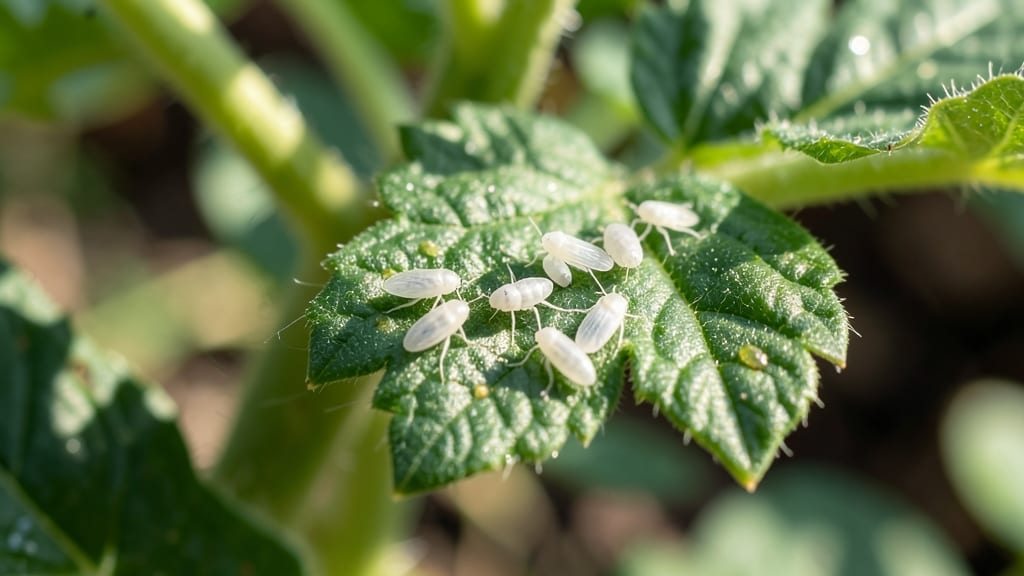
Those tiny white small bugs on tomato plants are a silent harvest thief—whiteflies, aphids, or fungus gnats can turn lush leaves into skeletonized messes in days. I’ve watched my own plants go from thriving to struggling when these pests strike, but neem oil changed everything.
The key is acting fast before they spread to every leaf and stem.
You’ll spot them fluttering when you shake the plant or see a sticky residue (called honeydew) on lower leaves—this is their calling card. The damage starts small: curled leaves, stunted growth, and a general "off" look to your tomatoes.
The good news? Neem oil disrupts their life cycle within 24-48 hours of proper application, and it’s safer for your garden than chemical sprays.
By the end of this, you’ll have a foolproof barrier that stops new bugs from landing and suffocates existing ones. No more losing plants to these pests—just healthy, productive tomatoes. Let’s get your garden back on track.
The best part? This method works for other veggies too—peppers, eggplants, and even houseplants. Once you master it, you’ll spot infestations early and stop them before they become a full-blown crisis.
Root Causes Of Tiny White Invaders
When you spot tiny white bugs swarming your tomato plants, it’s rarely a random event—these pests thrive because of specific conditions your garden may be unknowingly providing. Understanding the why behind their appearance is the first step to stopping them in their tracks.
Let’s break down the most common triggers, backed by science, so you can address the problem at its source.
Tomato plants under stress—whether from nutrient deficiencies, poor spacing, or overwatering—become prime targets for pests like aphids, whiteflies, or fungus gnats. Here’s why:
- Weakened defenses: Stressed plants produce fewer volatile organic compounds (VOCs), which are natural repellents that deter insects. When these compounds drop, pests detect the plant as "easy prey."
- Moisture buildup: Overwatering or poor drainage creates a microclimate of high humidity near the soil, perfect for fungus gnat larvae. Adults lay eggs in damp soil, and the cycle repeats.
- Crowded foliage: Tomato plants packed too closely limit airflow, trapping heat and moisture. This creates ideal conditions for whiteflies, which thrive in warm, humid environments (70–85°F).
Actionable fix: Prune plants to improve airflow, space them 18–24 inches apart, and ensure well-draining soil. Neem oil can also boost plant resilience by acting as a mild fungicide and insect deterrent.
Tomato plants with excess nitrogen or deficiencies in phosphorus/potassium send out distress signals that pests can’t resist. Here’s the science:
- Nitrogen overload: Too much nitrogen (common in synthetic fertilizers) leads to soft, sappy growth—a buffet for aphids and whiteflies. These pests inject toxins into plants, further weakening them and causing sticky honeydew (a magnet for sooty mold).
- Phosphorus/potassium deficits: These nutrients strengthen cell walls and boost secondary metabolite production (like alkaloids), which deter pests. Without them, plants become vulnerable.
- Sugar-rich leaves: Over-fertilized or drought-stressed plants produce more sugars, making them tastier to pests like whiteflies, which are drawn to high-sugar environments.
Actionable fix: Conduct a soil test and adjust fertilizers to a balanced NPK ratio (e.g., 5-10-10). Add compost or worm castings for slow-release nutrients. Kaolin clay can also create a protective barrier on leaves, confusing pests about the plant’s nutritional value.
Tiny white bugs don’t just appear—they’re opportunistic and exploit specific weather patterns. Here’s what makes your garden a pest paradise:
| Pest | Temperature Preference | Humidity Trigger | Why It Matters |
|---|---|---|---|
| Whiteflies | 70–90°F (optimal at 80°F) | 60–80% humidity | They thrive in greenhouses or hot, humid summers. High temps accelerate their reproduction cycle (females lay 400 eggs in a lifetime). |
| Fungus Gnats | 60–75°F | 70%+ humidity | Larvae drown in saturated soil, but adults are drawn to moisture. Overhead watering worsens the problem. |
| Aphids | 50–80°F | Moderate (40–60%) | They cluster on new growth, which is softer and more nutrient-rich. Cool nights and warm days create perfect conditions. |
Actionable fix: Use row covers to block whiteflies in hot weather, and yellow sticky traps to monitor populations. For fungus gnats, let the top inch of soil dry between waterings. Neem oil disrupts their life cycles by interfering with molting.
If your tomato plants (or nearby plants) had pests last season, the stage is already set for a repeat performance. Here’s how:
- Lingering eggs: Many white pests (like whiteflies or aphids) lay dormant eggs on plant debris, fences, or even garden tools. A single egg can hatch into hundreds of adults.
- Beneficial insect decline: Overuse of broad-spectrum pesticides kills natural predators (like ladybugs or lacewings), leaving pests unchecked. Without these allies, white bugs multiply unopposed.
- Contaminated soil/water: Compost or mulch from infested plants can harbor pest eggs or larvae. Even reused potting mix may contain fungus gnat pupae.
Actionable fix: Rotate crops annually to break pest cycles. Sterilize tools with rubbing alcohol, and remove all plant debris from the area. Introduce beneficial nematodes (like Steinernema feltiae) to target larvae in the soil.
💡 Pro Tip: Keep a pest journal to track patterns—note when bugs appear, the weather, and what you’ve fertilized. This helps you predict and prevent future outbreaks before they start.
How to Fix Tiny White Invaders
Discovering tiny white bugs feasting on your tomato plants can feel like a garden nightmare, but don’t panic—these pests are beatable! Below are targeted solutions tailored to the most common culprits (aphids, whiteflies, fungus gnats, or mealybugs) and their life stages.
Each fix is designed to be practical, chemical-free where possible, and effective for both small and large-scale gardens. Let’s reclaim your tomato patch!
Before diving into treatments, confirm the type of pest. Hold a white sheet of paper under a branch and gently shake it—do the bugs fly away (whiteflies) or stay put (aphids, mealybugs)? Use a magnifying glass to check for:
- Whiteflies: Tiny, moth-like adults; sticky residue on leaves.
- Aphids: Clustered on undersides, leave curled or yellowed leaves.
- Mealybugs: Cottony white masses near stems or leaf joints.
- Fungus gnats: Larvae in soil; adults hover near plants.
Knowing your enemy ensures you use the right weapon.
🔥 Blast Them Away (Physical Removal)
For light infestations, manual removal is your fastest ally.
- Spray with water: Use a strong jet from your hose (especially for aphids and mealybugs). Repeat every 2–3 days to disrupt their life cycle.
- Sticky traps: Hang yellow sticky traps near plants to catch flying adults (whiteflies). Place them above the canopy for maximum effect.
- Handpick: Wipe off mealybugs with a cotton swab dipped in rubbing alcohol (70% isopropyl). For aphids, crush clusters between your fingers or use a damp paper towel.
Pro tip: 💡 Do this in the early morning when pests are sluggish and easier to dislodge.
👨🍳 Neem Oil Barrier (Chemical-Free Shield)
Neem oil is a powerhouse for breaking pest life cycles and preventing reinfestation. It’s safe for edible plants (use organic-certified neem) and disrupts feeding, mating, and egg-laying.
How to apply:
- Mix 1 tbsp neem oil + 1 tsp mild soap (like Castile) with 1 quart warm water. Stir well.
- Add a few drops of honey or dish soap as a surfactant to help it stick to leaves.
- Transfer to a spray bottle and apply evenly on both sides of leaves, stems, and soil (for fungus gnats).
- Spray every 5–7 days until pests vanish (usually 2–3 weeks).
Pro tip: 🌡️ Apply in the early evening to avoid burning plants in direct sunlight.
🥘 Soil Drench for Underground Menaces
Fungus gnat larvae thrive in moist soil. A soil drench suffocates them while boosting plant health.
Recipe:
- Mix 1 tbsp hydrogen peroxide (3%) + 1 tsp neem oil + 1 quart water.
- Pour directly into the soil at the base of the plant. Repeat every 5 days for 3 weeks.
Pro tip: ✨ Let the soil dry slightly between waterings to discourage gnats from laying more eggs.
Stopping pests at the source saves time and stress. Implement these habits to keep your tomato plants bug-free:
🌱 Garden Hygiene
- Remove fallen leaves and debris weekly—pests hide here and multiply.
- Rotate crops yearly to disrupt pest life cycles (don’t plant tomatoes in the same spot).
- Prune plants for better airflow, reducing humidity where pests thrive.
🌿 Natural Deterrents
- Plant companion plants like basil, marigolds, or garlic to repel pests.
- Install fine mesh netting over seedlings to block adult flies from laying eggs.
- Encourage beneficial insects like ladybugs, lacewings, or parasitic wasps (buy them online or attract with dill or fennel).
🔪 Cultural Controls
- Use mulch (straw or grass clippings) to suppress weeds (weeds = pest hotspots).
- Water at the base (not overhead) to avoid wetting leaves, which attracts fungus gnats and whiteflies.
- Apply kaolin clay (like Surround WP) as a physical barrier—it coats leaves and confuses pests.
With these steps, your tomato plants will bounce back faster than you think. Consistency is key—pests don’t vanish overnight, but a combination of physical removal, neem oil, and prevention will keep them in check. Happy gardening!
Frequently asked questions
What are those tiny white bugs fluttering around my tomato plants?
Those are most likely whiteflies or aphids. Whiteflies look like tiny moths and take flight when disturbed, while aphids cluster on leaf undersides. Both suck plant sap and leave behind sticky honeydew that attracts mold.
Can I use dish soap to kill these white bugs?
Yes! Mix 1 tablespoon mild dish soap with 1 quart water and spray directly on the bugs. The soap breaks down their protective coating. For best results, apply in the evening when plants are cool. Repeat every 3-4 days until they disappear.
Why do I keep seeing white bugs even after treating my plants?
Pests often return because their eggs survive treatments. Adults may also come from nearby plants. Focus on prevention: remove all plant debris, use yellow sticky traps, and apply neem oil weekly. Check soil moisture too—overwatering attracts fungus gnat eggs.
Are these white bugs harmful to my tomato harvest?
They weaken plants by sucking sap, causing yellow leaves and stunted growth. Worse, their honeydew attracts sooty mold that blocks sunlight. Left untreated, they can reduce yields by up to 50%. Act fast to protect your tomatoes.
How can I tell if my white bugs are fungus gnats instead?
Fungus gnats are smaller and hover near soil rather than leaves. Look for tiny larvae in damp soil or yellowing lower leaves. Unlike whiteflies, they don't leave honeydew. Use a soil drench of hydrogen peroxide (1 tbsp per quart of water) to target their larvae.