
Plants
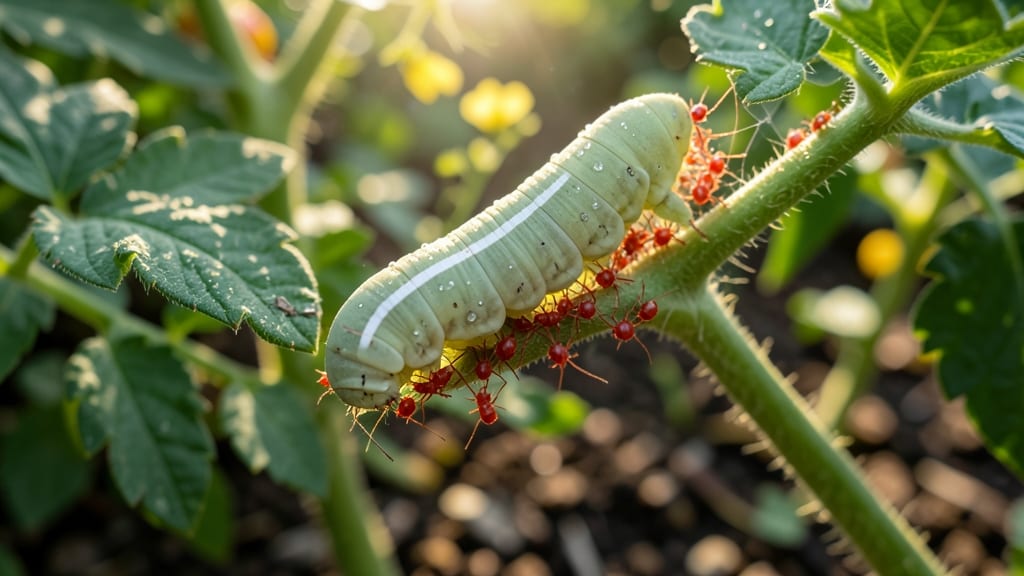
Red bugs on tomato plants can turn your harvest into a sad, skeletonized mess overnight. 🌱 I’ve lost entire plants to these tiny terrors—until I discovered this foolproof soap-and-oil spray that works in hours, not weeks. The key is acting fast before they strip your plants bare.
Most red bugs are either tomato hornworms (green with red stripes) or spider mites (tiny red specks on leaves). Both leave behind chewed foliage, wilting vines, and—if ignored—fruit that’s more hole than tomato. The damage starts small but spirals fast, especially in hot, dry weather.
This spray stops them cold: neem oil’s bitter taste repels them, while castile soap suffocates their eggs. You’ll see results within 24-48 hours—no more disappearing fruit or limp leaves. The best part? It’s safer for your plants (and your family) than chemical sprays.
Prevention is easier than cleanup: handpick hornworms at dusk (they’re slow then) and release ladybugs to hunt spider mites. Keep your garden well-watered—dry conditions invite mites like a buffet. Let’s get those bugs off your tomatoes for good!
Root Causes Of Red Bugs Invading
When tiny red bugs start feasting on your tomato plants, it’s often a sign that your garden has become an all-you-can-eat buffet for hungry pests. But why do these critters show up in the first place?
Understanding the why behind their arrival is the first step to keeping them away for good. Let’s break down the most common reasons these pests target your tomatoes—and how environmental and human factors play a role.
Healthy tomato plants are naturally more resilient to pests, but when they’re stressed, they become easy targets. Overcrowded foliage, poor air circulation, or nutrient deficiencies weaken plants, making them irresistible snacks for red bugs like Lygus hesperus (tarnished plant bugs) or Tetranychus urticae (red spider mites).
- How it happens: Dense plantings or pruning mistakes trap moisture, creating a humid microclimate that red bugs love.
- Signs to watch for:
- Yellowing leaves or stunted growth
- Curled or distorted new leaves
- Excessive webbing (in spider mite cases)
- Actionable fix: Thin out plants to improve airflow and remove heavily infested leaves immediately.
Red bugs thrive in hot, dry weather, especially when temperatures soar above 85°F (29°C). Drought stress forces plants to wilt, releasing sugary sap that attracts these pests like a dinner bell.
Conversely, sudden rain can also trigger outbreaks by washing away natural predators (like ladybugs) while leaving red bugs unharmed.
| Condition | Why It Attracts Bugs | Solution |
|---|---|---|
| Prolonged drought | Plants become dehydrated, emitting stress signals that lure bugs. | Mulch to retain moisture and water deeply 1–2 times per week. |
| Unpredictable rain | Washes away beneficial insects, leaving red bugs as the dominant pest. | Use row covers during rainy seasons to protect plants. |
| Heatwaves | Bugs multiply faster in warm conditions, and plants can’t defend themselves. | Provide afternoon shade with shade cloth (30–50% coverage). |
In a balanced ecosystem, red bugs face constant pressure from predators like lacewings, parasitic wasps, and birds.
But when you disrupt this balance—through pesticides, monoculture gardening, or removing habitat (like wildflowers)—the bugs gain the upper hand. Chemical pesticides are especially guilty of wiping out beneficial insects while leaving resistant red bugs untouched.
- How it happens:
- Overuse of broad-spectrum insecticides (e.g., neonicotinoids)
- Removing ground cover or diverse plantings
- Urban or suburban gardens with few wild predators
- Actionable fix:
- Introduce beneficial insects like ladybugs or nematodes.
- Plant companion flowers (e.g., marigolds, dill) to attract predators.
- Avoid synthetic pesticides; opt for soapy water sprays instead.
Red bugs don’t just appear out of nowhere—they hitchhike from nearby weeds, garden debris, or even last year’s plant remnants. If your garden is cluttered with dead leaves, fallen fruit, or unchecked weeds, you’re basically rolling out the welcome mat for these pests.
Weeds like purslane or malva are especially attractive to red bugs before they move on to your tomatoes.
- How it happens:
- Leaving crop residue (e.g., old tomato stems) in the soil.
- Ignoring weeds in borders or pathways.
- Storing firewood or plant debris near tomato beds.
- Actionable fix:
- Clear debris before planting season.
- Mulch with straw or wood chips to smother weeds.
- Inspect new plants for hitchhiking bugs before transplanting.
If you’re not the only gardener in your area, red bugs can spread rapidly through wind, water, or even human activity. Nearby farms, community gardens, or even a neighbor’s overgrown yard can serve as a bug reservoir.
Additionally, agricultural runoff (e.g., fertilizers or pesticides drifting from fields) can create ideal conditions for outbreaks.
- How it happens:
- Living near commercial farms that use heavy pesticides.
- Sharing gardening tools or containers with infested plants.
- Wind or wildlife (e.g., birds) carrying bugs from other areas.
- Actionable fix:
- Monitor local pest reports from extension services.
- Create a bug barrier with reflective mulch or copper tape.
- Isolate new plants for 1–2 weeks before introducing them to your garden.
Natural Ways to Banish Tomato Pests
Now that you know what’s nibbling on your tomato plants, it’s time to take action! 🌱🚫 The good news? Most red bugs—like aphids, spider mites, or even tomato hornworms—can be tackled with simple, non-toxic methods.
Below, we’ve broken down practical, step-by-step solutions tailored to the most common culprits, plus prevention tips to keep your plants thriving.
Signs: Sticky residue (honeydew), curled leaves, clusters of tiny red/orange bugs.
🍳 Step 1: Blast Them Off
- How: Use a strong stream of water from your hose to dislodge aphids.
Do this early in the morning so the plants dry quickly (prevents fungal issues). - Pro Tip: 💡 Aim the nozzle directly at the undersides of leaves—that’s where they love to hide!
👨🍳 Step 2: DIY Soap & Oil Spray (Your Secret Weapon)
Mix 1 tsp mild liquid soap (like Castile) + 1 tbsp vegetable or neem oil + 1 quart water in a spray bottle.
Shake well and spray thoroughly (top and bottom of leaves). Reapply every 5–7 days until gone.
🌡️ Step 3: Attract Natural Predators
- Ladybugs and lacewings love aphids. Buy them online or plant dill, fennel, or marigolds nearby to lure them in.
✨ Prevention:
- Inspect new plants before bringing them home (quarantine for a week!).
- Remove yellowing leaves—aphids adore weak foliage.
- Avoid over-fertilizing with nitrogen (soft, lush leaves = aphid buffet).
Signs: Fine webbing, speckled leaves, plants looking “stressed” despite good care.
🔪 Step 1: Wipe Down Leaves
- How: Dampen a soft cloth or sponge with soapy water (same recipe as above) and gently scrub infested leaves. Mites hate this!
⏰ Step 2: Increase Humidity
- Why? Spider mites thrive in dry conditions. Use a hose to mist plants daily or place a shallow tray of water near them.
🌿 Step 3: Neem Oil Rescue Mission
- Mix 1 tbsp neem oil + 1 tsp soap + 1 quart water. Spray every 3–4 days until mites vanish. Bonus: Neem oil also deters eggs!
🎯 Prevention:
- Water deeply at the base (avoid overhead spraying, which can dry leaves faster).
- Prune crowded branches to improve airflow.
- Introduce predatory mites (like Phytoseiulus persimilis) for long-term control.
Signs: Large green caterpillars with white stripes, half-eaten leaves overnight, frass (black droppings).
👨🍳 Step 1: Handpick Like a Pro
- How: Go out early morning or evening (they’re sluggish then!). Grab them with gloved hands or a tweezers and drop them in soapy water.
- Pro Tip: 💡 Check under leaves and near flower clusters—they love to hide!
🔥 Step 2: Bt (Bacillus thuringiensis) Spray
- What? A natural bacterial spray that’s safe for humans/pets but deadly to caterpillars.
- How: Follow package instructions (usually 1 tsp per gallon of water). Spray every 7–10 days or after rain.
🌱 Step 3: Encourage Parasitic Wasps
- How? These tiny wasps lay eggs inside hornworms, killing them naturally. Plant dill, parsley, or basil to attract them.
🚫 Prevention:
- Remove egg clusters (tiny white ovals on leaves) daily.
- Plant basil nearby—its scent repels hornworms.
- Rotate crops yearly to disrupt their life cycle.
Want to keep red bugs away for good?
Try these low-effort habits: - 🌿 Companion Planting: Surround tomatoes with marigolds, basil, or garlic—their scents confuse pests. - 🌱 Healthy Soil = Strong Plants: Use compost and mulch to boost plant resilience. - 🕰️ Regular Scouting: Check plants 2–3 times a week (catch infestations early!). - 🚿 Clean Up Debris: Remove fallen leaves/fruit to eliminate hiding spots.
Remember: Patience is key! Some methods take 1–2 weeks to show results. Stick with it, and your tomato plants will be bug-free and bountiful in no time. 🍅✨
Frequently asked questions
What are the most common red bugs attacking my tomato plants?
The most likely culprits are tarnished plant bugs (tiny red with white markings) or red spider mites (microscopic red specks). If you see large green caterpillars with red stripes, those are tomato hornworms—they’re actually green but often mistaken for red bugs when young. Always check leaf undersides first!
How do I know if my tomato plants have a red bug infestation?
Look for speckled leaves, fine webbing (mite sign), or chewed foliage. For tarnished plant bugs, check for stunted growth or scorch marks on leaves. If you see black frass (droppings) on leaves, it’s likely hornworms. Act fast—these bugs multiply quickly!
Is it safe to use neem oil on tomato plants?
Yes! Neem oil is organic and safe for tomato plants when used correctly. Mix 1 tablespoon with 1 teaspoon mild soap and 1 quart water, then spray evenly. Apply in the early morning to avoid harming bees. Reapply every 5-7 days until bugs disappear—it’s effective against mites, aphids, and even some caterpillars.
Will my tomato fruit still be safe to eat if red bugs were on the plant?
Most red bugs (like spider mites or tarnished plant bugs) don’t directly harm fruit, but they can spread diseases. If you see hornworms, they might leave holes—but the fruit itself is still edible. Always wash tomatoes thoroughly before eating. For peace of mind, remove heavily infested plants and treat the rest immediately.
How often should I check my tomato plants for red bugs?
Inspect your plants 2-3 times per week, especially after rain or heatwaves. Early detection is key! Focus on leaf undersides, new growth, and flower clusters—these are favorite hiding spots. If you catch an infestation early, you can often eliminate it with a simple soapy water spray before it spreads.