
Pests
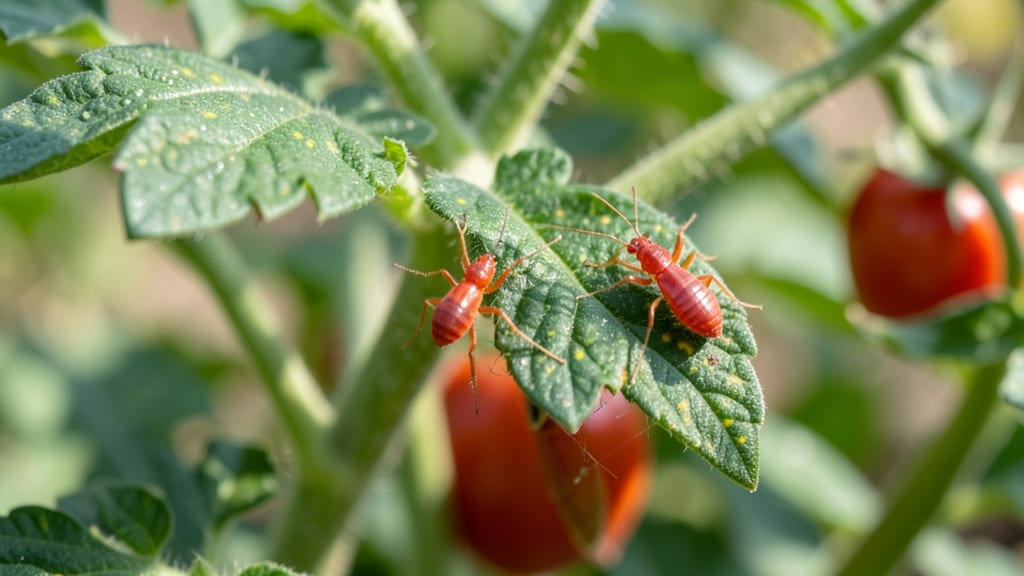
Those tiny red bugs on your tomato plants aren’t just annoying—they’re sucking the life out of your harvest. 🌱 I’ve spent years watching these pests turn lush foliage into a skeleton of yellowed leaves, and I’m sharing exactly how to identify them (spoiler: not all red bugs are bad) and kick them out for good.
Most likely culprits are minute pirate bugs or red spider mites, both of which thrive in hot, dry conditions. The key difference? Pirate bugs leave tiny holes in leaves, while mites create fine webbing and cause stippling.
Either way, they multiply fast—so act before your plants look like Swiss cheese.
You’ll eliminate them with a mix of neem oil sprays, companion planting (basil and marigolds repel them), and pruning to remove infested areas. Within a week, your plants will bounce back with vibrant green leaves and full-sized tomatoes—no more tiny red invaders in sight.
Works for backyard gardens, containers, and even community plots. The secret? Catching them early and using a layered defense. Let’s get your tomatoes back on track!
Root Causes Of Tiny Invaders
When you spot tiny red bugs feasting on your tomato plants, it’s rarely just bad luck—these pests thrive because of specific conditions you can control. Understanding why they show up helps you stop them before they wreck your harvest. Let’s break down the key triggers:
Tomato plants under stress are like an all-you-can-eat buffet for pests. When plants are overcrowded, nutrient-deficient, or waterlogged, their natural defenses weaken, making them prime targets for hungry insects like aphids, spider mites, or thrips (common red bugs).
- Why it happens: Healthy plants produce sticky resins and strong leaves that deter pests. Stress disrupts this, signaling bugs that the plant is "easy prey."
- Actionable fix:
- Space tomato plants 18–24 inches apart for airflow.
- Test soil pH (aim for 6.0–6.8) and amend with compost if needed.
- Avoid overwatering—damp foliage attracts mites and fungus gnats.
Red bugs like thrips and Russian wheat aphids love hot, dry climates. When temperatures rise above 80°F (27°C) and humidity drops, these pests multiply rapidly, seeking out your tomato plants for shelter and food.
- Why it happens: Heat stress weakens plants, while dry conditions reduce natural predators (like ladybugs) that would otherwise keep bug populations in check.
- Actionable fix:
- Use mulch (straw or wood chips) to retain soil moisture.
- Water deeply in the morning to cool leaves and deter pests.
- Provide shade cloth (30–50%) if your region hits extreme heat.
Leaving behind plant debris, weeds, or old tomato vines creates hiding spots and breeding grounds for red bugs. Pests like aphids and whiteflies overwinter in organic matter, then migrate to your healthy plants when conditions improve.
- Why it happens: Debris traps moisture and provides shelter, accelerating pest life cycles. A single infested leaf can harbor hundreds of eggs.
- Actionable fix:
- Clean up fallen leaves and prunings weekly.
- Remove weeds (especially mustard and pigweed), which harbor pest eggs.
- Rotate crops yearly to disrupt pest life cycles.
Red bugs don’t always win—ladybugs, lacewings, and parasitic wasps naturally keep their populations in check. But if your garden lacks biodiversity, these predators vanish, leaving your tomatoes vulnerable.
- Why it happens: Monoculture gardens (planting only tomatoes) and pesticide use eliminate beneficial insects faster than pests.
- Actionable fix:
- Plant companion plants like basil, marigolds, or dill to attract predators.
- Avoid broad-spectrum pesticides (they kill good bugs too).
- Install a bee or bug hotel to support native predators.
By addressing these root causes, you’re not just treating the symptoms—you’re starving the problem at its source. Next, we’ll cover how to identify which tiny red bug is attacking your tomatoes so you can target your defense strategy.
Natural Ways to Banish Tiny Red Invaders
Discovering tiny red bugs—likely minute pirate bugs or thrips—on your tomato plants can feel like a garden nightmare. But don’t panic! With the right approach, you can eliminate them effectively while keeping your plants thriving.
Below, we break down solutions tailored to the cause of the infestation, ensuring you tackle the problem at its root. Plus, we’ll share prevention tips to keep your tomato plants pest-free for the season.
Before jumping into treatments, confirm whether your tiny red bugs are:
- Minute pirate bugs (harmless predators that actually help control pests).
- Thrips (sap-sucking pests that damage leaves and fruit).
- Carmine spider mites (tiny red mites that cause stippling on leaves).
If the bugs are beneficial (like pirate bugs), leave them alone—they’re your allies! If they’re harmful (like thrips), proceed with the fixes below.
🌱 Overcrowded or Stressed Plants
When tomato plants are overcrowded, stressed, or nutrient-deficient, they become prime targets for pests. Fix it:
- 🔥 Prune for Better Airflow
- Remove yellowing or damaged leaves to improve circulation.
- Space plants 18–24 inches apart to reduce humidity and pest hiding spots.
- 🍳 Boost Plant Health with Fertilizer
- Use a balanced, organic fertilizer (like 10-10-10) every 4–6 weeks.
- Add compost or worm castings to the soil for long-term nutrition.
- 💡 Pro Tip: Mulch around plants with straw or grass clippings to retain moisture and suppress weeds (which attract pests).
🐜 Thrips or Spider Mite Infestation
If the tiny red bugs are thrips or mites, they’re sucking the life out of your tomatoes. Act fast:
- 👨🍳 Spray with Neem Oil (Best Organic Fix)
- Mix 1 tsp neem oil + 1 tsp mild soap + 1 quart water in a spray bottle.
- Apply in the early morning or evening (avoid direct sunlight).
- Reapply every 5–7 days until pests are gone.
- 🥘 Introduce Beneficial Insects
- Release lacewings, ladybugs, or pirate bugs (the good guys!) to eat thrips.
- Buy them from garden centers or online.
- ⏰ Use Sticky Traps for Monitoring
- Place blue or yellow sticky traps near plants to catch adult thrips.
- Check traps daily and replace as needed.
- 🔪 Severe Cases? Try Insecticidal Soap
- Spray a homemade insecticidal soap (1 tbsp castile soap + 1 quart water) on infested areas.
- Warning: Avoid spraying in direct sun—it can burn leaves!
🌡️ Hot, Dry Conditions
Thrips and mites love dry, hot weather. If your garden is parched, pests will move in. Fix it:
- 💧 Water Deeply and Early
- Water at the base of plants in the morning to encourage deep root growth.
- Avoid overhead watering (it spreads pests and diseases).
- 🌿 Increase Humidity Naturally
- Group plants together to create a microclimate.
- Use drip irrigation instead of sprinklers to keep foliage dry.
- 🎯 Shade Cloth for Extreme Heat
- If temps exceed 90°F (32°C), use 30–50% shade cloth to protect plants.
Once you’ve eliminated the tiny red invaders, take these steps to prevent future infestations:
- 💡 Rotate Crops Annually – Don’t plant tomatoes in the same spot every year (pests build up in the soil).
- 🌱 Plant Companion Plants – Interplant tomatoes with basil, marigolds, or onions to repel pests naturally.
- 🔥 Inspect New Plants – Always quarantine new seedlings for 2 weeks before adding them to your garden.
- 🌡️ Monitor Regularly – Check the undersides of leaves weekly for early signs of pests.
- ✨ Clean Up Debris – Remove fallen leaves and weeds where pests hide over winter.
With these targeted solutions, your tomato plants will bounce back stronger—and those pesky red bugs won’t stand a chance! 🚫🐜 For persistent problems, consider consulting a local cooperative extension service for expert advice.
Frequently asked questions
Are those tiny red bugs actually harmful to my tomato plants?
Not always! Some red bugs like minute pirate bugs are actually beneficial—they eat aphids and other pests. The harmful ones (like thrips or spider mites) leave behind tiny holes or webbing. Check for damage: if leaves just have small punctures, you likely have harmless predators. If you see stippling or webbing, act fast!
How do I tell if it's thrips vs. spider mites vs. pirate bugs?
Look closely: thrips are tiny (1-2mm), slender, and leave silvery streaks on leaves. Spider mites create fine webbing and cause yellow stippling. Pirate bugs (1.5-3mm) have a distinctive "pirate hat" shape and don't create webbing. Use a magnifying glass for better visibility!
Will neem oil really work on these tiny red bugs?
Yes! Neem oil disrupts the life cycle of thrips and spider mites while being safe for plants. Mix 1 tsp neem oil + 1 tsp mild soap + 1 quart water and spray thoroughly on both leaf surfaces. Reapply every 5-7 days for 2-3 weeks to break their reproductive cycle. Best applied in the evening.
Can I use chemical pesticides on my tomato plants?
Use chemicals as a last resort—many kill beneficial insects too. If you must, opt for pyrethrin-based sprays (derived from chrysanthemums) which are less harmful. Always follow label instructions carefully, and avoid spraying when bees are active. For organic gardens, stick with neem oil, insecticidal soap, or horticultural oil first.
How long until my tomato plants recover after treating for these bugs?
With proper treatment, you'll see improvement in 3-7 days. New growth will be pest-free within 2-3 weeks if you maintain consistent care. Remove heavily damaged leaves and keep plants healthy with proper watering and fertilization. The faster you act, the quicker your tomatoes will bounce back!