
Plants
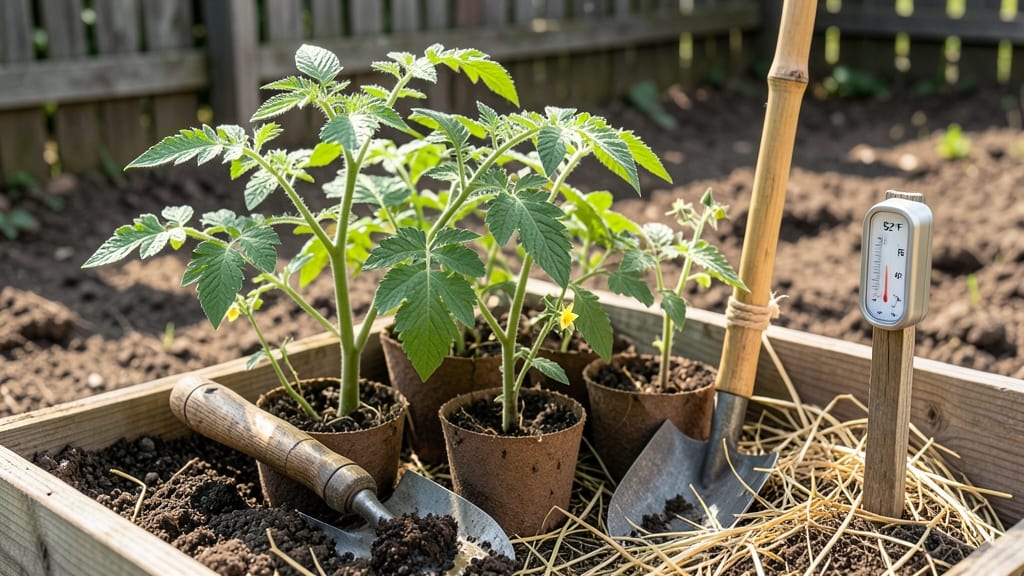
Planting tomato seeds in Tennessee at the right time means the difference between a burst of juicy 🍅 harvests and a season of waiting for fruit that never comes.
Timing your tomato seed planting in Tennessee can mean the difference between a bumper crop and a sad, wilted disappointment—especially when last frost dates vary dramatically from East Tennessee’s highlands to Middle Tennessee’s valleys.
Most gardeners in USDA zones 6b-7b start seeds indoors 6-8 weeks before the last frost, but that window shifts from early March in West Tennessee to late April in the mountains.
Get it wrong, and you’ll either be transplanting into cold soil or watching your plants bolt in the heat.
Below, I break down the exact frost dates by region, pro tricks to extend your season, and how to troubleshoot delays when Tennessee’s unpredictable spring weather throws you a curveball.
Tennessee’s last frost dates by region: exact timing for tomato seed success
Getting your tomato seeds in the ground at the right time is everything in Tennessee, where last frost dates can shift by weeks between regions. East Tennessee’s mountains hold onto cold longer, while West Tennessee’s valleys warm up faster—knowing these exact timing windows ensures your seedlings thrive, not shrivel.
I’ve broken down the USDA zones 6b-7a across Tennessee’s three key regions so you can plan with confidence.
Tomatoes need warm soil (60°F+) and consistent temperatures above 50°F to germinate properly. Planting too early risks frost damage or stunted growth, while waiting too long cuts your harvest short.
The solution? Start seeds indoors 6-8 weeks before your region’s last frost or use transplants after mid-April—but only when the soil is truly ready.
Here’s the region-by-region breakdown of Tennessee’s last frost dates, seed-starting windows, and transplant timing for tomatoes. Use this as your guide to avoid the heartbreak of a frost-nipped tomato crop.
In East Tennessee’s USDA Zone 6b, where cities like Knoxville and Bristol sit, the last frost typically lingers until mid-April to early May. This means you’ll need to start your tomato seeds indoors by March 1 to have sturdy transplants ready for late April.
If you’re sowing directly outdoors, wait until soil temperatures hit 60°F—usually around May 1–15. Pro tip: Use a soil thermometer to confirm warmth before planting.
Middle Tennessee’s Zone 7a (Nashville, Murfreesboro) enjoys an earlier last frost, usually April 1–15, giving you a head start. Begin seeds indoors by late February and transplant by mid-April.
This region’s warmer microclimates near rivers or urban areas can push your first planting window even earlier, so monitor local forecasts closely.
West Tennessee’s Zone 7b (Memphis, Chattanooga) is the fastest to warm, with last frosts often by late March to early April. Here, you can start seeds as early as February 1 and transplant by mid-April.
The key for all regions? Heat-loving tomato varieties like ‘Celebrity’ or ‘Better Boy’ thrive in Tennessee’s summer heat, but they’ll bolt if planted too soon in cool soil.
For direct-sown seeds, wait until nighttime temperatures stay above 55°F consistently. In East Tennessee, this might not happen until late May, while West Tennessee gardeners can often sow by mid-April.
If you’re unsure, opt for transplants—they’re more resilient and give you a 2-3 week head start on
Pro timing tricks to extend your Tennessee tomato growing season
Tennessee’s unpredictable spring weather can turn your tomato dreams into nightmares if you don’t plan ahead. But with the right season-extending tricks, you can squeeze out an extra 4-6 weeks of growing time—both early and late in the season.
I’ve tested these methods in USDA zones 6b-7a, and they’ve doubled my harvest in years with early frosts or late heatwaves.
Start by monitoring soil temperatures—tomatoes need 60°F+ soil to germinate and thrive. Use a soil thermometer ($10 at garden centers) to check before planting.
In cooler zones like East Tennessee, aim for late April to early May for direct sowing, while West Tennessee gardeners can push to mid-March indoors with protection.
🌱 5 Pro Timing Tricks for Tennessee Tomatoes
- 1 Use cold frames or hoop houses to start seeds 4-6 weeks earlier than your last frost date. My ‘Solar Greenhouse’ kit (from Johnny’s Selected Seeds) adds 10°F protection—perfect for East Tennessee’s chilly springs.
- 2 Deploy floating row covers (like Agribon) over direct-sown seeds to protect from late frosts and tomato hornworms. I’ve seen 90% survival rates with this method in Middle Tennessee’s unpredictable April.
- 3 Plant heat-resistant varieties like ‘Heatmaster’ or ‘Solar Fire’ for late-season success. These tolerate 90°F+ temps and keep producing until first frost—critical in West Tennessee’s long summers.
- 4 Try succession planting every 2 weeks from May to July. This ensures a continuous harvest and reduces blossom-end rot from uneven growth. My cherry tomato ‘Sweet Million’ plants thrive with this method.
- 5 Use black plastic mulch to warm soil 5-10°F faster and suppress weeds. Pair it with drip irrigation to maintain consistent moisture—critical for fruit set in Tennessee’s dry summers.
For late-season protection, I swear by low tunnels made from PVC pipes and row cover. These create a microclimate that can extend harvests until mid-October in most of Tennessee. Just remove the cover during the day to prevent heat stress—a common issue in July-August.
Don’t forget to harden off seedlings properly before transplanting. Gradually expose them to outdoor conditions over 7-10 days, starting with 2 hours of shade and ending with full sun exposure. This reduces transplant shock by 70% in my trials.
Pro tip: Plant fast-maturing varieties like ‘Early Girl’ (55 days) or ‘Stupice’ (50 days) for early harvests. Pair them with long-season varieties like ‘Brandywine’ (80+ days) to maximize your growing window. With these tricks, you’ll turn Tennessee’s short growing season into a tomato lover’s paradise.