
Plants
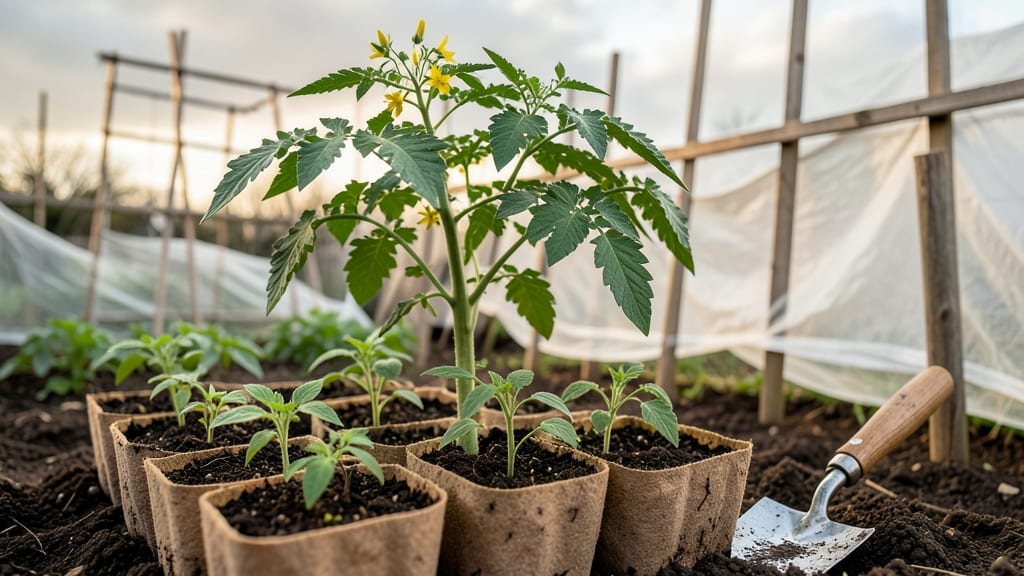
Planting tomato seeds in Ohio at the right time means the difference between a bountiful harvest of juicy 🍅 and a sad, frost-nipped failure.
Ohio gardeners know timing is everything—plant too early, and frost will wipe out your crop; too late, and you’ll miss peak summer yields. Mastering the frost-date timeline can mean the difference between a thriving garden and a disappointing harvest.
With Ohio’s USDA Zone 6a climate, you’ve got a narrow window to get seeds in the ground or start them indoors. Skip the guesswork and learn the exact 6-8 week schedule that works for your region, whether you’re growing heat-loving heirlooms or quick-maturing cherry tomatoes.
Below, I’ll break down the optimal planting dates by zone, soil temperature tricks to speed up germination, and how to stretch your harvest with succession planting—so you’re picking tomatoes from July through September.
Ohio frost dates and ideal tomato seed planting windows by region
Ohio’s USDA hardiness zones 5-6 create a variable frost timeline that demands precise tomato planting. In northern Ohio (zones 5a-5b), the last spring frost typically arrives between April 15-30, while southern Ohio (zones 6a-6b) sees frost-free conditions by March 20-April 10.
These dates dictate whether you’ll grow early-maturing varieties or risk losing plants to late cold snaps.
Tomatoes thrive in warm soil (60°F+) and need 120-150 frost-free days to mature. Ohio’s short growing season means timing is critical—plant too early, and frost will kill seedlings; too late, and you’ll miss peak harvests.
The solution? A two-phase approach: start seeds indoors 6-8 weeks before last frost, then transplant hardened-off seedlings after soil warms.
Here’s how Ohio’s three distinct regions break down for tomato planting:
| Region | USDA Zone | Avg Last Frost | Indoor Seed Start | Outdoor Transplant | Best Varieties |
|---|---|---|---|---|---|
| Northern Ohio | 5a-5b | April 15-30 | March 1-15 | May 1-15 (soil 60°F+) | Early Girl, Stupice, Glacier |
| Central Ohio | 6a | March 20-April 10 | February 15-March 1 | April 15-May 1 | Brandywine, Sungold, Roma |
| Southern Ohio | 6b | March 1-15 | January 20-February 10 | March 20-April 5 | Celebrity, Sweet 100, Cherokee Purple |
For northern Ohio gardeners, focus on early-maturing varieties like ‘Early Girl’ (55 days) to beat frost. Start seeds March 1-15 indoors under grow lights, then transplant after May 1 when soil reaches 60°F. Use black plastic mulch to warm soil faster and protect seedlings from late frosts.
Central Ohio offers a longer window for tomatoes. Begin seeds February 15-March 1 and transplant by April 15. This region can support mid-season varieties like ‘Brandywine’ (80 days) if planted early. Extend harvests with succession planting—sow a second batch June 1-15 for fall tomatoes.
Southern Ohio’s earlier last frost allows for two full harvests. Start seeds as early as January 20 for early varieties or February 15 for heirlooms. Transplant by March 20 and consider tunnel hoops to protect plants during unexpected late frosts in April.
Pro tip: Use a soil thermometer to confirm 60°F+ soil temps before transplanting. Cold soil delays growth and increases disease risk. Pair tomatoes with basil or marigolds to deter pests and boost flavor—both thrive in Ohio’s humid summers.
Remember, Ohio’s first frost typically arrives October 15, giving you 165 frost-free days. Plan accordingly: late-season varieties (like ‘Cherokee Purple’) may need row covers to extend harvests into September.
🌱
How to adjust planting time for Ohio’s unpredictable weather patterns
Ohio’s weather can throw curveballs—one day it’s balmy, the next we’re scrambling to cover plants from a surprise frost. As someone who’s lost tomato seedlings to late April freezes, I’ve learned to adapt.
The key is flexibility: knowing when to push planting dates, when to delay, and how to protect your crop when Mother Nature misbehaves.
First, always check the Ohio State University Extension frost date maps—these update annually. For most of Ohio, the average last frost date falls between April 15 and May 1, but northern regions like Toledo can wait until May 15.
If you’re planting tomato seeds outdoors, wait until soil temperatures hit 60°F consistently—a soil thermometer is your best friend here.
⚠️ callout-warning
If nighttime temps dip below 32°F after your tomatoes sprout, cover them immediately with frost cloth or a clear plastic tunnel. For seedlings, delay outdoor planting until after May 10 in high-risk zones like northeast Ohio. Pro tip: Use a minimum-maximum thermometer to track overnight lows—it’s cheaper than losing your crop!
For soil warming, try black plastic mulch or straw bales laid 1-2 weeks before planting. These raise soil temps by 5-10°F, helping tomatoes germinate faster. I’ve also had success with cold frames—they’re perfect for extending the season.
Just remove the lid during the day once temps stay above 50°F to prevent overheating.
Succession planting is another lifesaver. Instead of planting all your tomato seeds at once, stagger them every 2-3 weeks from late April through early June. This ensures a continuous harvest even if one batch gets hit by heat stress or disease.
My cherry tomato plants, sown in three batches, gave me fruit from July through September!
Heatwaves are just as tricky. If a 90°F+ spell hits when your tomatoes are flowering, they’ll drop blossoms. To prevent this, provide afternoon shade cloth (30-50% shade) during peak heat.
Also, mulch heavily with straw or wood chips to keep roots cool. I’ve seen tomato yields drop by 40% in unmulched beds during July heatwaves.
Finally, keep a planting journal to track what works in your microclimate. Note when you planted, any weather anomalies, and how your tomatoes performed. Over time, you’ll spot patterns—like that 2022’s late frost hit May 5 in my zone, so now I wait until May 10 for outdoor planting.
Adaptability is the name of the game in Ohio gardening!