
Planting
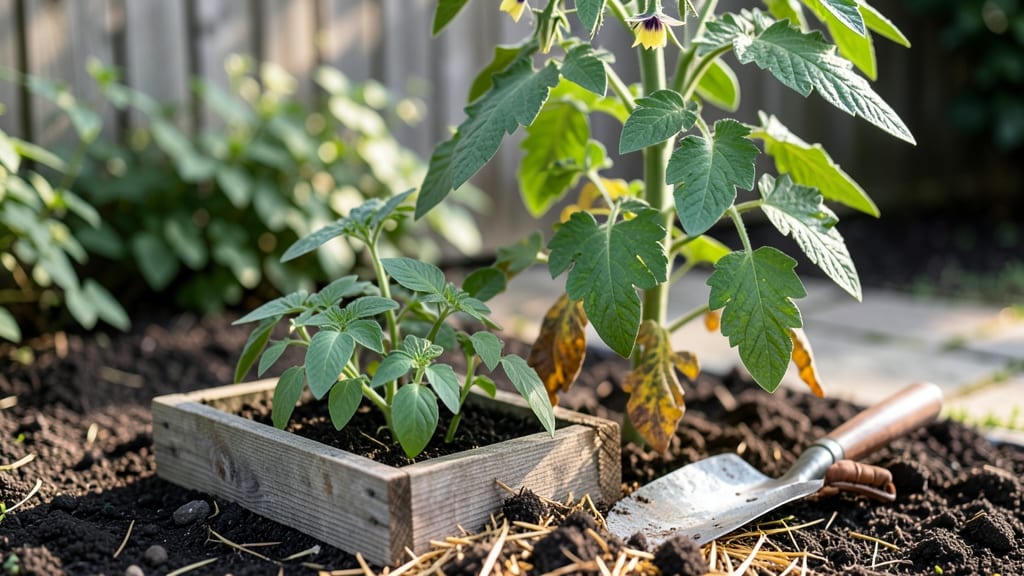
Timing your tomato planting season correctly is the secret to avoiding leggy seedlings and wasted effort—whether you're in Zone 6a or a warmer climate.
Picture this: you’ve spent weeks nurturing your 🍅 seedlings indoors, only to rush them outside too soon, where a late frost turns your hard work into sad, wilted plants. Or worse, you plant too late, and the heat arrives before your tomatoes even set fruit.
The difference between a thriving garden and a disappointing one often comes down to knowing when to start seeds and when to transplant.
In this guide, you’ll discover the exact planting windows for your USDA zone, how to adjust for early vs. late varieties, and the most common timing mistakes—plus how to fix them before they ruin your harvest.
From soil temperature checks to companion planting tricks, I’ll walk you through every step to ensure your tomatoes get off to the best possible start and keep producing until fall.


USDA zone-specific tomato planting dates for optimal growth
Getting your tomato planting season right is everything—plant too early and frost will kill your seedlings, too late and you’ll miss the growing window. The key is aligning your schedule with your USDA zone, last-frost dates, and soil temperatures.
I’ve broken down the exact windows for zones 3 through 11, plus soil warmth requirements to avoid transplant shock.
Most gardeners wait until after the last average frost date, but tomatoes also need soil temperatures above 60°F (15.5°C). In cooler zones, I use black plastic mulch to warm the soil faster, while in hotter zones, I shade young plants to prevent stress.
Let’s dive into the zone-by-zone details to help you plan your perfect planting window.
⚠️ Comparison Table: Tomato Planting Windows by USDA Zone
| USDA Zone | Last Frost Date | Ideal Planting Window | Soil Temp Requirement | Notes |
|---|---|---|---|---|
| 3-4 | Mid-May to June 1 | June 15 - July 15 | 60°F+ (15.5°C+) | Use row covers; start seeds indoors 8-10 weeks early. |
| 5 | April 15 - May 1 | May 10 - June 1 | 60°F+ (15.5°C+) | Plant after soil warms; use black plastic mulch. |
| 6 | April 1 - April 15 | April 20 - May 15 | 60°F+ (15.5°C+) | Direct sow or transplant hardened-off seedlings. |
| 7 | March 15 - April 1 | April 1 - April 30 | 60°F+ (15.5°C+) | Early varieties like 'Stupice' thrive here. |
| 8 | February 15 - March 1 | March 15 - April 15 | 60°F+ (15.5°C+) | Longer season; consider succession planting. |
| 9-10 | January 1 - February 1 | February 15 - March 15 | 60°F+ (15.5°C+) | Heat-tolerant varieties like 'Solar Fire' perform best. |
| 11 | Year-round (no frost) | Year-round (staggered) | 60°F+ (15.5°C+) | Plant every 2-3 weeks for continuous harvest. |
In USDA zones 3-4, where frost lingers late, I recommend starting seeds indoors 8-10 weeks before your last frost date. Use grow lights or a sunny windowsill, and transplant after soil temperatures hit 60°F (15.5°C).
For zones 5-7, direct sowing or transplanting hardened-off seedlings works well after April 15, but always check local frost data—your neighbor’s yard might have a microclimate with earlier warmth.
For zones 8-10, where heat arrives early, I focus on heat-tolerant varieties like 'Solar Fire' or 'Heatmaster.' These tomatoes handle 90°F+ (3
How to adjust tomato planting for early vs. late varieties
Not all tomatoes thrive under the same conditions—early varieties need cooler starts, while late-season types demand heat. The key is matching your tomato variety to your climate zone and adjusting planting strategies accordingly.
For example, cool-season tomatoes like 'Stupice' or 'Glacier' can handle light frosts, while heat-tolerant varieties such as 'Solar Fire' or 'Heatmaster' flourish in 90°F+ temperatures. Let’s break down how to extend your harvest window and avoid common pitfalls.
In marginal zones (like USDA 5-7), I’ve found that staggered sowing and greenhouse starts are game-changers. Plant early varieties 4-6 weeks before your last frost date, while late-season tomatoes can go in 2-3 weeks after the danger of frost has passed.
This approach ensures you’re not left with a single harvest surge—think of it as a rolling tomato buffet all season long.
- Staggered Sowing: Plant early varieties indoors 8-10 weeks before last frost, then late varieties 4-6 weeks later. This creates a continuous harvest from June to October.
- Greenhouse Starts: For zones 3-5, begin early tomatoes in a greenhouse 12 weeks before outdoor transplanting. Use grow lights if natural light is limited.
- Row Covers: Extend the season by 2-4 weeks in cool climates. Use floating row covers over early plantings to protect from light frosts (down to 28°F).
- Hardening-Off: Acclimate seedlings to outdoor conditions over 7-10 days. Start with 2-3 hours of exposure daily, increasing to full sun. This prevents transplant shock in heat-sensitive varieties.
- Succession Planting: In warm zones (8-11), plant late varieties every 2 weeks from May to July. This ensures fruit sets as early crops mature and decline in heat.
One of my biggest tomato planting mistakes was ignoring the transplant age of seedlings. Early varieties should be transplanted at 4-6 weeks old (6-8 inches tall), while late-season types can handle slightly older plants (8-10 weeks).
Overgrown seedlings struggle to establish roots, leading to blossom drop or stunted growth. To avoid this, I now use biodegradable pots for seedlings—this minimizes root disturbance during transplanting.
For heat-tolerant tomatoes, focus on soil warmth and shade protection during peak summer. In zones 9-11, I’ve had success with shade cloth (30-50%) to prevent sunscald on fruit.
Pair this with drip irrigation to keep roots cool and consistent. Meanwhile, cool-season tomatoes benefit from black plastic mulch, which warms the soil faster in spring and suppresses weeds.
Don’t forget about companion planting to optimize growth! Basil near tomatoes improves flavor and deters pests, while marigolds repel nematodes. For late varieties, interplant with fast-maturing crops like lettuce or radishes to maximize space.
In my garden, this strategy has extended my harvest by 3-4 weeks compared to traditional single-planting methods.
Pro tip: Keep a planting journal to track which varieties thrive in your microclimate. Note soil temps, frost dates, and harvest windows—this data becomes invaluable for future seasons. With the right adjustments, you’ll turn your tomato patch into a year-round producer, regardless of your zone.