
Container Gardens
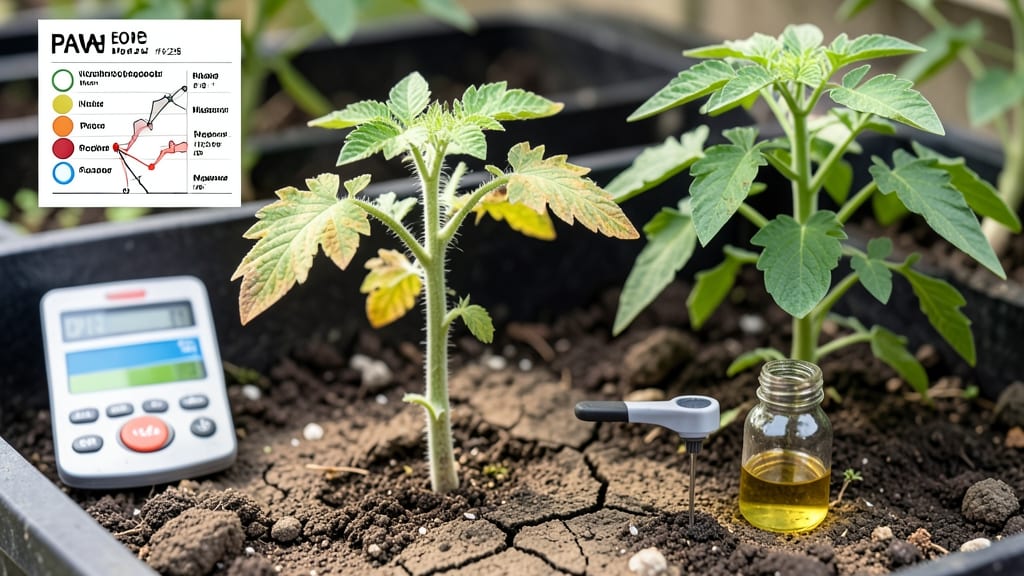
Your tomato seedlings stopped growing, and panic sets in—but root stress is often fixable with the right moves. 🌱 I’ve nursed back dozens of limp seedlings by addressing the three most common culprits: overwatering, temperature swings, and nutrient starvation.
The good news? You don’t need fancy tools, just a keen eye and a few simple adjustments.
First, check the roots: healthy ones are white and firm, while mushy or black roots scream overwatering or disease. If the soil smells sour or the seedlings lean toward light, they’re starving for air and nutrients.
Temperature’s another sneaky killer—keep them between 65-75°F during the day, and never below 55°F at night. A heat mat under trays can save a batch if your home runs cold.
Reviving them starts with one day of hands-off recovery: let the top inch of soil dry out, then water deeply but gently—no soggy bottoms.
Add a pinch of balanced fertilizer (10-10-10) to the water to jumpstart growth, and move seedlings to a bright, indirect light spot (no scorching sun yet). Within 3-5 days, you’ll see new growth or at least stabilized stems.
Prevent future stress by watering at the base (not overhead), using well-draining soil mix, and avoiding cold drafts. A seedling heat mat and grow lights are worth the investment if your space is tricky. With these tweaks, your seedlings will bounce back—and you’ll spot problems early next time.
Root Stress Behind Stunted Growth
When your tomato seedlings suddenly halt their upward climb, the issue often traces back to their roots—those unseen workhorses beneath the soil. Root stress disrupts nutrient and water uptake, stalling growth before it even begins.
Below, we break down the key culprits and why they sabotage your seedlings, so you can diagnose and fix the problem fast.
Tomato seedlings need space to breathe—literally. When roots become root-bound (crowded in small containers or over-sown trays), they compete aggressively for resources. This triggers a survival response: the plant redirects energy toward root expansion instead of shoot growth, leaving your seedlings stunted and leggy.
- Signs: Roots circling the pot’s edge, slow or no new leaf growth, yellowing lower leaves.
- Why it matters: Overcrowded roots also increase humidity around the base, inviting Pythium or Fusarium fungal infections, which further stress the plant.
- Quick fix: Transplant seedlings into individual 4-inch pots with well-draining soil immediately if roots are visible at the surface.
Roots thrive in a Goldilocks zone—not soggy, not parched. Both extremes disrupt cellular processes, halting growth.
| Issue | Root Reaction | Visible Signs |
|---|---|---|
| Overwatering | Roots suffocate from lack of oxygen (anaerobic stress), leading to ethylene gas buildup, which triggers leaf drop and stunted stems. | Black, mushy roots; wilting despite wet soil; foul odor. |
| Underwatering | Roots shrink (plasmolysis) as cells lose turgor pressure, halting nutrient transport. The plant conserves energy by stalling growth. | Crispy, brown root tips; dry soil pulling away from pot edges; curled leaves. |
Pro tip: 🌡️ Use your finger to check soil moisture 1 inch below the surface—it should feel like a damp sponge, not a swamp or a brick.
Tomato roots prefer a cozy 60–75°F (15–24°C) range. Outside this zone, root activity grinds to a halt:
- Cold stress (<50°F/10°C): Cell membranes stiffen, slowing nutrient absorption. Seedlings may appear "sleepy" with purplish stems (a sign of phosphorus deficiency).
- Heat stress (>85°F/30°C): Roots overheat, leading to oxidative damage and reduced water uptake. Leaves may yellow or scorch.
Actionable fix: Move seedlings to a consistently warm spot (e.g., near a heat mat for cold snaps or in partial shade for heatwaves). Avoid drafts or direct sunlight on containers.
Pathogens like Phytophthora (water mold) or Erwinia (soft rot) attack roots, blocking nutrient flow and causing sudden growth stops. These thrive in compacted, waterlogged soil or from contaminated tools/seeds.
- Red flags:
- Roots turn brown/black and smell foul.
- Seedlings wilt even when watered.
- Stems soften or ooze at the base.
- Prevention: Sterilize pots with a 10% bleach solution, use pasteurized soil, and avoid overhead watering.
- Treatment: Prune infected roots with sterilized scissors, repot in fresh soil, and apply a hydrogen peroxide spray (1 tbsp per quart of water) to the roots.
Roots need a balanced diet of nitrogen (N), phosphorus (P), and potassium (K) to fuel growth. A deficiency in any of these causes seedlings to pause development while the plant prioritizes survival.
| Deficiency | Root Impact | Leaf Symptoms |
|---|---|---|
| Nitrogen (N) | Roots grow slowly; mycorrhizal fungi (beneficial soil partners) struggle to form. | Older leaves yellow (chlorosis) but stay green along veins. |
| Phosphorus (P) | Root tips darken; reduced energy for cell division. | Purple/bronze stems and leaf undersides. |
| Potassium (K) | Weak root structure; higher susceptibility to disease. | Yellowing leaf edges ("scorching") with green centers. |
Solution: 💡 Use a balanced fertilizer (e.g., 5-5-5 or 10-10-10) at half-strength. For organic growers, try compost tea or a diluted fish emulsion (1 tbsp/gallon).
Revive Your Stalled Seedlings Fast
When your tomato seedlings hit a growth standstill, the good news is that most issues have quick fixes—especially if you catch them early. Below, we’ll map the most common causes to practical, step-by-step solutions, plus pro tips to keep your plants thriving long-term.
Think of this as your emergency rescue guide for root stress and stunted growth.
Symptoms: Yellowing leaves, mushy stems, wilting despite wet soil, or seedlings leaning weakly.
How to Fix It:
- 🚰 Stop Watering Immediately
- Let the soil dry out completely for 1–2 days. Overwatering suffocates roots by cutting off oxygen.
- 🧹 Repot or Adjust the Container
- If seedlings are in soggy soil (like compacted potting mix or a pot without drainage holes), transplant them into fresh, well-draining soil with perlite or vermiculite (20% mix).
- Pro Tip: Use a terracotta pot—it wicks away excess moisture better than plastic.
- 🌱 Encourage Root Recovery
- Once repotted, water lightly (only when the top inch of soil feels dry) and place seedlings in bright, indirect light (no harsh sun yet).
- Add a rooting hormone (like mycorrhizal fungi) to jumpstart regrowth.
Prevention: ✅ Water only when the top inch of soil is dry—stick your finger in to check! ✅ Use containers with drainage holes (or drill them yourself). ✅ Avoid saucers unless you empty them after watering.
Symptoms: Crispy leaf edges, bleached or white patches, seedlings stretching weakly toward light (etiolation).
How to Fix It:
- 🌿 Move to Indirect Light
- Shift seedlings to a shady spot (east-facing window or under a sheer curtain) for 3–5 days. Avoid direct midday sun.
- 💦 Hydrate & Cool Down
- Water gently at the soil base (not overhead) to prevent leaf scorch.
- Place a fan on low nearby to improve air circulation and reduce heat buildup.
- 🌱 Gradually Acclimate
- After 5 days, introduce 1–2 hours of morning sun daily, increasing exposure slowly over a week.
Prevention: ✅ Start with 6–8 hours of light/day (grow lights work great for seedlings). ✅ Avoid placing near hot windows or under grow lights 24/7. ✅ Use reflective surfaces (like aluminum foil on shelves) to bounce light without burning.
Symptoms: Pale yellow leaves (nitrogen deficiency), purple stems (phosphorus deficiency), or seedlings growing too fast with weak stems.
How to Fix It:
- 🧪 Test Your Soil (or Guess Right)
- If leaves are yellow between veins, flush the soil with water to remove excess salts from fertilizers.
- If leaves are purple or stunted, mix in a balanced fertilizer (10-10-10 or 5-5-5) at half strength.
- 🍽️ Feed the Roots Right
- For nitrogen deficiency: Add compost tea or a fish emulsion (diluted to 1 tbsp per gallon of water).
- For weak stems: Switch to a low-nitrogen, high-phosphorus fertilizer (like 3-12-6) to boost root growth.
- 🚫 Avoid Fertilizer Burn
- Wait 1–2 weeks after repotting before fertilizing again.
- Pro Tip: Worm castings are a gentle, nutrient-rich amendment for recovery.
Prevention: ✅ Fertilize seedlings lightly—they only need a weak solution (¼ strength) every 2–3 weeks. ✅ Rotate fertilizers to avoid imbalances (e.g., alternate fish emulsion with compost). ✅ Use slow-release granules instead of liquid fertilizers for steady nutrition.
Symptoms: Holes in leaves, sticky residue (aphids), black spots (fungus), or seedlings wilting suddenly.
How to Fix It:
- 🔍 Identify the Culprit
- Aphids/spider mites? Spray with neem oil (1 tsp per quart of water + a drop of dish soap).
- Fungal issues (like damping-off)? Remove affected seedlings and sterilize pots with a 10% hydrogen peroxide solution (1 part peroxide to 9 parts water).
- 🌿 Boost Seedling Immunity
- Baking soda spray (1 tsp baking soda + 1 quart water + a drop of soap) helps prevent fungal growth.
- Garlic or chili pepper spray (blend 1 garlic clove + 1 tbsp cayenne + 1 quart water) deters pests naturally.
- 🌱 Isolate & Quarantine
- Move healthy seedlings to a clean area away from infected plants.
Prevention: ✅ Inspect seedlings daily for early signs of pests or mold. ✅ Space seedlings 1–2 inches apart to improve airflow. ✅ Sterilize tools and pots between uses (rubbing alcohol works).
Need an extra push?
Try these fast-acting fixes: - 🌱 Epsom Salt Soak (1 tbsp per gallon of water) for magnesium deficiency (yellow leaves). - 🍄 Mycorrhizal Fungi (sprinkle on roots when repotting) to enhance nutrient uptake. - 🌿 Companion Planting (like basil or marigolds nearby) to repel pests naturally.
Remember: Most stalled seedlings rebound within 3–7 days if you address the root cause (literally!). Monitor their progress and adjust care as they grow. Happy gardening! 🍅🌱
Frequently asked questions
Why do my tomato seedlings stop growing even though I water them daily?
Daily watering can actually suffocate roots by cutting off oxygen, causing anaerobic stress. Check if the soil feels soggy or smells sour—this means you're overwatering. Let the top inch dry out between waterings, and ensure pots have drainage holes to prevent root rot.
What should I do if my tomato seedlings look leggy and weak?
Leggy seedlings need more light! Move them to a bright spot with 6-8 hours of indirect sunlight daily (east-facing window or grow lights). Avoid direct midday sun, which can scorch tender leaves. Use reflective surfaces like aluminum foil to maximize light exposure.
How can I tell if my seedlings have root rot?
Root rot shows as black, mushy roots that smell foul. The seedlings may wilt despite wet soil or develop yellow leaves. If you suspect root rot, remove affected plants immediately, sterilize pots with a 10% bleach solution, and repot healthy seedlings in fresh, well-draining soil.
Is it too late to save my tomato seedlings if they've stopped growing for a week?
Not necessarily! Start by checking roots for damage and repotting in fresh soil. Give them bright indirect light and a gentle fertilizer (like diluted fish emulsion) to jumpstart growth. Most seedlings recover within 3-7 days if the root system is still healthy.
What's the best way to prevent tomato seedlings from stalling in the future?
Use well-draining soil mixes with perlite or vermiculite, water only when the top inch is dry, and maintain temperatures between 65-75°F. Start with individual 4-inch pots to prevent overcrowding, and provide consistent light from day one.