
Watering
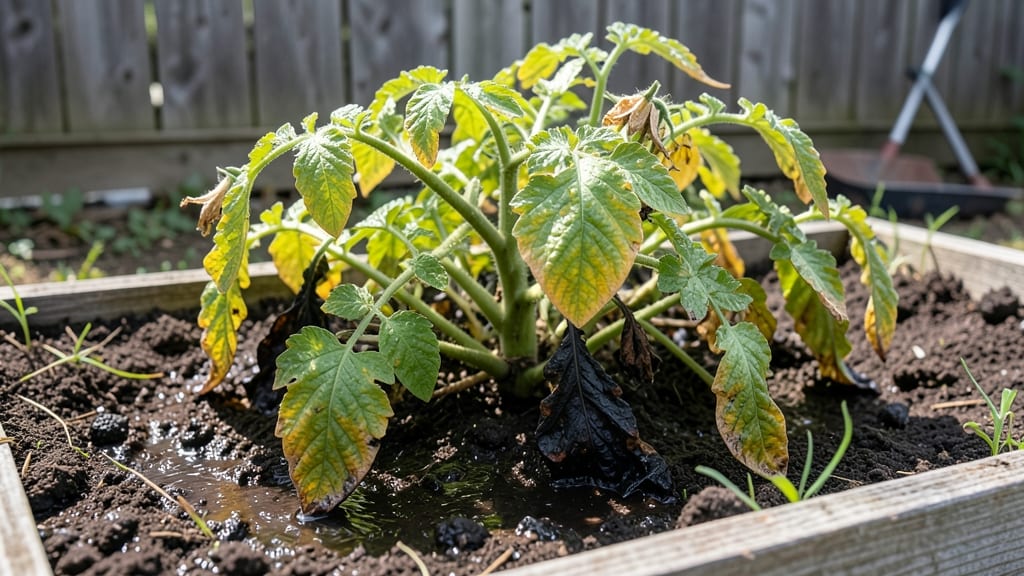
Overwatered tomato plants reveal themselves through yellow leaves, drooping stems, and a sad, soggy look—like a plant that's drowning instead of thriving. 🌱 I’ve seen this happen more times than I’d like to admit, usually after a well-meaning gardener turns the hose on too long. The first sign?
Leaves turning yellow and mushy, especially at the bottom, while the soil stays clingy and refuses to dry out. The real damage happens below ground: roots suffocate from lack of oxygen, leading to root rot and blossom end rot on the fruit.
Your plant might even develop a white, fuzzy mold (that’s powdery mildew, another overwatering side effect). The good news? Catching it early means you can save your tomatoes with the right adjustments—like letting the soil dry out between waterings and improving drainage.
By the time you see these symptoms, your plant is already stressed, but proper care can bring it back. Cut back on watering immediately, loosen compacted soil, and consider adding compost to help roots recover.
Within a week, you’ll see new green growth pushing through if the roots aren’t completely rotted. Prevention is simpler than fixing it: water deeply but only when the top inch of soil is dry, and make sure your pots or garden beds have drainage holes.
Overwatering is a common mistake, but once you recognize the signs, you’ll spot it before your tomatoes turn into a sad, sad sight.
Root Causes Of Overwatering
Overwatering tomato plants is a common yet often unintentional mistake that can stifle their growth and productivity. Understanding the why behind this issue helps you take corrective action before it’s too late. Let’s break down the key factors that lead to soggy soil and stressed plants.
Tomatoes thrive in well-draining soil, but if your garden bed, pots, or containers lack proper drainage, excess water pools around the roots instead of draining away. This creates an anaerobic (oxygen-deprived) environment, which suffocates roots and prevents them from absorbing nutrients efficiently.
- Clay-heavy soil holds water like a sponge, slowing drainage and promoting root rot.
- Compacted soil from foot traffic or heavy machinery restricts water movement.
- Lack of amendments like perlite, sand, or compost can worsen water retention.
- Improper pot selection—containers without drainage holes trap moisture, turning roots into a soggy mess.
💡 Pro Tip: Test your soil’s drainage by filling a container with water, then timing how long it takes to drain. If it takes longer than 30 minutes, amend your soil with organic matter or use raised beds.
While tomatoes love consistent moisture, overzealous or unpredictable watering can drown them just as surely as underwatering. Common mistakes include:
- Watering on a fixed schedule (e.g., every day at 9 AM) without checking soil moisture.
- Ignoring weather conditions—heavy rain followed by additional watering doubles the stress on roots.
- Using sprinklers or overhead watering that soak leaves and soil unevenly, leading to fungal diseases and uneven moisture levels.
- Waterlogging after drought—suddenly giving a thirsty plant too much water at once can shock the roots.
Why it matters: Tomato roots need aeration to function. When soil stays soggy, beneficial microbes that help roots absorb nutrients die off, and harmful pathogens like Phytophthora and Pythium thrive.
When tomato plants are spaced too closely, their roots compete for the same shallow layer of soil. This leads to:
- Poor air circulation between plants, increasing humidity and fungal risks.
- Uneven water distribution—outer plants get more water, while inner ones sit in damp, shaded soil.
- Stressed root systems that can’t expand properly, making them more susceptible to rot.
Science note: Roots need oxygen to respire. In crowded conditions, the soil’s porosity decreases, trapping water and limiting root growth. For tomatoes, aim for 18–24 inches between plants (or follow variety-specific spacing guidelines).
Extreme or fluctuating environmental conditions can trick gardeners into overwatering. For example:
- High humidity (common in greenhouses or rainy seasons) slows evaporation, making soil stay damp longer.
- Cool soil temperatures (below 60°F/15°C) reduce root activity, so plants can’t absorb excess water efficiently.
- Wind or heat stress might make you water more frequently, only to realize the plant is already waterlogged.
🔥 Key Insight: Tomato roots stop growing in waterlogged soil, even if the plant appears thirsty above ground. Always check soil moisture 1–2 inches deep with your finger before watering.
Now that you know the root causes, the next step is identifying symptoms and fixing the problem before your tomato plants throw in the towel. 🍅💦
How to Fix Overwatered Tomato Plants
Overwatering can turn your thriving tomato plants into sad, soggy messes—but don’t worry! With the right steps, you can revive them and prevent future disasters. Below, we’ll map out cause-specific fixes and share prevention tips to keep your plants happy and productive.
If your tomato plant’s leaves are turning yellow (especially the older ones) and feel mushy, root rot is likely the culprit. Here’s how to tackle it:
🔥 Step 1: Stop Watering Immediately
- Cut off all water for at least 3–5 days to let the soil dry out. This helps prevent further root damage.
- Avoid wetting the leaves—water only at the base to reduce fungal risks.
🍳 Step 2: Check the Roots
- Gently dig around the plant (be careful not to damage roots further) to inspect for:
- Black, mushy roots (sign of rot).
- Healthy white or tan roots (good—these can recover).
- If roots are severely rotten, trim them with sterilized scissors.
👨🍳 Step 3: Repot or Improve Drainage
- Option A (Mild Cases): Mix in perlite, sand, or compost to improve drainage in the existing pot.
- Option B (Severe Cases): Repot the plant in fresh, well-draining soil with 10–20% perlite or vermiculite.
Choose a pot with drainage holes if not already present. - Pro Tip: 💡 Add a 1-inch layer of gravel at the bottom of the pot to boost drainage.
🥘 Step 4: Adjust Future Watering
- Water only when the top 1–2 inches of soil are dry (stick your finger in to check!).
- Water deeply but infrequently—tomatoes hate soggy roots but love consistent moisture.
- Morning watering is best—it gives leaves time to dry, reducing fungal diseases.
If your tomato plant is wilting, limp, or collapsing, it’s likely suffering from overwatering + poor oxygen in the roots. Act fast:
⏰ Step 1: Provide Immediate Support
- Stake or cage the plant to prevent stems from breaking under the weight of fruit.
- Prune any severely damaged leaves (but leave healthy ones to photosynthesize).
🔪 Step 2: Improve Airflow & Soil
- Space plants 18–24 inches apart to allow air circulation.
- Loosen compacted soil around the roots (use a fork gently) to help oxygen reach them.
- Add organic matter (like compost or coconut coir) to improve soil structure.
🌡️ Step 3: Monitor & Recover
- Resume watering lightly (every 3–4 days) once the plant shows signs of recovery (firmer stems, perky leaves).
- Avoid fertilizing until the plant recovers—roots need to heal first.
Once your plant is back on track, prevent overwatering with these habits:
✅ 🌡️ Use the "Finger Test" – Stick your finger 1–2 inches into the soil.
If it’s damp, wait before watering. ✅ 💡 Invest in a Moisture Meter – These handy tools tell you exactly when soil needs water. ✅ ⏳ Water Deeply, Less Often – A 10–15 minute deep watering (until water runs out the drainage hole) is better than daily shallow drinks. ✅ 🏺 Choose the Right Pot – Terracotta pots dry faster than plastic; ensure drainage holes are present. ✅ 🍅 Mulch to Retain Moisture (Without Overdoing It) – Use straw or shredded leaves to keep soil moist but not soggy. ✅ 🌧️ Adjust for Weather – Water less in rain and more during hot, dry spells.
If your tomato plant:
- Has no healthy roots left (completely black and mushy).
- Falls over easily with no green leaves.
- Smells foul (a sign of severe rot).
It’s time to start over. But don’t lose hope—use the compost from the old plant (if no disease) as fertilizer for your next batch! 🌱
Your tomatoes will bounce back with the right care. Now that you know the signs and fixes, you’re ready to grow juicy, healthy tomatoes all season long! 🍅🔥
Frequently asked questions
Why do the youngest leaves turn yellow first when my tomato plant is overwatered?
That's actually a sign of underwatering, not overwatering! With overwatering, older leaves (near the bottom) yellow first because they're the first to suffer from root stress. Young leaves stay green longer. If you see yellowing starting at the top, check for underwatering or nutrient deficiencies instead.
Can I still save my tomato plant if the stems feel soft and mushy?
If stems are mushy, your plant is likely in advanced root rot and may not recover. However, try this: Cut back all damaged foliage, repot in fresh, sterile soil with 50% perlite, and water lightly only when the top inch is completely dry. If new growth appears within 10 days, it's worth saving.
How can I tell if my tomato plant is overwatered vs. just wilting from heat?
Check the soil moisture and leaf texture:
- Overwatered: Cold, clingy soil + yellow, mushy leaves
- Heat-stressed: Dry soil + crispy leaf edges + leaves still firm Pro tip: Lift the pot—if it feels heavy, it's likely overwatered.
Will adding more fertilizer help my overwatered tomato plant recover?
No! Fertilizer will worsen root damage by encouraging new growth while roots are still struggling. Wait until you see healthy new leaves (about 2 weeks after adjusting watering) before adding balanced fertilizer. Start with half-strength to avoid shocking the plant.
Can overwatering cause blossom end rot in tomatoes?
Yes—inconsistent moisture (like overwatering followed by drought) is a major cause of blossom end rot. The calcium uptake gets disrupted when roots can't function properly. To prevent it, maintain even moisture and add crushed eggshells to soil for extra calcium.