
How To
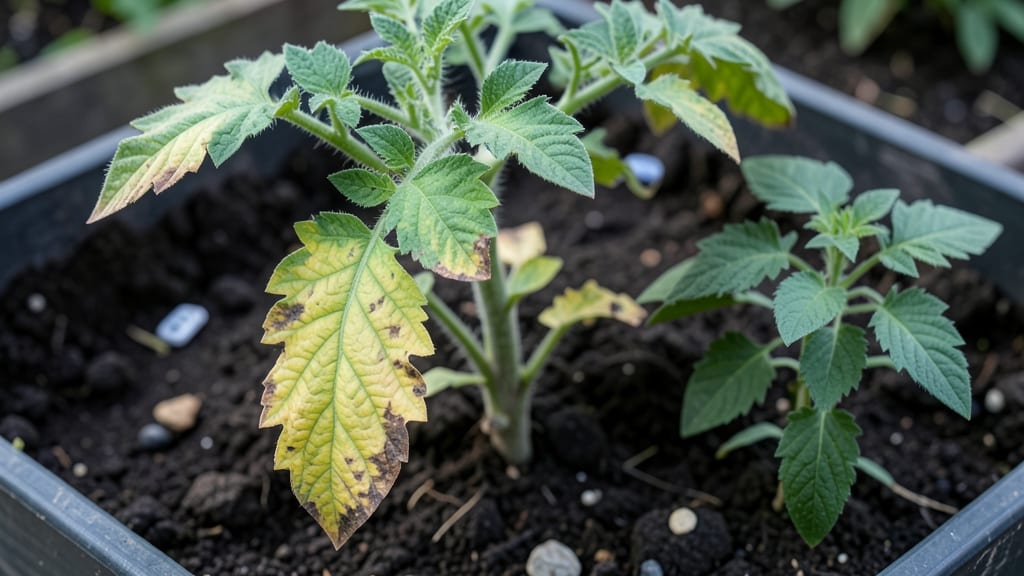
Your tomato seedlings' leaves turning yellow isn’t a death sentence—it’s a clear signal to adjust care. ✨ The first step is checking soil moisture: overwatering smothers roots, while thirsty plants wilt and yellow.
I’ve saved countless seedlings by simply letting the top inch dry between waterings, and the difference is night-and-day. Most yellowing stems from either too much water or not enough nutrients. Start by testing soil moisture with your finger—if it’s damp, hold off on watering.
If the soil feels bone-dry, it’s time to adjust your routine. A balanced fertilizer (like 10-10-10) can revive nutrient-starved seedlings in just a few days. The fix is simple: water only when needed, fertilize lightly, and keep seedlings in bright, indirect light.
Within a week, you’ll see fresh green growth pushing back. The key is consistency—overwatering or underwatering both stress plants, and they’ll bounce back faster with steady care. Prevent future issues by using well-draining soil and pots with drainage holes.
If yellowing persists after adjusting water and nutrients, check for pests or disease—those need a different approach. But in 90% of cases, it’s just a water or feeding issue.
Root Causes Behind Yellowing Seedling Leaves
When your tomato seedlings’ leaves start turning yellow, it’s rarely a random act of nature—it’s usually a direct signal from the plant about an underlying issue. Understanding the why behind the discoloration is the first step to saving your seedlings before the problem spreads.
Below, we break down the most common culprits, explained in simple terms with actionable science.
Yellowing leaves are often a waterlogged warning. When seedlings sit in soggy soil for too long, their roots suffocate from a lack of oxygen. This triggers a process called hypoxia, where the plant’s cells struggle to respire properly.
Overwatering also leaches essential nutrients (like nitrogen) out of the soil, leaving seedlings starved and stressed.
🔍 How to spot it:
- Wilting despite wet soil (roots can’t absorb water efficiently).
- Yellowing starts at the bottom leaves and moves upward.
- Soil smells sour or moldy.
- Seedling pot feels heavy with water.
💡 Pro Tip: Stick your finger 1 inch into the soil—if it’s damp after 24 hours, you’re overwatering. Tomato seedlings prefer soil that’s moist but not soggy. Use pots with drainage holes and a well-draining mix (like 60% potting soil, 30% perlite, 10% compost).
Yellow leaves can scream “Feed me!” when seedlings lack key nutrients. The most common deficiencies in tomato seedlings are:
| Nutrient | Yellowing Pattern | Why It Happens |
|---|---|---|
| Nitrogen (N) | Older leaves turn pale yellow (chlorosis) first. | Nitrogen is vital for chlorophyll production. Without it, leaves can’t photosynthesize efficiently. |
| Magnesium (Mg) | Yellowing appears between leaf veins (interveinal chlorosis). | Magnesium is the center of the chlorophyll molecule. Deficiency often occurs in alkaline soils or when other nutrients (like calcium) block its uptake. |
| Iron (Fe) | Young leaves turn bright yellow while veins stay green. | Iron is crucial for chlorophyll but becomes unavailable in alkaline or compacted soils. Seedlings can’t access it even if it’s present. |
💡 Pro Tip: Test your soil’s pH (ideal for tomatoes: 6.0–6.8). If it’s too high, amend with sulfur or peat moss. For quick fixes, use a balanced fertilizer (10-10-10) or a chelated iron supplement for severe cases.
Pathogens like Fusarium wilt, early blight, or Pythium thrive in damp, nutrient-rich seedling environments. These infections disrupt the plant’s vascular system, blocking water and nutrient flow. Yellowing often appears alongside:
- Dark, water-soaked spots on leaves or stems.
- Wilting that doesn’t improve with water.
- Fuzzy mold growth on soil or stems.
- Stunted growth despite healthy-looking soil.
🔥 Red Flag: If yellowing is paired with blackened stems or leaf drop, act fast—fungal infections can kill seedlings in days.
💡 Pro Tip: Prevent infections by:
- Sterilizing pots with a 10% bleach solution before reuse.
- Avoiding overhead watering (use a drip irrigation system or water at the base).
- Adding neem oil or baking soda spray (1 tsp baking soda + 1 quart water) as a preventive.
Tomato seedlings are sensitive to extremes. Sudden changes in temperature, light, or humidity can cause yellowing as the plant diverts energy to survival mode. Common triggers include:
- Cold drafts (e.g., near AC vents or open windows).
- Inconsistent light (e.g., moving from a sunny windowsill to a dark corner).
- Heat stress (leaves >85°F can scorch, turning yellow and crispy).
- Transplant shock after repotting (roots disturbed = nutrient uptake halted).
🎯 Quick Fixes:
- Move seedlings to a consistent 70–75°F spot (use a heat mat if needed).
- Provide 14–16 hours of light daily (grow lights help if natural light is weak).
- Acclimate seedlings to outdoor conditions gradually (harden off over 7–10 days).
💡 Remember: Yellow leaves are a diagnostic tool. The key is observing where and how the yellowing starts—this tells you exactly what’s wrong. Once you pinpoint the cause, the fix is usually straightforward. Stay vigilant, and your seedlings will bounce back stronger!
Quick Fixes for Wilted Seedling Leaves
Now that you’ve identified why your tomato seedlings’ leaves are turning yellow, it’s time to take action! The right fix depends on the root cause—whether it’s overwatering, nutrient deficiency, disease, or pests. Below are practical, step-by-step solutions for each common issue, plus prevention tips to keep your seedlings thriving.
Signs: Yellowing leaves, mushy stems, or waterlogged soil that stays soggy for days.
🔥 Step 1: Adjust Your Watering Routine
- Check soil moisture before watering: Stick your finger 1 inch deep into the soil. If it’s damp, wait.
If it’s dry, water lightly. - Water deeply but less often: Seedlings prefer bottom-watering (place the tray in a shallow dish of water for 10–15 minutes) to avoid soggy tops. - Use well-draining soil mix: If your potting mix is heavy (like garden soil), amend it with perlite or coconut coir (20% mix) to improve airflow.
👨🍳 Step 2: Improve Drainage
- Repot if needed: If roots are circling or the pot has no drainage holes, transfer seedlings to smaller pots with holes (2–3 inches deep).
- Raise pots off surfaces: Place them on pebbles or a wire mesh to prevent water pooling.
⏰ Step 3: Let the Soil Dry Between Waterings
- Morning watering is best: Avoid evening watering to prevent fungal growth.
- Yellow leaves? Trim the most affected leaves (sterilize scissors with rubbing alcohol) to redirect energy to healthy growth.
💡 Prevention Tip: Use a moisture meter or spray bottle for gentle misting instead of drowning seedlings.
Signs: Pale yellow leaves (especially older ones), stunted growth, or purple stems (nitrogen/phosphorus lack).
🍳 Step 1: Test Your Soil (DIY or Kit)
- pH check: Tomatoes thrive in 6.0–6.8 pH. Use a soil test kit (available at garden centers) or vinegar/baking soda test:
- Vinegar test (acidic soil): Sprinkle vinegar on soil.
If it fizzes, your soil is alkaline (add sulfur). - Baking soda test (alkaline soil): Mix baking soda + water, apply to soil. If it fizzes, your soil is acidic (add lime).
💪 Step 2: Fertilize Smartly
- For nitrogen deficiency (yellow lower leaves):
- Apply diluted fish emulsion (5-5-5) or compost tea (1 tbsp per gallon of water).
- Organic fix: Crumble egg shells (for calcium) or banana peels (for potassium) into the soil.
- For phosphorus/magnesium (yellow edges or spots):
- Use bone meal (phosphorus) or Epsom salt (1 tsp per gallon of water, spray leaves).
🎯 Step 3: Avoid Over-Fertilizing
- Wait until seedlings have 2–3 true leaves before fertilizing.
- Weak tea is best: Half-strength fertilizer prevents burn (brown leaf tips).
🔥 Prevention Tip: Pre-mix compost into seedling soil (20%) for slow-release nutrients.
Signs: Yellow spots with black rings (early blight), moldy leaves, or tiny holes (aphids/spider mites).
🔪 Step 1: Remove Infested Parts
- Snip off yellow/spotted leaves with clean scissors and dispose of them (don’t compost).
- Isolate affected plants if pests/disease spreads.
🌡️ Step 2: Treat Fungus Naturally
- Baking soda spray: Mix 1 tsp baking soda + 1 quart water + few drops of soap. Spray every 7–10 days.
- Neem oil: 1 tbsp neem oil + 1 tsp soap + 1 quart water.
Spray early morning/evening (avoid direct sun). - Copper fungicide: For severe cases, use organic copper-based sprays.
🎯 Step 3: Prevent Future Outbreaks
- Space seedlings 12–18 inches apart for airflow.
- Water at the base (not overhead) to keep leaves dry.
- Rotate crops yearly if growing in the same spot.
✨ Prevention Tip: Solarize soil (cover with clear plastic for 4–6 weeks in summer) to kill fungal spores before planting.
Signs: Yellowing from heat stress, cold drafts, or transplant shock.
🌡️ Step 1: Shield from Extreme Conditions
- Too hot? Move seedlings to partial shade (use a shade cloth if temps exceed 90°F).
- Too cold? Use a heat mat (70–75°F) or row covers for nighttime protection.
🌱 Step 2: Harden Off Gradually
- If transplanting outdoors, acclimate seedlings over 7–10 days:
- Day 1: 1 hour outside.
- Day 3: 3 hours.
- Day 7: Full sun exposure.
💡 Prevention Tip: Use grow lights (12–16 hours/day) if natural light is weak.
Final Pro Tip: Keep a seedling care journal to track watering, fertilizing, and symptoms—it’ll help you spot patterns fast!
With these fixes, your tomato seedlings should bounce back in 1–2 weeks. 🍅🌿 Happy growing!
Frequently asked questions
Why do tomato seedlings turn yellow first on the bottom leaves?
This is usually a sign of overwatering or nitrogen deficiency. When roots struggle from soggy soil or lack nitrogen, the plant prioritizes new growth, causing older leaves to yellow first as they're "recycled" for nutrients. Check soil moisture—it should be damp but not wet at 1 inch deep.
Can I save my tomato seedlings if half the leaves are yellow?
Yes, but act fast! Trim the yellow leaves (sterilize scissors first) to redirect energy to healthy growth. Check roots—if they're mushy from overwatering, repot in fresh, well-draining soil. Within 5-7 days, new green leaves should appear if the root system is healthy.
What's the difference between yellow leaves from overwatering vs. nutrient deficiency?
Overwatering causes bottom leaves to yellow first, often with mushy stems and sour-smelling soil. Nutrient deficiency (like nitrogen) also starts at the bottom but leaves feel thin and papery, and new growth is stunted. Test soil moisture—damp soil = water issue; dry soil = likely nutrients.
How often should I fertilize tomato seedlings with yellow leaves?
Wait until seedlings have 2-3 true leaves before fertilizing. Use a balanced 10-10-10 fertilizer at half-strength every 2-3 weeks. Over-fertilizing burns roots, worsening yellowing. For organic options, try diluted fish emulsion or compost tea instead.
Are my tomato seedlings dying if leaves turn yellow and fall off?
Not necessarily! If only a few leaves yellow and drop while new green leaves grow, your seedlings are likely just adjusting. However, if leaves turn black, stems wilt permanently, or yellowing spreads rapidly, check for fungal disease (like early blight) or root rot—these require immediate action (neem oil or repotting).