
Companion Plants
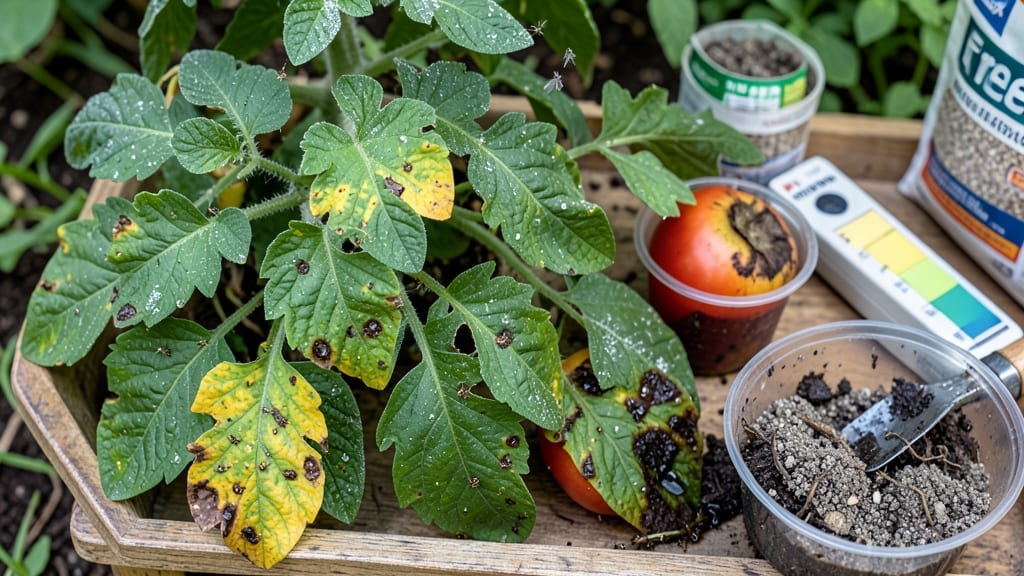
When your tomato plants turn yellow and start dying, it’s often a silent war between root rot and copper deficiency—one that vinegar and copper can turn around. 🌱 Honestly, I’ve watched entire plants wilt in days from overwatering or fungal infections, but this two-pronged fix saved my late-season harvest last August.
The key is acting fast before the roots collapse completely.
Root rot and nutrient deficiencies look nearly identical—yellowing leaves, stunted growth, and a sad, limp vine—but the fixes couldn’t be more different. Overwatering or poor drainage causes rot, while copper deficiency (common in alkaline soils) starves the plant’s energy system.
A simple soil test or vinegar spray test can tell you which villain you’re fighting, and both can be stopped with the right combo.
You’ll see new green leaves within 10-14 days of treatment if the roots are still salvageable. The vinegar kills fungal spores, while copper strengthens the plant’s defenses. It’s not a miracle cure for dead plants, but for struggling ones, it’s the difference between compost and dinner table.
Works for both container and in-ground tomatoes, and the ingredients cost pennies compared to fungicides. The real secret? Catching it early—before the leaves turn brown and crispy. Let’s get those plants back in fighting shape.
Root Causes Behind Wilted Tomatoes
If your tomato plants are turning yellow and dying, don’t panic—there’s usually a logical explanation behind the distress. Understanding the root cause (literally and figuratively) is the first step to saving your crop.
Below, we break down the most common reasons your tomato plants are struggling, from soil issues to pests and diseases, with actionable insights to help you diagnose the problem.
Tomatoes thrive in well-draining soil, but when roots sit in soggy conditions, they suffocate and rot. Overwatering—especially in heavy clay or compacted soil—traps excess moisture, cutting off oxygen to the roots.
This leads to root rot (often caused by fungi like Phytophthora or Pythium), which turns leaves yellow, wilts stems, and can kill the plant within days.
How to spot it:
- Yellowing leaves starting from the bottom of the plant.
- Mushy, discolored roots when pulled gently from the soil.
- Stems that feel soft or hollow when pressed.
Quick fix: Amend soil with compost or perlite to improve drainage. Water deeply but infrequently, allowing the top 1–2 inches of soil to dry between waterings. If root rot is confirmed, prune affected roots and treat with a vinegar-copper fungicide solution (more on that later!).
Fungal pathogens love damp, warm conditions—perfect for tomato plants. Root rot (as mentioned above) and early blight (Alternaria solani) are two of the most destructive culprits.
Early blight starts as small, dark spots on lower leaves, spreading upward while yellowing the foliage. Root rot, meanwhile, attacks from the ground up, causing systemic collapse.
How to spot it:
| Disease | Symptoms | Affected Area |
|---|---|---|
| Root Rot | Yellowing leaves, wilting, black/mushy roots, foul smell. | Roots, stems, lower leaves. |
| Early Blight | Concentric rings on leaves, yellowing between veins, brown stems. | Lower leaves (spreads upward). |
Quick fix:
- For early blight: Remove infected leaves immediately and apply a copper fungicide spray (1 tsp copper sulfate per gallon of water). Space plants 18–24 inches apart for better airflow.
- For root rot: Stop watering until soil dries, then repot in fresh, sterile soil. Add 1 part white vinegar to 3 parts water as a natural fungicide (spray on soil, not leaves).
Tiny invaders can drain your tomato plants of vital nutrients, causing yellowing and stunted growth. Aphids suck sap, leaving sticky residue (honeydew) that fosters sooty mold. Spider mites create fine webs and cause speckled yellowing, while root-knot nematodes (microscopic worms) attack roots, reducing water and nutrient uptake.
How to spot it:
- Aphids: Curled leaves, sticky residue, tiny green/black bugs clustered on stems.
- Spider mites: Yellow stippling on leaves, fine webbing on undersides.
- Nematodes: Stunted growth, yellowing leaves, gnarled roots when dug up.
Quick fix:
- Spray neem oil (1 tsp per quart of water) or soapy water (1 tbsp mild soap per gallon) to kill aphids and mites.
- For nematodes: Solarize soil (cover with clear plastic for 4–6 weeks in hot weather) or plant marigolds or nematode-resistant tomato varieties (like ‘Defiant’ or ‘Mountain Merit’).
Tomatoes are sensitive to extreme temperatures and nutrient imbalances. Heat stress (above 90°F) causes leaves to yellow and drop, while cold snaps stunt growth and invite disease. Nutrient deficiencies, particularly nitrogen (yellowing lower leaves), magnesium (yellow between veins), or potassium (weak stems, brown edges), weaken plants.
How to spot it:
| Issue | Symptoms | Solution |
|---|---|---|
| Nitrogen Deficiency | Pale yellow lower leaves, stunted growth. | Add compost or a balanced fertilizer (10-10-10). |
| Magnesium Deficiency | Yellow patches between leaf veins ("interveinal chlorosis"). | Spray leaves with Epsom salt solution (1 tbsp per gallon of water). |
| Potassium Deficiency | Yellowing at leaf edges, weak stems, poor fruit set. | Apply wood ash or potassium sulfate. |
Quick fix for environmental stress:
- Provide shade cloth during heatwaves or use mulch to regulate soil temperature.
- Hardened tomato plants can tolerate 50–85°F; protect seedlings with row covers if nights dip below 50°F.
- Test soil pH (aim for 6.0–6.8) and amend with lime (to raise pH) or sulfur (to lower it) if needed.
Even healthy tomato plants can yellow and wilt if they’re transplanted incorrectly or buried too deep. Roots damaged during moving or stems buried under soil can’t absorb water efficiently, leading to stress. Additionally, overcrowding competes for nutrients and airflow, inviting disease.
How to spot it:
- Yellowing leaves within 1–2 weeks of transplanting.
- Stems with exposed roots or soil packed too tightly around the base.
- Plants growing slowly or not at all.
Quick fix:
- When transplanting, bury stems only up to the first set of leaves (not deeper).
- Space
Revive Your Tomatoes Naturally
Now that you know the likely culprits behind your tomato plants turning yellow and dying, let’s roll up our sleeves and get them back to thriving! The good news? Most issues have simple, effective fixes—often using items you already have at home.
Below, we’ll tackle each cause with step-by-step solutions, plus prevention tips to keep your plants healthy long-term.
Signs: Yellowing leaves (especially lower ones), mushy stems, foul odor at the base, slow wilting.
How to Treat It:
- 🚰 Stop Watering Immediately
- Let the soil dry out completely before watering again. Stick your finger 1–2 inches into the soil—if it’s damp, wait another day.
- 🧼 Clean Up the Roots
- Gently remove the plant from its pot or soil. Rinse the roots with water to wash away excess salts and bacteria.
- Trim any black, mushy roots with sterilized scissors (dip in rubbing alcohol or boil for 5 minutes).
- 🍶 Vinegar & Copper Rescue - Mix 1 part white vinegar + 1 part water in a spray bottle.
Lightly spray the roots and soil (avoid overdoing it—vinegar is acidic!). - For extra fungal/bacterial protection, add 1 tsp copper sulfate per gallon of water (or use a pre-made copper fungicide). Soak the roots for 10 minutes, then replant in fresh, dry soil.
- 🏡 Repot in Well-Draining Soil
- Use a pot with drainage holes and a mix of potting soil + perlite or sand (50/50 ratio) to improve aeration.
- Pro Tip: Add a handful of orchid bark or coco coir to boost drainage further. ✨
Prevention Tips:
- Water only when the top 1–2 inches of soil are dry (morning watering is best—so leaves dry by night).
- Avoid saucers under pots unless they have drainage holes (or empty them after watering).
- Mulch with straw or wood chips to regulate soil moisture.
Signs: Crispy, yellowing edges on leaves, wilting even after watering, dry soil pulling away from pot sides.
How to Treat It:
- 💦 Deep Watering Session
- Water until it drains from the bottom of the pot. Repeat every 2–3 days in hot weather (check soil moisture daily).
- 🌿 Shade & Cool Relief
- Move plants to partial shade (especially 11 AM–3 PM) if temperatures exceed 85°F (29°C).
- Mist leaves lightly in the early morning to cool them down (avoid evening misting—fungal risk!).
- 🌱 Boost Humidity
- Place pots on a tray of pebbles filled with water (ensure the pot isn’t sitting in water).
- Group plants together to create a micro-climate.
Prevention Tips:
- Drip irrigation or soaker hoses deliver water directly to roots without wetting leaves (reduces evaporation).
- Reflective mulch (white plastic or gravel) can lower soil temps by up to 10°F (5°C).
- Choose heat-tolerant varieties like ‘Solar Fire’ or ‘Heatmaster’ tomatoes for future crops.
Signs: Yellow spots with concentric rings (early blight), brown lesions on leaves/fruit (late blight), white powdery coating (mildew).
How to Treat It:
- 🧹 Prune & Remove Infected Parts
- Snip off yellow/brown leaves (including stems) and dispose of them in the trash (not compost!). Sterilize shears with rubbing alcohol between cuts.
- 🍶 Vinegar Spray (Early Stages)
- Mix 1 tbsp baking soda + 1 tsp dish soap + 1 quart water + 2 tbsp vinegar. Spray every 7–10 days on undersides of leaves (early morning).
- 🔄 Copper Fungicide (Severe Cases)
- Use Bordeaux mixture (copper sulfate + lime) or a store-bought copper fungicide (follow label instructions).
- Apply at dusk to avoid leaf burn from UV rays.
- 🌬️ Improve Airflow
- Space plants 18–24 inches apart and stake them for vertical growth.
- Avoid overhead watering—use a soaker hose or water at the base.
Prevention Tips:
- Rotate crops—don’t plant tomatoes in the same spot yearly (fungi linger in soil).
- Solarize soil in fall: Cover beds with clear plastic for 4–6 weeks to kill pathogens. 🌡️
- Companion plants like marigolds, basil, or garlic repel pests and improve airflow.
Signs: Sticky residue (honeydew), tiny webs, chewed leaves, or clusters of bugs on undersides.
How to Treat It:
- 🚿 Blast Off Pests
- Spray plants with a strong stream of water to knock off aphids/whiteflies. Repeat every 3–4 days.
- 🍋 Homemade Pest Spray
- Mix 1 tbsp neem oil + 1 tsp dish soap + 1 quart water. Shake well and spray evenly on all surfaces (especially undersides). Reapply every 5–7 days.
- 🕷️ Introduce Beneficial Insects
- Release ladybugs, lacewings, or predatory mites (available at garden centers) for natural pest control.
Prevention Tips:
- Yellow sticky traps catch whiteflies before they multiply.
- Interplant with pest-repelling herbs like mint, thyme, or dill.
- Avoid broad-spectrum pesticides—they kill beneficial insects too.
Once you’ve addressed the root cause, give your tomatoes a fighting chance with these recovery boosters:
- 💪 Fertilize Lightly
- Use a balanced fertilizer (10-10-10) or compost tea 2 weeks after treatment. Avoid high-nitrogen feeds—it stresses weak plants.
- 🍅 Prune for Energy
- Remove suckers (side shoots) to redirect energy to existing fruit. Keep 3–5 main stems for best yield.
- 🌅 Morning Sun & Evening Rest
- Ensure 6–8 hours of sunlight daily but protect from midday heat if possible.
- 📅 Monitor Progress
- Check plants daily for new yellowing or wilting. Act fast—early intervention saves more plants!
Final Pro Tip: 🎯 Keep a garden journal! Note what worked (or didn’t) this season to adjust next year’s care routine. Happy gardening!
Frequently asked questions about yellowing tomato plants
Why do tomato leaves turn yellow from the bottom up?
This is often a sign of root rot or nutrient deficiency. Root rot occurs when soil stays too wet, cutting off oxygen to roots and causing yellowing from the bottom. Nutrient deficiencies (like nitrogen) also start at the bottom leaves. Check soil moisture and root health—if roots are mushy, you’ve got rot. If leaves are just pale, it’s likely nitrogen starvation.
Can I save a tomato plant with completely yellow leaves?
It depends! If the roots are still white and firm, prune all yellow leaves, improve drainage, and fertilize lightly. If roots are black/mushy, the plant is likely beyond saving. For partial yellowing, act fast—remove infected leaves, adjust watering, and treat with copper fungicide to prevent spread.
How often should I water tomato plants to prevent yellowing?
Water when the top 1–2 inches of soil are dry—usually every 2–3 days in hot weather, but check soil moisture daily. Overwatering causes root rot, while underwatering leads to wilting. Morning watering prevents fungal growth from evening moisture. Always use pots with drainage holes or well-drained garden beds.
What’s the difference between yellow leaves from overwatering vs. underwatering?
Overwatering causes bottom-up yellowing with mushy stems and foul-smelling soil, while underwatering shows crispy, dry edges and wilting even after watering. Check soil moisture—if it’s soggy, you’re overwatering; if dry and pulling away from the pot, you’re underwatering. Adjust immediately!
Will Epsom salt help yellow tomato leaves?
Yes! If yellowing appears between leaf veins (interveinal chlorosis), it’s likely a magnesium deficiency. Mix 1 tablespoon Epsom salt per gallon of water and spray leaves thoroughly. Reapply every 2 weeks for best results. For severe cases, add ½ cup Epsom salt per hole when planting.