
Companion Plants
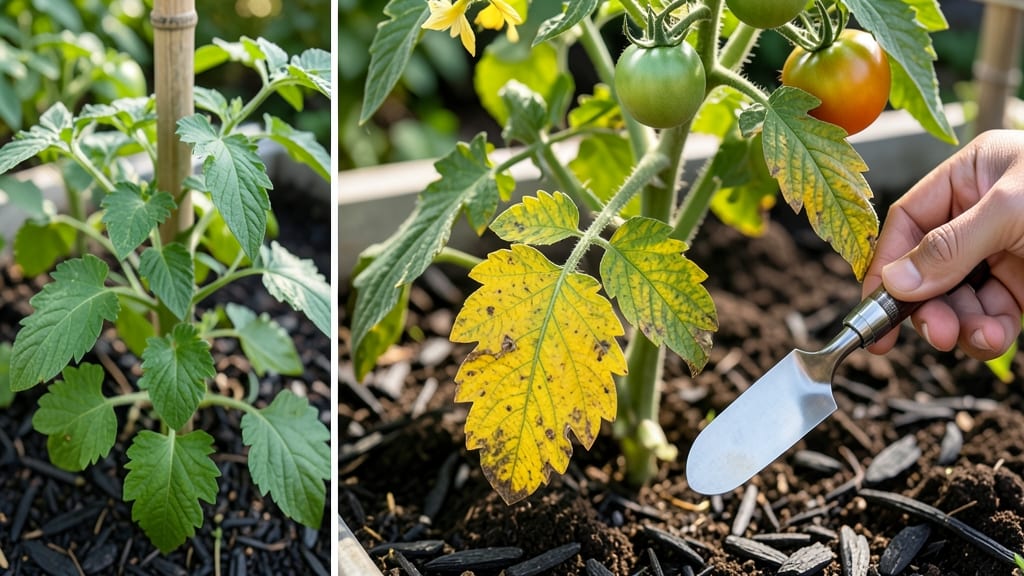
When you see tomato plants turning yellow at the bottom, it’s a clear warning sign of root rot—act fast before the plant collapses. 🌱 I've saved dozens of plants from this silent killer by acting fast—here's how to diagnose and fix it before it's too late.
The first clue is those yellow leaves starting at the bottom, often with a mushy stem when you gently tug. Overwatering, poor drainage, or fungal infections like early blight create the perfect storm.
My plants used to look like this every summer until I learned the simple fix: check soil moisture, improve drainage, and prune properly. Within 3-5 days of adjusting care, you'll see new green growth pushing up from the center.
The key is acting before the yellow spreads upward—once it hits the top leaves, the plant is fighting a losing battle. This works for container tomatoes, raised beds, or in-ground gardens—just adjust your watering routine and soil mix. Let's get those plants back to producing.
Root Causes Behind Leaf Discoloration
When your tomato plants start showing yellowing at the bottom, it’s often a cry for help from their roots—or something else lurking beneath the surface. Understanding the why behind this symptom is the first step to saving your harvest.
Below, we break down the most common culprits, explained in plain terms with actionable insights to diagnose the issue fast.
Tomatoes thrive in moist (not soggy) soil, but too much water—especially in containers or heavy clay—can drown the roots. When roots suffocate from excess moisture, they can’t absorb oxygen or nutrients, leading to anaerobic conditions.
This triggers root rot, a fungal or bacterial infection that starves the plant, causing leaves to yellow and wilt from the bottom up.
How to spot it:
- The soil stays damp for days after watering.
- Leaves yellow and feel mushy or limp.
- Roots appear dark, mushy, or smell foul when checked.
Fix it:
- Let the top 1–2 inches of soil dry out between waterings.
- Amend heavy soil with perlite or compost to improve drainage.
- Repot overwatered plants into a well-draining mix (e.g., 60% potting soil, 30% perlite, 10% vermiculite).
- For severe cases, trim affected roots with sterilized scissors and treat with a hydrogen peroxide solution (1 part 3% H₂O₂ to 10 parts water) to kill pathogens.
While overwatering is the usual suspect, chronic underwatering can also cause bottom leaves to yellow. When soil dries out completely, roots struggle to pull up water and nutrients, leading to nutrient deficiency (especially nitrogen, which fuels leaf growth).
The oldest leaves—those at the bottom—sacrifice themselves first to keep the plant alive.
How to spot it:
- Soil is bone-dry and pulls away from the pot edges.
- Leaves yellow but remain crisp (not mushy).
- New growth is stunted or curled.
Fix it:
- Water deeply until it runs out the drainage holes (aim for 1–1.5 inches per week, adjusting for climate).
- Use mulch (straw or shredded leaves) to retain moisture.
- Fertilize with a balanced organic fertilizer (10-10-10 or compost tea) to replenish nutrients.
- Move potted plants to a shadier spot to reduce water loss.
Fungal pathogens like Phytophthora, Pythium, or Fusarium thrive in wet, compacted soil and attack roots, cutting off water and nutrient flow. These infections are common in:
- Overcrowded plants (poor airflow).
- Containers without drainage holes.
- Garden beds with poor circulation.
Symptoms often mimic overwatering, but fungal root rot spreads faster and can kill plants in weeks if untreated.
How to spot it:
- Yellowing leaves paired with stunted growth or wilting.
- Roots are dark brown/black and crumble easily.
- White, fluffy fungal growth on roots (in advanced cases).
Fix it:
- Remove infected plants immediately to prevent spread.
- Disinfect tools with rubbing alcohol or a bleach solution (1 part bleach to 9 parts water).
- Repot healthy plants in sterilized soil (bake soil at 200°F for 30 minutes or use fresh potting mix).
- Apply a fungicide like copper fungicide or neem oil (follow label rates).
- Improve airflow by spacing plants 18–24 inches apart.
Nitrogen is the building block of chlorophyll, the pigment that gives leaves their green color. When soil lacks nitrogen (or other key nutrients like magnesium or iron), older leaves turn yellow—a condition called chlorosis. This is common in:
- Newly planted tomatoes (soil nutrients depleted).
- Containers with no fertilizer top-ups.
- Soil with high pH (locks out nutrients like iron).
Yellowing starts at the bottom because the plant prioritizes feeding new growth.
How to spot it:
- Yellowing is uniform (not patchy).
- Veins remain green (unlike fungal issues).
- Slow growth or small leaves.
Fix it:
- Test soil pH (ideal: 6.0–6.8); amend with sulfur if too alkaline.
- Fertilize with a nitrogen-rich amendment like:
- Blood meal (4–12% nitrogen).
- Fish emulsion (5–10% nitrogen).
- Compost or worm castings.
For magnesium deficiency (yellow patches between veins), apply Epsom salt (1 tbsp per gallon of water) every 2 weeks.
Hidden pests like root-knot nematodes, grubs, or slugs chew on roots, disrupting water and nutrient uptake. Nematodes, in particular, create galls (knobby growths) that block root function, leading to yellowing from the bottom up.
How to spot it:
- Leaves yellow and the plant grows poorly despite good water.
- Roots have small knots, holes, or slimy trails (slugs).
- Soil may have tiny white worms (nematodes) when rinsed.
Fix it:
- Handpick slugs at night (use beer traps or diatomaceous earth).
- For nematodes, solarize soil (cover with clear plastic for 4–6 weeks in hot weather) or plant nematode-resistant varieties like ‘Mountain Merit.’
- Apply beneficial nematodes (Phasmarhabditis) or neem oil to deter pests.
- Rotate crops next season (avoid planting tomatoes in the same spot for 3 years).
Tomatoes are tropical plants and struggle with extreme temperatures. Sudden heatwaves or late-season frosts can shock the roots, causing them to stop absorbing water efficiently. This leads to yellowing, wilting, or even leaf drop as the plant conserves energy.
How to spot it:
- Yellowing occurs after a temperature swing (e.g., cold nights or >9
Fix Yellowing Tomato Leaves Fast
Now that you know the why behind your tomato plants turning yellow at the bottom, let’s tackle the how with practical, step-by-step solutions tailored to each cause.
Whether it’s overwatering, disease, or nutrient issues, these fixes will help your plants bounce back—plus, we’ll share prevention tips to keep your tomatoes thriving all season.
Signs: Yellowing bottom leaves, mushy stems, or soil that stays soggy for days.
How to Fix: 🔥 Stop Watering Immediately – Let the top 1–2 inches of soil dry out before watering again. Stick your finger in the soil; if it’s damp past your first knuckle, wait. 🍳 Improve Drainage – Mix in compost or perlite (1 part to 3 parts soil) to aerate heavy clay soil. If potted, add gravel or coconut coir to the bottom of the container. 👨🍳 Repot if Needed – If roots are circling or the pot has no drainage holes, transplant your tomato to a larger pot with drainage or directly into garden soil amended with organic matter. ⏰ Water Deeply but Less Often – Water early in the morning (6–8 AM) to reduce evaporation and fungal risks. Aim for 1–1.5 inches per week, adjusting for rain.
Prevention Tips: ✨ Use raised beds if your garden soil drains poorly. 🌡️ Mulch with straw or wood chips to retain moisture without overwatering. 🎯 Avoid saucer-style pots—opt for containers with drainage holes or self-watering systems with moisture sensors.
Signs: Yellowing leaves, black/mushy roots, wilting despite water, or a foul smell from the soil.
How to Fix: 🔥 Prune Infected Areas – Use sterilized scissors to cut off yellowed or mushy leaves/stems. Dispose of them in the trash (not compost). 🍳 Fungicide Treatment – Spray with a copper-based fungicide (like Bonide Copper Fungicide) or a baking soda solution (1 tsp baking soda + 1 quart water + a drop of dish soap). Reapply every 7–10 days. 👨🍳 Revive the Roots – For severe root rot:
- Gently remove the plant from the soil.
- Trim black/mushy roots with clean pruners.
- Soak roots in a 1:10 hydrogen peroxide solution (3% peroxide) for 10 minutes to kill fungus.
- Repot in fresh, sterile potting mix with sand or vermiculite for better aeration.
⏰ Adjust Watering – Let the soil dry completely between waterings. Use a moisture meter if possible.
Prevention Tips: 💡 Rotate crops—don’t plant tomatoes in the same spot yearly (fungi build up in soil). 🔥 Solarize soil in late summer: Cover garden beds with clear plastic for 4–6 weeks to kill pathogens. ✨ Plant companion herbs like basil or marigolds nearby—they deter fungi and pests.
Signs: Yellowing between leaf veins (chlorosis), stunted growth, or purple stems (phosphorus deficiency).
How to Fix: 🔥 Test Your Soil – Grab a DIY soil test kit (or send a sample to your local extension office) to check pH and nutrient levels. Tomatoes thrive in pH 6.0–6.8. 🍳 Fertilize Smartly –
- For nitrogen deficiency (yellowing lower leaves): Use a balanced fertilizer (10-10-10) or compost tea.
- For magnesium deficiency (yellow patches between veins): Sprinkle Epsom salt (1 tbsp per gallon of water) every 2 weeks.
- For potassium deficiency (weak stems, yellow edges): Use banana peel tea or a potassium-rich fertilizer (like 0-10-10).
👨🍳 Top-Dress with Organic Matter – Mix well-rotted manure or worm castings into the top 2 inches of soil around (not touching) the stem. ⏰ Avoid Over-Fertilizing – More isn’t better! Burnt leaves? You’re overdoing it. Stick to the recommended dosage.
Prevention Tips: 🌱 Side-dress plants with compost halfway through the season for a slow nutrient boost. 🥗 Use liquid fish emulsion (diluted per instructions) every 4–6 weeks for a nutrient kick. 🎯 Mulch with compost to feed the soil gradually over time.
Signs: Yellowing leaves with crispy edges, wilting during the day but recovering at night, or leaves curling upward.
How to Fix: 🔥 Provide Afternoon Shade – Use shade cloth (30–50%) or a lightweight row cover to block intense midday sun (12 PM–4 PM). 🍳 Water Deeply in Heatwaves – Drip irrigation or soaker hoses deliver water directly to roots, reducing evaporation. Water early morning or late evening. 👨🍳 Mulch Heavily – Apply 3–4 inches of straw or wood chips to retain moisture and cool soil temperatures. ⏰ Harvest Early – Pick tomatoes before they fully ripen if heat stress is severe. They’ll finish ripening indoors.
Prevention Tips: 💡 Plant heat-tolerant varieties like ‘Solar Fire’ or ‘Heatmaster’ if you live in a hot climate. 🌡️ Use reflective mulch (like silver plastic) to bounce sunlight away from leaves. ✨ Train vines upward with trellises to improve airflow and reduce heat exposure.
Final Pro Tip: 🎯 Keep a garden journal! Note when you water, fertilize, and prune—this helps you spot patterns and prevent future issues. With these fixes, your tomato plants should green up in 1–2 weeks (or less for mild cases). Happy growing! 🍅🌿
Frequently asked questions
Why do my tomato leaves turn yellow at the bottom first?
Tomato plants prioritize feeding new growth, so older bottom leaves yellow first when nutrients or water are scarce. This is nature’s way of conserving energy—think of it like your body sacrificing muscle mass before vital organs during starvation. The pattern helps diagnose the issue: uniform yellowing suggests nutrient deficiency, while patchy yellow with mushy stems points to root rot.
Can I save a tomato plant if the yellowing has spread to the top leaves?
It’s tough but possible if you act fast! When yellowing reaches the top, the plant is severely stressed—likely from advanced root rot or disease. Prune all yellow leaves immediately, improve drainage, and treat with fungicide (copper-based works best). If roots are mushy, repot in fresh soil. Expect slower recovery, but new growth may still emerge from the center.
How often should I water tomato plants to prevent yellowing?
Aim for 1–1.5 inches of water per week, adjusting for rain and heat. Water deeply in the morning (6–8 AM) so soil dries between waterings—never let pots sit in saucers of water. For containers, check soil moisture daily: if the top 1–2 inches are dry, it’s time to water. Overwatering is the #1 cause of bottom yellowing!
What’s the difference between yellow leaves from overwatering vs. nutrient deficiency?
Overwatered leaves feel mushy and limp (like a wet sponge), while nutrient-deficient leaves stay crisp but pale. Check the soil: soggy soil = overwatering; dry, cracked soil = deficiency. Another clue? Overwatering often causes a foul smell, while nutrient issues show green veins in yellow leaves (chlorosis).
Will Epsom salt fix yellowing tomato leaves?
Only if the yellowing is caused by magnesium deficiency (yellow patches between veins). Mix 1 tablespoon Epsom salt per gallon of water and spray foliage every 2 weeks. For general yellowing, focus on soil pH (ideal: 6.0–6.8) and balanced fertilizer. Epsom salt won’t help with overwatering, root rot, or fungal issues—those need different fixes!